Key Takeaways
-
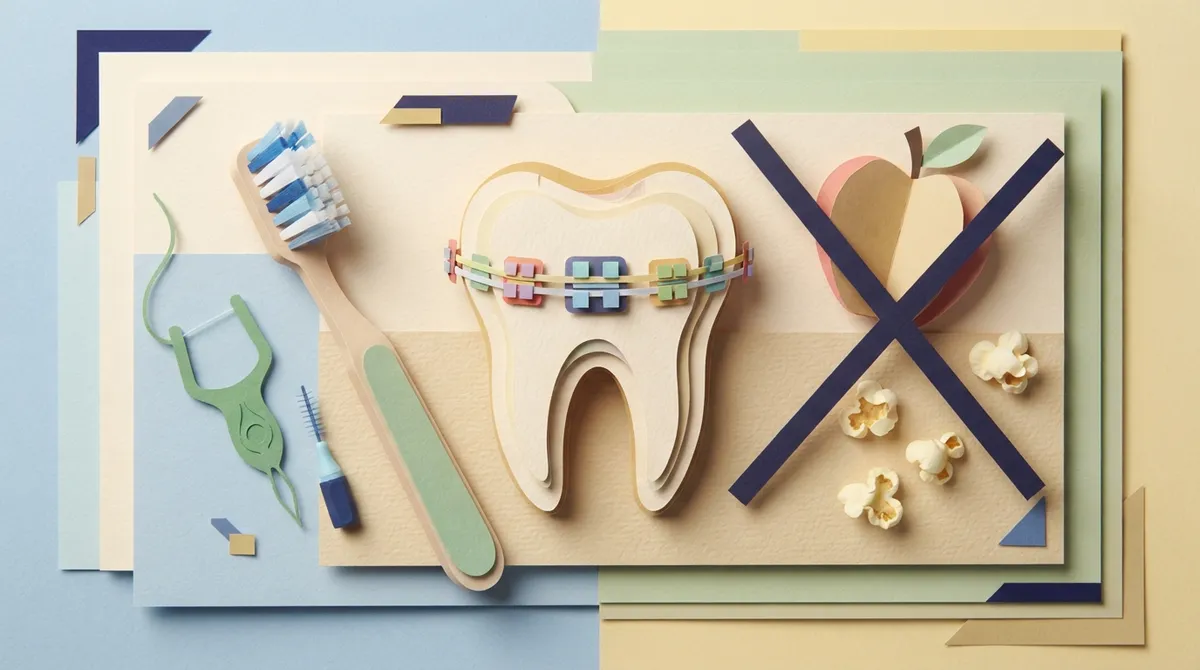
Daily home care and professional visits work together: home brushing and flossing prevent plaque buildup around brackets, while orthodontic and dental visits catch problems you can't see or reach.
-
Brush for about two minutes after meals or snacks and before bed with fluoride toothpaste, and if you can't brush, swish thoroughly with water until you can.
-
Clean between your teeth at least once a day using floss threaders, orthodontic flossers, or small interdental brushes to reach around brackets and under wires.
-
Keep orthodontic adjustment visits and dental checkups separate: see your dentist at least every six months, since orthodontic visits do not replace regular dental cleanings.
-
Avoid hard, crunchy, sticky, and chewy foods like ice, popcorn, nuts, caramel, and whole apples, which can loosen brackets or bend wires.
-
For a poking wire, cover it with orthodontic wax and call your office for a loose bracket; never cut or bend wires yourself unless your orthodontist instructs you to.
Getting braces as an adult is a big, brave step, and you deserve to feel great about it. But here’s a little secret: the results you love at the end depend on what you do every single day along the way. So what matters more for keeping your smile healthy, your daily habits at home or your regular visits to the dentist and orthodontist? Honestly, it’s a team effort. Think of it like caring for a car. You wouldn’t skip oil changes, but you also wouldn’t ignore a flat tire in the driveway.
This adult braces maintenance checklist breaks down both sides, so you can see exactly what to do at home and what to leave to the pros. Whether you’re a busy professional squeezing in brushing between meetings, or someone coming back for a second round of treatment after relapse, you’ll find simple steps that fit real life. We’ll cover brushing, flossing, food choices, drinks, and what to do when a wire pokes you at 9 p.m. Let’s make this easy, friendly, and doable.
Home Care vs. Professional Care: The Quick Answer
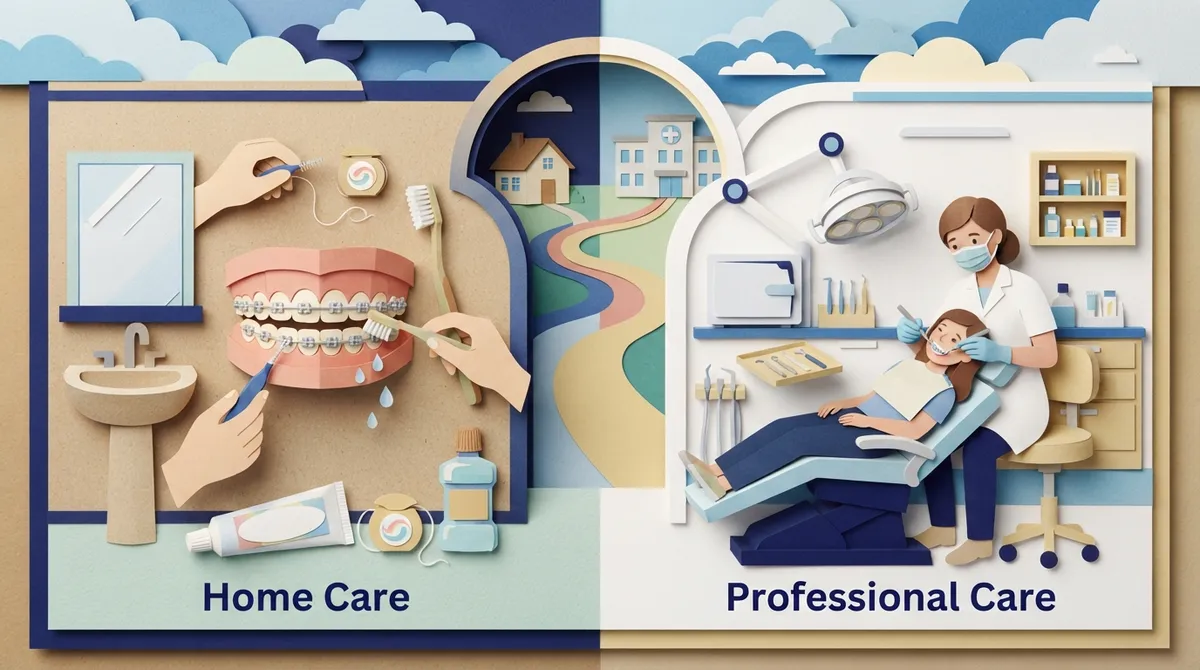
Neither one wins on its own. Daily care keeps plaque from building up around your brackets, and professional care catches problems you can’t see or reach. When you do both, you lower your risk of cavities, gum irritation, and lasting white marks on your teeth. Here’s how they compare side by side.
| Care Type | What It Covers | How Often | Biggest Benefit |
|---|---|---|---|
| Daily home care | Brushing, cleaning between teeth, rinsing, smart eating | Every day, several times | Stops plaque before it causes damage |
| Orthodontic adjustments | Wire changes, tracking tooth movement, fixing broken parts | As scheduled by your orthodontist | Keeps treatment moving on track |
| Dental checkups and cleanings | Deep cleaning, cavity checks, gum health checks | At least every six months, or as your dentist advises | Finds trouble early |
Notice that your orthodontic visits do not replace your regular dental checkups. The American Association of Orthodontists (AAO) says to keep seeing your dentist during treatment, at least every six months, or more often if your dentist recommends it. Each visit has its own job.
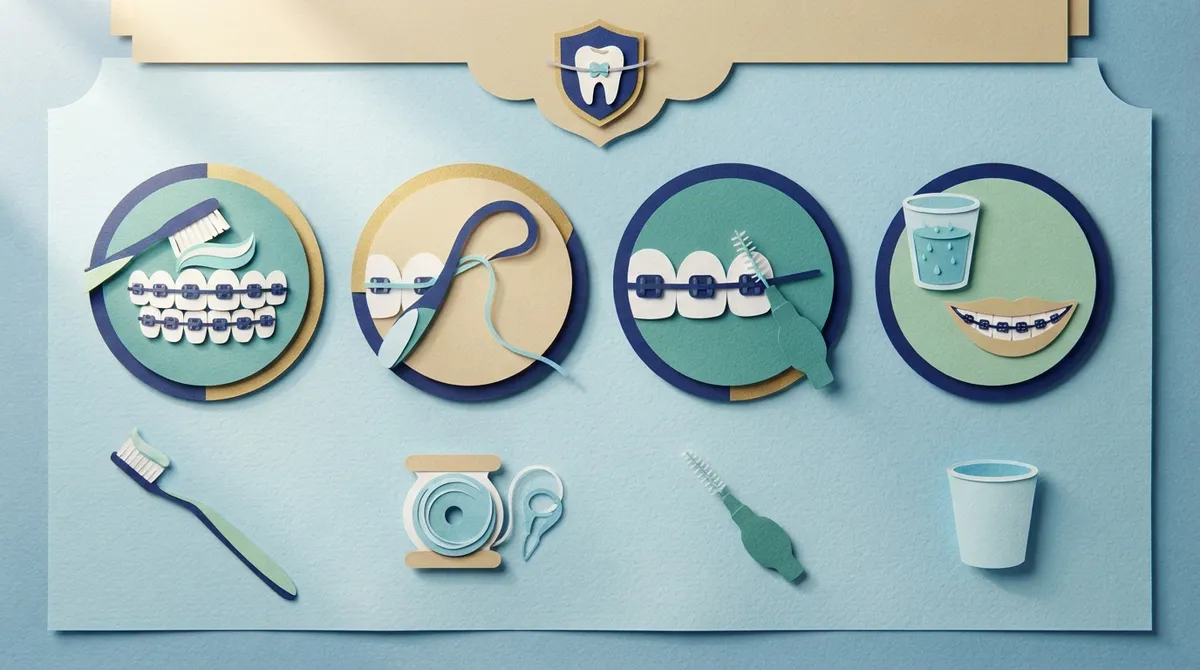
Your Daily Home Care Checklist
This is where adults can make the biggest difference. Braces create lots of little spots where food and plaque like to hide. A few steady habits go a long way.
Brushing: Do It Right, Do It Often
The AAO recommends brushing for about two minutes after meals or snacks and before bed, using fluoride toothpaste. Yes, that’s a lot of brushing. But plaque left around brackets can lead to cavities, gum inflammation, bad breath, and permanent white or brown marks. If you can’t brush after eating, swish thoroughly with water until you can.
Not sure about your technique? Our guide on how to brush teeth with braces walks through it step by step, and it’s worth a read if brushing feels tricky. You may also want to check out common brushing mistakes that wreck braces so you can skip them.
Here’s a simple brushing routine to follow:
- Rinse your mouth with water to loosen food.
- Angle your brush toward the gumline above the brackets and brush gently.
- Angle it toward the gumline below the brackets and repeat.
- Brush the front, back, and chewing surfaces of every tooth.
- Take your time. Aim for two full minutes.
- Check your braces in the mirror for leftover food or plaque.
Cleaning Between Teeth
Clean between your teeth at least once a day. This is the step most adults skip, and it’s the one that matters a lot. Floss threaders, orthodontic flossers, or small interdental brushes can reach around brackets and under wires. A water flosser can also be a helpful extra, but it’s smart to ask your clinician which tools suit your type of appliance.
If flossing feels like a puzzle, you’re not alone. Our tips on how to floss with braces make it much simpler.
Rinse and Replace
- Fluoride rinse: Helpful for some patients. Ask your dentist or orthodontist before adding any prescription-strength product.
- Toothbrush care: The AAO advises replacing your toothbrush or powered-brush head at the first sign of wear, or at least every three months. Braces tend to wear bristles down faster.
- Mirror check: Look at your brackets and wires every time you brush. Catching a loose piece early saves you time later.
Eating and Drinking: Smart Choices vs. Risky Ones
Your food choices can protect your braces or send you back to the office with a broken bracket. The good news? You don’t have to give up eating. You just need a few swaps.
| Braces-Friendly Choices | Foods and Habits to Avoid |
|---|---|
| Soft fruits, cooked vegetables, yogurt | Ice, hard candy, hard pretzels |
| Pasta, soft breads, eggs, fish | Popcorn, nuts, chewing gum |
| Apples cut into small bites | Biting into whole apples or carrots |
| Corn cut off the cob | Corn on the cob |
| Smoothies and soft snacks | Caramel and other sticky or chewy sweets |
Hard, crunchy, sticky, and chewy foods can loosen brackets or bend wires. If you want more ideas, see our friendly food guide for braces and the list of foods to avoid with braces.
What About Coffee, Soda, and Wine?
Yes, you can still enjoy them in moderation, but know the trade-offs. Sugary and acidic drinks, including soda, sports drinks, and fruit drinks, can contribute to enamel damage and decay. Coffee, tea, and red wine may stain your teeth. Water is your best friend between meals. If you do sip something sweet or dark, follow it with a water rinse and brush when you can.
Professional Care Checklist: What the Pros Handle
Daily habits are your foundation, but some things only a trained eye can do. Here’s what to keep on your calendar.
- Keep every orthodontic adjustment visit. These appointments keep your teeth moving as planned. Missing them can slow your progress, so it helps to understand why orthodontic checkups matter so much.
- Schedule regular dental cleanings. Your dentist can spot early cavities and gum issues around your braces.
- Ask about your progress. Your orthodontist can show you how things are going and answer your questions.
- Speak up about discomfort. Soreness after adjustments is normal, but sharp or lasting pain is worth a call. Our post on easing tight braces after adjustments explains what to expect.
At Brockway Orthodontics in Clearwater, Dr. Brockway takes time to listen and explain each step, so you always know what’s happening with your treatment. That kind of open conversation makes maintenance so much easier.
What to Do When Something Goes Wrong
Even careful patients run into surprises. A loose bracket or a poking wire is annoying, but it’s usually fixable. Here’s how to handle the common ones.
- Poking wire or sharp spot: Cover the area with orthodontic wax for temporary relief. Don’t cut or bend the wire yourself unless your orthodontist tells you to.
- Loose bracket: Call the office for advice and an appointment. Keep any pieces that come off.
- Broken or irritating part: Contact your orthodontic office before it gets worse.
Not sure whether it’s urgent? Read about which problems are real emergencies and these orthodontic emergency fixes to try before panicking. If you’re ever in a pinch, our team can help with broken braces repair in Clearwater.
A Simple Daily and Weekly Rhythm
Checklists work best when they fit your schedule. Here’s an easy way to build the habit, especially if your days are packed with meetings and deadlines.
Every Day
- Brush after meals and snacks, and before bed.
- Clean between teeth at least once.
- Rinse with water after sipping coffee, tea, or sweet drinks.
- Do a quick mirror check for loose parts.
Every Week
- Look for white spots or red, puffy gums.
- Check that your toothbrush bristles still look fresh.
- Restock wax, floss threaders, and travel supplies in your bag or desk.
Every Few Months
- Swap your toothbrush or brush head.
- Book your dental cleaning if it’s coming due.
- Write down questions for your next orthodontic visit.
If you want a deeper dive into oral health habits that protect your smile during treatment, check out these dental health habits that protect your braces and our guide on keeping a healthy smile during braces.
Why Consistency Beats Perfection
Here’s the encouraging part: you don’t have to be perfect. You just have to be steady. Some days you’ll forget to floss, or you’ll grab a snack that’s a little too crunchy. That’s okay. Pick up where you left off and keep going.
Adults often juggle work, family, and social plans, so a routine that’s simple tends to stick. Keep a small kit in your bag with a travel toothbrush, floss threaders, and wax. It takes seconds, and it saves you from stress later. The Florida Association of Orthodontists is a helpful place to learn more about orthodontic care in our state, and the American Dental Association offers solid general guidance on oral health that pairs nicely with your orthodontist’s advice.
One more thing: always follow your own orthodontist’s instructions. Recommendations can vary based on your appliance and your personal oral health needs. What’s perfect for your coworker’s braces might not be the best fit for yours.
Ready for a Healthier, Happier Smile?
The best adult braces maintenance checklist blends both worlds: steady care at home and regular visits with your dental team. Do your daily basics, protect your brackets with smart food choices, and reach out quickly when something feels off. You’ll be rewarded with a healthier mouth and a smile you can be proud of.
Want personal guidance from a team that truly cares? Book your appointment online and let’s talk about your goals. You can also see what our patients say when you visit our Brockway Orthodontics location on Google. We can’t wait to help you smile with confidence.
FAQs
Q: How often should adults brush and floss with braces?
A: Aim to brush for about two minutes after meals or snacks and before bed, using fluoride toothpaste. Clean between your teeth at least once a day with floss threaders, orthodontic flossers, or small interdental brushes. Your orthodontist may give you extra tips for your specific appliance.
Q: How often should I see my dentist while I have braces?
A: The American Association of Orthodontists recommends professional cleanings at least every six months, or more often if your dentist advises it. Your orthodontic adjustment visits are separate and don’t replace regular dental care. Keeping both on your calendar gives your teeth the best protection.
Q: What should I do if a bracket comes loose or a wire is poking me?
A: Don’t panic! For a sharp wire, cover the spot with orthodontic wax for temporary comfort. For a loose or broken bracket, call your orthodontic office for advice and an appointment, and avoid cutting or bending anything yourself unless you’re told to.
Q: Can I still drink coffee, soda, or wine with braces?
A: You can, but it helps to keep them occasional. Soda, sports drinks, and fruit drinks are sugary or acidic and can harm enamel, while coffee, tea, and red wine may stain your teeth. Rinse with water afterward and make water your go-to drink between meals.
Q: How can I prevent white spots and cavities around my braces?
A: Consistent plaque control is the key. Brush after eating, clean between your teeth daily, and check your brackets in the mirror for leftover food. Ask your dentist or orthodontist whether a fluoride rinse makes sense for you.
Our Service Area