Key Takeaways
-
Nearly 1 in 3 orthodontic patients are adults, with young adults aged 18-24 making up the largest adult patient group seeking treatment.
-
Clear aligners now dominate the market, offering a nearly invisible and removable option for teeth straightening with 60.2% market share.
-
The average cost of braces ranges from $4,000 to $13,000, with many orthodontic practices offering flexible payment plans and potential insurance coverage.
-
Treatment typically takes 12-24 months, with options like clear aligners potentially working faster for mild to moderate cases.
-
Straightening teeth offers benefits beyond aesthetics, including improved oral health, better bite function, and increased self-confidence in professional and social situations.
Getting braces as a young adult is more common than you might think. If you’re between 18 and 30 and considering straightening your teeth, you’re not alone. Nearly 1 in 3 orthodontic patients are adults, and that number keeps growing every year. In fact, young adults aged 18-24 make up 16.8% of all orthodontic patients in the United States, making this the largest adult age group seeking treatment.
The good news? There are more options now than ever before. Whether you’re starting your career, finishing college, or just want to feel more confident in your smile, modern orthodontic treatments can fit into your busy life. This guide will walk you through everything you need to know about getting braces as a young adult, from types of braces to costs and what to expect during treatment.
At Brockway Orthodontics, we understand that young adults have unique needs and concerns. That’s why we offer personalized treatment plans that work with your lifestyle and budget.

Why More Young Adults Are Getting Braces
The trend of young adults getting braces has grown significantly over the past few decades. Adult orthodontic treatment has risen 40% since 1989, with approximately 1.91 million adults currently in active treatment in the U.S. as of 2024. That’s up from 1.64 million just two years earlier.
There are several reasons why more young adults are choosing to straighten their teeth:
- Better job prospects and professional appearance
- Increased self-confidence in social situations
- More discreet treatment options like clear aligners
- Growing awareness of oral health benefits
- More flexible payment plans and insurance coverage
- Social media and the importance of a great smile
Many young adults who couldn’t afford braces as teenagers are now able to invest in their smiles. Others may have had braces before but experienced relapse and need retreatment. Whatever your reason, it’s never too late to achieve the smile you’ve always wanted.
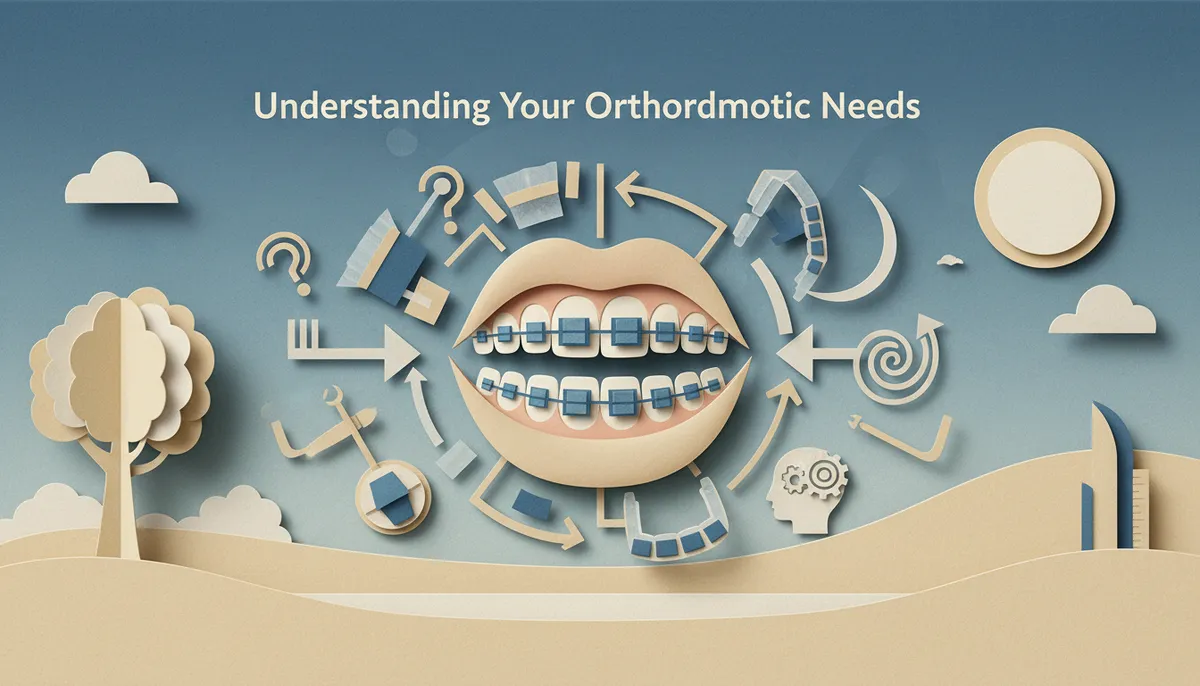
Understanding Your Orthodontic Needs
Before choosing a type of braces, it’s important to understand what orthodontic issues you’re dealing with. Young adults typically seek treatment for several common problems:
Common Bite Issues
Bite problems can affect both your appearance and your oral health. These issues include overbites, underbites, crossbites, and open bites. When your teeth don’t align properly, it can cause jaw pain, difficulty chewing, and even speech problems. Fixing these issues isn’t just about looks—it’s about function too.
Crooked or Crowded Teeth
Crowded teeth happen when there isn’t enough space in your jaw for all your teeth to fit normally. This can make brushing and flossing difficult, which increases your risk of cavities and gum disease. Straightening crowded teeth makes them easier to clean and keeps your mouth healthier.
Gaps Between Teeth
Spacing issues can occur naturally or develop over time. While some people like the look of a small gap, larger spaces can trap food and affect your bite. Closing these gaps creates a more uniform smile and better oral health.
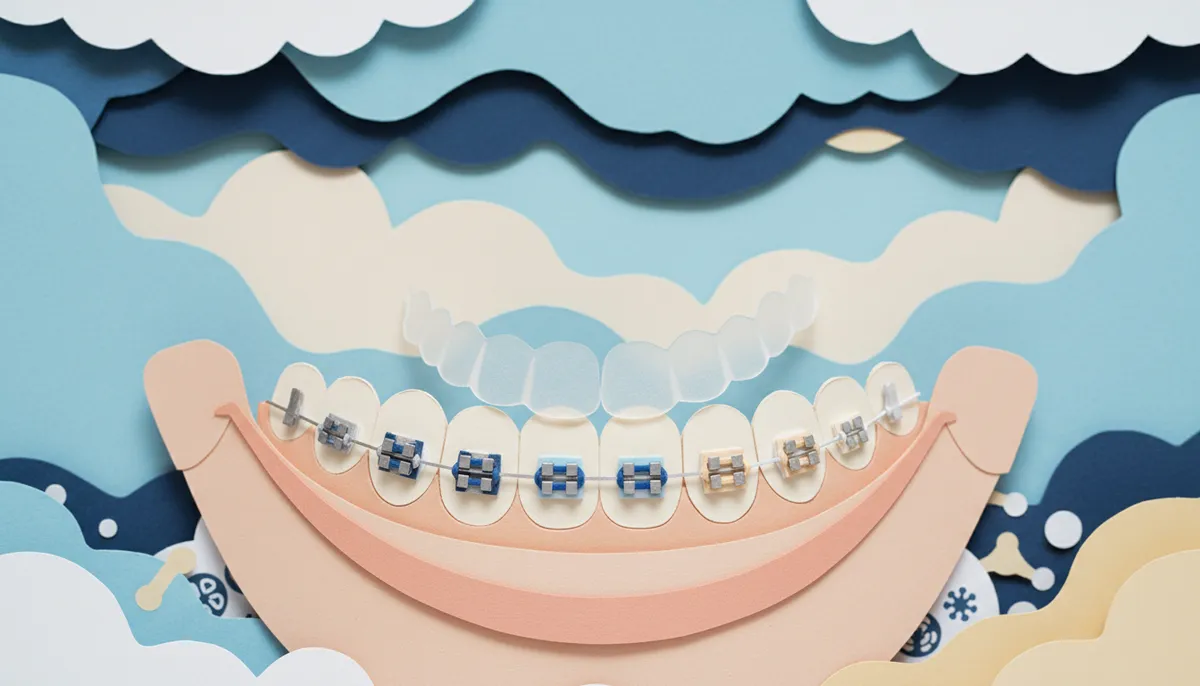
Types of Braces for Young Adults
Choosing the right type of braces depends on your specific needs, budget, and lifestyle. Here’s a breakdown of the most popular options in 2026:
| Type of Braces | Visibility | Average Cost | Treatment Time | Best For |
|---|---|---|---|---|
| Traditional Metal Braces | Most visible | $3,000-$7,000 | 18-24 months | Complex cases, budget-conscious patients |
| Ceramic Braces | Less visible | $4,000-$8,000 | 18-24 months | Those wanting discretion with fixed braces |
| Clear Aligners | Nearly invisible | $3,000-$8,000 | 12-18 months | Mild to moderate cases, active lifestyles |
| Lingual Braces | Hidden behind teeth | $8,000-$10,000 | 18-24 months | Complete discretion needed |
Traditional Metal Braces
Metal braces are the most common type of orthodontic treatment. They consist of metal brackets attached to your teeth, connected by wires that gradually shift your teeth into place. While they’re the most noticeable option, they’re also the most effective for complex cases and typically cost less than other options.
Modern metal braces are smaller and more comfortable than ever before. You can even customize them with colored bands to express your personality. They work well for all types of orthodontic problems and give your orthodontist precise control over tooth movement.
Ceramic Braces
Ceramic braces work just like metal braces but use clear or tooth-colored brackets that blend in with your teeth. They’re a great middle ground if you want the effectiveness of traditional braces with less visibility. The wires can also be tooth-colored for even more discretion.
Keep in mind that ceramic braces can stain if you don’t maintain good oral hygiene. You’ll also need to avoid certain foods and drinks that could discolor the brackets, like coffee, tea, and red wine.
Clear Aligners
Clear aligners have become incredibly popular among young adults. These removable plastic trays gradually shift your teeth without metal brackets or wires. Clear aligners hold 60.2% of the adult clear aligner market share as of 2023, and by 2023, 17 million people had been treated with clear aligners, including 4.5 million teens.
The main advantages of clear aligners are that they’re nearly invisible and removable. You can take them out to eat, drink, brush, and floss. This makes maintaining oral hygiene much easier than with traditional braces. However, you need to wear them 20-22 hours per day for them to work effectively.
At Brockway Orthodontics, we offer Spark™ Clear Aligners, which are designed for maximum comfort and effectiveness. They’re a great option for young adults who want to straighten their teeth without anyone noticing.
Lingual Braces
Lingual braces are attached to the back of your teeth, making them completely invisible from the front. They work like traditional braces but are hidden from view. This option is perfect if you need the power of fixed braces but want complete discretion.
The downside is that lingual braces cost more than other options and can be harder to clean. They may also affect your speech initially as your tongue adjusts to the brackets behind your teeth.
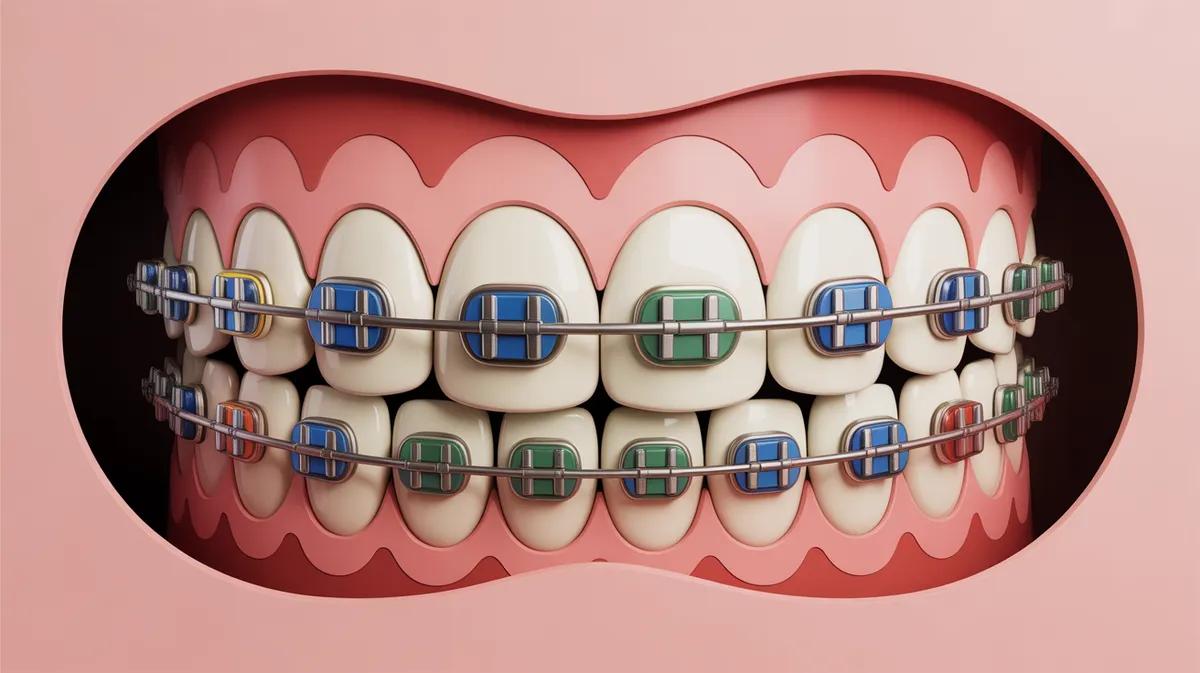
Step-by-Step Guide to Getting Braces
If you’ve decided to get braces, here’s what you can expect during the process:
- Schedule a consultation: Your first step is meeting with an orthodontist who will examine your teeth, take X-rays, and discuss your goals. This appointment usually takes about an hour.
- Create a treatment plan: Your orthodontist will recommend the best type of braces for your situation and explain how long treatment will take. They’ll also provide a cost estimate and payment options.
- Get your braces installed: The installation appointment typically takes 1-2 hours. Your orthodontist will attach brackets to your teeth and connect them with wires. This doesn’t hurt, but your teeth may feel sore for a few days afterward.
- Attend regular adjustments: You’ll visit your orthodontist every 4-8 weeks for adjustments. These appointments ensure your teeth are moving according to plan and usually take 15-30 minutes.
- Complete your treatment: Once your teeth are in the right position, your braces will be removed. This appointment takes about an hour and is completely painless.
- Wear your retainer: After braces, you’ll need to wear a retainer to keep your teeth in place. Most people wear retainers full-time for several months, then switch to nighttime wear.
Understanding the Costs
The cost of braces varies widely depending on several factors. According to the American Dental Association, the average cost ranges from $4,000 to $13,000. Here’s what affects the price:
- Type of braces you choose
- Length of treatment needed
- Complexity of your case
- Geographic location
- Orthodontist’s experience and expertise
- Whether you have dental insurance
Many orthodontic practices offer flexible payment plans that break up the cost into monthly installments. Some accept insurance, which can cover 25-50% of the treatment cost. Others offer discounts for paying in full upfront.
| Payment Option | Typical Terms | Best For |
|---|---|---|
| Insurance Coverage | Covers $1,000-$3,000 | Those with orthodontic benefits |
| Payment Plans | 0% interest, monthly payments | Spreading cost over treatment time |
| FSA/HSA | Use pre-tax dollars | Reducing overall cost |
| Third-Party Financing | Various interest rates | When other options aren’t available |
Living with Braces as a Young Adult
Adjusting to life with braces takes some time, but most young adults adapt quickly. Here are some tips to make your experience smoother:
Managing Discomfort
Your teeth will feel sore for the first few days after getting braces and after each adjustment. This is normal and means your teeth are moving. Over-the-counter pain relievers can help, and the discomfort usually goes away within 3-5 days.
Wax can protect your cheeks and lips from irritation caused by brackets. Your orthodontist will provide this, and it’s easy to apply whenever you need it.
Eating with Braces
You’ll need to avoid certain foods that can damage your braces or get stuck in them. Stay away from:
- Hard foods like nuts, hard candy, and ice
- Sticky foods like caramel, gum, and taffy
- Crunchy foods like popcorn and chips
- Chewy foods like bagels and tough meats
Focus on softer foods, especially right after getting your braces or after adjustments. Smoothies, yogurt, pasta, and mashed potatoes are all great options.
Maintaining Oral Hygiene
Keeping your teeth clean with braces requires extra effort. Brush after every meal and floss at least once daily. Use a soft-bristled toothbrush and fluoride toothpaste. Consider getting an electric toothbrush, which can be more effective at cleaning around brackets.
A water flosser can make cleaning between teeth easier. These devices use water pressure to remove food particles and plaque from hard-to-reach areas. You can learn more about proper care at our braces information page.
The Benefits of Straightening Your Teeth
Getting braces as a young adult offers benefits that go beyond just a prettier smile. Here’s what you can gain:
Improved Confidence
A straight smile can boost your self-esteem in professional and social situations. Many young adults report feeling more confident after orthodontic treatment, which can positively impact job interviews, dating, and everyday interactions.
Better Oral Health
Straight teeth are easier to clean, which reduces your risk of cavities and gum disease. Properly aligned teeth also distribute bite pressure evenly, reducing wear and tear on your tooth enamel. This can prevent costly dental problems down the road.
Long-Term Health Benefits
Orthodontic treatment can improve jaw alignment, which may reduce headaches and TMJ pain. Better bite function also makes chewing more efficient, which can aid digestion. These health benefits make orthodontic treatment an investment in your overall wellbeing.
What to Expect During Treatment
Treatment length varies based on your specific case, but most young adults wear braces for 12-24 months. Clear aligners typically work faster for mild to moderate cases, averaging 12-18 months. Traditional braces may take longer but can handle more complex issues.
During treatment, you’ll notice gradual changes in your smile. Your teeth may feel loose at times—this is normal and means they’re moving. Some people see results within a few months, while others need the full treatment time to achieve their goals.
After Your Braces Come Off
Once your braces are removed, you’ll need to wear a retainer to maintain your results. Retainers prevent your teeth from shifting back to their original positions. Most orthodontists recommend wearing retainers full-time for 3-6 months, then switching to nighttime wear indefinitely.
Taking care of your retainer is important. Clean it daily with a soft toothbrush and store it in its case when not wearing it. If your retainer breaks or gets lost, contact your orthodontist right away for a replacement.
Choosing the Right Orthodontist
Selecting the right orthodontist is crucial for a successful treatment experience. Here’s what to look for:
- Credentials and experience: Make sure your orthodontist is board-certified and has experience treating young adults.
- Treatment options: Look for a practice that offers multiple types of braces so you can choose what works best for you.
- Technology: Modern practices use digital scanning and 3D treatment planning for more accurate results.
- Convenient location: Choose an office that’s easy to get to, since you’ll be visiting regularly.
- Flexible scheduling: Look for evening or weekend appointments if you have a busy work schedule.
- Payment options: Make sure the practice offers payment plans that fit your budget.
Reading reviews can give you insight into other patients’ experiences. Check out what people are saying about practices in your area. You can see what our patients say about us on Google to learn more about the experience at Brockway Orthodontics.
Common Concerns for Young Adult Patients
Will Braces Affect My Professional Life?
Most young adults worry about how braces will look at work. The good news is that clear aligners and ceramic braces are very discreet. Many professionals wear them without anyone noticing. Even traditional metal braces are becoming more accepted in professional settings.
Can I Play Sports with Braces?
Yes, you can continue playing sports with braces. Just wear a mouthguard to protect your teeth and braces from impact. Your orthodontist can provide a special mouthguard designed for use with braces.
Will Braces Affect My Speech?
Some types of braces may temporarily affect your speech, especially lingual braces. However, most people adjust within a few weeks. Clear aligners typically have minimal impact on speech.
What If I Need Retreatment?
If you had braces as a teenager but your teeth shifted, you’re a good candidate for orthodontic retreatment. Many young adults fall into this category. The good news is that retreatment is usually faster than initial treatment because your teeth have been straightened before.
Making Your Decision
Deciding to get braces is a big step, but it’s one that can improve your life in many ways. Consider your priorities, budget, and lifestyle when choosing the right type of braces. Don’t be afraid to ask questions during your consultation—a good orthodontist will take time to address all your concerns.
Remember that orthodontic treatment is an investment in yourself. The benefits of a healthy, beautiful smile last a lifetime. With approximately 70% of adults potentially benefiting from orthodontic care, you’re taking a positive step toward better oral health and confidence.
The global orthodontic braces market is growing rapidly, projected to reach $2.77 billion by 2034. This growth reflects increased awareness of the importance of orthodontic care and improvements in treatment technology. You’re joining millions of young adults who are choosing to invest in their smiles.
Getting started is easy. Schedule a consultation with an experienced orthodontist who can evaluate your needs and recommend the best treatment plan. At Brockway Orthodontics, we’re committed to helping young adults in Clearwater, Florida achieve confident, healthy smiles. Our team offers personalized care and the latest treatment options, including a full range of orthodontic services designed for your unique needs.
Ready to take the next step? Schedule your free consultation today and discover how easy it can be to get the smile you’ve always wanted. Whether you choose traditional braces or clear aligners, we’ll work with you to create a treatment plan that fits your life and budget. Your journey to a confident smile starts now.
For more information about orthodontic care, visit the Florida Association of Orthodontists to learn about the latest advances in orthodontic treatment. You can also connect with us on Facebook to see patient success stories and stay updated on orthodontic tips for young adults.
FAQs
Q: How much do braces cost for young adults in 2026?
A: Braces for young adults typically cost between $3,000 and $13,000, depending on the type you choose and the complexity of your case. Traditional metal braces are usually the most affordable option at $3,000-$7,000, while clear aligners range from $3,000-$8,000. Many orthodontists offer flexible payment plans and accept insurance to make treatment more affordable.
Q: Are clear aligners as effective as traditional braces for young adults?
A: Clear aligners work great for mild to moderate orthodontic issues and are very popular among young adults. They can effectively treat crowding, spacing, and minor bite problems. However, traditional braces may be better for complex cases involving severe misalignment or jaw issues. Your orthodontist can recommend the best option based on your specific needs.
Q: How long does orthodontic treatment take for young adults?
A: Most young adults wear braces for 12-24 months, depending on the type of braces and the complexity of their case. Clear aligners typically work faster for mild cases, averaging 12-18 months. Traditional metal or ceramic braces usually take 18-24 months. Your orthodontist will give you a more accurate timeline after evaluating your teeth.
Q: Can I get braces if I had them as a teenager but my teeth shifted?
A: Absolutely! Many young adults seek orthodontic retreatment after their teeth shift following teenage braces. This happens when people don’t wear their retainers as prescribed. The good news is that retreatment is often faster than the first time because your teeth have been straightened before. Your orthodontist can create a new treatment plan to restore your smile.
Q: Will braces affect my job or professional appearance?
A: Braces don’t have to affect your professional life at all. Many young adults choose discreet options like clear aligners or ceramic braces that are barely noticeable. Even traditional metal braces are becoming more accepted in professional settings. You can discuss your concerns with your orthodontist to find the most discreet option that fits your needs and budget.
Our Service Area