Key Takeaways
-
Crowded teeth happen when the jaw lacks room for all teeth, usually due to inherited tooth or jaw size, early or late baby tooth loss, or extra or blocked teeth.
-
Crowding rates vary widely, from about 14% to 84% in adults and 31% to 96% in children and teens, so it is very common and nothing to be embarrassed about.
-
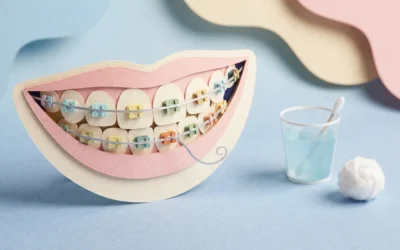
Braces offer steady, reliable control and handle complex or severe crowding well, but require careful brushing and avoiding hard or sticky foods.
-
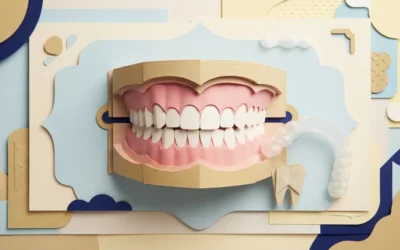
Clear aligners are nearly invisible and removable, but only work if worn about 20 to 22 hours a day, and are best for mild to moderate crowding.
-
Extraction is not needed for every patient; orthodontists may use expansion or other space-creating methods depending on the full bite and treatment plan.
-
A retainer is essential after treatment because teeth tend to drift back toward their original positions without one.
If your teeth feel like they are fighting for a seat at a very small table, you are not alone. Crowded teeth are one of the most common reasons people walk into an orthodontist’s office. Maybe you notice your lower front teeth overlapping. Maybe floss keeps shredding between two tight spots. Or maybe your teen’s smile is starting to look a bit squished.
The good news? In 2026, you have great options. The two big ones are traditional braces and clear aligners. Both can move crowded teeth into a healthier, happier position. But they work a little differently, and the best pick depends on your teeth, your bite, your age, and your lifestyle.
In this friendly guide, we will explain what crowded teeth really are, why they happen, and how braces and clear aligners stack up. By the end, you will know what questions to ask and what to expect. No pressure, no jargon, just helpful answers.
What Are Crowded Teeth, Exactly?
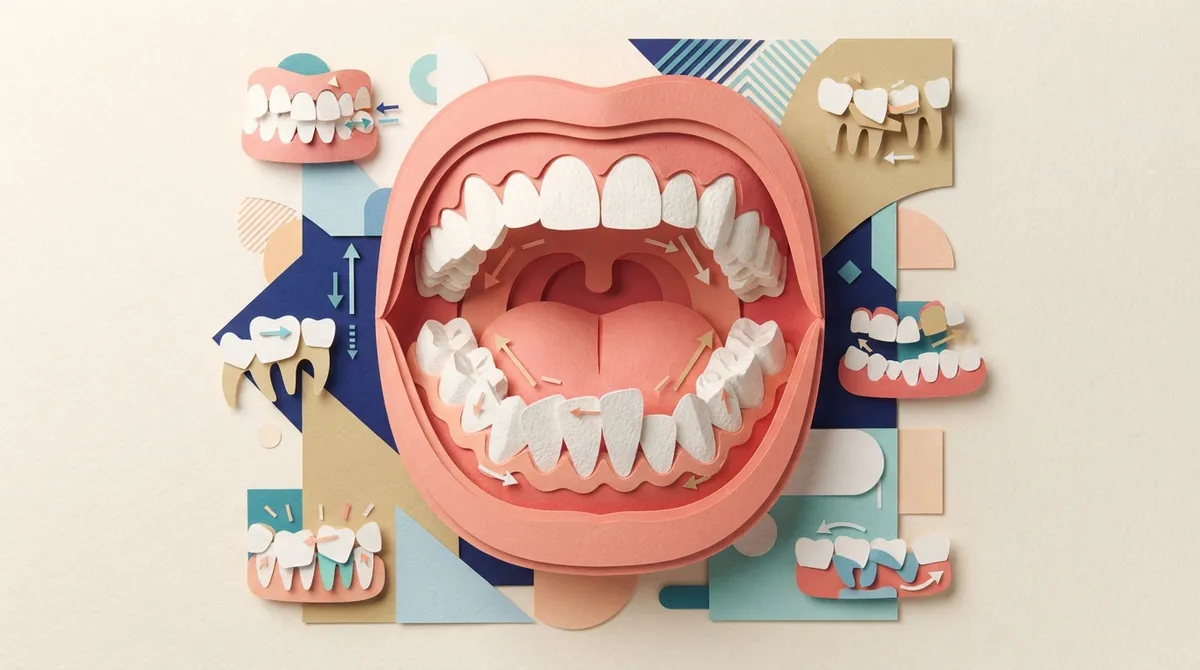
Crowded teeth, also called dental crowding, happen when there is not enough room in the jaw for all your teeth to line up normally. Teeth may overlap, twist, tilt, or get pushed forward or backward. Sometimes a tooth gets stuck and cannot come in at all. Crowding is often easiest to spot in the lower front teeth.
It is also very common. A 2021 review of malocclusion studies found crowding rates ranging from about 14.4% to 84.4%, depending on the population and the study methods. A 2025 review cited estimates of 31% to 96% in children and teens. Those wide ranges tell us one thing: lots of people deal with this, and it is nothing to be embarrassed about.
Why Do Teeth Get Crowded?
Crowding usually comes down to a mismatch between tooth size and the space available. A few common causes include:
- Genetics: You may inherit larger teeth, a smaller jaw, or both.
- Early or late baby tooth loss: Losing baby teeth too soon, or keeping them too long, can throw off the path for adult teeth.
- Extra or blocked teeth: An extra tooth or an unerupted tooth can take up room that other teeth need.
Because every mouth is different, an orthodontic exam is the best way to find the real cause in your case.
Is Crowding Just a Cosmetic Issue?
Not always. Overlapping teeth can make brushing and flossing harder, which may make it easier for plaque to hang around. Whether crowding needs treatment depends on how severe it is, how your bite fits together, your oral health, and your own goals. Looks matter too, of course. Feeling confident when you smile is a perfectly good reason to straighten your teeth.
How an Orthodontist Diagnoses Crowding
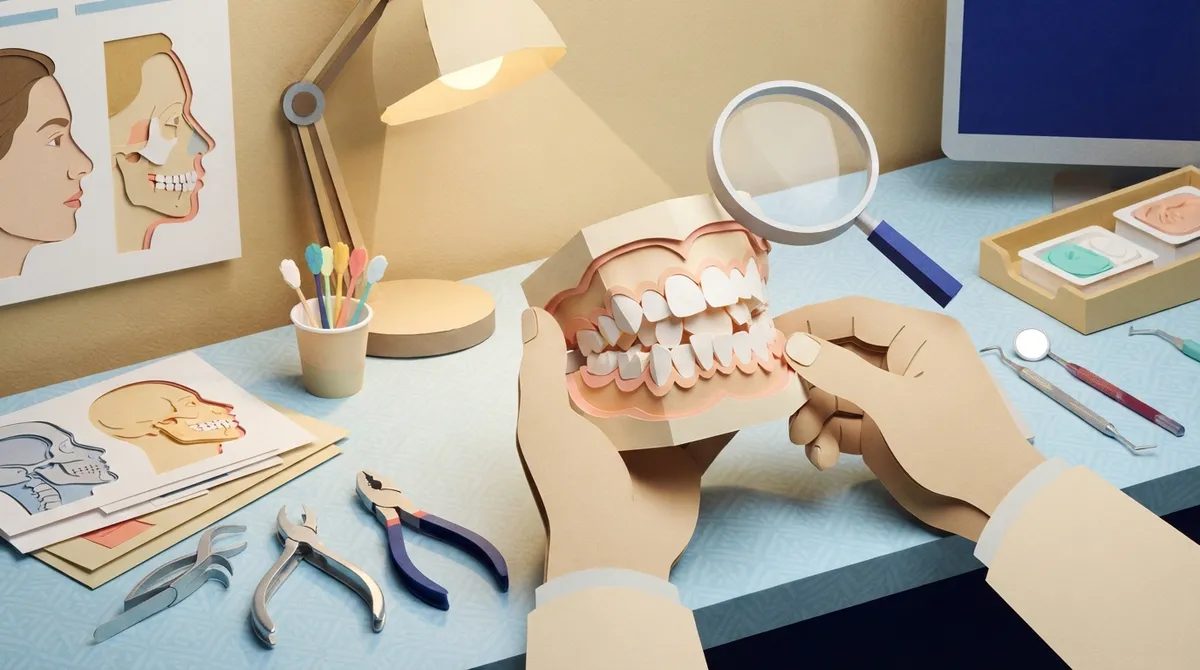
Before choosing braces or aligners, your orthodontist needs the full picture. A visit usually includes:
- A clinical exam of your teeth, gums, bite, and jaw relationship.
- Photos and digital scans (or models) to see how your teeth sit.
- X-rays to check tooth roots and any teeth that have not come in yet.
- A custom plan that explains your options, timeline, and cost.
At Brockway Orthodontics, we use modern tools like digital impressions and 3D imaging, so there are no messy molds. If you are curious what the first appointment feels like, our first visit page walks you through it.
Traditional Braces for Crowded Teeth
Braces have been straightening smiles for generations, and they are still a fantastic choice. Brackets are bonded to your teeth, and a wire gently guides them into place. Your orthodontist adjusts the wire over time, moving teeth step by step.
Braces come in a few styles. Metal braces are the classic, sturdy choice, and they come in fun colors for teens. Ceramic (clear) braces use tooth-colored brackets that blend in more. You can explore the details on our All About Braces page.
Why Braces Can Be Great for Crowding
- Constant, reliable movement: Braces stay on, so there is no way to forget to wear them.
- Strong control: They can handle rotated teeth, tipped teeth, and tricky bite issues well.
- Good for complex cases: Moderate to severe crowding often does well with braces.
What to Know Before Choosing Braces
Braces take a little getting used to. You will need to brush and floss carefully around the hardware and skip some sticky or hard foods. Mild soreness after adjustments is normal and usually fades in a few days. For tips, our guide on foods to avoid with braces makes life easier.
Clear Aligners for Crowded Teeth
Clear aligners are custom-made, nearly invisible trays that you swap out every week or two. Each set moves your teeth a tiny bit, and you can take them out to eat and brush. For many busy adults and image-conscious teens, that flexibility is a big win.
At Brockway Orthodontics, we offer Spark™ Clear Aligners, a more affordable option for people who want a discreet way to straighten their teeth. You can read more in our post on why adults and teens love Spark.
Why Aligners Can Be Great for Crowding
- Nearly invisible: Great for work meetings, graduations, and photos.
- Removable: Eat what you like and brush and floss as usual.
- Comfortable: Smooth plastic means no wires or brackets poking your cheeks.
What to Know Before Choosing Aligners
Aligners only work if you wear them, usually around 20 to 22 hours a day. If you tend to forget or lose things, that is worth thinking about. Very complex crowding or certain bite problems may also be better suited to braces. Your orthodontist will tell you honestly which tool fits your case.
Braces vs. Clear Aligners: Side-by-Side
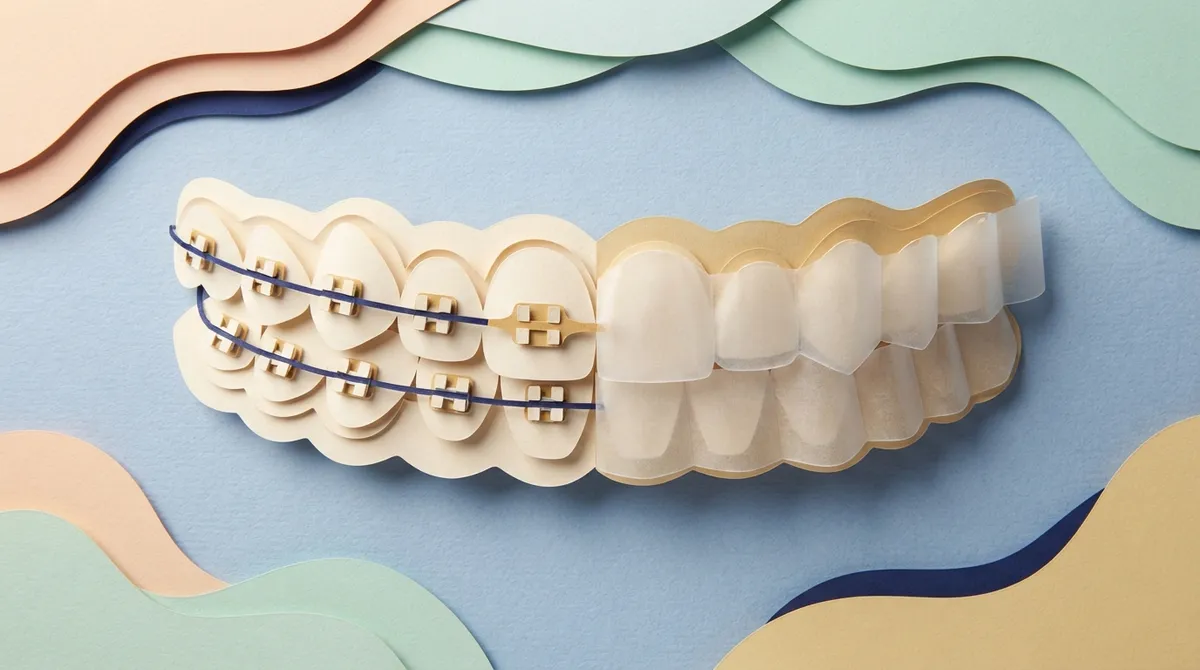
Here is a quick look at how the two compare for crowded teeth:
| Feature | Traditional Braces | Clear Aligners |
|---|---|---|
| Appearance | Visible (metal or ceramic options) | Nearly invisible |
| Removable | No, fixed in place | Yes, for eating and cleaning |
| Best for | Mild to severe crowding, complex bites | Mild to moderate crowding, many adults and teens |
| Compliance needed | Low, they work around the clock | High, must wear about 20 to 22 hours daily |
| Food limits | Avoid hard and sticky foods | Few, just remove trays to eat |
| Comfort | Some soreness after adjustments | Mild pressure with each new tray |
Want a deeper comparison? Check out our traditional braces vs. clear aligners breakdown.
Do Crowded Teeth Always Mean Extractions?
This is one of the most common worries, and the answer is no. Extraction is not needed for every patient. The decision depends on your whole bite, how much room is missing, and your treatment plan. In some cases, an orthodontist may use expansion or other space-creating approaches instead. In others, removing a tooth truly is the best way to give the rest room to line up well. Your orthodontist will explain the pros and cons so you can decide with confidence.
What Age Is Best to Treat Crowded Teeth?
Great news: there is no single right age. Here is how it often breaks down:
- Kids (around age 7): An early check can spot crowding and jaw growth issues. Some kids benefit from early help. See our early treatment information.
- Teens (around 12 to 13): Many children who need full treatment start after most permanent teeth have come in. Learn more about adolescent treatment.
- Adults: You can absolutely get treatment as long as your teeth and gums are healthy. Explore adult treatment options.
Parents, if you are wondering when to book that first visit, our post on orthodontics for kids can help.
How Long Does It Take to Fix Crowded Teeth?
Treatment time depends on how complex your case is. According to the NHS, orthodontic treatment commonly lasts about 6 to 30 months, and its braces guidance gives a typical range of 12 months to 2.5 years. Your own timeline could be shorter or longer.
Things that affect your timeline include:
- How severe the crowding is
- Whether space needs to be created with expansion or extractions
- Your age and how your jaw is growing
- How closely you follow your plan (wearing aligners, keeping appointments, caring for braces)
For a closer look, see our guide to how long braces take.
Don’t Skip the Retainer
Here is the part many people forget: finishing treatment is not the finish line. Teeth have a sneaky habit of drifting back toward where they started. That is why retainers are so important after braces or aligners.
Retainers help keep your teeth in their new positions. Some are removable, and some are bonded behind your teeth. Your orthodontist will recommend the right kind and how long to wear it. Learn more about retainers and how to wear a retainer after braces.
If you had treatment years ago and your teeth have started to crowd again, do not feel bad. Relapse is common, and retreatment is often very doable.
How to Choose What’s Right for You
Still not sure whether braces or aligners fit your crowded teeth? Ask yourself these questions:
- How crowded are my teeth, and is my bite also off?
- Do I want my treatment to be nearly invisible?
- Am I good at wearing something consistently every day?
- What is my budget, and are there payment options? See financing and insurance.
The most honest answer will come from an exam. Dr. Brockway takes the time to listen to your concerns and goals, then explains your options in plain, friendly language. You can meet Dr. Brockway to see what makes her approach special.
Your Next Step Toward a Roomier, Healthier Smile
Crowded teeth are common, treatable, and nothing to feel shy about. Traditional braces offer steady, dependable control, even for tougher cases. Clear aligners offer a discreet, flexible path for many mild to moderate cases. Either way, a good retainer plan keeps your results for the long haul.
Brockway Orthodontics is proud to serve families across Clearwater, FL, with metal braces, ceramic braces, and Spark™ Clear Aligners. We would love to help you find the plan that fits your smile and your life. Want to hear what others say? Visit us on Google — Brockway Orthodontics and read patient reviews.
You can also learn from trusted national sources like the American Dental Association and the Florida Association of Orthodontists. For general guidance on timing and braces, the NHS orthodontics overview is a helpful read.
Ready to give your teeth some breathing room? Book your free consultation online or contact us with any questions. We cannot wait to meet you!
FAQs
Q: What causes crowded teeth?
A: Crowded teeth happen when there is not enough room in the jaw for all your teeth. Common causes include inherited tooth and jaw size, losing baby teeth too early or too late, and extra or blocked teeth. An orthodontic exam can pinpoint the cause in your case.
Q: Can crowded teeth affect oral hygiene?
A: Yes, they can! Overlapping teeth make brushing and flossing trickier, so plaque can hide in tight spots. Straightening them can make daily cleaning easier, though whether treatment is needed depends on your bite, oral health, and goals.
Q: Do crowded teeth always need to be extracted?
A: Not at all. Extractions are not needed for every patient. Your orthodontist looks at your whole bite and may use expansion or other ways to make room, or recommend removing a tooth only when it truly gives the best result.
Q: Can adults get braces or aligners for crowded teeth?
A: Absolutely! Adults can be treated as long as their teeth and gums are healthy. Many adults choose discreet options like ceramic braces or clear aligners to fit their busy lives.
Q: How long does it take to fix crowded teeth, and will I need a retainer?
A: Treatment often takes anywhere from several months to a couple of years, depending on how complex your case is. And yes, you will need a retainer afterward, because teeth can shift back over time without one.
Our Service Area