Key Takeaways
-
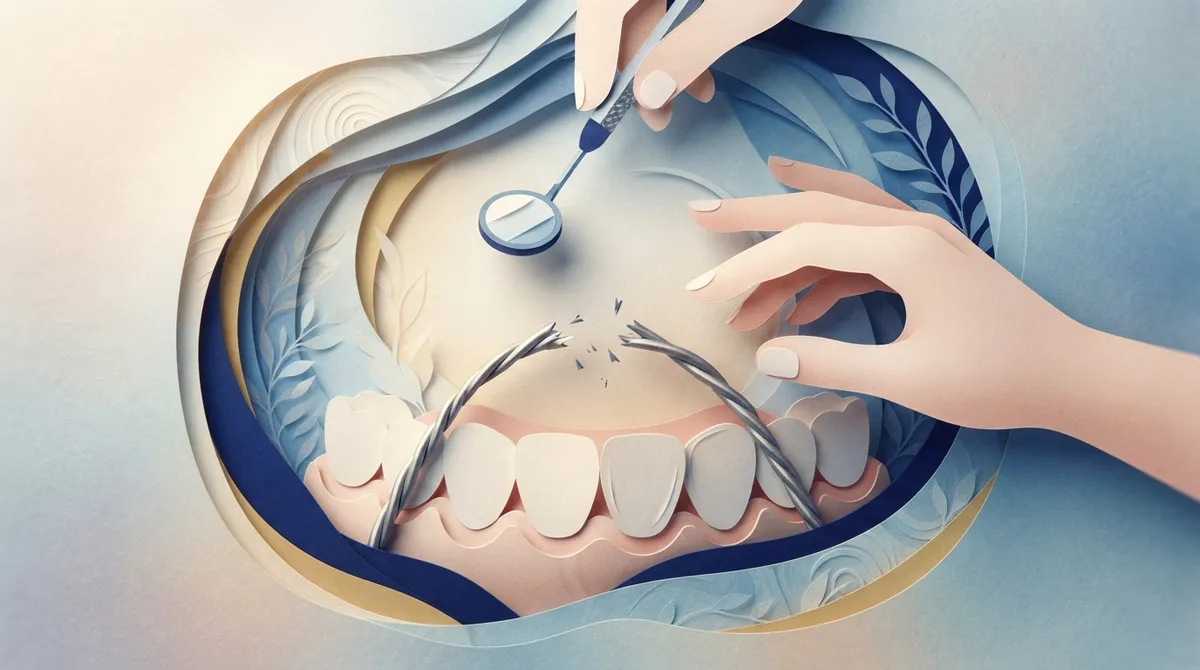
Broken retainer wires require prompt professional attention within days or weeks because teeth can shift noticeably within just a few weeks once the retainer stops functioning properly.
-
Research shows fixed retainer failure rates reach approximately 25% within the first 12 months and climb to 54% long-term, with debonding being the most common failure type at over 63% of cases.
-
Avoid DIY fixes like cutting, gluing, or bending the wire yourself, as these can cause tooth misalignment, swallowed wire fragments, or gum injuries—always let your orthodontist handle repairs.
-
Common causes of retainer failure include hard foods, sticky treats, normal wear and tear, mouth trauma, and the retainer's age, making prevention habits like avoiding ice and regular checkups essential.
-
Most broken retainer wires are not true emergencies, but seek immediate care if the wire cuts your cheek or tongue, won't stop bleeding, or feels like it could be swallowed.
-
Apply orthodontic wax over sharp edges, avoid hard and sticky foods, and contact your orthodontist immediately to prevent tooth shifting and determine whether you need urgent or routine repair.
Did you just run your tongue over your retainer and feel something sharp? Or maybe you noticed a little wire poking where it shouldn’t be. Take a breath! A broken retainer wire is one of the most common orthodontic hiccups we see at our Clearwater practice, and it’s almost never a reason to panic. Still, it does need attention soon, because your teeth can start to shift when your retainer isn’t doing its job properly.
If you have a fixed, or “permanent,” retainer bonded to the back of your teeth, you know how handy it is for keeping your smile straight without much daily effort. But that same wire can crack, bend, or come loose from the tooth over time. In this guide, we’ll walk you through exactly what a broken retainer wire looks like, why it happens, and what to do while you wait for professional help. We’ll also share some real numbers from recent dental research so you know just how common this issue really is. Let’s get your smile back on track together.
What Exactly Is a Broken Retainer Wire?
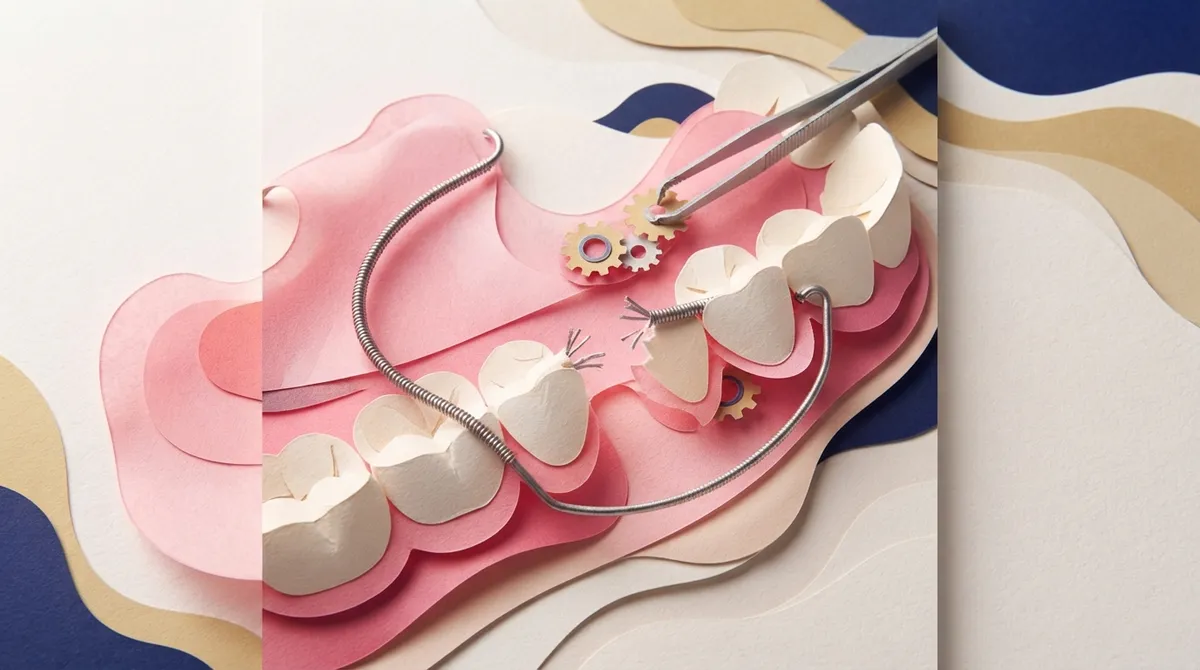
A broken retainer wire usually refers to a problem with a fixed, bonded retainer. This is the thin metal wire glued to the back of your front teeth after braces or Spark™ Clear Aligners treatment. It’s designed to quietly hold your teeth in place for years, sometimes decades.
But “broken” can mean a few different things. It’s not always a dramatic snap. Here are the most common ways a fixed retainer can fail:
- The wire itself cracks or fractures into two pieces
- The wire bends or untwists out of its original shape
- The wire separates from the bonding material (composite) on one tooth
- The composite pulls away from the tooth enamel entirely
- One end of the wire detaches, leaving a sharp poke point
Interestingly, a retainer can fail without causing any pain at all. That’s why regular checkups matter, even when everything feels fine in your mouth.
Common Signs Your Retainer Wire Has Broken
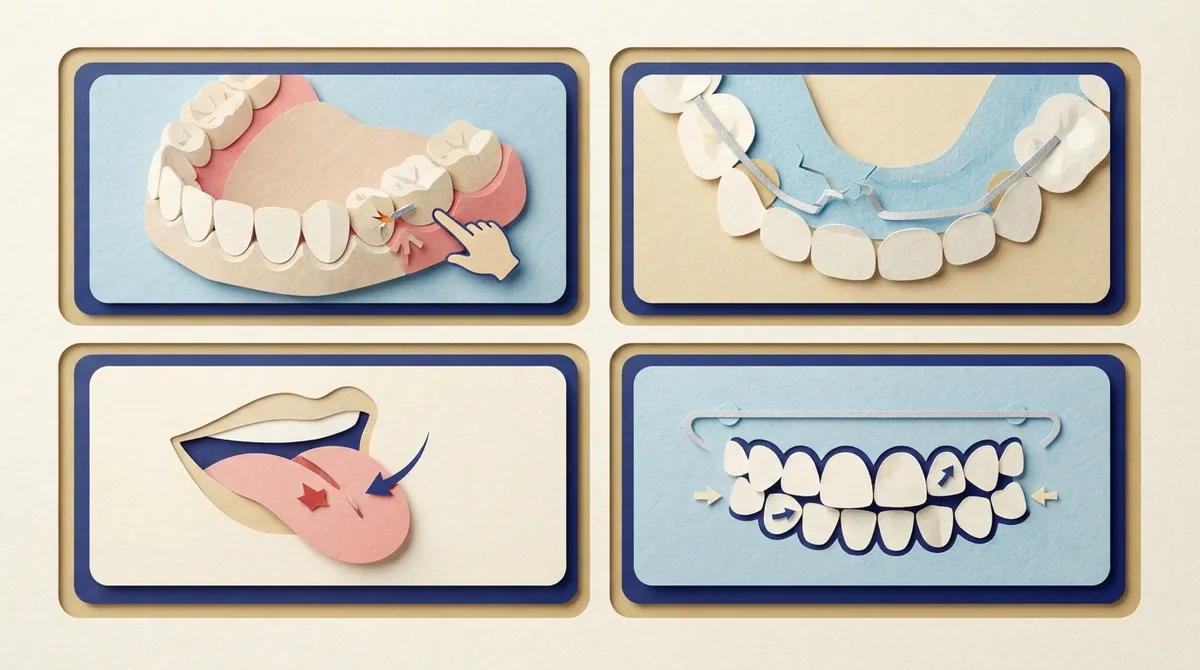
Sometimes the signs are obvious. Other times, they’re sneaky. Here’s what to watch for:
- A wire that feels loose or wiggly when you touch it with your tongue
- A bonding pad that has popped off one tooth
- A visible gap between the wire and a tooth surface
- A bent or sharp end poking your cheek, tongue, or gums
- Irritation or a small sore near the retainer
- A tooth that suddenly feels like it’s shifting slightly
If you notice any of these, don’t wait for your next scheduled cleaning. Reach out to your orthodontic team right away so they can take a look before things get worse.
Why Do Fixed Retainers Break in the First Place?
Fixed retainers are tough, but they’re not indestructible. A few things tend to cause trouble over time.
- Biting hard foods. Crunching into ice, hard candy, or even a stale bagel can stress the wire or bond.
- Sticky foods. Caramel, taffy, and gum can tug at the wire and pull it loose from a tooth.
- Normal wear and tear. Years of chewing and brushing can weaken the bond between wire and enamel.
- Trauma. A bump to the mouth during sports or an accidental fall can crack or bend the wire.
- Age of the retainer. The longer a retainer has been in place, the higher the chance of eventual failure.
According to a 2023 systematic review published in PubMed Central, fixed bonded retainers have an overall failure estimate of around 35% when researchers excluded lower-quality studies. That number climbs the longer the retainer stays in your mouth. Short-term failure rates were about 24%, but long-term failure rates reached nearly 54%. In fact, about 25% of retainers show some kind of failure within just the first 12 months.
Retainer Failure Rates: What the Research Shows
It helps to see the numbers laid out clearly. Here’s a snapshot of what recent studies have found about fixed retainer failure over time.
| Follow-Up Period | Estimated Failure Rate |
|---|---|
| Short-term (early months) | Around 24% |
| Medium-term | Around 40% |
| Long-term (several years) | Around 54% |
| Within first 12 months | Approximately 25% |
| By around 6 years | Approaching 50% |
A separate 2021 systematic review found failure rates ranging anywhere from about 7% to 50%, depending on the type of wire, the bonding technique, and how long patients were tracked. And a 2018 study found that debonding, meaning the wire separating from the tooth, was the most common failure type for lingual retainers, making up over 63% of reported issues.
These numbers aren’t meant to scare you. They simply show that retainer issues are common and expected over a lifetime of wear. That’s exactly why regular retention checkups matter so much, something our team talks about during every first visit and follow-up appointment.
Is a Broken Retainer Wire a Dental Emergency?
Good news: most broken retainer wires are not true emergencies. But there are times when you should seek care right away rather than waiting a day or two.
Consider it urgent if:
- The wire is cutting into your cheek or tongue and won’t stop
- You can’t cover the sharp spot with orthodontic wax
- The retainer has come completely loose and feels like it could be swallowed
- You have swelling, bleeding, or significant pain
- You experienced trauma to your mouth or face
If none of these apply, you still shouldn’t ignore the problem. Call your orthodontic office and describe what’s happening. Our team can usually tell you over the phone whether you need to come in that day or can wait a short time for a scheduled repair. For a deeper look at how to tell the difference, check out our guide on emergency versus routine orthodontics.
What to Do Right Away (Step-by-Step)
Here’s a simple checklist to follow the moment you notice a broken retainer wire:
- Stay calm. This happens to lots of patients, and it’s fixable.
- Don’t touch or bend the wire. Playing with it can make things worse or push it further out of place.
- Cover sharp edges with orthodontic wax. A small ball of wax pressed over the poking wire can protect your cheek and tongue.
- Avoid hard and sticky foods. Stick to softer options until you’re seen by your orthodontist.
- Brush and floss gently. Keep the area clean, but be careful not to snag the loose wire.
- Call your orthodontic office. Describe the issue so they can figure out the best next step.
- Ask about a temporary removable retainer. If you have one, your orthodontist can tell you whether to wear it while you wait for repairs.
What you should never do is try to fix, cut, glue, or remove the wire yourself. It’s tempting, especially if it’s bothering you, but self-repair often causes more harm than good. It can push teeth out of alignment or injure your gums.
DIY Fixes to Avoid
We get it. When something feels wrong in your mouth, it’s natural to want to fix it fast. But please avoid these common mistakes:
- Using nail clippers or scissors to cut the wire
- Trying to re-glue the wire with household adhesive
- Bending the wire back into place with your fingers or tweezers
- Pulling on the wire to remove it completely
- Ignoring it because it “doesn’t hurt”
These shortcuts can lead to soft tissue injuries, swallowed wire fragments, or unwanted tooth movement. Leave the repairs to the professionals who know exactly how your retainer was designed and bonded.
How Orthodontists Repair or Replace a Broken Retainer
The right fix depends on what exactly went wrong. Your orthodontist will examine the retainer and your teeth before deciding on a plan. Here are the typical options:
| Type of Failure | Likely Treatment |
|---|---|
| Wire detached from one tooth | Rebonding that section of the wire |
| Wire cracked or fractured | Replacing the damaged segment or the entire wire |
| Multiple failure points | Full retainer replacement |
| Retainer repeatedly failing | Switching to a removable retainer |
Some designs bond the wire to every tooth along the row, while others bond only at the ends. Research suggests full-tooth bonding may offer more consistent support, though your orthodontist will choose what’s best for your specific bite and history. If you’re curious about the different types available, our retainers page breaks down the options in simple terms.
How Fast Can Teeth Move After a Retainer Breaks?
This is one of the most common questions we hear, and it makes sense to be concerned. Teeth are always under slight pressure from your lips, tongue, and cheeks. Once a retainer stops holding them in place, that pressure can cause noticeable shifting within just a few weeks.
Some patients feel a difference in as little as a few days if the break is significant. Others might not notice anything for a month or more. Either way, it’s smart to get your retainer checked promptly rather than waiting to see what happens. Orthodontic relapse can be harder and more costly to correct the longer it goes untreated, something our Clearwater orthodontic team sees often with delayed repairs.
Preventing Future Retainer Breaks
While no retainer lasts forever, you can definitely reduce your risk of a repeat break. Try these habits:
- Avoid biting into hard foods like ice, hard candy, or raw carrots with your front teeth
- Skip sticky treats like caramel or gummy candy
- Don’t chew on pens, pencils, or fingernails
- Keep up with regular dental cleanings so your dentist can check the retainer
- Use a floss threader, interdental brush, or water flosser as recommended by your provider
- Attend your scheduled orthodontic checkups, even if nothing feels wrong
Previous retainer failure is linked to a higher chance of failing again, so staying on top of checkups really does pay off. The American Dental Association also recommends routine dental visits to catch small issues like this before they turn into bigger problems.
Caring for Your Retainer and Your Smile Long-Term
A bonded retainer isn’t a “set it and forget it” device. It needs a little ongoing attention, similar to how you’d care for a fence or a pool in your backyard. In fact, just like the team at Panther Pools would tell you that regular maintenance keeps a pool running smoothly for years, regular retainer checkups keep your smile stable for the long haul.
We also recommend following guidance from trusted professional groups. The Florida Association of Orthodontists offers helpful resources for patients looking to understand their treatment options and find qualified providers across the state.
Why Choose Brockway Orthodontics for Retainer Repairs
At Brockway Orthodontics, we treat every patient like family, whether you’re a teenager who just got braces off or an adult managing years-old retainers. Dr. Brockway takes time to explain exactly what’s happening with your retainer and why, so you never feel confused or rushed. Our Clearwater office uses modern technology, including digital impressions, to make repairs comfortable and precise.
We also understand that emergencies (or near-emergencies) don’t wait for convenient timing. That’s why we offer same-day appointments in many cases, so a broken wire doesn’t have to disrupt your whole week. Curious what other patients think? You can visit us on Google — Brockway Orthodontics to see real reviews from families across Pinellas County.
You can also follow along with smile transformations and helpful tips on our Instagram page or connect with us on Facebook for community updates and patient stories.
When to Call Your Orthodontist Today
If you’re dealing with a broken retainer wire right now, don’t wait around wondering if it will fix itself. Give us a call or reach out through our website. We’ll help you figure out the next best step, whether that’s a same-day fix or a scheduled repair appointment.
Ready to get your retainer sorted out? Contact us today and let our friendly Clearwater team take care of the rest. Your smile has come too far to let a small wire slow it down.
FAQs
Q: What should I do if my permanent retainer wire breaks?
A: First, don’t panic and don’t touch the wire. Cover any sharp spots with orthodontic wax, stick to soft foods, and call your orthodontist right away to schedule a repair. Waiting too long can let your teeth start to shift.
Q: Is a broken bonded retainer an orthodontic emergency?
A: Usually not, but it can be urgent if the wire is cutting your cheek, has fully detached, or comes with swelling or bleeding. In most other cases, you’ll just need a prompt (not immediate) visit to get it fixed.
Q: Can I fix or glue my broken retainer wire myself?
A: Please don’t! DIY fixes can push teeth out of place or hurt your gums and tongue. It’s always safest to let your orthodontist handle the repair with the right tools and materials.
Q: How quickly can teeth move after a fixed retainer breaks?
A: Some patients notice shifting within just a few weeks, though it varies from person to person. That’s why it’s smart to get a broken retainer checked as soon as you can, rather than waiting.
Q: How much does it cost to repair or replace a fixed retainer?
A: Costs vary depending on whether you need a small rebonding or a full replacement. Our Clearwater team can give you a clear estimate during your visit, and we’re happy to discuss financing options if needed.
Our Service Area