Key Takeaways
-
Dental crossbites (caused by tooth position) typically take 6-18 months to treat with braces or clear aligners, while skeletal crossbites (jaw mismatch) require 18-30 months and may need surgical expansion or jaw surgery.
-
Most adults can correct crossbites without surgery using braces, clear aligners with attachments/elastics, or bone-borne expansion—surgery is reserved only for severe skeletal jaw mismatches affecting bite, breathing, or facial symmetry.
-
Untreated crossbites can cause serious long-term damage including uneven tooth wear, gum recession, bone loss, jaw discomfort, and TMD—59% of people with posterior unilateral crossbite report jaw joint discomfort.
-
Age alone doesn't prevent treatment; orthodontists only need healthy teeth, gums, and jawbone—conditions like active periodontal disease or significant bone loss must be treated first or alongside orthodontic care.
-
Treatment success requires consistent retainer wear after the active phase ends, as adult teeth can shift back without proper retention; your orthodontist will recommend specific retainer options suited to your routine.
-
Many dental insurance plans offer partial coverage for adult orthodontic treatment; discuss financing and insurance solutions with your provider upfront to understand costs and payment options for your specific case.
If you’ve noticed your upper teeth biting inside your lower teeth, you might be dealing with a crossbite. And here’s some good news: you’re not stuck with it forever. Many adults worry that crossbite treatment for adults means jaw surgery or years of discomfort. The truth is much friendlier than that. Depending on your specific bite, you may fix things with braces, clear aligners, or a few other simple approaches.
At Brockway Orthodontics in Clearwater, we see adults every week who are ready to finally address a crossbite they’ve lived with for decades. Some are parents who fixed their kids’ teeth first and now want their own smile sorted out. Others are professionals who want a straighter bite without a long, complicated process. Wherever you fall, this guide will walk you through what causes adult crossbites, your treatment options, and what to realistically expect. Let’s get you the answers you deserve.
What Exactly Is a Crossbite?
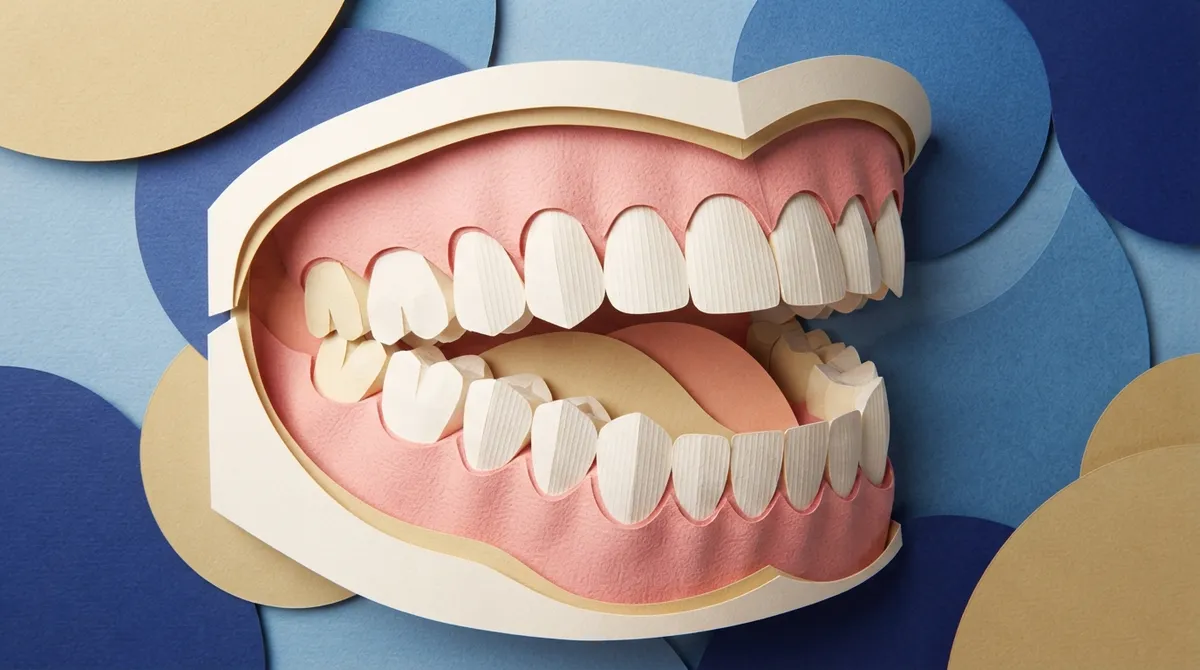
A crossbite happens when one or more upper teeth sit inside the lower teeth instead of outside them. Normally, your upper teeth should slightly overlap your lower teeth when you bite down. When that pattern reverses, even in just one spot, it’s called a crossbite.
Crossbites can show up in different places in your mouth. Here’s a simple breakdown:
- Anterior crossbite: Affects the front teeth, where upper teeth sit behind lower teeth.
- Posterior crossbite: Affects the back teeth, like premolars and molars.
- Unilateral crossbite: Only shows up on one side of the mouth.
- Bilateral crossbite: Affects both sides of the mouth at once.
This condition is more common than you might think. A global review found that posterior crossbite affects roughly 9.39% of people, though rates vary a lot by region. A Finnish study found that lateral crossbite was actually the most common bite problem among adults, showing up in 17.9% of the people studied. So if you have one, you’re definitely not alone.
Dental Crossbite vs. Skeletal Crossbite
Before your orthodontist can recommend a treatment plan, they need to figure out what’s actually causing your crossbite. This comes down to two main categories.
Dental Crossbites
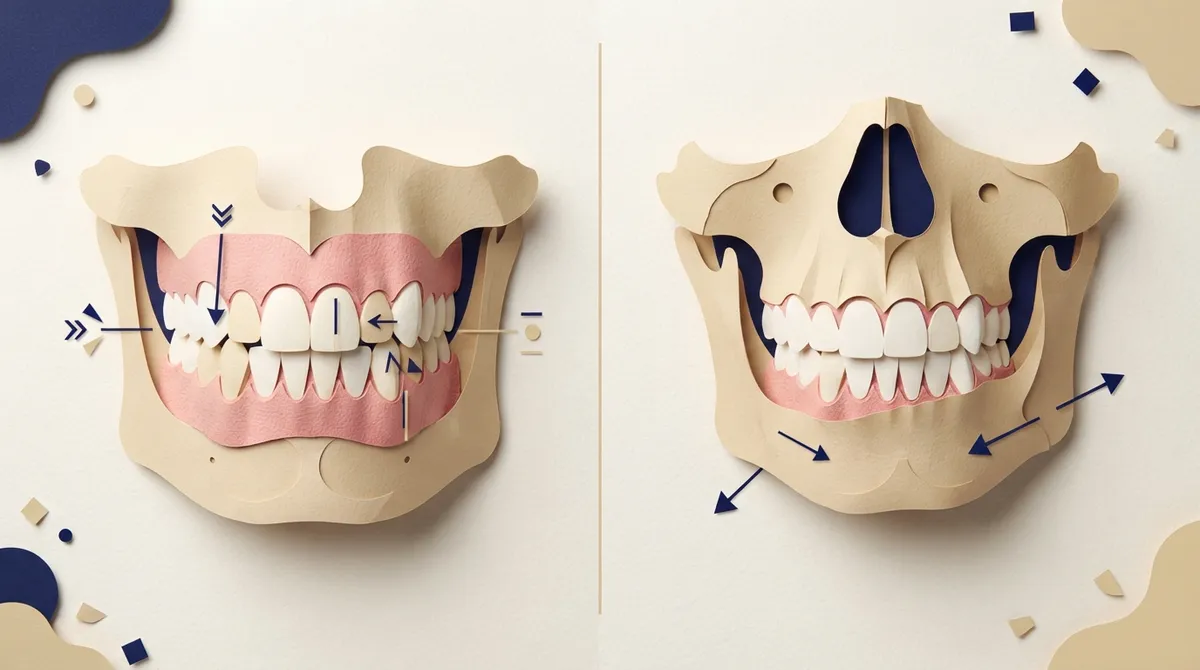
A dental crossbite happens because of how your teeth are positioned, not your jaw structure. Crowding, tipped teeth, or teeth that grew in at an odd angle can all cause this. The good news is that dental crossbites are usually easier to treat since your jawbone itself is normal.
Skeletal Crossbites
A skeletal crossbite is different. This happens when there’s an actual mismatch between the width or position of your upper and lower jaw. Because adult jaws have already finished growing, this type is trickier to correct. Traditional expanders that work well on kids often can’t create the same changes in adult bone.
Here’s a quick table to help you understand the differences:
| Feature | Dental Crossbite | Skeletal Crossbite |
|---|---|---|
| Main Cause | Tooth position, crowding, tipping | Jaw width or position mismatch |
| Common Treatment | Braces or clear aligners | Bone-borne expansion or surgery |
| Typical Timeline | 6 to 18 months | 18 to 30 months |
| Jaw Growth Needed? | No | Often limited in adults |
Treatment Options for Adult Crossbites
Once your orthodontist knows what type of crossbite you have, they’ll recommend a treatment path. Here are the most common options adults consider today.
1. Traditional Braces
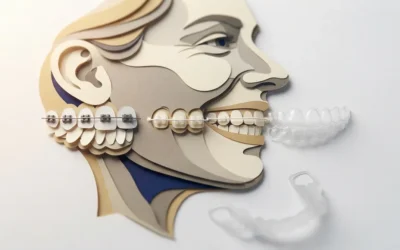
Braces remain one of the most reliable ways to correct dental crossbites. They give your orthodontist precise control over tooth movement, which matters a lot when correcting a bite issue. Our braces treatment options include metal and ceramic choices, so you can pick what fits your lifestyle and comfort level.
2. Clear Aligners
Many adults prefer a more discreet option, and clear aligners can often correct mild to moderate crossbites. Attachments, elastics, or other add-ons may be used to guide your teeth into the right position. At Brockway Orthodontics, our Spark™ Clear Aligners offer an affordable, nearly invisible way to treat many crossbite cases without anyone noticing you’re in treatment.
3. Interarch Appliances or Elastics
Sometimes braces or aligners alone aren’t enough. Your orthodontist might add rubber bands or small appliances that help guide your jaw and teeth into better alignment over time.
4. Bone-Borne or Surgical Expansion
For true skeletal crossbites, adult bone often can’t be moved the same way a child’s growing bone can. In these cases, your orthodontist may recommend surgically assisted rapid palatal expansion or working with an oral surgeon for more advanced correction.
5. Orthognathic Jaw Surgery
This is reserved for severe skeletal discrepancies. It’s not the first option for most adults, but it can be life-changing for people with significant jaw misalignment that’s affecting their bite, breathing, or facial symmetry.
How Adult Crossbite Treatment Works, Step by Step
Wondering what your treatment journey might look like? Here’s a general outline of the process:
- Comprehensive Exam: Your orthodontist checks your bite, jaw joints, and gum health.
- Diagnostic Records: This includes photos, digital scans, and X-rays to see what’s happening beneath the surface.
- Diagnosis: Your provider determines if your crossbite is dental, skeletal, or a mix of both.
- Treatment Planning: A custom plan is built around your specific bite pattern and goals.
- Active Treatment: You wear braces or aligners, often with elastics or added appliances.
- Monitoring Visits: Regular checkups make sure your bite is shifting properly.
- Retention Phase: Once treatment ends, retainers help keep your new bite stable long term.
Every step matters, but that last one is often overlooked. Adult teeth can shift back if retainers aren’t worn as directed, so don’t skip this part of your plan. Our retainer options are designed to fit comfortably into your routine.
Why Adults Shouldn’t Ignore a Crossbite
Some crossbites don’t cause any noticeable symptoms, so it’s tempting to leave things alone. But over time, an untreated crossbite can lead to a few real problems:
- Uneven or accelerated tooth wear
- Gum recession or bone loss around affected teeth
- Difficulty chewing properly
- Teeth shifting out of position
- Jaw discomfort or a shifted bite pattern
A 2025 meta-analysis found that jaw joint discomfort, known as TMD, was reported in 59% of people with posterior unilateral crossbite and 30% with posterior crossbite overall. This doesn’t mean crossbite always causes jaw pain, but it does show a strong connection worth taking seriously. If you’ve been dealing with jaw clicking, soreness, or headaches, it may be time for an exam.
Is Age Ever a Barrier to Treatment?
This is one of the most common questions we hear at our Clearwater office. The short answer: age alone rarely stops someone from getting treatment. What matters more is the health of your teeth, gums, and jawbone.
Before starting treatment, your orthodontist will want to make sure you don’t have:
- Active periodontal disease
- Untreated cavities
- Poor oral hygiene habits
- Significant bone loss around your teeth
If any of these issues show up, they’re usually treated first, or alongside your orthodontic care. This keeps your results safe and long-lasting. According to the American Dental Association, healthy gums and teeth are essential groundwork for any successful orthodontic treatment, regardless of your age.
What to Expect at Your First Visit
Nervous about your first appointment? Don’t be. Our team makes sure you understand every step before we move forward. During your first visit, we’ll typically:
- Take digital scans instead of messy molds
- Capture photos and X-rays of your bite
- Review your dental and health history
- Discuss your goals and concerns
- Walk you through possible treatment options
- Give you a clear cost and timeline estimate
You can learn more about what happens during this process by checking out our first visit guide. We also welcome you to explore our full orthodontic services to see everything we offer beyond crossbite correction.
How Long Does Treatment Typically Take?
Timelines vary quite a bit depending on your specific bite issue. Here’s a general breakdown based on current data:
| Crossbite Type | Typical Treatment Length | Common Approach |
|---|---|---|
| Mild dental crossbite | 6 to 12 months | Clear aligners or braces |
| Moderate dental crossbite | 12 to 18 months | Braces with elastics |
| Skeletal crossbite (non-surgical) | 18 to 24 months | Bone-borne expansion plus braces |
| Skeletal crossbite (surgical) | 18 to 30 months | Combined surgical and orthodontic care |
Keep in mind these are general ranges. Your actual timeline depends on your diagnosis, how your teeth respond, and how consistently you follow your treatment plan.
Cost and Insurance Considerations
Adults often ask how much crossbite treatment will cost and whether insurance helps. The answer depends on your specific case, the type of appliance used, and your insurance plan’s orthodontic coverage. Many dental insurance plans offer partial coverage for orthodontic treatment, even for adults.
At Brockway Orthodontics, our team works closely with you to explain your options. We also offer flexible financing and insurance solutions to help make treatment fit your budget. Don’t let cost concerns keep you from getting the care you need. A quick conversation with our team can clear up a lot of confusion.
Why Choose Brockway Orthodontics for Adult Crossbite Care
Dr. Brockway has spent years helping adults throughout Clearwater feel confident in their smiles again. She takes time to explain your diagnosis in plain language, so you always know what’s happening and why. Our office also uses modern tools like digital scans and 3D imaging, which means more accurate treatment planning and a more comfortable experience overall.
We treat patients of every age, from kids getting their first checkup to adults tackling long-term bite issues. If you want to see what other patients say about their experience, you can visit us on Google — Brockway Orthodontics to read real reviews from our community. You can also connect with us on Facebook or follow along on Instagram for smile transformations and helpful tips.
For more general guidance on orthodontic care standards, the Florida Association of Orthodontists offers helpful resources for patients exploring their treatment options across the state.
Signs You Should Book a Consultation Soon
Not sure if it’s time to get checked out? Consider scheduling a visit if you notice any of the following:
- Your bite feels uneven or your jaw shifts when you chew
- You see uneven wear on certain teeth
- Your gums are receding around specific teeth
- You experience jaw pain, clicking, or tension headaches
- You’ve always felt self-conscious about your bite
Even if you’re not sure your crossbite needs treatment, getting an exam is the only way to know for sure. Many adults are surprised to learn how simple their correction process can be. We also have detailed information on adult orthodontic treatment if you want to explore your options before committing to a visit.
Ready to Get Started?
A crossbite doesn’t have to be something you just live with. Whether your case is simple or more complex, there’s a path forward that fits your life and your goals. Our team at Brockway Orthodontics is here to guide you every step of the way, from your first exam to your final retainer check.
If you’re ready to talk about your options, we’d love to meet you. Book appointment online today and take the first step toward a more comfortable, confident bite. Have questions first? Feel free to contact us and our friendly Clearwater team will help however we can.
FAQs
Q: Can crossbite be fixed in adults without surgery?
A: Yes, many adults can fix a crossbite without surgery, especially if it’s a dental crossbite rather than a skeletal one. Braces and clear aligners handle most mild to moderate cases beautifully. Surgery is really only needed for significant jaw width mismatches, so don’t assume the worst before your exam.
Q: What is the best treatment for an adult posterior crossbite?
A: It really depends on whether the crossbite comes from tooth position or jaw structure. Braces or clear aligners work great for dental cases, while skeletal cases might need bone-borne expansion or a surgical approach. Your orthodontist will figure out the right path after a full exam.
Q: Are clear aligners effective for adult crossbite correction?
A: Clear aligners can be very effective for mild to moderate crossbites, especially with attachments or elastics added to the plan. They’re a popular choice for adults who want a more discreet treatment option. Our Spark™ Clear Aligners are a great example of this modern, comfortable approach.
Q: How long does crossbite treatment take for adults?
A: Treatment length depends on your specific case, but dental crossbites often take 6 to 18 months. More complex skeletal cases involving expansion or surgery can take 18 to 30 months. Your orthodontist will give you a personalized timeline after reviewing your diagnostic records.
Q: How much does adult crossbite treatment cost, and will dental insurance cover it?
A: Costs vary based on the severity of your crossbite and the type of appliance needed. Many dental insurance plans offer partial coverage for adult orthodontic treatment, so it’s worth checking your benefits. Our team is happy to walk you through financing and insurance options that fit your budget.
Our Service Area