Key Takeaways
-
Crossbites are treatable and common, affecting 7.8-12.2% of children and adolescents; the first step is finding an orthodontist to diagnose whether the problem is dental, skeletal, or functional, as each requires a different treatment plan.
-
Orthodontists should evaluate crossbites by age 7 because catching jaw-width problems while bones are still growing makes correction easier; expansion appliances increased intermolar distance by 3.30mm and were more effective than observation alone.
-
Treatment options vary by age: children often benefit from expansion plates or fixed expanders, teens can use braces or clear aligners if growth is ongoing, and adults can usually fix dental crossbites with braces or aligners without surgery.
-
Clear aligners work well for mild, mostly dental crossbites, but larger or skeletal crossbites need braces or expansion devices; braces provide stronger control over complex tooth movements.
-
Many crossbites do not self-correct and can affect jaw growth or tooth wear; skipping proper retainer use after treatment is a common reason smiles shift back, making retention essential to maintaining results.
-
A comprehensive first consultation should include a bite exam, jaw movement assessment, digital records or X-rays, diagnosis of crossbite type, and discussion of treatment options, timing, and costs to create a personalized plan.
If you have ever looked in the mirror and noticed that some of your upper teeth sit behind your lower teeth, you are not alone. That is called a crossbite, and it is more common than most people think. A 2022 systematic review of children and adolescents found average prevalence estimates of about 7.8% for anterior crossbite, 9.0% for posterior crossbite, and 12.2% for crossbite with a functional shift. Those are pooled averages, so your own situation may look different, but they show how many families are asking the same question you are.
The good news? Crossbites are very treatable. The first step is finding an orthodontist for crossbite care who can figure out what is really going on. Is it just a tooth that is out of place? Is the jaw too narrow? Or does your lower jaw slide to one side when you bite down? Each answer leads to a different plan.
In this friendly guide, we will walk through what a crossbite is, how an orthodontist sorts out the cause, which treatments work for kids, teens, and adults, and what to ask at your first visit. Grab a cup of coffee and let’s get started!
What Exactly Is a Crossbite?
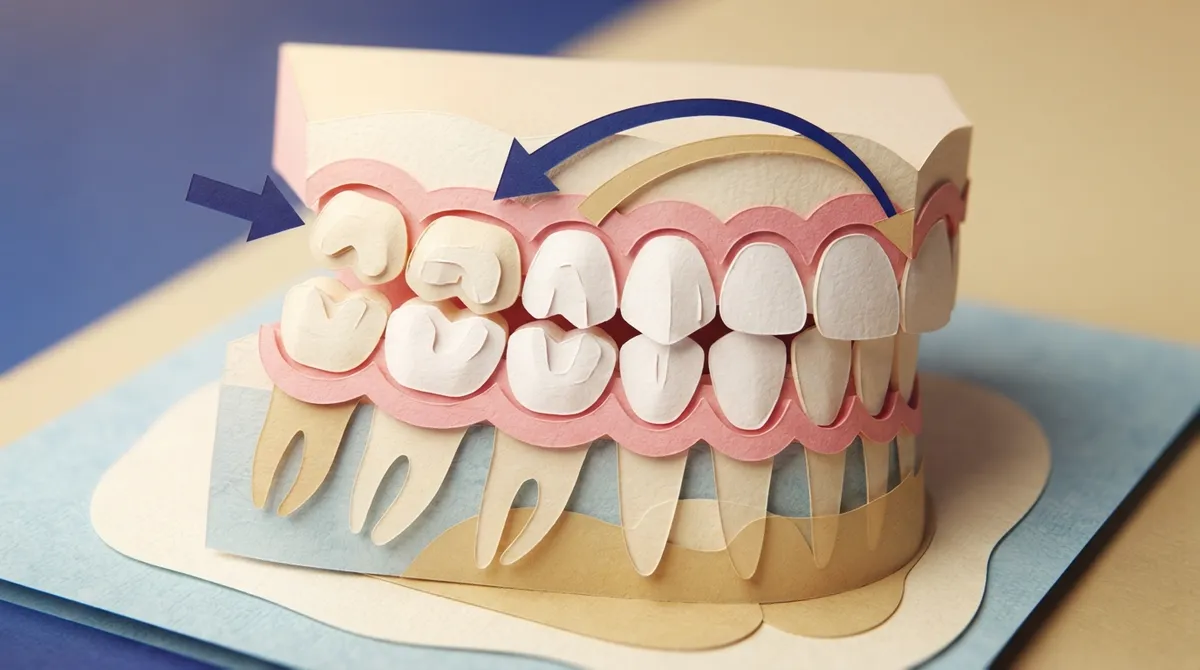
A crossbite happens when one or more upper teeth bite inside, or behind, the matching lower teeth. In a healthy bite, the upper teeth fit slightly over the lower ones, like the lid on a box. With a crossbite, that fit is flipped for some teeth.
It can show up in a few different ways:
- Anterior crossbite: One or more upper front teeth sit behind the lower front teeth.
- Posterior crossbite: Upper back teeth bite inside the lower back teeth, on one side or both.
- Single-tooth crossbite: Just one tooth is out of place.
- Multiple-tooth crossbite: Several teeth are involved, often because the upper jaw is narrow.
Some people barely notice a crossbite. Others feel their bite is off, notice uneven wear on their teeth, or feel their jaw slide to one side when they close their mouth. Either way, it is worth having a specialist take a look.
Why See an Orthodontist for Crossbite Instead of Waiting?
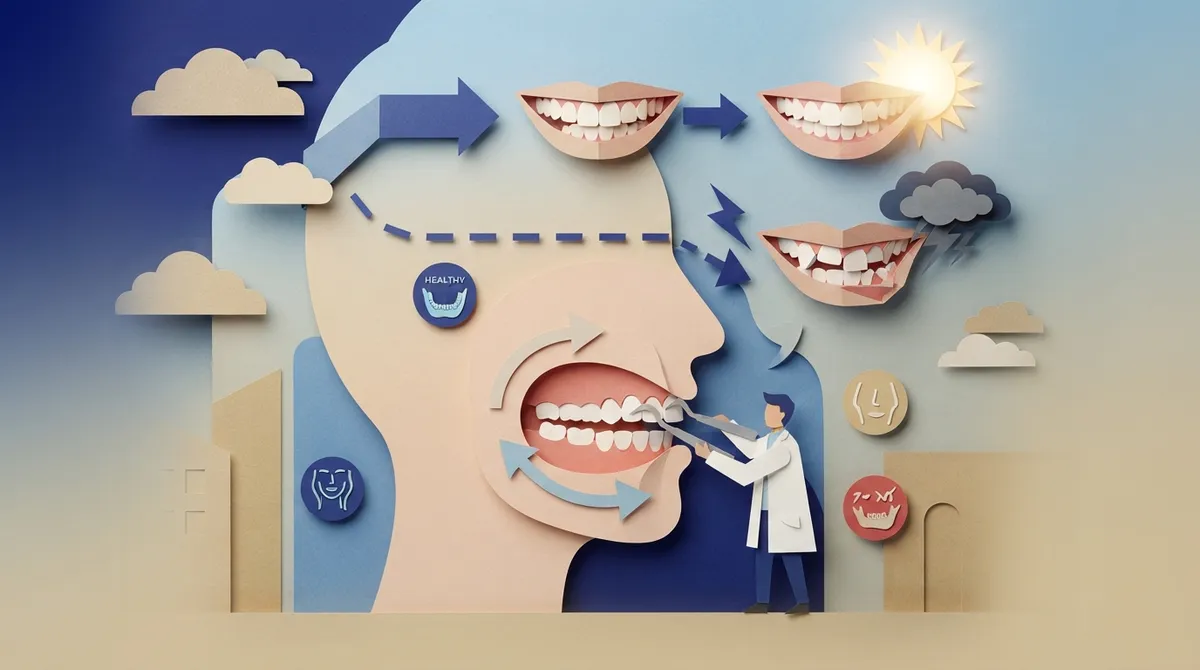
You might wonder if a crossbite can just fix itself. Sometimes a tiny tooth-position issue is simply watched over time. But many crossbites do not self-correct, and some can affect how the jaw grows or how the teeth wear down. That is why having an orthodontist evaluate the bite matters.
Orthodontists are dental specialists who spend extra years training in tooth movement and jaw growth. If you are curious about how that differs from a general dentist, our guide on orthodontist vs. dentist breaks it down in simple terms.
Here is what a specialist looks at:
- Which teeth are affected and how many.
- The cause: dental, skeletal, or functional.
- Your growth stage: a growing child has options an adult may not.
- How your jaw moves when you bite down.
That careful sorting is what makes a plan personal instead of one-size-fits-all.
How Do Orthodontists Tell Dental, Skeletal, and Functional Crossbites Apart?
This is the heart of a good diagnosis. Two people can both have a crossbite, yet need totally different care. Here is a simple way to think about the three main types.
| Type | What It Means | Common Clues |
|---|---|---|
| Dental | Teeth are tilted or positioned wrongly, but the jaw width is fine | Usually one tooth or a few teeth; jaws look balanced |
| Skeletal | The upper jaw is too narrow, or the jaws do not line up well | Multiple teeth involved; narrow upper arch |
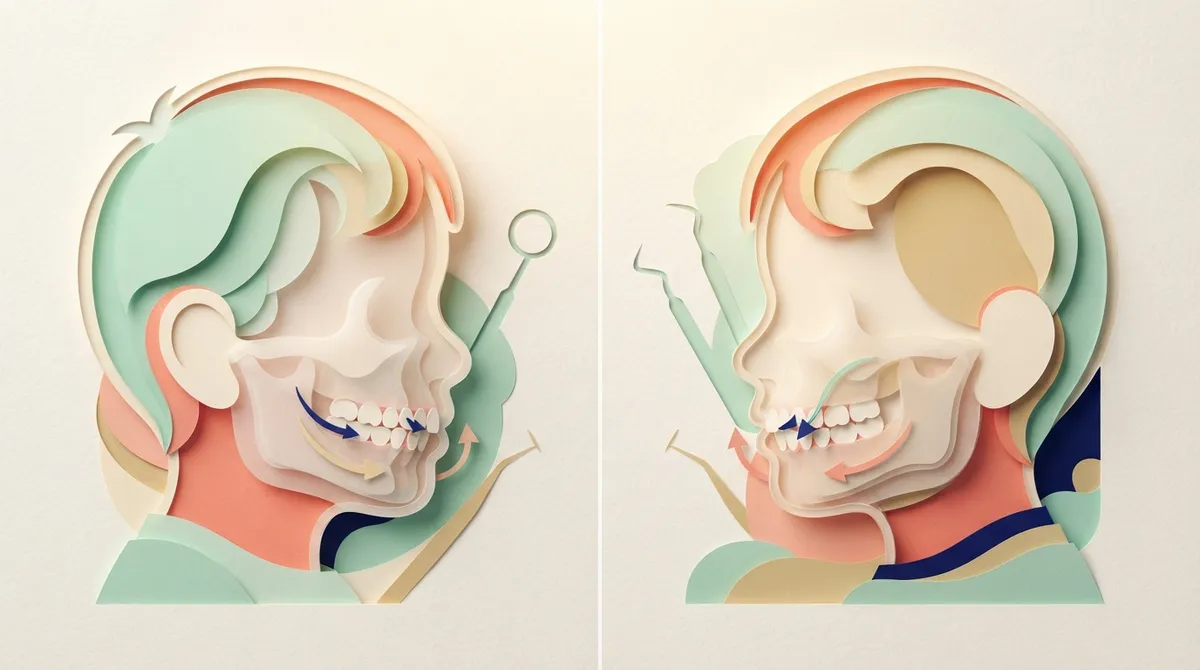
| Functional | The lower jaw shifts to one side to find a comfortable bite | Jaw slides when closing; midline looks off |
During an exam, the orthodontist will look at your bite, watch how your jaw closes, and review records such as photos or digital scans. X-rays are taken when they are clinically needed. Together, these tools show whether the problem lives in the teeth, the jaw bone, or the way the jaw moves.
At Brockway Orthodontics, Dr. Brockway uses modern tools like digital impressions and 3D imaging, so you get a clear picture without messy molds. If you want to know what to expect at that first appointment, peek at Your First Visit.
When Should a Child See an Orthodontist for a Crossbite?
Parents often ask us this one. The American Association of Orthodontists recommends an initial check-up by age 7. Please note this is an evaluation recommendation, not a rule that every child needs treatment at that age. Some kids are simply monitored, while others benefit from early care.
Why age 7? By then, enough permanent teeth have come in for an orthodontist to spot bite problems and see how the jaws are growing. If a child has a narrow upper jaw, catching it while the bones are still growing can make correction easier.
You can learn more about timing in our posts on early treatment and when your child should first see an orthodontist.
Signs a parent might notice include:
- The lower jaw seems to shift to one side when biting
- Upper teeth sit behind the lower teeth
- A narrow-looking upper arch
- Uneven wear on baby or permanent teeth
What Are the Best Crossbite Treatments for Children?
For growing kids with a posterior crossbite, treatment often focuses on gently widening the upper jaw. A Cochrane review looking at treatments for posterior crossbite in children found that expansion approaches worked better than simply watching and waiting.
Expansion Plates and Fixed Expanders
Common appliances include a removable expansion plate, a quad-helix, or a palatal expander. The research showed some encouraging numbers:
- Expansion plates increased the final intermolar distance by an average of 3.30 mm compared with observation (3 studies, 145 participants).
- The quad-helix was more likely than expansion plates to correct the crossbite (relative risk 1.29; 3 studies, 151 participants).
These results come from the specific trials in the review, so they are not a promise for any one child. Still, they show why orthodontists often turn to these tools. Curious about how widening works? Our palatal expander guide explains it in a friendly way.
Braces for Children With a Dental Crossbite
If the issue is mostly a tooth sitting in the wrong spot, limited braces on a few teeth may do the trick. Our guide to the best braces for kids can help parents compare options.
How Do Teens Get Crossbite Treatment?
Teens are often thrilled to hear they have options that fit their busy, social lives. Treatment for a teen crossbite can include full braces, expansion appliances if growth is still happening, or Spark™ Clear Aligners in selected cases.
Here is a quick comparison to help you think it through:
| Option | Best For | Good to Know |
|---|---|---|
| Metal or ceramic braces | Most crossbites, including bigger or more complex ones | Very versatile; ceramic braces blend in more |
| Expansion appliance + braces | Narrow upper jaw in a growing teen | Widens the arch before or alongside braces |
| Clear aligners | Mild, mostly dental crossbites | Not right for every crossbite |
Not sure whether braces or aligners suit your teen? Take a look at braces vs. clear aligners for kids and our page on adolescent treatment.
Can Adults Fix a Crossbite Without Jaw Surgery?
Great news for grown-ups: yes, in many cases! Dental crossbites in adults can often be treated with braces or selected clear aligner plans. Age is rarely a barrier. If you have wondered about it, our post on whether you are too old for braces may bring a smile.
The picture changes when a large skeletal problem is involved. Once the jaw bones stop growing, a substantial jaw-width difference may need a specialist assessment for surgically assisted expansion or orthognathic surgery alongside orthodontics. That path is not needed for everyone, and the right plan depends on your individual diagnosis.
For working professionals, discreet choices matter. You can explore adult treatment options, or read about whether adults can really fix a crossbite without surgery for a deeper dive.
Can Clear Aligners or Braces Fix a Crossbite?
Both can help, but neither is a magic fit for every case. Here is the honest breakdown:
- Braces: Handle a wide range of crossbites, including bigger or more complex ones. They give the orthodontist strong control over tooth movement.
- Clear aligners: Work well for many mild, mostly dental crossbites. Larger or skeletal discrepancies may need fixed appliances, expansion devices, or a combined approach.
Brockway Orthodontics offers Spark™ Clear Aligners, an affordable clear option, along with metal braces and ceramic (clear) braces. That means your treatment can be matched to your bite, not the other way around. To weigh your choices, our clear aligners vs. braces comparison is a handy read.
What About Retreatment After Relapse?
If you had braces years ago and your bite has shifted, you are in good company. Teeth can drift when retainers are not worn as directed. A fresh evaluation can tell whether the crossbite has returned or if it was never fully corrected. Many adults successfully retreat their teeth and, this time, protect results with proper retainers.
What Happens at a Crossbite Consultation?
Walking into an orthodontic office for the first time can feel a little nerve-racking, so let’s take the mystery out of it. A typical consultation looks like this:
- A friendly chat about your concerns, goals, and health history.
- A bite and jaw exam, including how your jaw moves when you close.
- Records, such as photographs or digital scans, plus X-rays when clinically indicated.
- A diagnosis explaining whether the crossbite is dental, skeletal, or functional.
- A treatment discussion covering options, timing, and costs.
Our orthodontic consultation guide walks through this in more detail.
Smart Questions to Ask
- What type of crossbite do I (or my child) have, and what is causing it?
- What are my treatment options, and what are the alternatives?
- How long will treatment likely take?
- What will retention look like afterward?
- What are the costs, risks, and payment options?
Treatment and timing are always individualized, so a good orthodontist will welcome these questions. If cost is on your mind, see our pages on financing and insurance.
How Long Does Crossbite Treatment Take, and What Comes After?
There is no single timeline. A simple single-tooth crossbite may correct fairly quickly, while a case needing expansion followed by braces takes longer. Growth stage, severity, and how well you follow instructions all play a part. For a general sense of timing, see how long braces take to work.
After the active phase, retention is the key to keeping your results. Teeth love to drift back toward where they started, so wearing your retainer as directed protects the work you put in. Skipping this step is one of the most common reasons smiles shift again.
Why Choose Brockway Orthodontics for Crossbite Care?
We like to say that families are what we celebrate. Dr. Brockway is more than a trained specialist; she truly listens to your concerns and takes time to explain each step in plain, friendly language. Our approach includes:
- Treatment for every age, from kids to teens to adults
- Modern tools like digital impressions and 3D imaging
- Braces, ceramic braces, and Spark™ Clear Aligners under one roof
- Same-day treatments in certain cases for busy families
- A warm, welcoming office where you feel at ease
Curious about the practice? Take a peek at our office, and you can even visit us on Google — Brockway Orthodontics to see what neighbors in Clearwater, Florida have to say. For professional standards in the field, the Florida Association of Orthodontists is a helpful resource, and the American Dental Association offers general oral health guidance.
Ready to Fix Your Crossbite?
A crossbite does not have to be something you live with. With the right diagnosis, the right timing, and a caring orthodontist in your corner, most crossbites can be corrected so your bite feels comfortable and your smile feels like yours.
Whether you are a parent wondering about your seven-year-old, a teen eager for a confident grin, or an adult ready for a change, we would love to help. Book your free consultation online and let’s figure out your best path together, or simply contact us with any questions. Your best smile is closer than you think!
FAQs
Q: What kind of orthodontist treats a crossbite?
A: Any licensed orthodontist can evaluate and treat a crossbite. At Brockway Orthodontics, Dr. Brockway looks at whether the problem is dental, skeletal, or functional, then builds a plan that fits your age and needs.
Q: Can a crossbite correct itself?
A: Sometimes a very minor tooth-position issue is simply monitored, but many crossbites do not fix themselves. An orthodontist can tell you whether yours needs treatment or just a watchful eye.
Q: Can clear aligners fix a crossbite?
A: Clear aligners can help with many mild, mostly dental crossbites. Larger or skeletal crossbites may need braces, an expander, or a combined approach, so an exam is the best way to know.
Q: When should my child see an orthodontist for a crossbite?
A: The American Association of Orthodontists recommends an initial check-up by age 7. That visit is for evaluation, and your orthodontist will tell you whether to treat now or simply keep an eye on growth.
Q: Can adults get crossbite treatment without surgery?
A: Often, yes! Many adult crossbites that are mainly dental can be treated with braces or selected aligner plans. A large skeletal jaw difference may need a specialist assessment, so your individual diagnosis guides the plan.
Our Service Area