Key Takeaways
-
Ceramic brackets chip more easily than metal brackets, especially on lower and back teeth; a mixed approach using ceramic on upper front teeth and metal on lower teeth provides optimal strength and aesthetics.
-
Both ceramic and metal braces move teeth at nearly identical rates (0.66mm vs 0.64mm per month), so bracket material doesn't affect treatment speed; success depends on consistent care and attendance.
-
Ceramic braces cost $1,000 to $2,000 more than metal braces in most markets, making metal the more budget-friendly option while offering comparable effectiveness for most cases.
-
Ceramic brackets blend in with teeth for a discreet appearance, making them popular with teens and professionals, but the elastic ties can stain from food and drinks.
-
Metal braces are more durable and suitable for complex bite problems and active lifestyles, while ceramic braces work best for mild to moderate cases focused on front teeth visibility.
-
Oral hygiene habits matter more than bracket material; both types trap plaque equally, requiring rigorous brushing, flossing, and regular dental checkups to prevent cavities and gum problems.
Standing in front of the mirror, picturing your future smile, is exciting. But if you have narrowed your choice down to braces, you might be stuck on one big question: ceramic or metal? Both options can give you the straight, healthy smile you want. The real answer depends on your lifestyle, your budget, and what feels right for you. Grab a cup of coffee and let’s walk through this together, just like we would in a friendly chat at our Clearwater office.
At Brockway Orthodontics, we help patients of every age pick the right treatment for their unique smile. Dr. Brockway and her team believe you deserve clear, simple answers before you commit to any treatment. So let’s break down ceramic vs metal braces in plain language, using real facts, so you can walk into your consultation feeling confident.
What Makes Ceramic and Metal Braces Different?
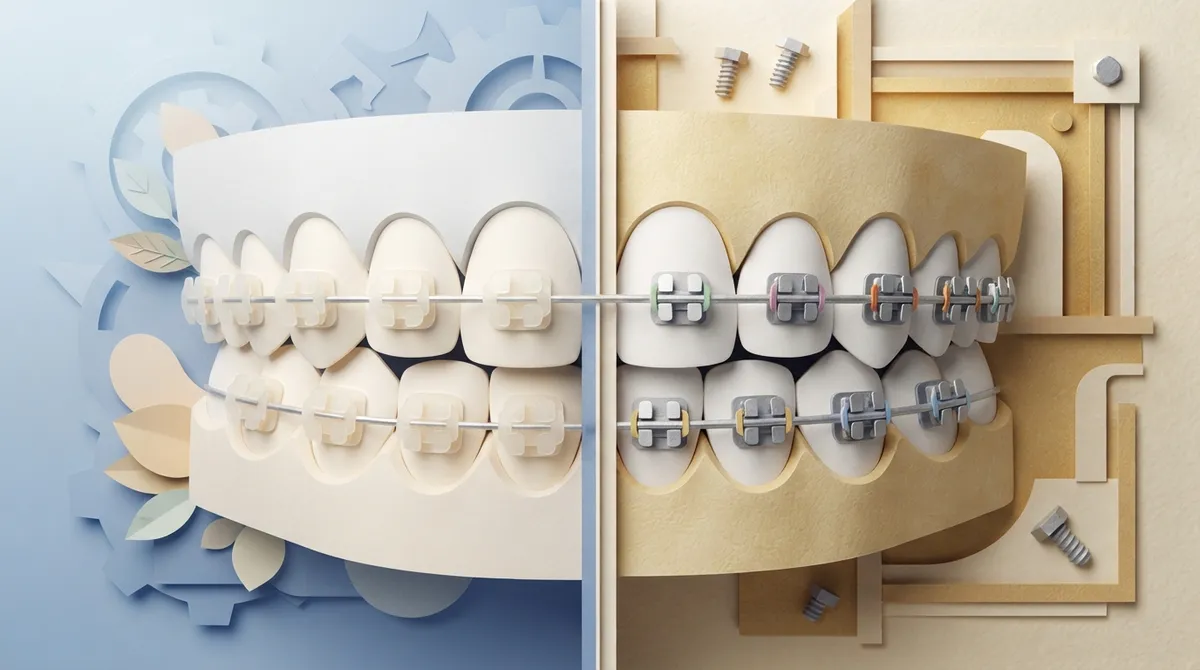
Both ceramic and metal braces work the same basic way. Small brackets get bonded to your teeth. A thin wire connects the brackets and gently guides your teeth into place over time. The mechanics are identical. The real difference comes down to the material used to make the brackets.
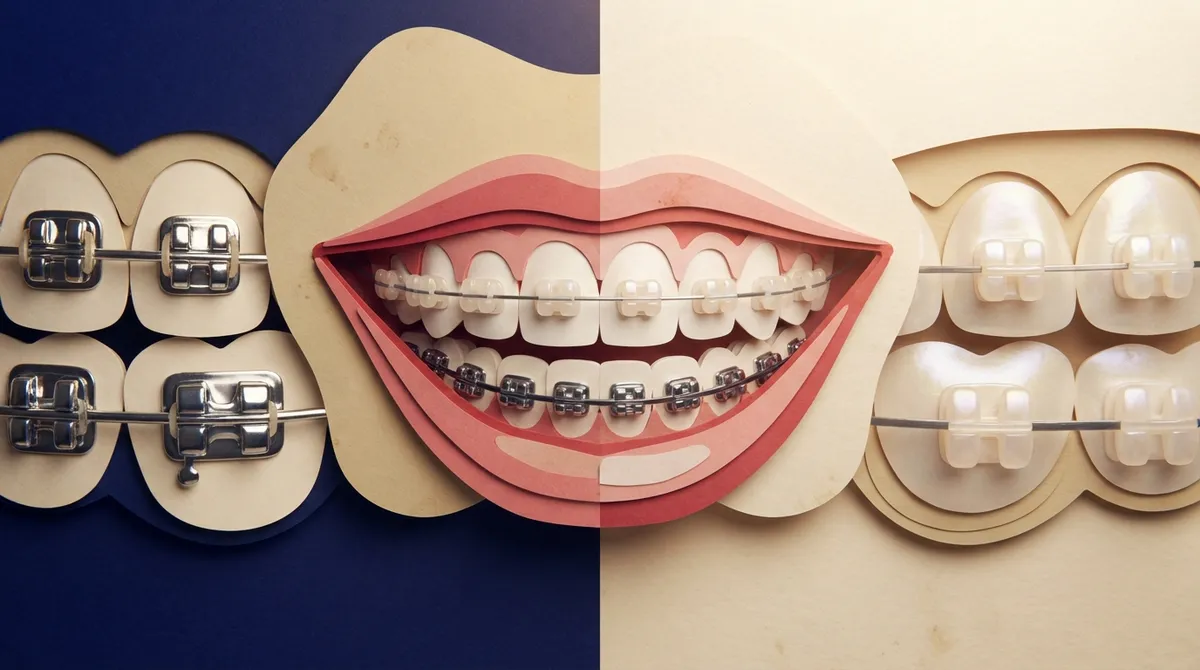
Metal brackets are made from stainless steel. They are strong, reliable, and have been used successfully for decades. Ceramic brackets are made from a tooth-colored or clear material called alumina. This makes them blend in with your natural teeth, which is why so many teens and adults love them for a more subtle look.
How Metal Braces Work
Metal braces are the classic option most people picture when they think of orthodontic treatment. They are:
- Made from durable stainless steel brackets and wires
- Able to handle strong biting forces without breaking
- Usually the more budget-friendly choice
- Suitable for almost any case, including complex bite problems
How Ceramic Braces Work
Ceramic braces use the same wire system, but the brackets are tooth-colored or clear. This makes them much less noticeable. Many patients choose ceramic braces in Clearwater because they want effective treatment without a mouth full of metal.
Comparing Ceramic and Metal Braces Side by Side
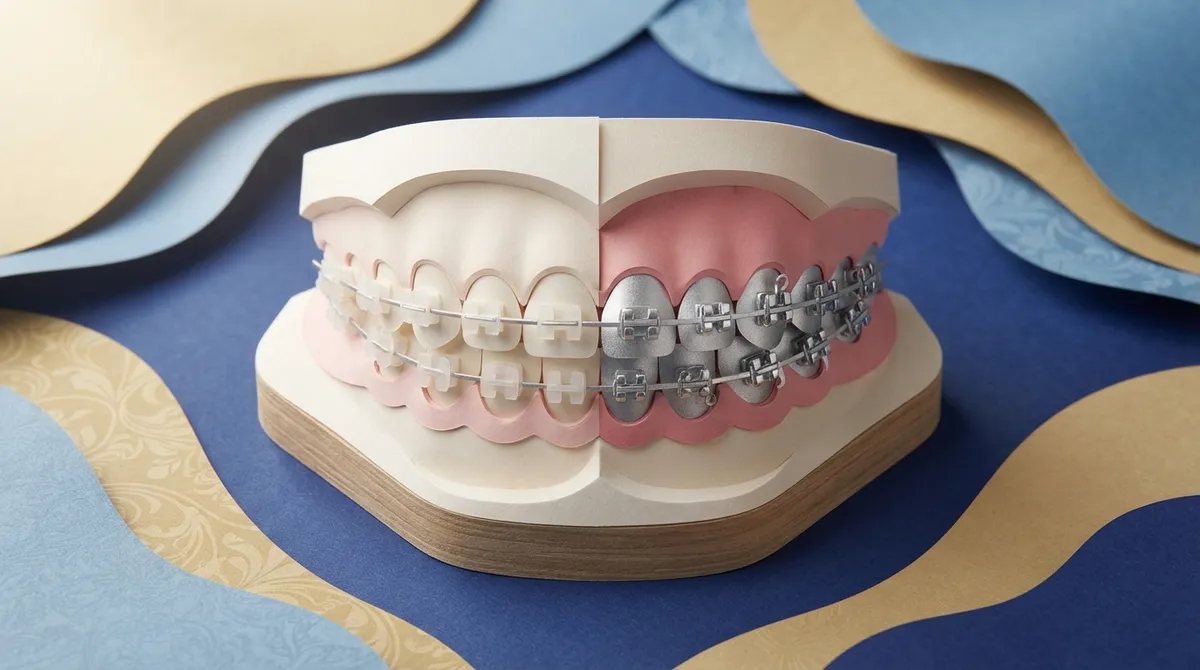
Sometimes it helps to see the facts laid out clearly. Here is a simple comparison based on what matters most to patients.
| Feature | Metal Braces | Ceramic Braces |
|---|---|---|
| Visibility | Noticeable | Blends with teeth |
| Durability | Very strong, low failure rate | More prone to chipping or breaking |
| Cost | Generally lower | Often $1,000 to $2,000 more |
| Best for | Nearly all cases, including complex bites | Mild to moderate cases, front teeth focus |
| Staining risk | None (metal does not stain) | Elastics can stain from food and drinks |
| Treatment time | Similar to ceramic | Similar to metal |
Notice that treatment time is listed as similar for both. This matches what research shows. A systematic review found tooth movement rates of about 0.66 mm per month for ceramic brackets and 0.64 mm per month for metal brackets. That is basically the same speed. Bracket material alone will not make your treatment faster or slower.
Which Braces Are Better for Your Lifestyle?
There is no single “best” choice. It really depends on your daily life, your goals, and how you use your smile.
For Parents of Kids and Teens
If your child plays sports or is still growing, durability may be your top concern. Metal braces tend to hold up better under rough play and active lifestyles. However, many teens ask for ceramic braces because they feel more confident showing off their smile at school. Learn more about adolescent treatment options to see what fits your family best.
For Teenagers and Young Adults
Big events like prom, graduation, or starting college often push teens toward less visible options. Ceramic braces let you smile in photos without feeling self-conscious. Just remember that ceramic brackets can chip more easily, so extra care with hard or sticky foods matters.
For Adult Professionals
If you’re in meetings, client calls, or networking events, you might prefer a more discreet look. Ceramic braces are popular here too, though many working adults also explore Spark™ Clear Aligners as another nearly invisible option worth comparing.
For Orthodontic Relapse Patients
If your teeth have shifted after previous treatment, you already know the value of a straight smile. Choosing between ceramic and metal this time around may come down to how quickly you want treatment done and how much visibility bothers you. Either option can achieve excellent results when planned correctly.
For Health-Conscious Individuals
No matter which material you pick, oral hygiene is non-negotiable. Both bracket types can trap plaque, which raises the risk of cavities and gum problems. The American Dental Association recommends thorough brushing and flossing around all orthodontic appliances, regardless of the material.
Durability: Why Metal Braces Often Win
One area where metal braces clearly stand out is strength. Ceramic brackets, while attractive, are more brittle than stainless steel. A 2024 clinical study comparing bracket failures over 12 months found ceramic brackets failed significantly more often than metal brackets. This was especially true on lower teeth and back teeth, where biting forces are strongest.
This is why many orthodontists, including our team, often recommend a mixed approach:
- Ceramic brackets on the upper front teeth for a more discreet appearance
- Metal brackets on the lower teeth or back teeth, where strength matters most
- Regular check-ins to catch any loose or chipped brackets early
- Extra care with hard, crunchy, or sticky foods that could damage ceramic brackets
This combination gives you the best of both worlds: a subtle smile up front and reliable strength where you need it most.
Cost Differences You Should Know
Money matters, and it’s smart to plan ahead. Ceramic braces usually cost more than metal braces because the material is pricier and requires more careful handling. Some markets report ceramic braces costing $1,000 to $2,000 more than metal braces, though your exact price depends on your case and location.
The good news is that Brockway Orthodontics offers flexible financing and insurance options to make either choice more affordable. Our team will walk you through the numbers during your first visit so there are no surprises.
Will Ceramic or Metal Braces Fix My Bite Problem?
Here’s some reassuring news. A large review of 25 clinical trials involving over 1,300 patients found no strong evidence that one bracket material works better than the other for overall treatment success. Both can correct crowding, gaps, and bite issues when used correctly.
That said, ceramic brackets are usually better suited for mild to moderate cases. If you have severe crowding or a complex bite problem, your orthodontist may lean toward metal brackets, at least in certain areas of your mouth, to provide extra strength during tooth movement.
Caring for Your Braces, No Matter the Material
Good habits protect your investment and keep your treatment on track. Here are some simple tips that apply to both ceramic and metal braces:
- Brush after every meal to remove food particles around brackets
- Floss daily using a floss threader or water flosser for hard-to-reach spots
- Avoid hard foods like ice, nuts, and hard candy that can crack brackets
- Skip sticky foods like caramel and gum that can pull brackets loose
- Attend every adjustment visit, which usually happens every 4 to 12 weeks
- Wear a mouthguard during sports to protect your braces and teeth
The Florida Association of Orthodontists also recommends regular dental checkups during orthodontic treatment to catch any issues early, whether you have ceramic or metal brackets.
How Long Will Treatment Take?
Most patients wear braces for about 12 to 24 months, though this varies by case. Several factors affect your timeline more than bracket material does:
- How crowded or misaligned your teeth are at the start
- Whether you have a bite problem like an overbite or underbite
- Your age and how your jaw is still growing (for younger patients)
- How consistently you attend appointments and follow instructions
- Whether you wear rubber bands or other attachments as directed
Skipping appointments or ignoring care instructions can add months to your treatment, no matter which bracket type you choose. Staying consistent is truly the biggest factor in getting your braces off on schedule.
Why Choose Brockway Orthodontics for Your Treatment?
Dr. Brockway believes every patient deserves personalized care, not a one-size-fits-all plan. During your consultation, she will examine your teeth, discuss your goals, and help you weigh the pros and cons of ceramic vs metal braces based on your specific needs. We proudly serve families throughout Clearwater, Florida, and love building long-term relationships with our patients.
Our office uses modern technology like digital impressions and 3D imaging to plan your treatment with precision and comfort. We also offer same-day treatment starts in certain cases, so you don’t have to juggle multiple appointments just to get going. Curious what other patients think? You can visit us on Google — Brockway Orthodontics to read real reviews from our Clearwater community.
You can also explore our complete guide to braces or learn more about our full range of orthodontic services before your visit. We’re active on Facebook and Instagram too, where we share smile transformations and helpful tips.
Making Your Final Decision
At the end of the day, both ceramic and metal braces can give you a beautiful, healthy smile. Metal braces offer strength and savings. Ceramic braces offer a more discreet look with a slightly higher cost and a bit more care needed. The right choice depends on your budget, your daily habits, and how much visibility matters to you.
Ready to find out which option fits your smile goals? Our friendly team is here to answer every question with warmth and honesty. Book appointment online today and let’s start planning your journey to a confident new smile. If you’d rather talk it through first, feel free to contact us and our team will be happy to help.
FAQs
Q: Are ceramic braces as effective as metal braces?
A: Yes! Research shows both bracket types move teeth at almost the same rate, about 0.66 mm per month for ceramic versus 0.64 mm for metal. When your orthodontist plans and monitors treatment carefully, both can give you fantastic final results.
Q: Do ceramic braces break more easily than metal braces?
A: They can, yes. Ceramic brackets are more brittle than sturdy stainless steel, so they’re a bit more prone to chipping or breaking, especially on lower or back teeth. That’s why many patients pair ceramic on top with metal on the bottom for extra durability.
Q: Are ceramic braces more expensive than metal braces?
A: Generally, yes. Ceramic braces often cost $1,000 to $2,000 more than metal braces in many markets. The exact price depends on your case complexity and location, so it’s best to get a personalized quote during your consultation.
Q: Can I get ceramic braces on my upper teeth and metal braces on my lower teeth?
A: Absolutely, and it’s actually a popular choice! This combo gives you a more discreet smile up front while keeping strong, durable metal brackets where biting forces are highest. Your orthodontist can help decide if this setup works for your smile goals.
Q: Which braces are better for adults and teenagers?
A: It really comes down to personal preference and lifestyle. Teens often love ceramic braces for photos and social confidence, while some adults prioritize durability and lower cost with metal braces. Either way, you’re in good hands with a personalized treatment plan.
Our Service Area