
When considering orthodontic treatment, understanding the financial investment is just as important as choosing the right option for your smile. Clear aligners have revolutionized orthodontics by offering a discreet alternative to traditional braces, but many patients wonder whether the benefits justify the price difference. The cost of clear aligners typically ranges from $3,000 to $8,000, depending on the complexity of your case, treatment duration, and your location. This investment covers not only the aligners themselves but also comprehensive treatment planning, regular monitoring, and post-treatment retention. Understanding what influences these costs and how they compare to traditional braces can help you make an informed decision that balances your aesthetic preferences, lifestyle needs, and budget constraints.
Understanding Clear Aligner Pricing Factors
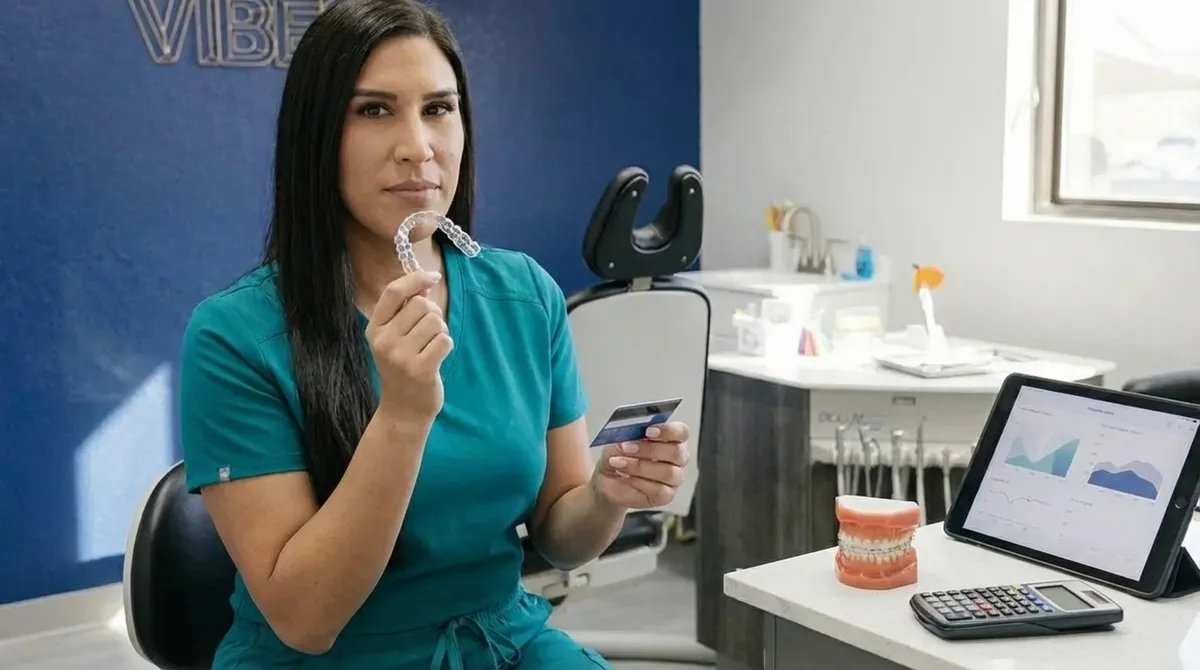
The cost of clear aligners varies significantly based on several key factors that determine the complexity and duration of your treatment. Your specific orthodontic needs play the primary role in pricing, with mild cases of crowding or spacing requiring fewer aligners and shorter treatment times than severe misalignment or bite issues. Treatment duration directly impacts cost, as longer cases requiring 18-24 months of aligner wear naturally cost more than simpler cases completed in 6-12 months.
Geographic location substantially affects pricing, with orthodontists in metropolitan areas typically charging more than those in rural communities due to overhead costs and market demands. The brand of clear aligners also influences the final price, with premium options like Spark™ Clear Aligners offering advanced materials and technology that may cost more than budget alternatives. Your orthodontist’s experience and expertise factor into pricing as well, as specialists with extensive training and proven results often command higher fees that reflect the quality of care and predictability of outcomes.
What’s Included in Clear Aligner Treatment Costs
When you receive a quote for clear aligner treatment, it’s essential to understand what’s bundled into that price. Comprehensive treatment typically includes the initial consultation and diagnostic records, which involve detailed photographs, X-rays, and digital scans or impressions of your teeth. These records allow your orthodontist to create a customized treatment plan using advanced 3D modeling technology that shows your projected results before you even begin.
The treatment cost also covers all necessary aligners throughout your case, typically delivered in sets that you change every 1-2 weeks as your teeth gradually shift into position. Regular monitoring appointments, usually scheduled every 6-8 weeks, are included so your orthodontist can track progress and make any necessary adjustments. Most practices also include refinement aligners if needed at the end of treatment to perfect your results, along with retainers to maintain your new smile. At Brockway Orthodontics, Dr. Brockway ensures patients understand exactly what their investment covers and provides transparent pricing from the start.
Clear Aligners vs. Traditional Braces: Cost Comparison
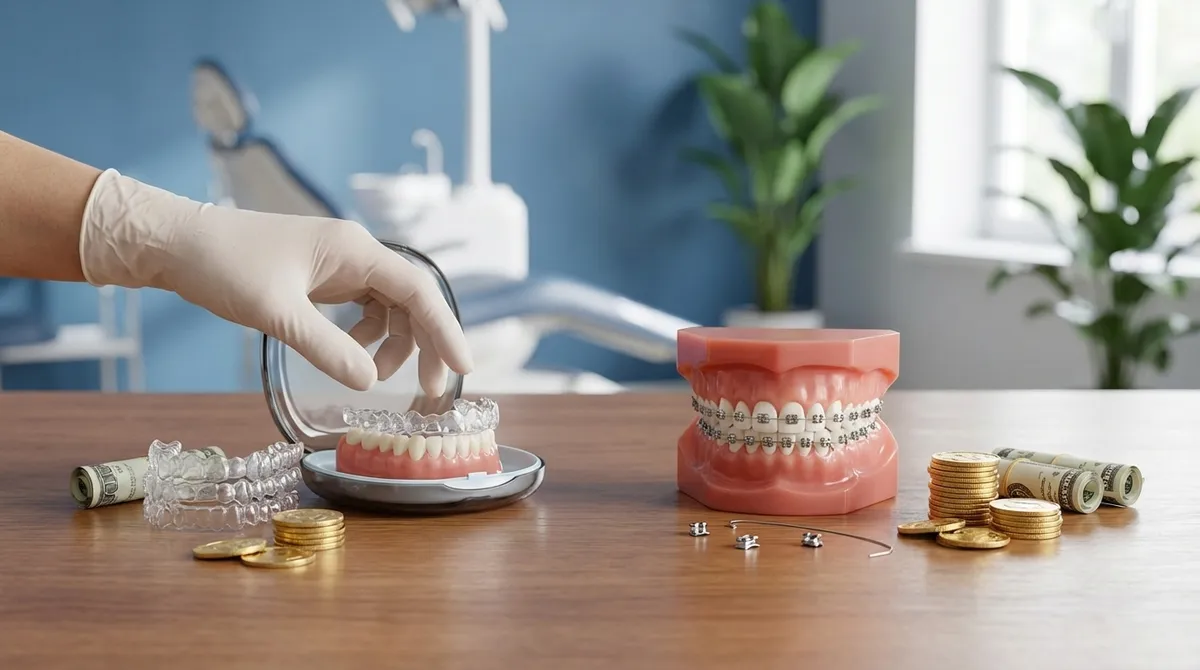
Comparing the costs between clear aligners and traditional braces requires looking beyond the initial price tag to understand the full value proposition. Traditional metal braces typically range from $3,000 to $7,000, placing them in a similar price range to clear aligners. However, the final cost depends on your specific orthodontic needs and the complexity of movement required to achieve your ideal smile.
|
Treatment Type |
Average Cost Range |
Treatment Duration |
Aesthetic Appeal |
Lifestyle Impact |
|---|---|---|---|---|
|
Clear Aligners |
$3,000 – $8,000 |
6-24 months |
Nearly invisible |
Removable, minimal restrictions |
|
Traditional Metal Braces |
$3,000 – $7,000 |
18-36 months |
Highly visible |
Fixed, dietary restrictions |
|
Ceramic Braces |
$4,000 – $8,000 |
18-36 months |
Less noticeable |
Fixed, dietary restrictions |
|
Lingual Braces |
$8,000 – $10,000 |
18-36 months |
Hidden behind teeth |
Fixed, speech adjustment period |
While the upfront costs may appear similar, clear aligners often provide additional value through fewer emergency appointments, no broken brackets or wires, and less time away from work or school for adjustments. The American Dental Association recognizes both treatment modalities as effective options, with the choice often coming down to personal preference and specific orthodontic needs rather than cost alone.
Hidden Costs to Consider
Beyond the quoted treatment price, both clear aligners and braces may involve additional expenses that impact your total investment. Replacement aligners, if lost or damaged, typically cost $100-$250 per set, making proper care essential. Emergency appointments for issues like broken brackets with traditional braces may incur additional fees, though many orthodontists include a certain number of repairs in the initial cost.
Teeth whitening after treatment is another consideration, as many patients want to enhance their newly straightened smile with professional whitening, adding $300-$600 to your total orthodontic investment. Retainers are crucial for maintaining results, and while initial retainers are often included, replacement retainers needed years later typically cost $200-$500 per set. Understanding these potential additional expenses helps you budget accurately for your complete orthodontic journey.
Insurance Coverage and Financial Options
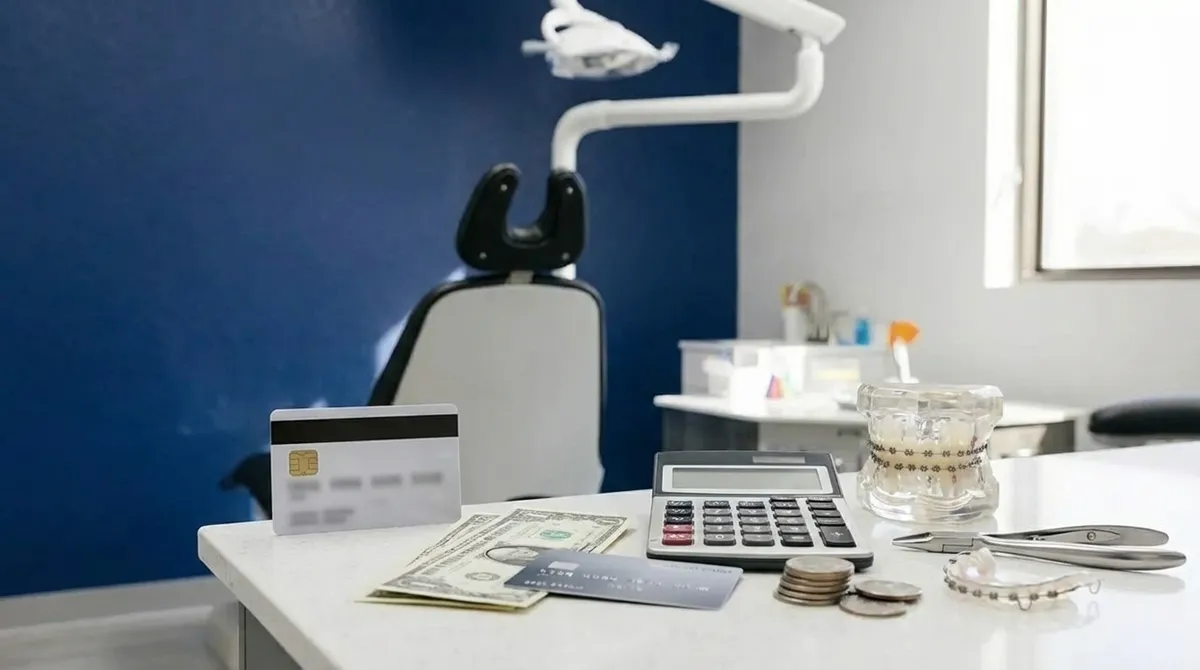
Dental insurance plans increasingly cover clear aligners similarly to traditional braces, recognizing them as legitimate orthodontic treatment rather than cosmetic procedures. Most orthodontic benefits provide coverage ranging from $1,000 to $3,000 lifetime maximum, regardless of whether you choose aligners or braces. The percentage covered typically ranges from 50% of the total cost, though this varies significantly by plan and provider.
Verifying your specific coverage before beginning treatment is essential, as some insurance plans have age restrictions, waiting periods, or pre-authorization requirements. Many orthodontic practices, including Brockway Orthodontics, have dedicated insurance coordinators who can verify your benefits and maximize your coverage to reduce out-of-pocket expenses. Understanding your insurance coverage helps you plan financially and avoid unexpected costs during treatment.
Payment Plans and Financing Solutions
Most orthodontic practices offer flexible payment options that make clear aligners accessible regardless of your financial situation. Interest-free in-house payment plans allow you to spread the cost over your treatment duration, with monthly payments typically ranging from $150 to $300 depending on the total cost and length of your plan. These arrangements often require little or no down payment, making it easier to begin treatment without significant upfront costs.
Third-party financing through companies like CareCredit, LendingClub, or Alphaeon Credit provides additional flexibility with extended repayment periods and various interest rate options. Some plans offer 0% APR promotional periods if you can pay off the balance within 12-24 months, while longer-term options provide manageable monthly payments at competitive interest rates. Health Savings Accounts (HSAs) and Flexible Spending Accounts (FSAs) can also be used for orthodontic treatment, allowing you to pay with pre-tax dollars and effectively reduce your cost by 20-30% depending on your tax bracket.
Are Clear Aligners Worth the Investment?
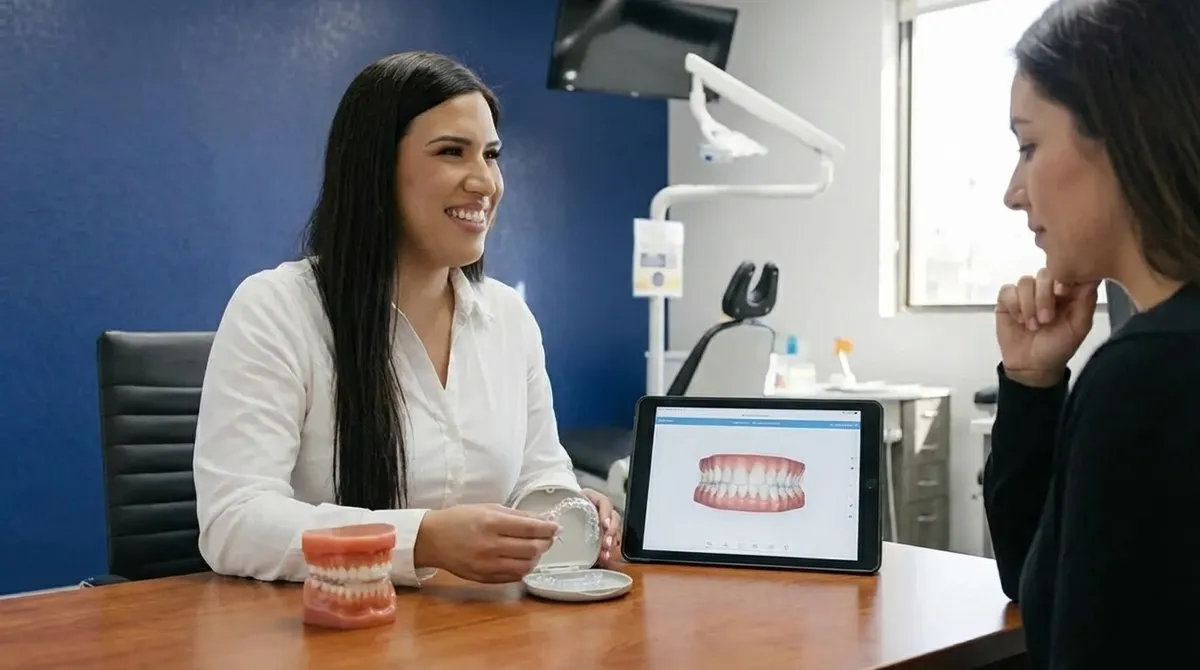
Determining whether clear aligners justify their cost requires evaluating both tangible and intangible benefits beyond the financial investment. The aesthetic advantage is undeniable, as clear aligners allow you to straighten your teeth without the self-consciousness many adults and teens experience with traditional braces. This discretion can be particularly valuable for professionals in client-facing roles, public speakers, or anyone who wants to improve their smile without drawing attention to orthodontic treatment.
The convenience factor significantly impacts quality of life during treatment, as removable aligners allow you to eat whatever you want without dietary restrictions and maintain your normal oral hygiene routine by simply removing the aligners to brush and floss. This ease of cleaning typically results in better oral health during treatment compared to fixed braces, where food particles and plaque can accumulate around brackets and wires. According to the Florida Association of Orthodontists, patient satisfaction rates with clear aligners remain consistently high due to these lifestyle benefits.
Long-Term Value and Health Benefits
Beyond aesthetics and convenience, orthodontic treatment provides significant long-term health benefits that justify the investment regardless of which method you choose. Properly aligned teeth are easier to clean, reducing your risk of cavities, gum disease, and eventual tooth loss that can cost thousands of dollars to address. Correcting bite issues prevents excessive wear on certain teeth, reducing the likelihood of fractures, chips, or the need for extensive restorative work later in life.
The psychological and social benefits of a confident smile also contribute substantial value that’s difficult to quantify. Studies show that people with straight teeth are perceived as more successful, trustworthy, and attractive, potentially impacting both personal relationships and professional opportunities. Many patients report increased self-esteem and willingness to smile freely after orthodontic treatment, representing an intangible return on investment that extends far beyond the financial cost.
Factors That May Increase Clear Aligner Costs
Certain orthodontic conditions and treatment requirements can push clear aligner costs toward the higher end of the pricing spectrum. Severe crowding or spacing issues require more complex tooth movements and longer treatment times, typically necessitating 20-30+ aligner sets over 18-24 months. Bite corrections, including overbites, underbites, or crossbites, add complexity to treatment planning and may require additional attachments, elastics, or even preliminary treatment with traditional braces before transitioning to aligners.
Previous orthodontic treatment that has relapsed often requires more comprehensive correction than initial treatment, as teeth that have moved once tend to be more resistant to repositioning. Extraction cases where teeth must be removed to create space add complexity and typically extend treatment duration, increasing overall costs. Adult patients may also face higher costs than adolescents due to denser bone structure that slows tooth movement and may require longer treatment times to achieve the same results.
Ways to Reduce Clear Aligner Treatment Costs
Several strategies can help make clear aligner treatment more affordable without compromising quality or results. Starting treatment during promotional periods offered by many orthodontic practices can save several hundred dollars, with discounts commonly available during summer months or around major holidays. Paying the full treatment cost upfront rather than using payment plans sometimes qualifies you for a discount of 5-10%, representing significant savings on higher-priced treatments.
Exploring different clear aligner brands can also impact cost, as some newer systems offer competitive pricing while maintaining quality standards comparable to premium brands. However, it’s essential to prioritize your orthodontist’s expertise and recommendation over cost savings, as treatment success depends more on the provider’s skill than the specific brand of aligners. Some practices offer family discounts if multiple household members undergo treatment simultaneously, and referral programs may provide credits toward your treatment cost when friends or family members you refer begin their orthodontic journey.
Questions to Ask During Your Consultation
Maximizing the value of your consultation appointment requires asking specific questions about costs, treatment expectations, and what’s included in the quoted price. Start by requesting a detailed breakdown of all costs, including the base treatment fee, any additional procedures like attachments or IPR (interproximal reduction), and whether refinement aligners or retainers are included. Understanding the payment structure helps you compare quotes accurately if you’re consulting with multiple orthodontists.
Ask about your insurance coverage and what portion of the cost your plan will cover, as well as what financing options are available and whether interest-free payment plans are offered. Inquire about the estimated treatment duration and how that timeline might affect costs, along with what happens if treatment takes longer than initially projected. Understanding the policy for lost or damaged aligners prevents surprise expenses, and knowing whether follow-up appointments and monitoring are included in the quoted price ensures transparency.
Finally, ask what guarantees or warranties the practice offers regarding your results and whether additional costs would apply if you’re not satisfied with the outcome. At Brockway Orthodontics, Dr. Brockway prioritizes patient education and ensures every question is thoroughly answered before you commit to treatment, allowing you to make a confident, informed decision about your orthodontic care.
Making Your Decision: Next Steps
Armed with comprehensive information about clear aligner costs and value, you’re ready to take the next step toward your ideal smile. Begin by scheduling consultations with experienced orthodontists in your area who offer clear aligner treatment, allowing you to compare not only costs but also treatment approaches, communication styles, and office environments. Most practices offer complimentary initial consultations where you’ll receive a personalized treatment plan and accurate cost estimate based on your specific needs.
During consultations, pay attention to how thoroughly your questions are answered and whether you feel comfortable with the orthodontist and their team, as you’ll be working closely with them throughout your treatment journey. Review the treatment plan carefully, ensuring you understand the expected duration, what movements will be achieved, and what your final result should look like. Don’t hesitate to ask for clarification on any aspects of cost or treatment that seem unclear, as transparency is essential for a positive orthodontic experience.
Once you’ve selected your orthodontist, work with their financial coordinator to establish a payment plan that fits your budget and review all paperwork carefully before signing. Many patients find that the investment in clear aligners transforms not only their smile but also their confidence and quality of life, making the cost worthwhile for the long-term benefits. Whether you choose clear aligners or traditional braces, the most important factor is beginning your journey toward a healthier, more beautiful smile.
Ready to explore your clear aligner options and discover exactly what your treatment would cost? Schedule your complimentary consultation at Brockway Orthodontics today to receive a personalized treatment plan and transparent pricing tailored to your unique needs. Dr. Brockway and the team are committed to making orthodontic excellence accessible and affordable, with flexible payment options designed to fit any budget. You can also check out our Google reviews to see what our patients have to say about their experience with clear aligner treatment at our practice.
FAQs
Q: How much do clear aligners typically cost compared to traditional braces?
A: Clear aligners typically range from $3,000 to $8,000, which is comparable to traditional metal braces at $3,000 to $7,000. The final cost depends on the complexity of your case, treatment duration, and geographic location. Many insurance plans cover both options similarly, usually providing $1,000 to $3,000 toward treatment costs.
Q: Does dental insurance cover clear aligner treatment?
A: Most dental insurance plans that include orthodontic benefits cover clear aligners similarly to traditional braces, typically covering 50% of the cost up to a lifetime maximum of $1,000 to $3,000. Coverage varies by plan, so it’s essential to verify your specific benefits before beginning treatment. Many orthodontic practices can help you maximize your insurance benefits and understand your out-of-pocket costs.
Q: What financing options are available for clear aligner treatment?
A: Most orthodontic practices offer flexible payment options including interest-free in-house payment plans with monthly installments, third-party financing through companies like CareCredit with promotional 0% APR periods, and the ability to use Health Savings Accounts (HSAs) or Flexible Spending Accounts (FSAs). These options make clear aligner treatment accessible with little or no money down and manageable monthly payments.
Q: What factors can increase the cost of clear aligner treatment?
A: Several factors can increase clear aligner costs, including severe crowding or spacing issues, complex bite corrections, previous orthodontic relapse requiring retreatment, extraction cases, and adult treatment which may take longer than adolescent cases. Treatment complexity and duration are the primary cost drivers, with more extensive cases requiring more aligners and longer monitoring periods.
Q: Are clear aligners worth the higher cost compared to traditional braces?
A: Clear aligners provide significant value beyond cost through nearly invisible aesthetics, removability for eating and cleaning, fewer dietary restrictions, and typically better oral hygiene during treatment. For professionals, adults, and teens concerned about appearance, the lifestyle benefits and confidence gained often justify any price difference. The long-term health benefits of properly aligned teeth, including reduced risk of cavities and gum disease, provide lasting value regardless of which treatment method you choose.
Our Service Area