Key Takeaways
-
Wear your retainer exactly as your orthodontist prescribes, since there is no single schedule that fits everyone; your plan depends on retainer type, treatment history, and relapse risk.
-
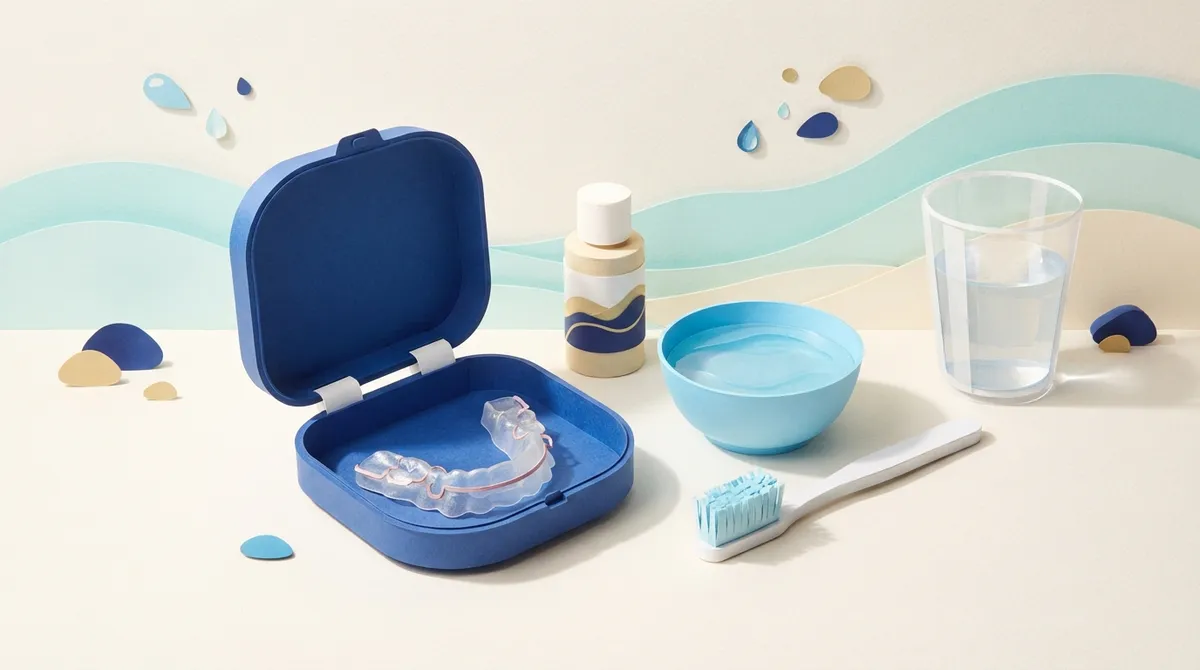
Clean removable retainers daily: rinse in cool or lukewarm water, brush gently with a soft toothbrush and mild liquid soap or a retainer-specific cleaner, then rinse well.
-
Never expose your retainer to heat: avoid hot water, dishwashers, microwaves, and hot cars or sunny sills, since heat can warp clear plastic in seconds.
-
Store your retainer in its case every time it is out of your mouth, never in a napkin or pocket, and keep the case away from pets who may chew it.
-
With a clear retainer, drink only plain water while wearing it, and remove it for meals and snacks, since coffee, soda, and juice can stain plastic and trap sugar.
-
If your retainer is lost, cracked, or feels tight, call your orthodontist promptly rather than forcing it or repairing it with glue, because teeth can shift when wear is interrupted.
You did it! The braces are off, or the last aligner tray is in the recycling bin, and your smile looks amazing. Now comes the part that protects all that hard work: your retainer. Good retainer habits are simple, but they make a big difference. This Clearwater retainer care guidance walks you through cleaning, storing, wearing, and troubleshooting your retainer so your teeth stay right where you want them.
Here is the quick version. Wear your retainer exactly as your orthodontist tells you. Clean it every day. Keep it away from heat. Put it in its case whenever it is out of your mouth. If anything feels off, call your orthodontist before you try to fix it yourself.
Whether you are a parent helping a busy teen, a young adult juggling a packed schedule, or an adult returning to treatment after your teeth shifted, this guide is for you. Let’s keep that new smile in great shape.

Why Retainer Care Matters After Braces or Aligners
Think of your teeth like a freshly planted garden. They are in a new spot, and the bone and gums around them need time to settle. Without support, teeth can drift back toward their old positions. The NHS notes that a retainer is needed after braces to help stop teeth from moving back, and your orthodontist decides how long you should wear it.
Caring for your retainer keeps it clean, comfortable, and accurate. A warped, cracked, or dirty retainer cannot do its job well. It can also cause problems for your teeth and gums. Good habits are the cheapest, easiest insurance for your smile.
If you want a deeper look at the different styles, our retainers page explains what is available. You can also read orthodontic retainers in Clearwater: what you need to know for more local context.

Follow Your Orthodontist’s Wear Schedule
Here is something worth knowing. There is no single wear schedule that fits everyone. Your plan depends on your retainer type, your treatment history, and your personal risk of tooth movement. Some patients wear a retainer full time at first, then switch to nights only. Others wear a fixed retainer that stays in place around the clock.
That is why the best Clearwater retainer care guidance always starts with one rule: follow the instructions from the orthodontist who treated you. If a friend says they only wear theirs twice a week, that is their plan, not yours.
If you are not sure about your schedule, just ask. We are happy to review it with you at any visit. You can learn more about long-term habits in how to wear a retainer after braces and keep your smile.
Know Your Retainer Type
Retainer care depends on what kind you have. Each type needs a slightly different routine.
| Retainer Type | How It Works | Daily Care Focus |
|---|---|---|
| Clear plastic (tray style) | Removable tray that fits snugly over your teeth | Gentle cleaning, no heat, plain water only while wearing |
| Wire and acrylic (Hawley style) | Removable, with a wire across the front teeth | Soft brushing, careful handling of the wire, safe storage |
| Fixed (bonded) wire | Thin wire attached behind the teeth | Careful brushing and flossing around the wire |
Not sure which type you have, or which one suits your teeth best? Your orthodontist can explain the pros and cons. Our guide on fixed vs. removable retainers is a handy place to start.
How to Clean a Removable Retainer Safely
Clean your removable retainer every day. Bacteria, plaque, and food bits can build up fast, and that leads to odor, cloudiness, and gum trouble. The American Association of Orthodontists recommends daily cleaning and safe storage for removable retainers.
A Simple Daily Cleaning Routine
- Rinse right away. When you take your retainer out, rinse it under cool or lukewarm water. This stops saliva and food from drying onto it.
- Brush gently. Use a soft toothbrush that you only use for your retainer. Brush all surfaces, including the grooves and the inside.
- Use a mild cleaner. A drop of mild liquid soap or a cleaner made for retainers works well. Follow your orthodontist’s directions and the maker’s instructions.
- Rinse again. Wash away all soap or cleaner so nothing irritates your mouth.
- Let it dry, then store it. Put it in its case once it is dry or nearly dry.
Also brush your own teeth before you pop the retainer back in. Otherwise you trap plaque against your teeth all night.
What About Toothpaste, Soap, and Cleaning Tablets?
This is one of the most common questions we hear. The answer depends on your retainer material. Some guidance suggests mild liquid soap or a retainer-specific cleaner. Toothpaste advice varies, since some pastes can scratch softer plastic and leave it cloudy. Cleaning tablets can be helpful for some appliances, but not all.
When in doubt, ask us what is best for your retainer. A quick question can save you from replacing a scratched or damaged one.
What to Avoid: Heat and Harsh Chemicals
Heat is the number one enemy of plastic retainers. Hot water can warp a clear retainer in seconds, and a warped retainer will not fit right. Here are things to keep away from your retainer:
- Hot or boiling water
- Dishwashers, microwaves, and hot cars
- Hot dashboards or sunny windowsills
- Bleach and harsh household chemicals, unless your orthodontist recommends a specific product
- Abrasive scrubbing tools
Florida summers are warm, so be extra careful. A retainer left in a parked car can lose its shape faster than you would think.
Eating and Drinking With Your Retainer
For most removable retainers, take them out before meals unless your orthodontist says otherwise. Chewing with a retainer in can damage it, and food can get trapped between the appliance and your teeth.
Clear plastic retainers need extra care with drinks. Plain water is generally the safest choice while you wear them. Coffee, tea, soda, juice, and sports drinks can stain the plastic. Sugary or acidic drinks can also sit against your teeth and raise the risk of cavities.
If you do have a snack or a coffee, take the retainer out first. Then brush or rinse before you put it back. If you love sports drinks during practice, your teen can sip plain water while the retainer is in, or just remove it and use the case.
Store It in Its Case Every Time
This one habit saves more retainers than any other. When your retainer is not in your mouth, it belongs in its protective case. Not a napkin. Not your pocket. Not a loose bag.
Napkins get thrown away with lunch trash. Pockets crush and warp retainers. Loose bags let them get bent or lost. Here are some easy storage tips:
- Keep a case in your backpack, car, and nightstand
- Choose a bright color so it is easy to spot
- Keep it away from pets, since dogs especially love to chew retainers
- Store it away from heat and direct sun
- Write your name or phone number inside the case
For parents, a good routine helps a lot. Teach your teen to put the case in the same spot every day. It sounds small, but it prevents big headaches. Our post on 11 retainer mistakes Clearwater patients should avoid covers more habits worth knowing.
Caring for a Fixed Wire Retainer
A fixed retainer stays in your mouth, so it needs a little more attention during brushing and flossing. Plaque loves to hide around the wire, which can lead to tartar buildup and gum irritation.
- Brush the front and back of your teeth. Angle the brush toward the gumline and clean around the wire.
- Floss carefully. A floss threader can help you slide floss under the wire. Interdental brushes also work well for hard-to-reach spots.
- Consider a water flosser. It can help rinse debris from around the wire.
- Skip very hard or sticky foods. These can loosen or bend the wire.
- Keep up with checkups. We can spot a loose or worn wire before it becomes a problem.
If the wire feels loose or breaks, call your orthodontist. Do not bend it or try to glue it yourself. A small break can let teeth move without you noticing. You can read more in what to do if your retainer breaks.
What to Do If Your Retainer Is Lost, Damaged, or Too Tight
Life happens. Retainers get lost at restaurants, chewed by pets, and sat on in the car. The key is to act quickly and calmly.
If It’s Lost or Broken
Call your orthodontist as soon as you can. Teeth can shift when prescribed retainer wear is interrupted, and even a few days can matter for some patients. We can often arrange a replacement or advise you on what to do in the meantime. Do not try to repair a cracked or bent retainer with glue or heat.
If It Feels Tight or Does Not Fit
A retainer that feels unusually tight may mean your teeth have started to move. It can also mean the retainer has warped. Do not force it into place. Pushing it can hurt your teeth and damage the appliance. Instead, stop and contact your orthodontist so we can check the fit.
Quick Reference: Common Retainer Problems
| Problem | What to Do | What Not to Do |
|---|---|---|
| Lost retainer | Call your orthodontist right away | Wait weeks to replace it |
| Cracked or warped retainer | Stop wearing it and call us | Fix it with glue or hot water |
| Retainer feels tight | Contact your orthodontist for a fit check | Force it onto your teeth |
| Loose or broken fixed wire | Call us to schedule a visit | Bend or cut the wire yourself |
| Bad smell or cloudiness | Clean daily with a gentle method | Soak in hot water or bleach |
If you have a deadline or an emergency, our team can help. Check out emergency orthodontic care in Clearwater for fast, friendly guidance.
Retainer Care Tips for Different Patients
Every patient has different needs. Here is how to make retainer care fit your life.
For Parents of Kids and Teens
Teens have a lot going on. Make retainer care part of a routine they already do, like brushing teeth at night. Keep a spare case in the backpack and one at home. Remind them gently, and celebrate good habits. If your child is still in treatment, our guide to braces for teens has more tips.
For Teens and Young Adults
Your smile is a big part of how you feel at graduations, dances, and photos. Do not let your retainer fall off your radar. Set a phone alarm for the first few weeks. Tell your friends to remind you if you leave it on a lunch tray. A little effort now keeps your smile photo-ready for years.
For Adult Professionals
Busy schedules make it easy to skip a night here and there. Keep your retainer case on your nightstand so it is the last thing you see before bed. Carry a travel case in your work bag. If you travel often, pack it with your toothbrush so it never gets left behind.
For Patients Who Had Relapse
If your teeth shifted after past treatment, you are not alone. Many adults come back for a second round. The good news is that retreatment can work well, and a strong retention plan helps protect your results this time. Learn more about adult treatment options at our office.
A Simple Weekly Retainer Care Checklist
Want an easy way to stay on track? Try this quick checklist.
- Rinse your retainer every time you take it out
- Brush it gently once a day
- Store it in its case, not in a napkin or pocket
- Keep it away from heat, pets, and sun
- Check for cracks, warping, or odor
- Floss around fixed wires with a threader or interdental brush
- Bring it to every orthodontic checkup
Bringing your retainer to appointments lets us check the fit and spot early wear. It is a simple step that keeps small issues from turning into bigger ones.
When to Call Your Orthodontist
Reach out right away if you notice any of these:
- Your retainer no longer fits or feels very tight
- You lose it or break it
- A fixed wire feels loose, sharp, or broken
- Your gums look swollen, red, or sore near the retainer
- You see cracks, rough spots, or lasting stains
- Your teeth look like they are moving
You never have to guess. A short call or visit can give you peace of mind. If you want to know what a visit may feel like, our page on your first visit shows how welcoming we try to be.
Why Families Trust Brockway Orthodontics for Retainer Support
At Brockway Orthodontics, we believe your journey does not end when the braces come off. Dr. Brockway takes time to listen, explain, and tailor a retention plan to your smile. We use modern tools like digital impressions, so you skip the messy molds and get a comfortable, accurate fit.
We also want you to feel supported. If something goes wrong, we would much rather hear from you early than have you worry alone. Our team is here for kids, teens, and adults alike. You can see what patients say in our patient reviews, or visit us on Google — Brockway Orthodontics to read feedback from our Clearwater community.
For general oral health guidance, the American Dental Association is a trusted resource. You can also find orthodontic information through the Florida Association of Orthodontists. And for retainer basics from a national perspective, the American Association of Orthodontists offers helpful reading.
Final Thoughts on Clearwater Retainer Care Guidance
Retainer care does not have to be complicated. Wear it as prescribed, clean it daily, keep it cool, and store it in its case. Those four habits protect your smile and your investment. If something feels off, make the call early.
Do you need a replacement retainer, a fit check, or answers about your wear schedule? We are here to help. Book your appointment online or contact our team today, and let’s keep your smile looking its best.
FAQs
Q: How often should I wear my retainer after braces in Clearwater?
A: It depends on your retainer type, your treatment history, and how likely your teeth are to move. Your orthodontist will give you a personal schedule, so follow that plan instead of a friend’s. If you are unsure, just ask us at your next visit!
Q: How do I clean a clear plastic retainer safely?
A: Rinse it in cool or lukewarm water, then brush it gently with a soft toothbrush and a drop of mild liquid soap or a retainer-specific cleaner. Never use hot water, which can warp the plastic. Rinse well and store it in its case once it is dry.
Q: Can I eat or drink while wearing a clear retainer?
A: Plain water is generally the safest choice while wearing a clear retainer. Take it out for meals and snacks, and avoid coffee, soda, and juice with it in, since they can stain the plastic and trap sugar against your teeth.
Q: What should I do if my retainer feels tight or no longer fits?
A: Please do not force it onto your teeth. A tight retainer can mean your teeth have shifted or the retainer has warped, so stop wearing it and contact your orthodontist for a quick fit check.
Q: What should I do if I lose or break my retainer?
A: Call your orthodontist right away, because teeth can shift when retainer wear is interrupted. Avoid fixing it with glue or heat, and we will help you get a proper replacement as soon as possible.
Our Service Area