Key Takeaways
-
Digital intraoral scanners eliminate messy putty impressions and enable instant 3D tooth models that can be reviewed on screen and shared electronically with labs, reducing wait times and errors.
-
AI tools can speed up diagnostic tasks like identifying X-ray landmarks by over 60%, but require expert orthodontist oversight and cannot replace clinical judgment for complex cases.
-
CAD/CAM technology and 3D printing create custom-fitted appliances like retainers and aligner trays with greater precision, reducing errors and enabling faster replacements when needed.
-
Remote monitoring apps can reduce in-office visits by up to 33% for some patients, but cannot replace physical exams, X-rays, or emergency care from your orthodontist.
-
The global digital orthodontics market is valued at $4.51 billion in 2025 and projected to reach $7.79 billion by 2031, reflecting rapid adoption of these technologies across practices.
-
Digital treatment simulations provide helpful previews of potential results, but actual outcomes depend on individual biology, consistent treatment compliance, and regular orthodontist follow-ups.
Remember biting into a tray of gooey putty for your dental impressions? Good news: those days are fading fast. Digital orthodontics is changing how orthodontists like Dr. Brockway plan and deliver your treatment, making the whole process smoother, faster, and a lot more comfortable. If you are a parent researching braces for your child, a busy professional looking for a discreet fix, or someone returning for a smile refresh after a relapse, understanding this technology can help you feel confident about your care.
At Brockway Orthodontics in Clearwater, Florida, we blend modern digital tools with real, personal attention from Dr. Brockway. Technology is wonderful, but it works best when paired with an expert eye. In this guide, we will break down what digital orthodontics actually is, how it works, and what it means for your treatment journey. Let’s dig in!
What Is Digital Orthodontics?
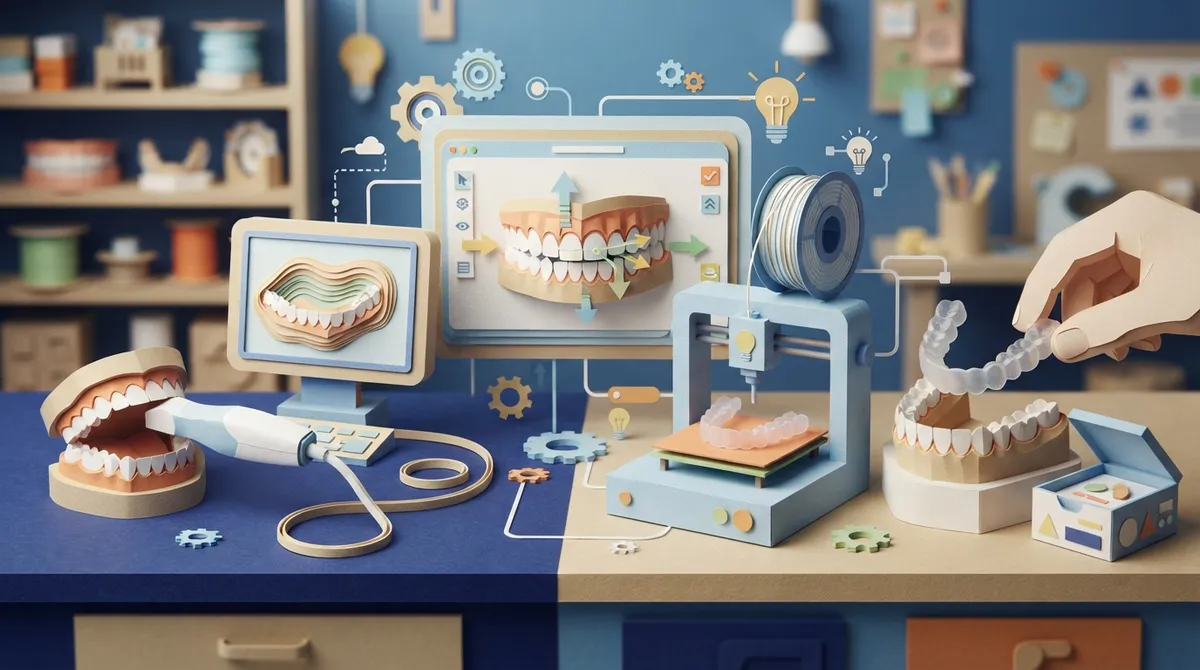
Digital orthodontics is a connected, computer-based approach to diagnosing, planning, and monitoring orthodontic treatment. Instead of relying only on old-school methods, orthodontists now use digital scans, 3D imaging, computer software, and sometimes even artificial intelligence (AI) to support your care.
Think of it as a toolbox. Intraoral scanners, digital X-rays, treatment simulation software, and 3D printers all work together to make your treatment more precise and your experience more pleasant. This applies to traditional braces and clear aligners alike.
It is important to know that these tools support your orthodontist’s judgment. They do not replace it. A screen full of data still needs a trained expert, like Dr. Brockway, to interpret it and create a plan that truly fits your smile.
The Building Blocks of a Digital Workflow
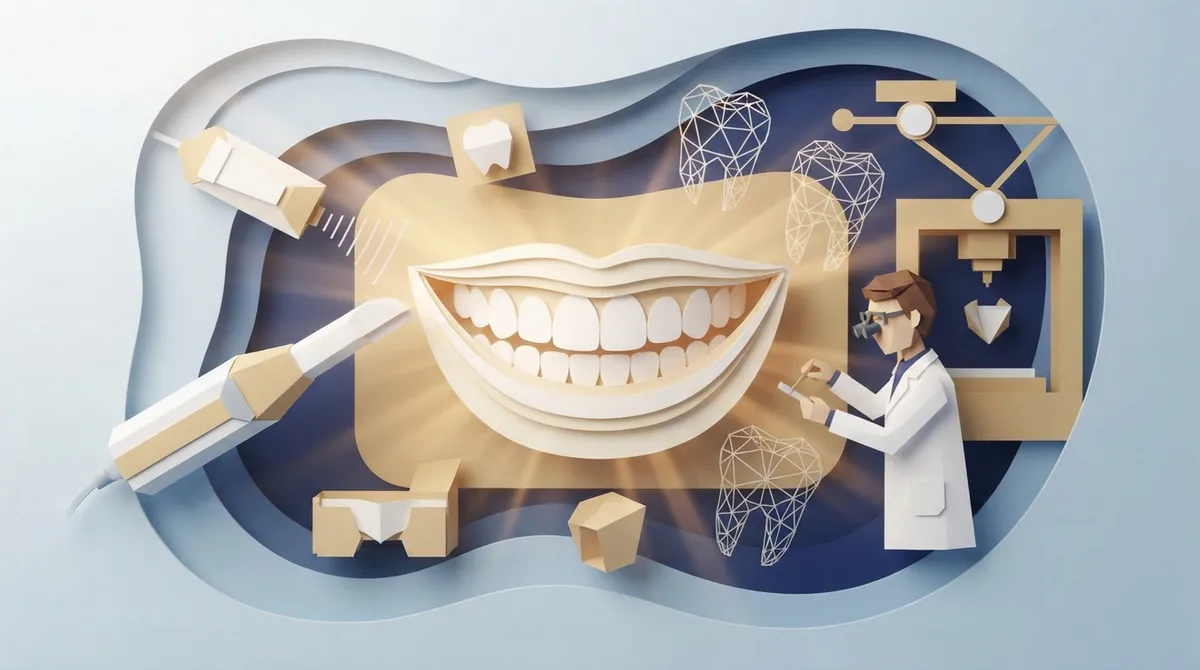
A typical digital orthodontic workflow includes several key pieces of technology working in harmony. Here is what usually happens behind the scenes:
- Digital intraoral scanning to create a 3D model of your teeth
- Digital X-rays and imaging to check bone and root positions
- Software for virtual treatment planning and simulation
- CAD/CAM design for custom appliances
- 3D printing for models, retainers, or aligner trays
- Remote monitoring apps to track progress between visits
Say Goodbye to Goopy Impressions
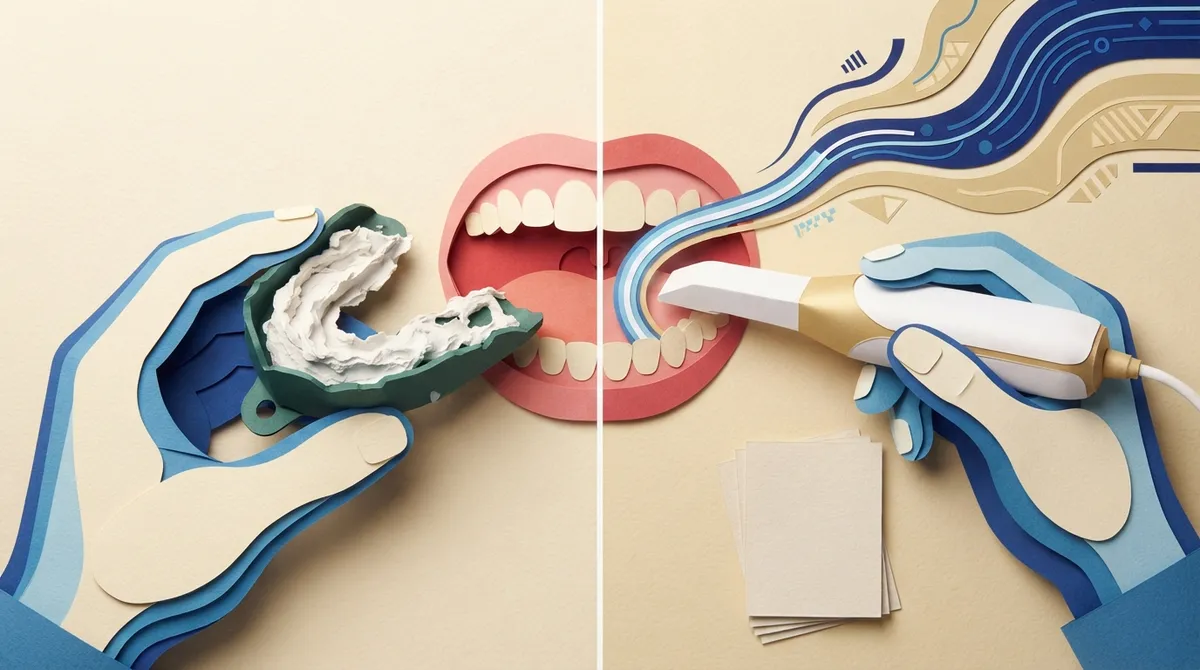
One of the biggest wins for patients is the intraoral scanner. This handheld wand takes pictures inside your mouth and builds a 3D digital model of your teeth and bite. No trays, no mess, no gagging.
These scans are also incredibly useful for communication. Your orthodontist can pull up your scan immediately, walk you through it, and send it electronically to a lab or aligner manufacturer. That means less waiting around and fewer mistakes from lost or damaged physical molds.
According to a 2021 survey from the American Dental Evaluators Panel, over half of responding dentists already used intraoral scanners, and 70% of those users reported better efficiency. As more American Dental Association members adopt this technology, patients everywhere are enjoying more comfortable visits.
How Digital Scans Compare to Traditional Impressions
| Feature | Traditional Impressions | Digital Scans |
|---|---|---|
| Patient Comfort | Can feel messy or trigger gagging | Quick and mess-free |
| Speed | Requires waiting for material to set | Nearly instant capture |
| Accuracy Review | Cannot be checked until the mold is removed | Reviewed on screen right away |
| Record Sharing | Physical shipping needed | Sent electronically in minutes |
| Storage | Requires physical storage space | Stored digitally, easy to access |
How Your Digital Treatment Plan Comes Together
Many patients wonder what actually happens once the scanning is done. Here is a simple walkthrough of the process:
- You come in for your first visit, where the team reviews your dental and health history.
- Dr. Brockway performs a clinical exam, checking your bite, jaw, and gum health.
- Digital scans and, if needed, X-rays are taken to build a full picture of your smile.
- Software helps map out tooth positions and simulate possible movements.
- Dr. Brockway reviews the digital plan, adjusting it based on her clinical expertise.
- You review the proposed plan together and ask any questions you have.
- Treatment begins, whether that is braces, Spark™ Clear Aligners, or another custom option.
That simulated “after” picture you see on screen is a helpful guide, not a guarantee. Your real results depend on things like your bite biology, how consistently you wear your aligners, and regular check-ins with your orthodontist.
CAD/CAM and 3D Printing: Custom-Made for You
Once your plan is set, digital design tools called CAD/CAM (computer-aided design and manufacturing) help create appliances made just for your mouth. This includes custom retainers, aligner trays, expanders, and even indirect bonding trays used to place brackets more precisely.
3D printing then brings these designs to life, either right in the office or through a specialized lab. This can mean fewer errors, faster remakes if something breaks, and appliances that fit your teeth with real precision. If you ever need a replacement retainer, ask our team about our retainer options for a smooth, custom fit.
Where Digital Orthodontics Shows Up in Your Treatment
- Clear aligner design and sequencing
- Custom archwires for precise tooth movement
- Retainers built from your final digital scan
- Indirect bonding trays for accurate bracket placement
- Digital models used for insurance documentation
- Surgical planning for more complex bite corrections
Can AI Really Help With Your Orthodontic Care?
Artificial intelligence is a hot topic in healthcare, and orthodontics is no exception. Right now, AI is mostly used as a helpful assistant rather than a replacement for your orthodontist.
A 2025 review found that AI can speed up certain tasks, like identifying key landmarks on X-rays or measuring tooth positions, sometimes cutting measurement time by more than 60% compared to older manual methods. That is a big deal for efficiency. But the same research points out that AI still needs expert oversight, especially for tricky or unusual cases.
AI is also used for scheduling reminders, tracking your progress with photos, and flagging potential issues between visits. It is a nice convenience, but it works alongside your care team, not instead of them.
Remote Monitoring: Fewer Trips, Same Great Care
For busy parents shuttling kids between school and activities, or professionals with packed calendars, remote monitoring can be a lifesaver. These apps let you snap photos of your teeth or aligners from home, which your orthodontic team reviews remotely.
A 2025 scoping review looking at AI-powered teleorthodontic platforms found that some practices saw up to a 33% reduction in in-office visits. That said, the same review noted inconsistencies in how accurately these tools tracked aligner progress in all cases.
Remote check-ins are a fantastic add-on, but they cannot replace a full hands-on exam, X-rays when needed, or Dr. Brockway’s trained eye during an emergency. Think of it as extra support between your regular appointments, not a substitute for them.
Weighing the Pros and Cons of Digital Monitoring
| Benefit | Limitation |
|---|---|
| Fewer in-person visits needed for some cases | Cannot replace X-rays or physical exams when needed |
| Convenient for busy schedules | Requires good photos and consistent use |
| Faster feedback on minor issues | Not reliable for true emergencies |
| Keeps your care team updated between visits | Accuracy can vary by platform and case complexity |
Digital Orthodontics for Every Member of the Family
One of the best parts about this technology is how it benefits patients of all ages. Here is how digital tools support different treatment paths:
- Kids and teens benefit from precise growth tracking during early treatment and adolescent treatment
- Adults exploring adult treatment often prefer the discretion and speed of digital scanning
- Patients returning for retreatment after relapse can get detailed comparisons of past and current tooth positions
- Health-conscious patients with periodontal concerns benefit from precise imaging that respects their unique needs
No matter your age or goals, our team tailors your digital workflow to fit your life. Curious how this applies to your situation? Explore our full range of services to see what might be the best fit.
Real Talk: What Digital Orthodontics Cannot Do
As much as we love this technology, it is not magic. Here are a few honest limitations worth knowing:
- Scans can be thrown off by saliva, movement, or reflective surfaces
- Software glitches or interoperability issues can occasionally slow things down
- Digital tools come with real costs, which can affect treatment pricing
- Privacy and data security need careful attention, just like with any health record
- A simulated result is a preview, not a promise
Being aware of these realities helps you set fair expectations. Digital orthodontics does not automatically make treatment faster, cheaper, or safer. What it does is improve communication, comfort, and precision when paired with skilled clinical care.
Why Choose Brockway Orthodontics for Your Digital Journey
Dr. Brockway combines the best of modern technology with the personal, caring approach that Clearwater families have come to trust. From digital impressions to 3D treatment planning, our office invests in tools that make your visits easier while never losing sight of the individual behind the smile.
We proudly offer Spark™ Clear Aligners as an affordable, nearly invisible option, alongside traditional metal and ceramic braces. Whatever path fits your life best, our team walks you through every step with clear, friendly explanations. Learn more about Dr. Brockway’s approach to care and see why so many local families keep coming back.
Financial questions are common too, and we are happy to talk through your options. Visit our page on financing and insurance to see how we make quality care accessible. You can also check out what real patients are saying by visiting our Google Business Profile for Brockway Orthodontics before your first visit.
The Bigger Picture: Digital Orthodontics Trends
This is not a small niche corner of dentistry. Industry data shows the global digital orthodontics market was valued at roughly $4.51 billion in 2025, with projections reaching about $7.79 billion by 2031. Clear aligners alone made up nearly half of that market in 2025, showing just how popular these modern treatment options have become.
Organizations like the Florida Association of Orthodontists continue to track these advancements, helping local practices like ours stay current with best practices and patient safety standards. Staying informed means we can bring you care that is both innovative and trustworthy.
Ready to Experience Modern Orthodontic Care?
Digital orthodontics has genuinely transformed the patient experience, from comfortable scans to precise, custom-made appliances. But the heart of great orthodontic care will always be a skilled, caring professional guiding your journey. That is exactly what you get with Dr. Brockway and her team in Clearwater.
Whether you are considering braces for your child, exploring clear aligners for yourself, or simply have questions about the technology behind your treatment, we would love to chat. Ready to get started? Book your appointment online today and discover how comfortable modern orthodontic care can be. You can also follow our smile transformations on Instagram or connect with us on Facebook for updates and patient stories.
FAQs
Q: What is digital orthodontics and how does it work?
A: Digital orthodontics uses tools like 3D scanners, imaging software, and sometimes AI to help plan and monitor your treatment. It works alongside your orthodontist’s expertise, not in place of it, making your visits more comfortable and your treatment plan more precise.
Q: Are digital orthodontic scans safe and accurate?
A: Yes, digital scans are considered safe and are generally very accurate. They can occasionally be thrown off by things like saliva or movement, which is why a skilled orthodontist always reviews the results before finalizing your plan.
Q: Can digital orthodontics show what my teeth will look like after treatment?
A: It can show a helpful simulation of your potential results, which is exciting to see! Just remember this is a planning tool, not a guarantee, since your actual outcome depends on things like biology and how well you follow your treatment plan.
Q: Does digital orthodontics make treatment faster or cheaper?
A: Not automatically. Digital tools improve comfort and communication, but your treatment timeline still depends on your specific case, biology, and how consistently you wear your appliances. We are always happy to walk through realistic timelines during your consultation.
Q: Can remote monitoring replace my orthodontist visits?
A: Remote monitoring is a wonderful convenience that can reduce some in-person visits, but it cannot fully replace hands-on exams or emergency care. Think of it as a helpful extra layer of support between your regular appointments with our team.
Our Service Area