Key Takeaways
-
Digital scans use a handheld optical wand instead of tray impressions, emitting no radiation, and are often more comfortable for children who gag or dislike the taste and texture of putty.
-
A digital scan records tooth position, bite, and arch shape but cannot show roots, jawbone, or unerupted teeth, so X-rays may still be needed for a complete evaluation.
-
A 2023 systematic review found scanning in children aged 15 and younger was better accepted than conventional impressions, though the evidence base is still limited.
-
Studies report scan accuracy clinically acceptable for orthodontic use in children, such as about 0.13 mm trueness in preschoolers, but results vary by scanner, operator, and patient movement.
-
The American Association of Orthodontists recommends an initial orthodontic check-up by age 7, which does not automatically mean braces; many children simply need monitoring.
-
Parents can ease scanning by explaining the wand beforehand, letting the child watch the screen, and practicing relaxed breathing through the nose at home.
If your child has ever gagged on a tray of gooey pink putty at the dentist, you know how that feels. Nobody forgets it, least of all a seven-year-old! The good news is that many orthodontic offices now offer another way to capture a child’s smile. It uses a small wand and a bit of light instead of a mouthful of goop.
In this friendly guide, we compare digital scans for children’s orthodontic evaluations with traditional impressions, head to head. You will learn how each one works, how they feel, how accurate they are, and what each can and cannot tell your orthodontist. We will also clear up a common mix-up: a scan is not an X-ray, and it does not replace one.
Whether you are a parent planning a first visit or a teen curious about what happens in the chair, this article is for you. At Brockway Orthodontics, we love helping families feel calm and informed, so let’s dig in together.
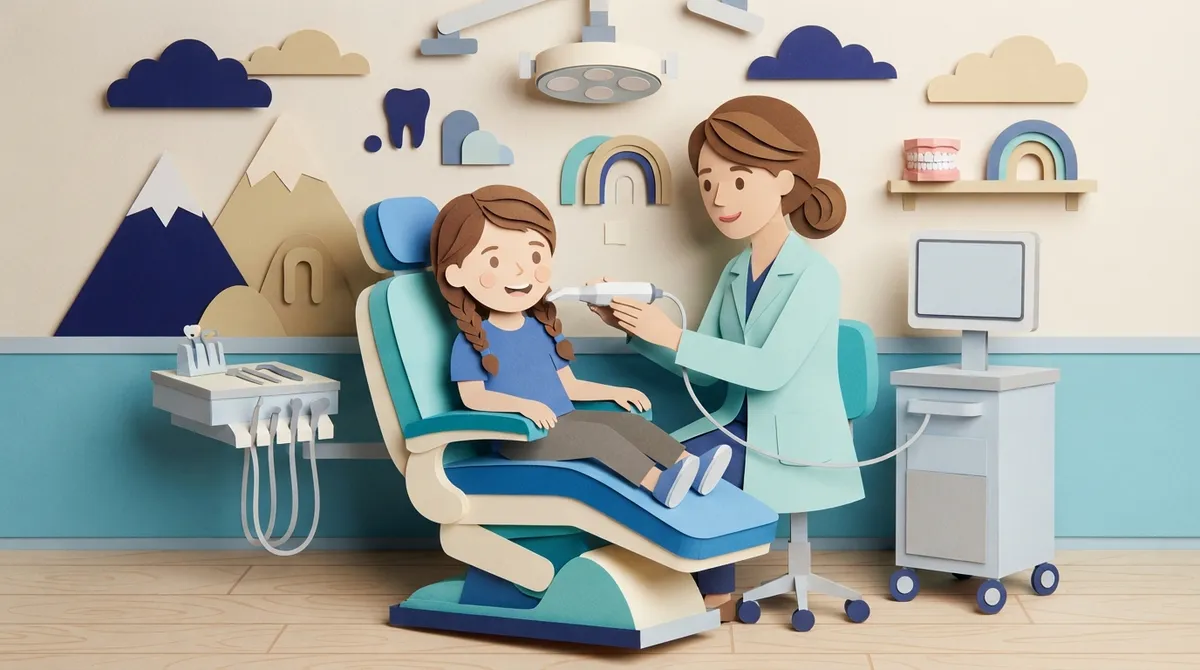
What Is a Digital Scan for a Child’s Orthodontic Evaluation?
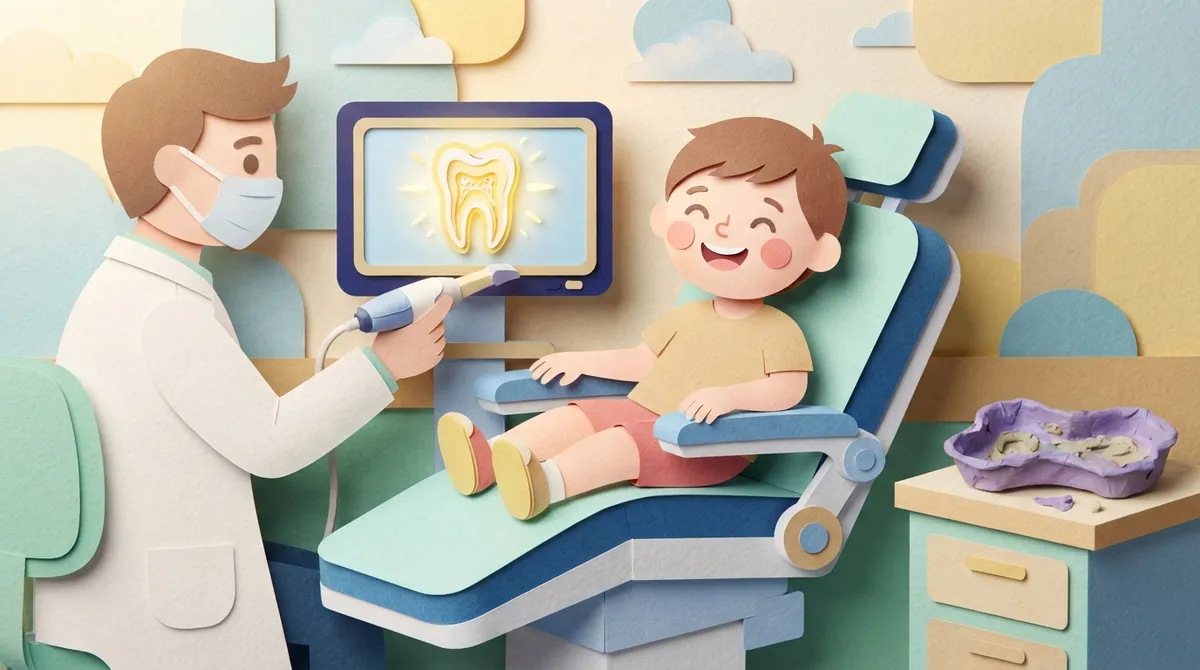
A digital scan, often called an intraoral scan, uses a small handheld scanner. The orthodontist or a team member glides it over your child’s teeth and gums. The scanner captures many images with optical light and builds a 3D picture of the teeth and bite on a screen.
Here is what is important to know. A scan is a surface record. It shows where the teeth sit, how they meet, and the shape of the dental arches. It does not make an X-ray image, and it does not use ionizing radiation.
What the Scan Can Help Show
- The position of each tooth and how the upper and lower teeth fit together
- The shape of the dental arch and how much space is available
- Changes over time, when compared with future scans
- Details used to plan treatment or make certain orthodontic appliances
Think of it like a very detailed photo album of your child’s smile. It is useful, but it is only one piece of the puzzle.
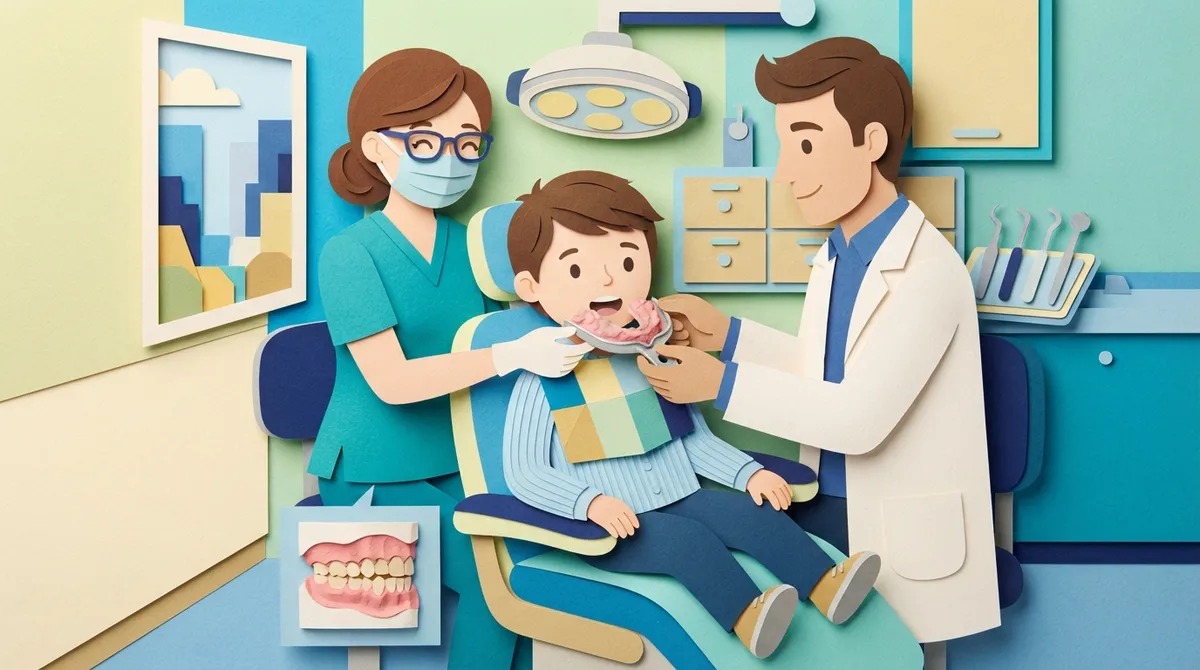
How Traditional Impressions Work
Traditional impressions have been used for a long time. A tray is filled with soft material, pressed over the teeth, and held in place for a minute or two while it sets. Then the tray comes out, and the hardened material becomes a mold for a plaster or stone model.
Many kids handle this just fine. Others find the taste, the texture, or the gag reflex a real challenge. That is where digital scanning has become popular with families.
Digital Scans vs. Traditional Impressions: The Side-by-Side Look
Let’s compare the two in the areas parents ask about most.
| Feature | Digital Scan | Traditional Impression |
|---|---|---|
| How it works | Handheld optical wand captures a 3D image | Tray with impression material set in the mouth |
| Comfort for kids | Often reported as more comfortable | Can trigger gagging or dislike of taste and texture |
| Radiation | None (uses optical light) | None |
| Shows roots, bone, or unerupted teeth | No | No |
| Retakes | May re-scan the area if incomplete | May redo the whole impression if distorted |
| Record format | Digital file | Physical mold and model |
Notice one thing the two methods share. Neither shows what is under the gums. For that, your orthodontist may recommend X-rays when they are needed.
Comfort: Where Digital Scans Shine for Kids
Comfort is the big one. Research focused on children generally finds that intraoral scanning is well accepted. A 2023 systematic review of scanners used in children aged 15 and younger reported better patient perception and comfort with scanning than with conventional impressions. The authors also noted that the evidence base is still limited, so it is wise to keep expectations realistic.
In everyday life, parents often tell us what they see in the chair. Kids can watch their own teeth appear on a screen, which feels more like a video game than a procedure. There is no tray, no taste, and usually no gagging. That can make a first visit feel much friendlier.
Tips to Make Scanning Easier
- Tell your child ahead of time that a small camera-like wand will take pictures of their teeth.
- Let them see the screen so they can follow along.
- Practice opening wide and relaxing at home.
- Remind them to breathe through their nose and stay as still as they can.
- Celebrate afterward. A high five goes a long way!
Accuracy: How Reliable Are Digital Scans in Children?
Parents naturally wonder if a scan is accurate enough to trust. The research is encouraging, with a few honest caveats.
- A 2024 study comparing digital models and 3D-printed casts in children and teenagers found they reproduced tooth structures with accuracy similar to conventional methods. The authors noted that small measurement differences can occur and are generally considered clinically acceptable.
- A 2025 study in preschool-aged children reported scan trueness of about 0.128 mm for the upper jaw and 0.134 mm for the lower jaw. The authors described these results as clinically acceptable for orthodontic uses. These are findings from one study, not a promise for every scanner or child.
Accuracy can vary with the scanner, the operator, how much of the mouth is scanned, saliva, and a squirmy patient. If a scan comes out incomplete or distorted, the team simply scans that area again. A skilled team makes a big difference here.
What a Scan Cannot Do
This part is important, so we will say it plainly. A digital scan is a record of your child’s teeth at one moment in time. It does not diagnose every orthodontic problem, and it does not decide treatment by itself.
A scan cannot show:
- Tooth roots
- Jawbone
- Teeth that have not yet come in
That is why an orthodontist looks at the whole picture. This includes your child’s growth and dental development, bite, face and mouth exam, health history, and any X-rays that are indicated. The scan supports the exam. It never replaces it.
Do Digital Scans Replace X-Rays?
No. Because a scan uses optical light, your child is not exposed to X-ray radiation during scanning. That is a nice benefit. But since it cannot show structures below the surface, your orthodontist may still recommend appropriate imaging when it is useful for the evaluation.
Think of it this way. The scan shows the outside of the house in great detail. An X-ray helps show the foundation. Sometimes you need both views to make a good plan. To learn more about what to expect when records are taken, see our guide on what to expect during your orthodontic exam.
When Should Kids Have an Orthodontic Evaluation?
The American Association of Orthodontists recommends that children have an initial orthodontic check-up by age 7. This is a check-up recommendation. It does not mean every child needs braces at that age. Many seven-year-olds simply get a thumbs-up and a plan to monitor growth.
A scan may be taken at that visit if it helps, but it is not required for every first appointment. Some children need only a visual exam. Others benefit from a scan to document the starting point and track changes. If you are curious about timing, our article on how to know when your child should first see an orthodontist walks through the signs to watch for.
Who Benefits Most From Each Method?
Digital Scans May Be a Great Fit For
- Children who gag easily or feel anxious about trays
- Kids who like technology and being part of the process
- Families who want a clear, shareable record of progress
- Teens and adults tracking changes or planning clear aligners
Traditional Impressions May Still Be Useful When
- A specific appliance workflow calls for a physical model
- A scan cannot be completed well because of movement or moisture
- An office prefers a method that fits a particular treatment plan
Neither method is automatically “right” for every child. The best choice depends on your child, the treatment being considered, and your orthodontist’s judgment.
How Digital Scans Fit Into Treatment Planning
Once your orthodontist has a scan, it can support several steps in care.
- Documenting the starting point. The scan records tooth positions and bite so changes can be compared later.
- Assessing space and arch shape. This helps the doctor judge crowding, spacing, and how the arches are developing.
- Planning treatment. The scan is reviewed alongside the exam, history, and any X-rays.
- Designing appliances. Scans can be used to make certain orthodontic appliances, such as expanders or retainers, when appropriate.
For older kids and teens, scans also play a role in planning clear aligners. Families curious about that route can read about Spark™ Clear Aligners, a more affordable alternative to Invisalign, or compare options in our guide to braces vs. clear aligners for kids.
What We Do at Brockway Orthodontics
At Brockway Orthodontics, we use modern technology to make visits more comfortable. That includes digital impressions instead of messy molds, plus 3D imaging that supports careful planning. Dr. Brockway takes time to listen, explain, and make sure kids and parents both feel at ease. You can learn more about her on the Meet Dr. Brockway page.
We welcome families from across Clearwater and nearby communities. If you would like to know what a first visit looks like, our Your First Visit page is a good place to start. You can also see what neighbors say by reading reviews when you visit us on Google — Brockway Orthodontics.
Questions to Ask at Your Child’s Evaluation
- Will my child need a scan at this visit, or is an exam enough?
- Are X-rays recommended, and why?
- What does the scan show us that an exam alone does not?
- How will the scan be used in the treatment plan?
- Is monitoring growth a better option than starting treatment now?
Good orthodontists welcome these questions. For more on picking the right team, check out how to find a good pediatric orthodontist near you. For general consumer guidance on dental care, the American Dental Association is another trusted resource.
The Verdict: Which Wins for Kids?
So, who takes the crown? For many children, digital scans win on comfort and convenience. Studies in younger patients also suggest the accuracy is clinically acceptable for many orthodontic uses. But the scan is not a magic wand. It is one helpful tool that works alongside a careful exam and, when needed, X-rays.
The real winner is a thoughtful evaluation that fits your child. Whether a scan, an impression, or just a friendly look is the right call, the goal stays the same: a healthy, confident smile for your kiddo.
Ready to see how a gentle, modern evaluation feels? Book your child’s free consultation online and meet our welcoming team. Have a question first? You can contact us anytime, and we will be happy to help!
FAQs
Q: What happens during a digital orthodontic scan for a child?
A: A team member gently moves a small handheld wand over your child’s teeth and gums. It captures many images with light and builds a 3D picture on a screen. Most kids stay comfortable, and many enjoy watching their teeth appear on the monitor!
Q: Do digital orthodontic scans use radiation?
A: No. Digital scans use optical light, not X-rays, so they do not expose your child to ionizing radiation. Keep in mind that a scan cannot show roots, bone, or unerupted teeth, so your orthodontist may still recommend X-rays when they are useful.
Q: Are digital scans more comfortable than traditional impressions for kids?
A: Research in children generally finds scanning is well accepted and often more comfortable than conventional impressions. A 2023 systematic review reported better comfort and patient perception, though it noted the evidence is still limited. Every child is different, but many appreciate skipping the tray and the taste.
Q: Can a digital scan show whether my child needs braces?
A: A scan is helpful, but it cannot decide that on its own. Your orthodontist looks at the scan along with your child’s growth, bite, health history, and any needed X-rays. That full picture is what guides a treatment recommendation.
Q: At what age should a child have an orthodontic evaluation?
A: The American Association of Orthodontists recommends an initial check-up by age 7. This does not mean your child will need treatment then. It simply gives your orthodontist a chance to watch growth and spot anything worth monitoring early.
Our Service Area