Key Takeaways
-
Clear aligners require 20-22 hours daily wear for best results and work effectively for mild to moderate crowding, spacing, and certain bite issues—making professional supervision essential for safe tooth movement.
-
Professional orthodontic treatment is crucial; DIY methods and mail-order aligners without supervision can cause pain, jaw discomfort, bite problems, and gum damage since teeth require carefully controlled force only trained professionals can safely apply.
-
Three main alternatives to traditional braces exist: clear aligners (removable and discreet), ceramic braces (tooth-colored and fixed), and lingual braces (hidden behind teeth), each suited to different complexity levels and patient preferences.
-
Clear aligners require strict daily hygiene—brush teeth before reinsertion, avoid sugary drinks while wearing trays, and clean aligners daily with soft toothbrush to prevent decay and gum problems during treatment.
-
A professional orthodontic exam is the critical first step, involving digital scans, X-rays, and bite analysis to determine whether your case qualifies for clear aligners or requires traditional braces for complex corrections.
-
Long-term retention is essential after treatment ends—wearing a retainer nightly or on a custom schedule prevents teeth relapse and maintains your straightened smile throughout life.
Do you love the idea of a straighter smile but dread the thought of a mouth full of metal? You are not alone. So many patients walk into our Clearwater office asking the same question: is there a way to fix crooked teeth without traditional braces? The good news is yes, in many cases there is! Clear aligners, ceramic braces, and lingual braces all offer ways to straighten your smile with less visibility and, often, more comfort.
At Brockway Orthodontics, we love helping patients of every age find a treatment path that fits their lifestyle. Whether you are a busy professional, a parent looking out for your teen, or an adult ready for a second chance at a straight smile, this guide will walk you through your options. We will also explain why a professional evaluation matters so much, and why DIY methods are never a safe shortcut.

What Does It Really Mean to Straighten Teeth Without Braces
When people say they want to straighten their teeth “without braces,” they usually mean without traditional metal brackets and wires. They still want real, lasting results. The most popular option today is clear aligners, like our Spark™ Clear Aligners. These are custom-made, clear plastic trays that gently shift your teeth over time.
According to the Florida Association of Orthodontists, clear aligners have become one of the most requested treatments for teens and adults who want a more discreet option. But clear aligners are not the only path. Ceramic braces and lingual braces are also less noticeable than traditional metal braces, even though they are still fixed appliances.
Clear Aligners: The Most Popular Non-Traditional Option
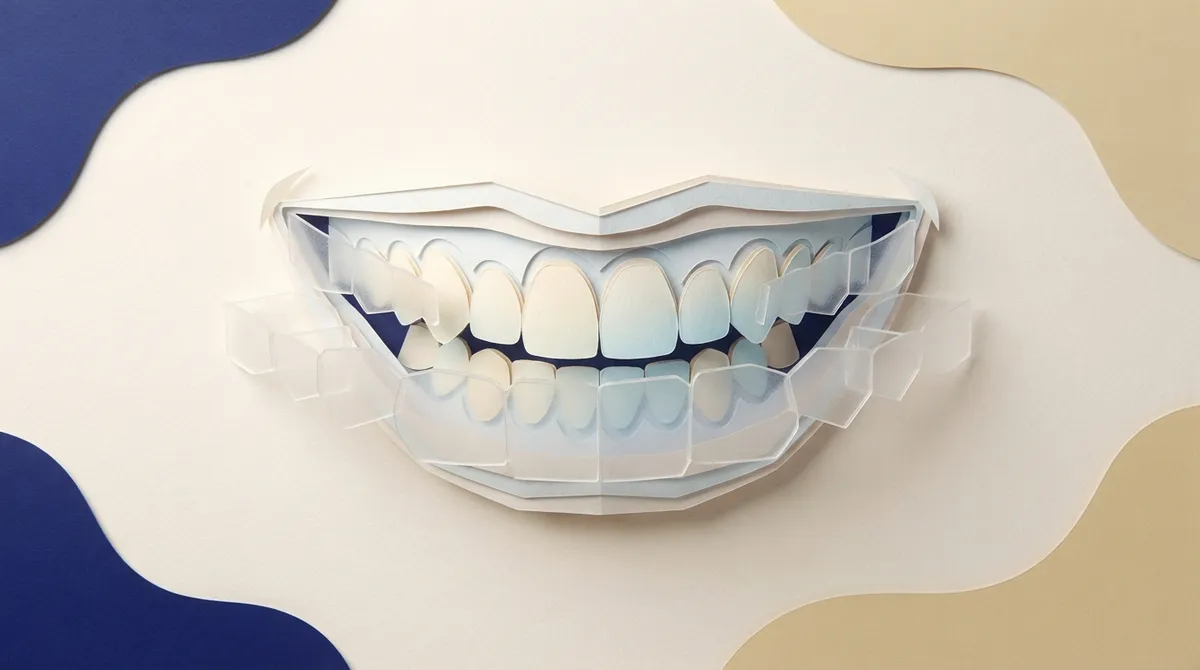
Clear aligners are removable, custom-made trays that fit snugly over your teeth. You wear a new set every one to two weeks, and each tray gently guides your teeth into a better position. Because they are clear and removable, many teens and adults prefer them over metal brackets and wires.
The American Association of Orthodontists notes that most patients need to wear their aligners about 20 to 22 hours a day for the best results. That means you take them out to eat, drink anything besides water, brush, and floss. If you are curious whether this fits your daily routine, our first visit is the perfect time to ask questions.
Ceramic Braces: A Less Visible Fixed Option
Ceramic braces work just like metal braces, but the brackets are tooth-colored or clear. This makes them much less noticeable, especially from a distance. They are a great choice for patients who need more complex corrections but still want a more subtle look. You can learn more about how these compare to metal options in our guide on metal vs. clear braces for adults.
Lingual Braces: Hidden Behind Your Teeth
Lingual braces attach to the back surface of your teeth, facing your tongue instead of your lips. This means they are essentially invisible from the front. They can be a good fit for patients with certain bite issues, though they may take some getting used to at first.
Is Straightening Teeth Without Braces Right for You
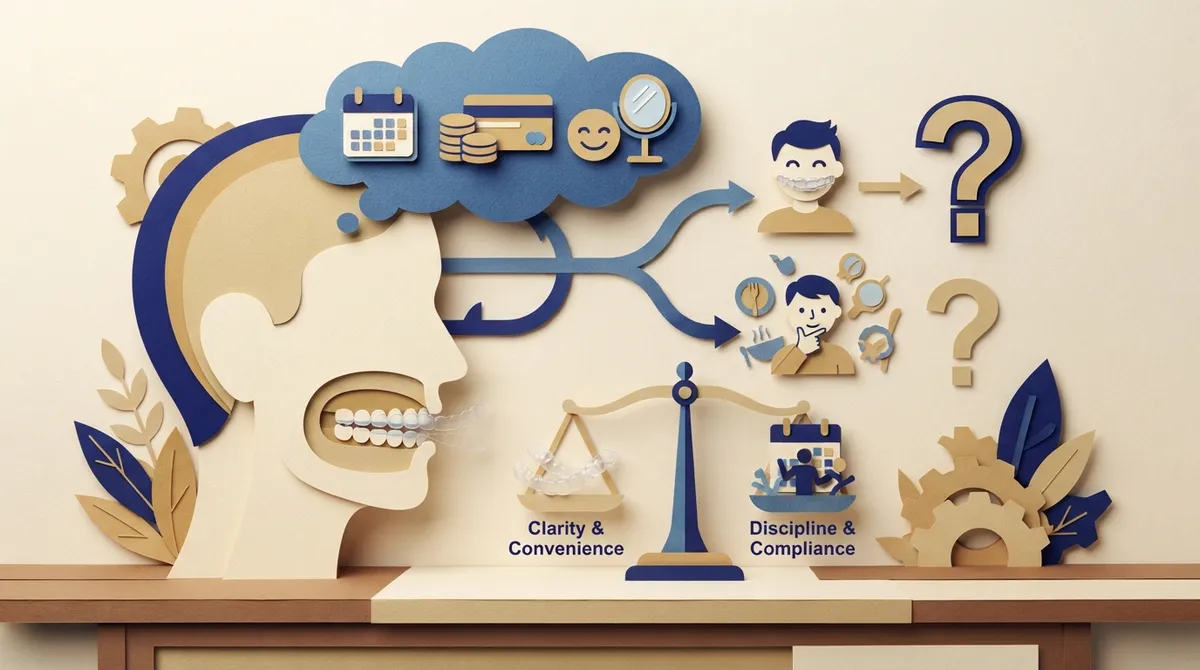
Not every smile is the same, so not every treatment works for every person. Clear aligners tend to work best for mild-to-moderate crowding, gaps, and some bite issues. More complex problems, like severe misalignment or big jaw discrepancies, may need fixed braces or a combined treatment plan.
This is why an orthodontic exam is such an important first step. During your visit, Dr. Brockway will check your teeth and gum health, look at your bite, and may use X-rays or digital scans to get the full picture. You can read more about what happens during this process in our orthodontic exam guide.
Signs Clear Aligners May Work Well for You
- You have mild to moderate crowding or spacing between teeth
- You want a removable option you can take out for meals and photos
- You are committed to wearing your trays for the recommended hours each day
- You do not have major jaw alignment issues
- You want a more discreet look for work, school, or social events
Signs You Might Need Traditional or Combined Treatment
- You have severe crowding or rotated teeth
- You have a significant overbite, underbite, or crossbite
- Your case involves large gaps that need more controlled movement
- You have existing dental work that needs special handling
Comparing Your Non-Traditional Straightening Options
It helps to see these options side by side. Here is a simple breakdown of the three main choices beyond traditional metal braces.
| Option | Visibility | Removable | Best For |
|---|---|---|---|
| Clear Aligners | Very low | Yes | Mild to moderate crowding, spacing, some bite issues |
| Ceramic Braces | Low to moderate | No | More complex cases needing a subtle look |
| Lingual Braces | Hidden from front | No | Patients wanting a fully invisible fixed option |
Steps to Get Started With Clear Aligners
If clear aligners sound like a good fit, here is what the process usually looks like from start to finish.
- Schedule a consultation. Meet with Dr. Brockway to talk about your smile goals and concerns.
- Get a full exam. This includes digital scans, X-rays, and a review of your bite and gum health.
- Review your treatment plan. You will see a preview of how your teeth are expected to move.
- Receive your custom aligners. Each tray is made just for your smile.
- Wear your aligners as directed. Aim for 20 to 22 hours a day, switching trays on schedule.
- Attend check-in visits. Dr. Brockway will track your progress and make adjustments if needed.
- Move into retention. Once treatment ends, a retainer helps keep your new smile in place.
Why Professional Supervision Matters So Much
You may have seen ads for mail-order aligners that promise a straighter smile without ever seeing a dentist or orthodontist in person. We understand the appeal, but this approach carries real risks. The FDA classifies clear aligners as prescription medical devices and states that aligners marketed directly to consumers without professional supervision are not authorized in the United States.
Without a trained eye monitoring your treatment, things can go wrong. The FDA has identified potential complications including pain, jaw discomfort, bite problems, worsening misalignment, new gaps, gum irritation, and damage to crowns or fillings. A licensed orthodontist can catch these issues early, or prevent them altogether.
This is also why home remedies you might find online, like using rubber bands, applying tongue pressure, or filing teeth, are never safe or effective. Moving teeth requires carefully controlled force over time. Only a trained professional can do this safely, protecting your roots, gums, bone, and bite. If you want to understand more about safe alternatives, check out our article on how to realign your teeth without traditional braces.
Caring for Your Smile During Treatment
One perk of clear aligners is that brushing and flossing are often easier than with metal brackets and wires. Since the trays are removable, you can clean your teeth normally. That said, good habits still matter. Drinking sugary or acidic beverages while wearing your aligners can trap those substances against your teeth, raising your risk of decay or gum problems.
The American Dental Association recommends brushing after meals before putting aligners back in, and rinsing trays regularly to keep them clean and clear. Simple habits like these go a long way toward protecting your smile during treatment.
Quick Tips for Aligner Success
- Remove aligners before eating or drinking anything but water
- Brush your teeth before placing aligners back in your mouth
- Clean your aligners daily with a soft toothbrush and lukewarm water
- Keep your case with you so you always have a safe place for your trays
- Wear your aligners for the full recommended hours each day
What Happens After Your Teeth Are Straight
No matter which treatment you choose, retention is the final and ongoing step. Teeth can shift throughout life, even after successful treatment. That is why a removable or fixed retainer is usually needed long term, often worn nightly or on a schedule your orthodontist recommends.
Skipping your retainer schedule is one of the most common reasons people experience relapse and need retreatment later. If you have been through orthodontic treatment before and notice your teeth shifting again, our adult treatment options can help you get back on track with a fresh, personalized plan.
Why Choose Brockway Orthodontics for Your Smile Journey
Dr. Brockway has built her practice around genuine care for every patient who walks through the door. She takes time to listen to your goals, answer your questions, and explain your options in a way that actually makes sense. Whether you are a parent exploring treatment for your teenager or an adult ready to invest in your smile, our team treats your journey like it matters, because it does.
Our Clearwater office uses modern technology, including digital impressions and 3D imaging, so your treatment plan is accurate and comfortable from day one. We also offer flexible financing and insurance options to make quality care accessible for families throughout Pinellas County. You can also see what real patients say by visiting our patient reviews page or checking out reviews from Brockway Orthodontics patients on Google.
Follow along with our smile transformations and community updates on Instagram, Facebook, or LinkedIn. We love staying connected with the families we serve!
Ready to Explore Your Smile Options
Straightening your teeth without traditional metal braces is possible for many patients, but the right choice depends on your unique smile. Clear aligners, ceramic braces, and lingual braces each offer a more discreet path to a confident smile, as long as they are guided by a trained professional who understands your case.
If you are ready to find out which option fits you best, our team at Brockway Orthodontics is here to help. Book your free consultation online today and take the first step toward the smile you have been dreaming of. Have questions before you schedule? Reach out to our friendly Clearwater team and we will be happy to help.
FAQs
Q: Can I really straighten my teeth without traditional metal braces?
A: Yes, for many patients! Clear aligners, ceramic braces, and lingual braces can all straighten teeth without the classic metal brackets and wires. The best option depends on your specific bite and alignment needs, so a quick exam with Dr. Brockway will help point you in the right direction.
Q: Are clear aligners as effective as traditional braces?
A: Clear aligners work wonderfully for mild to moderate crowding, spacing, and some bite issues. For more complex cases, like significant rotations or big jaw discrepancies, traditional braces may give more predictable results. That’s why a professional evaluation is so important before choosing your path.
Q: How many hours a day do I need to wear clear aligners?
A: Most patients need to wear their aligners about 20 to 22 hours each day for the best results. You’ll remove them to eat, drink anything besides water, brush, and floss. Sticking to this schedule really does make a difference in how smoothly your treatment goes!
Q: Are mail-order or direct-to-consumer aligners safe?
A: We always recommend caution here. The FDA notes that aligners sold directly to consumers without a dentist or orthodontist supervising your care are not authorized in the U.S. Unsupervised treatment can lead to pain, bite problems, or even worsened alignment, so professional guidance really is worth it.
Q: Do teeth stay straight forever after treatment?
A: Teeth can shift throughout life, even after a great result, which is why retainers are so important. Wearing your retainer as recommended, often nightly or on a custom schedule, helps protect the smile you worked hard to achieve.
Our Service Area