Key Takeaways
-
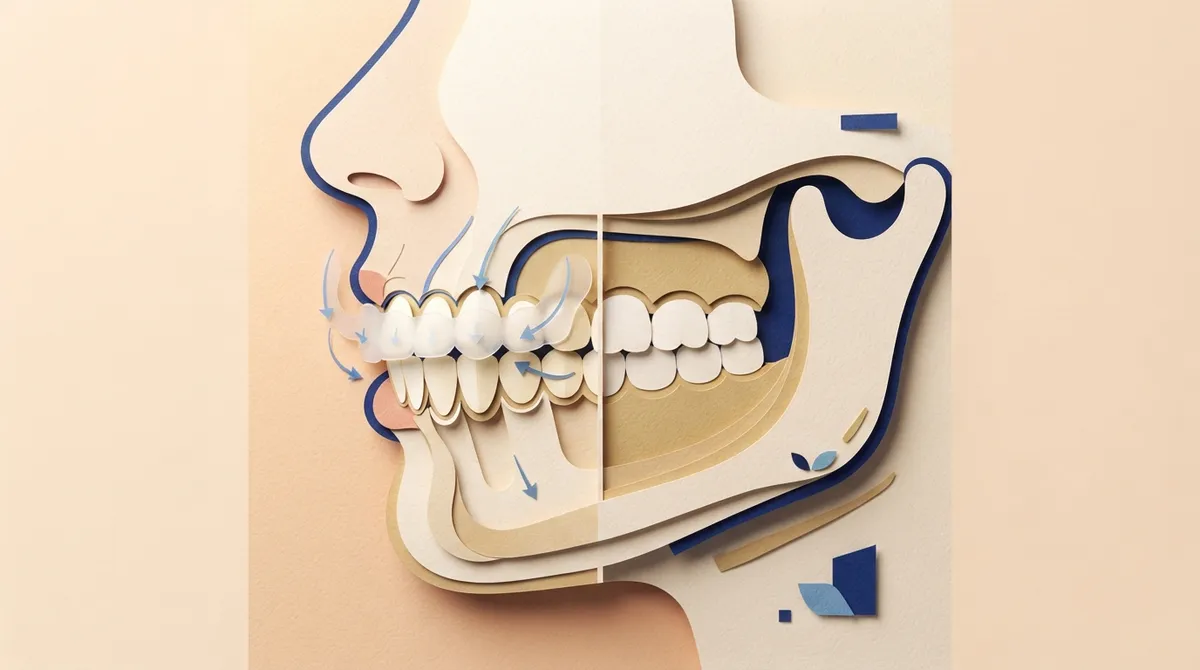
A healthy overbite is 1-2mm, but when overlap exceeds 3-4mm or 20-25%, it becomes a functional problem affecting chewing, speaking, and jaw comfort requiring treatment.
-
Overbites do not self-correct after age 18 when jaw growth stops; early intervention in children allows orthodontists to guide jaw growth and prevent severe cases requiring surgery later.
-
Treatment options vary by age: children benefit from palate expanders and early braces, teenagers use traditional braces or clear aligners, and adults can use clear aligners for mild-moderate cases or braces with surgery for severe skeletal issues.
-
Clear aligners like Spark™ typically cost $3,000-$8,000 and take 12-18 months for mild-moderate overbites, while traditional braces cost the same but may require 18-24+ months for moderate-to-severe cases.
-
Untreated overbites lead to accelerated tooth wear, gum recession, chronic jaw pain, speech difficulties, and reduced confidence, making early evaluation and treatment financially and health-wise worthwhile.
-
During treatment, orthodontists use rubber bands, Herbst appliances, Forsus springs, and tooth extractions as adjunct tools to move teeth into proper alignment more efficiently alongside braces or aligners.
Ever catch yourself hiding your smile in photos because your top teeth seem to cover your bottom ones? You’re definitely not alone. Overbite correction is one of the most common reasons families and adults walk through our doors here in Clearwater. The good news? It’s also one of the most treatable orthodontic concerns out there, no matter your age.
A little overlap between your top and bottom teeth is totally normal. In fact, a healthy overbite is usually just 1–2mm. But when that overlap grows to 3–4mm or more, it can cause real problems with chewing, speaking, and even jaw comfort. At Brockway Orthodontics, we’ve helped countless patients in Clearwater turn a deep overbite into a confident, comfortable smile. Let’s walk through exactly how overbite correction works, what your options look like, and how to know which path is right for you or your child.
What Exactly Is an Overbite (And When Does It Become a Problem)?
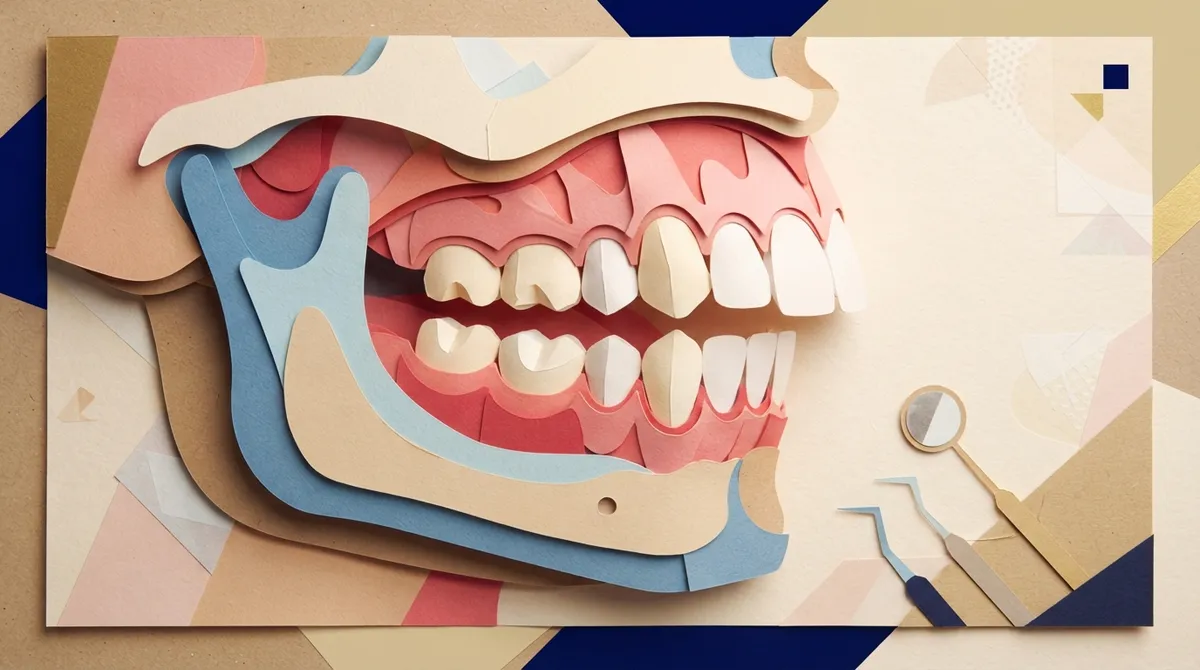
An overbite happens when your upper front teeth extend too far over your lower front teeth. Everyone has some vertical overlap, and that’s actually necessary for a healthy bite. The trouble starts when that overlap becomes excessive.
According to the American Dental Association, a bite becomes a concern once the overlap exceeds 20-25% or measures more than 3-4mm. At that point, it’s no longer just a cosmetic issue. It can affect how you eat, talk, and even breathe comfortably.
Signs You Might Have an Overbite That Needs Attention
- Your top teeth completely cover your bottom teeth when you bite down
- You notice jaw pain, clicking, or soreness when chewing
- Your lower jaw looks recessed compared to your upper jaw
- You have trouble biting into foods like sandwiches or apples
- You experience frequent headaches or jaw fatigue
- Your gums or lower teeth get irritated from contact with your upper teeth
If any of these sound familiar, it might be time to schedule a visit. You can learn more about your first visit to see exactly what to expect.
Why Overbites Don’t Fix Themselves
Here’s something important to know: overbites do not go away naturally once your adult teeth come in and jaw growth stops, usually around age 18. Unlike a bruise or a sore muscle, your bite won’t heal on its own over time.
This is why early evaluation matters so much, especially for kids. Catching an overbite while a child’s jaw is still growing gives orthodontists like Dr. Brockway more tools to guide that growth in a healthy direction. Waiting until adulthood doesn’t make treatment impossible, but it usually means a longer, more involved process.
Overbite Correction Options by Age Group
Treatment really does look different depending on whether you’re bringing in a growing child or seeking care for yourself as an adult. Let’s break down what each age group can typically expect.
1. Children and Early Treatment
Kids have one big advantage: their jaws are still growing. This means orthodontists can use that growth to their benefit. Common tools include palate expanders, headgear, and sometimes early braces. Early treatment can prevent a mild overbite from becoming a more serious, surgery-requiring issue later on.
2. Teenagers
By the teen years, most kids have all or most of their adult teeth. Traditional braces remain the gold standard here, often combined with rubber bands to help correct the bite. Clear aligners are also a popular choice for image-conscious teens wanting a more discreet option. Check out our adolescent treatment page for more details.
3. Adults
It’s never too late! Many adults come to us wanting to finally fix a bite issue they’ve lived with for years. Mild to moderate overbites often respond well to Spark™ Clear Aligners, a comfortable and nearly invisible option. More severe skeletal cases may require braces combined with jaw surgery, though this is far less common. Learn more about adult treatment options available right here in Clearwater.
Comparing Overbite Correction Methods
| Treatment Option | Best For | Typical Duration | Estimated Cost |
|---|---|---|---|
| Traditional Braces | Moderate to severe overbites, all ages | 18–24 months (2+ years for severe cases) | $3,000–$8,000 |
| Clear Aligners (like Spark™) | Mild to moderate overbites | 12–18 months | $3,000–$8,000 |
| Palate Expanders / Headgear | Growing children with skeletal issues | 6–18 months, often followed by braces | Varies, often included in overall plan |
| Jaw Surgery + Braces | Severe adult skeletal overbites | 2+ years including recovery | Higher, depends on surgical needs |
The Step-by-Step Overbite Correction Process
Wondering what the actual journey looks like once you commit to treatment? Here’s a simple breakdown of what most patients go through, from the very first appointment to the finish line.
- Initial Consultation: We take digital images, discuss your concerns, and assess the severity of your overbite.
- Custom Treatment Planning: Dr. Brockway designs a plan tailored to your bite, age, and goals, whether that’s braces, aligners, or a combination approach.
- Appliance Placement: Braces get bonded to your teeth, or you receive your first set of clear aligner trays.
- Active Correction Phase: This is where the real movement happens, often aided by rubber bands or other appliances like Forsus springs.
- Progress Check-ins: Regular visits let us track your bite improvement and make adjustments as needed.
- Retention Phase: Once your bite looks great, you’ll move into retainers to keep those results locked in for good.
What Tools Help Correct an Overbite?
Beyond just braces or aligners, there are several helpful tools your orthodontist might use along the way. These adjuncts help move your bite into proper alignment more efficiently.
- Rubber bands (elastics) that pull the upper and lower teeth into better alignment
- Herbst appliances, which help reposition the lower jaw forward
- Forsus springs, a fixed alternative to rubber bands for consistent bite correction
- Tooth extractions, in some cases, to create space for proper alignment
- Palate expanders for children with narrow upper jaws
What Happens If You Leave an Overbite Untreated?
It might be tempting to just live with it, especially if it doesn’t seem to bother you day-to-day. But an untreated overbite can lead to some frustrating complications over time.
- Increased wear and tear on your front teeth from improper contact
- Higher risk of gum irritation or even gum recession
- Chronic jaw pain or TMJ-related discomfort
- Speech difficulties, like a lisp or trouble pronouncing certain sounds
- Lower self-confidence from the appearance of a “gummy” smile or recessed chin
The Florida Association of Orthodontists notes that early intervention often leads to shorter, simpler treatment overall. That’s a great reason to get things checked sooner rather than later.
Braces vs. Clear Aligners for Overbite Correction
| Feature | Traditional Braces | Clear Aligners |
|---|---|---|
| Visibility | Visible metal or ceramic brackets | Nearly invisible |
| Best For | Moderate to severe overbites | Mild to moderate overbites |
| Removability | Fixed, cannot remove | Removable for eating and brushing |
| Treatment Time | 18–24+ months | 12–18 months |
| Maintenance | Requires careful brushing around brackets | Simple cleaning routine |
Not sure which is right for you? Our team can walk you through both options during a consultation. Feel free to explore our full list of services to see everything we offer for bite correction.
How Much Does Overbite Correction Cost?
Cost is always a big question, and understandably so. Overbite correction typically runs between $3,000 and $8,000, depending on the severity of your case and the treatment method chosen. Many dental insurance plans help cover orthodontic treatment, often up to a lifetime maximum of $1,500 to $2,500.
We know navigating insurance and payment plans can feel overwhelming, so our team is here to make it simple. Visit our financing and insurance page to learn about flexible payment options designed to fit your budget.
Why Choose Brockway Orthodontics for Your Overbite Correction?
Dr. Brockway isn’t just skilled and experienced. She genuinely cares about the journey you’re on, whether you’re a parent bringing in your child for their first evaluation or an adult finally ready to fix a bite you’ve lived with for years. Our Clearwater practice uses modern technology like digital impressions and 3D imaging, so there’s no messy goop and every treatment plan is precise from day one.
We also understand busy schedules. In certain cases, we offer same-day treatment starts, so you’re not stuck waiting weeks between appointments. Want to see what real patients say about their experience? Visit us on Google — Brockway Orthodontics and read through dozens of glowing reviews from families across Clearwater.
You can also connect with us and see behind-the-scenes smile transformations on Instagram or follow our community updates on Facebook.
Getting Started with Your Overbite Correction Journey
Taking the first step is often the hardest part, but it doesn’t have to be complicated. Here’s a simple way to think about your next move.
- Schedule a consultation to get an honest assessment of your bite
- Ask questions about all your treatment options, from braces to Spark™ Clear Aligners
- Discuss your budget and insurance coverage upfront
- Set realistic expectations for treatment timelines
- Commit to wearing your aligners or attending appointments consistently
Every smile journey looks a little different, and that’s okay. Our job is to meet you where you are and guide you toward a bite that feels as good as it looks.
Ready to Fix Your Overbite?
Living with an overbite that bothers you doesn’t have to be permanent. Whether you’re a parent noticing early signs in your child, a teen wanting a more confident smile before graduation, or an adult finally ready to invest in yourself, Brockway Orthodontics is here to help. Dr. Brockway and her team have built a reputation across Clearwater for warm, personalized care that makes every patient feel like family.
Ready to see what overbite correction could do for your smile? Book your free consultation online today, or get in touch with our friendly team to ask any questions you might have. We can’t wait to help you smile with confidence!
FAQs
Q: Can braces fix an overbite?
A: Absolutely! Braces are actually the gold standard for overbite correction, and they work wonderfully for moderate to severe cases. Most patients see great results within 18 to 24 months, though every smile is a little different.
Q: Can Invisalign or clear aligners correct an overbite?
A: Yes, clear aligners like our Spark™ system work great for mild to moderate overbites. Treatment usually takes 12 to 18 months, and we sometimes add small rubber bands to help guide the bite into place.
Q: Do overbites go away on their own?
A: Unfortunately, no. Once your adult teeth are in and your jaw stops growing around age 18, an overbite won’t correct itself. The good news is treatment works beautifully at any age, so there’s no need to worry if you missed the window as a kid.
Q: How much does overbite correction typically cost?
A: Most overbite treatments range from $3,000 to $8,000, depending on the method and how severe the bite is. Many insurance plans help cover a portion, and our team is happy to walk you through flexible payment options too.
Q: When is jaw surgery needed for an overbite?
A: Jaw surgery is usually reserved for severe adult skeletal overbites that braces alone can’t fully correct. It’s not common, but when needed, it’s typically paired with braces for the best long-term results. We’ll always explore less invasive options first.
Our Service Area