Key Takeaways
-
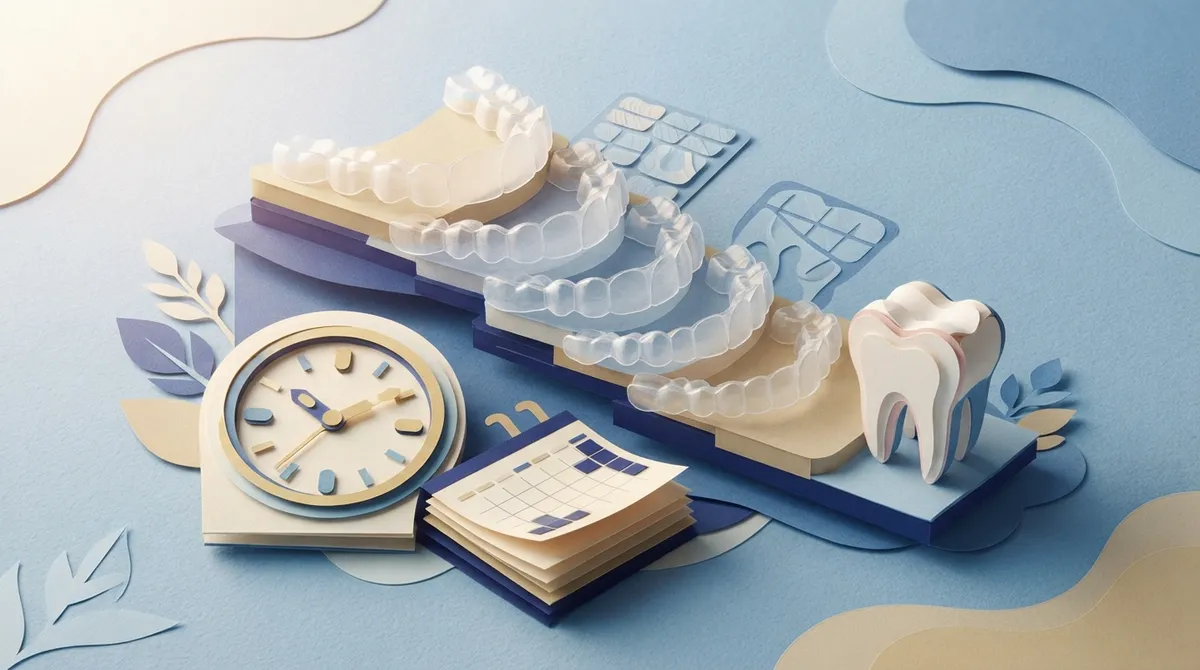
Clear aligners are custom removable trays that move teeth gradually, with each new tray in the series taking one small step toward the final result.
-
Aligners typically need to be worn about 22 hours a day, since teeth only move while the trays are in; skipping wear time slows progress.
-
Clearwater treatment timelines commonly run about 9 to 18 months, and one local practice estimates costs at $3,500 to $6,000, though a personalized written quote is the only reliable figure.
-
Not every case suits aligners; complex bite corrections may work better with braces or a combined approach, so an in-person exam is essential before starting.
-
Check insurance coverage first, and confirm whether retainers and refinement trays are included in your quote before committing to treatment.
-
Retainers are essential after active treatment because teeth tend to drift back, especially in the months right after aligners are finished.
Thinking about straightening your smile without a mouth full of metal? You are not alone. Clear aligners in Clearwater have become a popular choice for teens, busy professionals, and adults who want a discreet way to fix crooked or gapped teeth. They are nearly invisible, removable, and designed around your own bite.
But popular does not always mean simple. Questions pop up fast. Will aligners work for my teeth? How much will they cost? How long will I wear them? What happens when I am done?
This friendly guide walks you through all of it in plain language. You will learn how clear aligners work, who they suit best, what Clearwater patients can expect to pay, and how to get the best results. We will also share what to ask at your first visit, so you feel confident from day one. Let us dive in!
What Are Clear Aligners and How Do They Work?
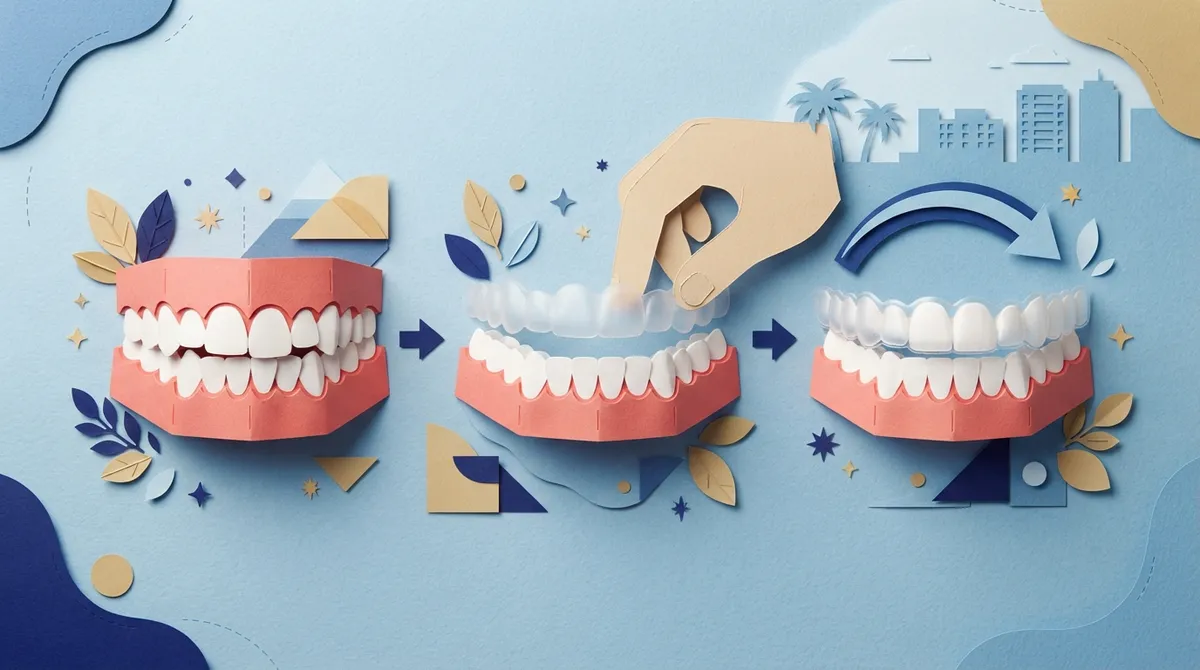
Clear aligners are custom-made, removable trays that fit snugly over your teeth. Each tray is made for your mouth. It applies gentle, steady pressure to move teeth a little at a time. You wear one set for a short period, then switch to the next set in the series.
Think of it like a staircase. Every new tray is one small step toward your final smile. Over time, those small steps add up to big changes. If you want a deeper look at the science, our guide on how removable aligners straighten teeth breaks it down nicely.
What Can Clear Aligners Treat?
Clear aligners may help with many common concerns, including:
- Crowded or overlapping teeth
- Gaps between teeth
- Crooked or rotated teeth
- Overbite and underbite
- Crossbite
- Open bite
Here is the honest part. Not every case is a perfect match. Some tooth movements work more predictably with braces, or with a mix of both. That is why a real, in-person exam matters so much. You can read more about this in 9 bite problems clear aligners may fix.
Why Clearwater Patients Choose Clear Aligners
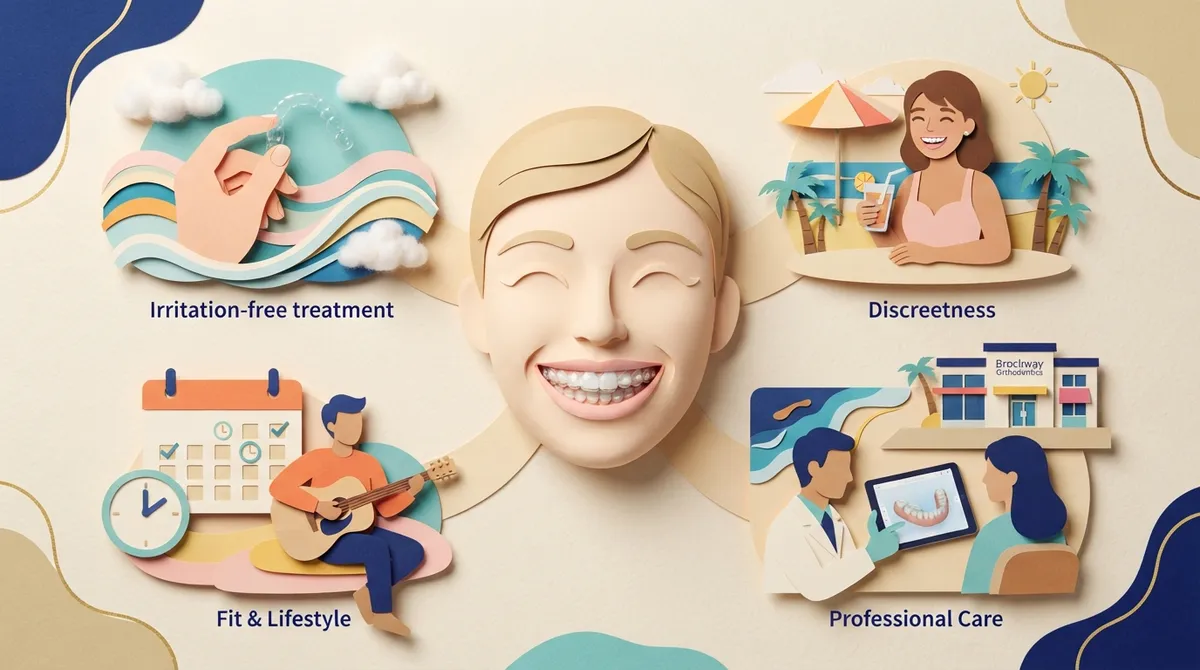
Clearwater is a lively place. People are busy with work, school, sports, and the beach. Many folks want straighter teeth without changing their daily routine. Clear aligners fit that lifestyle well.
Benefits That Matter in Real Life
- Discreet look: The trays are clear, so most people will not notice them.
- Removable: You take them out to eat, brush, and floss.
- Comfort: There are no metal brackets or wires to poke your cheeks.
- Digital planning: Your plan is mapped out in advance, so you can see where treatment is headed.
- Easier cleaning: Brushing and flossing work the same way as always.
For professionals, that discreet look is a big win. For teens, it can mean more confidence in school photos and social events. If you are a teen or a parent of one, check out 8 reasons clear aligners for teens in Clearwater work fast.
How Long Do Clear Aligners Take?
This is one of the most common questions we hear. The honest answer is: it depends. Treatment time varies based on how complex your case is and how well you follow the plan.
Local Clearwater practice pages commonly describe timelines of roughly 9 to 18 months. Simpler cases may take less time. Tougher cases may take longer. Think of those numbers as estimates, not promises.
What Affects Your Timeline?
- How much movement is needed: A small gap closes faster than heavy crowding.
- Your bite: Bite corrections can add time.
- Wear time: Skipping hours each day slows progress.
- Tray changes: Changing trays on the schedule your orthodontist gives you keeps things on track.
- Check-ins: Regular visits help catch small issues early.
- Refinements: Some cases need a few extra trays near the end to fine-tune the result.
Want to keep things moving? Our tips on keeping your clear aligner timeline on track can help.
How Many Hours a Day Should You Wear Aligners?
Here is the golden rule. According to the American Association of Orthodontists, aligners are typically worn at least 22 hours a day. You take them out for meals, for drinks other than water, and for brushing and flossing.
That may sound like a lot, but it becomes a habit quickly. Many patients tell us it feels natural after the first week or two. Aligners are commonly changed about once a week, though your exact schedule should follow your orthodontist’s instructions.
Why does wear time matter so much? Teeth only move when the trays are in. Fewer hours means slower movement, and sometimes trays stop fitting well. To learn more, read why aligner wear time affects treatment progress.
Easy Habits That Help
- Keep your case with you at all times.
- Set phone reminders to put trays back in after meals.
- Brush before you put them back in.
- Stick to water while wearing them.
- Never wrap trays in a napkin. They end up in the trash far too often!
How Much Do Clear Aligners Cost in Clearwater?
Cost is a big part of the decision, and we want to be upfront. Prices depend on your case, your treatment length, your provider, and what is included. One Clearwater practice page publishes an estimate of about $3,500 to $6,000. That is a single provider’s estimate, not a citywide average, so use it as a rough guide only.
| Factor | How It Can Affect Cost |
|---|---|
| Case complexity | More movement usually means more trays and more visits |
| Treatment length | Longer treatment often costs more |
| Provider and system | Different aligner systems and practices price differently |
| What is included | Check whether refinements and retainers are in the quote |
| Insurance and payment plans | Coverage varies, and monthly plans can ease the load |
The best move is to ask for a written, personalized quote. Confirm what is covered, including retainers and any extra trays. Our guides on budgeting for clear aligners in Clearwater and why a written orthodontic fee breakdown matters walk you through it step by step.
Does Insurance Cover Clear Aligners?
Some dental plans include orthodontic benefits, and many apply them to aligners as well as braces. Coverage differs a lot from plan to plan. Waiting periods, lifetime maximums, and age limits can all play a role. Call your insurer first, then bring your questions to your consult. This guide to using dental insurance for orthodontics is a handy starting point.
Spark Clear Aligners at Brockway Orthodontics
At Brockway Orthodontics, we offer Spark™ Clear Aligners, a more affordable option than Invisalign. Spark aligners are made to be clear, comfortable, and discreet. They are a great fit for many teens and adults who want a modern, nearly invisible way to straighten teeth.
Dr. Brockway takes time to listen to your goals and explain your options in a friendly, easy-to-understand way. If aligners are not the best match for your teeth, she will tell you honestly. In some cases, metal braces or ceramic (clear) braces may give a more predictable result. Learn more about Spark Clear Aligners or read what Spark clear aligners are and who they are for.
The best system is the one that fits your teeth and your plan. That is why the treatment plan and ongoing monitoring matter more than the brand name on the box.
Clear Aligners vs. Braces: Which Is Right for You?
Both options can create beautiful, healthy smiles. The right choice depends on your bite, your goals, and your lifestyle. Here is a simple side-by-side look.
| Feature | Clear Aligners | Braces |
|---|---|---|
| Appearance | Nearly invisible | Metal or ceramic brackets |
| Removable | Yes | No, fixed in place |
| Eating | Take out for meals | Some food restrictions apply |
| Cleaning | Brush and floss as usual | Extra care around brackets |
| Compliance | Depends on you wearing them | Works around the clock |
| Best for | Mild to moderate cases, many bite types | Complex movements and bite corrections |
Not sure which way to lean? Our comparison, braces vs. clear aligners: which Clearwater choice wins, and the guide on how to choose between clear aligners and braces can help you decide.
Who Is a Good Candidate for Clear Aligners?
Many people can benefit, but a few things help make aligners a good fit. You are often a strong candidate if you:
- Are ready to wear trays about 22 hours a day
- Have healthy teeth and gums
- Have mild to moderate crowding, spacing, or bite concerns
- Can keep up with check-ups and tray changes
- Want a discreet option for work, school, or special events
Healthy gums matter too. Cavities and gum concerns should be handled first, since moving teeth is safest in a healthy mouth. Read why cavities need attention before orthodontic treatment for more. You can also see what makes someone a clear aligner candidate.
Tips for Parents and Teens
Parents often wonder if their teen will keep up with wearing the trays. It is a fair question. Aligners work best for teens who are responsible and motivated. A little teamwork helps. Try tying tray habits to daily routines, like putting them in right after brushing. Our guide on how to know if clear aligners fit your teenager offers helpful pointers.
Tips for Adults and Retreatment Patients
Had braces years ago, and now your teeth have shifted? That is called relapse, and it is more common than you might think. Many adults choose aligners for a second round because they are discreet and easy to fit around work. A fresh evaluation will show whether aligners can bring your smile back on track. See 9 clues your teeth are moving to learn the signs.
What to Expect: The Clear Aligner Process
Knowing the steps takes away the mystery. Here is how treatment usually goes at a modern orthodontic practice.
- Consultation and exam: Your orthodontist reviews your teeth, gums, and bite. This is the time to share your goals and ask questions.
- Digital scan or impressions: At Brockway Orthodontics, we use digital impressions instead of messy molds. Learn about intraoral scanning.
- Custom treatment plan: Your plan maps out how your teeth will move, step by step.
- Tray creation: Your trays are made to fit your teeth. Manufacturing and delivery can take up to four to six weeks at some practices after scanning.
- Active treatment: You wear each tray as directed and change on schedule.
- Progress checks: Regular visits confirm your teeth are tracking as planned.
- Retainers: After active treatment, retainers help keep your new smile in place.
Some patients also get small tooth-colored bumps called attachments. They give the trays extra grip to move certain teeth. They are subtle, and they come off when treatment ends. See 5 things to know about clear aligner attachments.
Modern Technology Makes It Easier
Our practice uses digital impressions and 3D imaging to plan your care with precision. That means a more comfortable experience and a clearer picture of where treatment is headed. In certain cases, same-day treatments are possible too, so you do not have to juggle extra trips.
Caring for Your Aligners Every Day
A little daily care keeps your trays clear and fresh. Follow these simple habits:
- Rinse trays whenever you take them out.
- Brush them gently with a soft toothbrush and mild soap.
- Avoid hot water. It can warp the plastic. Learn why hot water can damage clear aligners.
- Skip coffee, tea, juice, and soda while trays are in.
- Store them in their case, never loose.
Check out this adult maintenance checklist and 12 aligner drink mistakes to avoid for more ideas.
After Treatment: Why Retainers Matter
Finishing aligners feels amazing. But your work is not quite done. Teeth have a natural tendency to drift back, especially in the first months after treatment. Retainers help hold your new smile steady.
Your orthodontist will recommend the best retainer style and a wear schedule for you. Some people wear them full-time at first, then switch to nights only. Skipping retainers is one of the most common reasons smiles shift. Read why you still need retainers after aligners and how to care for your retainer.
Questions to Ask Before You Start
A great first visit is a two-way conversation. Bring a short list of questions, such as:
- Are aligners a good match for my bite, or would braces work better?
- How long do you expect my treatment to take?
- What is the full cost, and what does it include?
- Are refinements and retainers covered?
- How often will I need check-ups?
- What happens if I fall behind on wear time?
Need more ideas? See 13 questions to ask at an orthodontic consultation and how to prepare for your consultation.
Why Choose Brockway Orthodontics in Clearwater?
Brockway Orthodontics is proud to be a trusted orthodontic home for families in Clearwater, Florida. Dr. Brockway is more than a qualified orthodontist. She truly cares about your journey, listens to your concerns, and makes sure you feel comfortable and informed from start to finish.
We treat the whole family, from teens getting a first smile makeover to adults exploring discreet options. We offer Spark Clear Aligners, metal braces, and ceramic braces, so you get honest guidance on what fits best. Curious about the doctor behind the practice? Read who the Brockway orthodontist in Clearwater is.
Want to hear from real patients? See what neighbors are saying on Google. Visit us on Google — Brockway Orthodontics and read our reviews. You can also learn about industry standards through the Florida Association of Orthodontists and general oral health guidance from the American Dental Association. For the AAO’s overview of how aligners work, visit the American Association of Orthodontists aligner guide.
Ready to Start Your Clear Aligner Journey?
Clear aligners in Clearwater can be a wonderful way to get the smile you have always wanted, without the look of traditional braces. The key is a thoughtful plan, steady wear, and a caring team to guide you. Remember that cost, timeline, and results all depend on your own teeth, so an in-person exam is the best first step.
Ready to take that step? Book your free consultation online and let us map out your options together. Prefer to chat first? Contact us and our friendly team will be happy to help. Your best smile is closer than you think!
FAQs
Q: How much do clear aligners cost in Clearwater, Florida?
A: Costs depend on how complex your case is, how long treatment takes, and what your quote includes. One Clearwater practice publishes an estimate of about $3,500 to $6,000, but that is just one provider’s range. The best way to know your real cost is to get a written, personalized quote at a consultation.
Q: How long does clear aligner treatment take?
A: Many local practices describe timelines of roughly 9 to 18 months, with simpler cases sometimes finishing sooner. Your exact time depends on your bite, how much movement is needed, and how closely you follow your wear schedule. Your orthodontist will give you a more personal estimate after your exam.
Q: Are clear aligners as effective as braces?
A: Clear aligners can work really well for many cases, including crowding, gaps, and some bite problems. Some complex movements are handled more predictably with braces or a combined approach. An in-person evaluation will show which option fits your teeth best.
Q: How many hours a day do I need to wear clear aligners?
A: The American Association of Orthodontists says aligners are typically worn at least 22 hours a day. You take them out only to eat, drink anything besides water, brush, and floss. Following your orthodontist’s exact schedule is the secret to staying on track.
Q: What happens after clear aligner treatment, and will I need retainers?
A: Yes, retainers are an important final step. Teeth can slowly drift back after treatment, and retainers help hold your new smile in place. Your orthodontist will recommend the best style and wear schedule for you.
Our Service Area