Key Takeaways
-
Personalized orthodontic treatment plans combine digital scans, 3D imaging, and AI-assisted software to simulate tooth movement before treatment begins, eliminating guesswork and ensuring precise, customized care tailored to each patient’s unique bite and goals.
-
Modern treatment plans now include a retention phase after active alignment (12-24 months), which is equally important as alignment itself; skipping retainer use is a common mistake that leads to relapse and requires retreatment.
-
Clear aligners are the fastest-growing orthodontic segment, particularly for adults seeking discreet treatment, with options like Spark™ Aligners offering comparable costs to traditional braces while fitting busy professional schedules.
-
Orthodontists now use teleorthodontics and remote monitoring to reduce in-office visits between appointments, allowing patients to access care more efficiently while maintaining treatment accuracy through technology-enabled check-ins.
-
Treatment costs typically fall under $2,000 for appliances and vary by case complexity, with flexible financing and insurance options available; metal braces remain the most budget-friendly choice compared to ceramic or clear aligners.
-
The orthodontics field has shifted toward conservative, tooth-preserving approaches, with extraction rates dropping from 37.74% to 29.28% over five years, reflecting a trend toward personalized plans that maintain natural teeth whenever possible.
Getting braces or clear aligners is exciting, but it can also feel a little overwhelming. Where do you even start? The good news is that every successful smile transformation begins with one thing: a solid orthodontic treatment plan. Think of it as your personal roadmap, guiding you step-by-step from your very first appointment to that final reveal of your new smile.
At Brockway Orthodontics in Clearwater, we’ve helped countless patients, from nervous seven-year-olds to busy working professionals, understand exactly what goes into their care. This guide will walk you through how orthodontic treatment plans are built, what technology makes them so precise today, and how you can feel confident every step of the way. Let’s get started!
What Exactly Is an Orthodontic Treatment Plan?
An orthodontic treatment plan is a custom strategy created just for you. It maps out how your teeth and jaw will move, which tools will be used, and how long the process will take. No two plans look exactly alike because no two smiles are exactly alike.
Your plan considers your bite, the position of your jaw, your facial profile, and your personal goals. This is why a cookie-cutter approach simply doesn’t work in modern orthodontics. Learning what goes into your orthodontic treatment plan can help you feel more prepared before your first visit.
Key Elements Every Plan Should Include
- A full diagnostic exam, including digital scans and X-rays
- A clear diagnosis of your bite and alignment issues
- Recommended appliances, such as braces, aligners, or expanders
- An estimated timeline for treatment
- A plan for retention after your active treatment ends
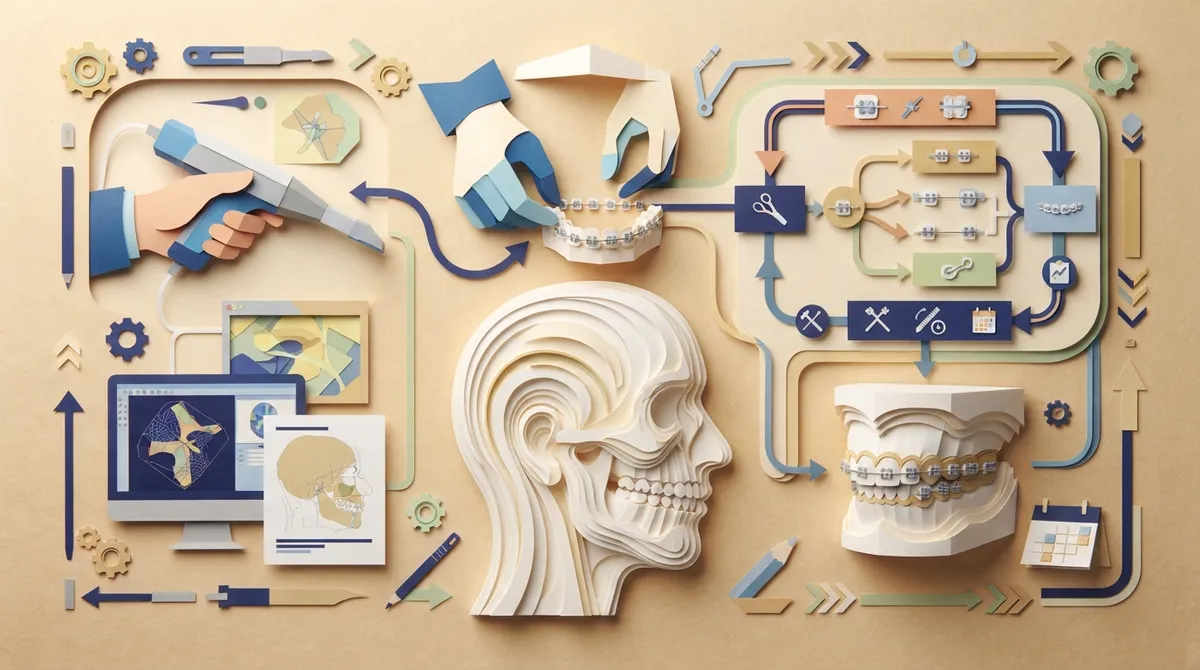
How Orthodontists Create Your Personalized Plan
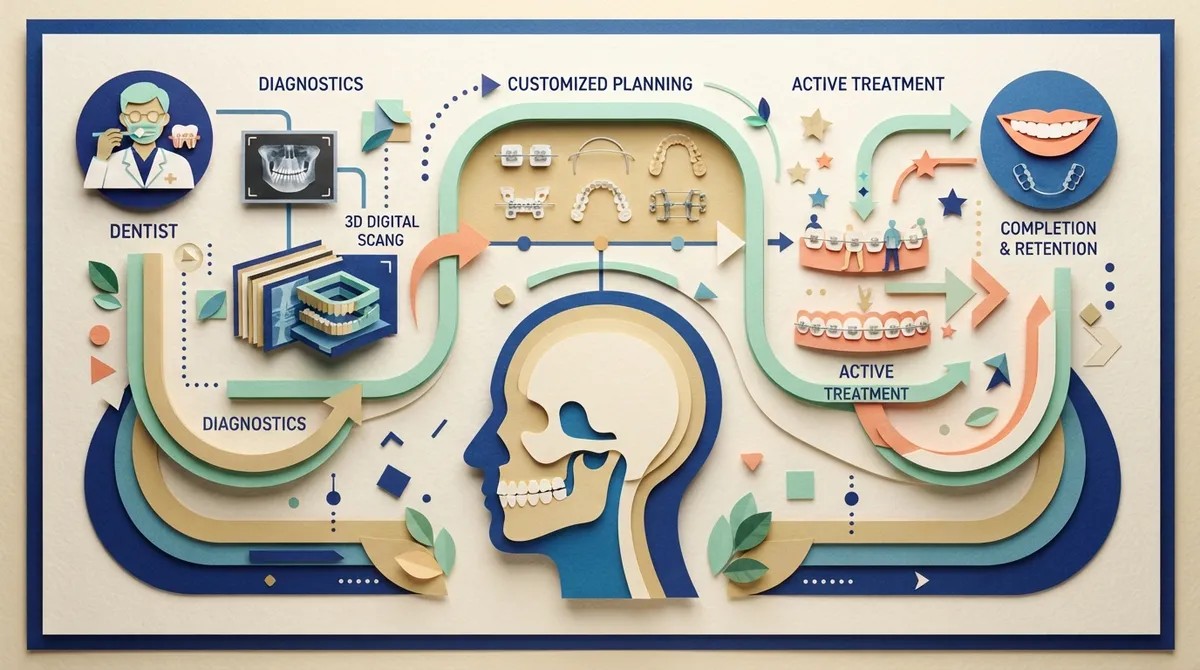
Building a treatment plan isn’t guesswork. It’s a careful, science-backed process that combines a hands-on exam with cutting-edge technology. Here’s how it typically works, step by step.
Step-by-Step: From Consultation to Final Plan
- Initial consultation: Your orthodontist reviews your smile goals and dental history during your first visit.
- Digital scanning: Instead of messy molds, we use intraoral scanners for fast, comfortable digital impressions.
- 3D imaging and CBCT: This shows the exact position of teeth, roots, and jawbone.
- Treatment simulation: Software maps out how your teeth will move, almost like a preview of your finished smile.
- Appliance selection: Your orthodontist recommends braces, clear aligners, or another option based on your case.
- Plan review: You and your orthodontist discuss the plan together before starting treatment.
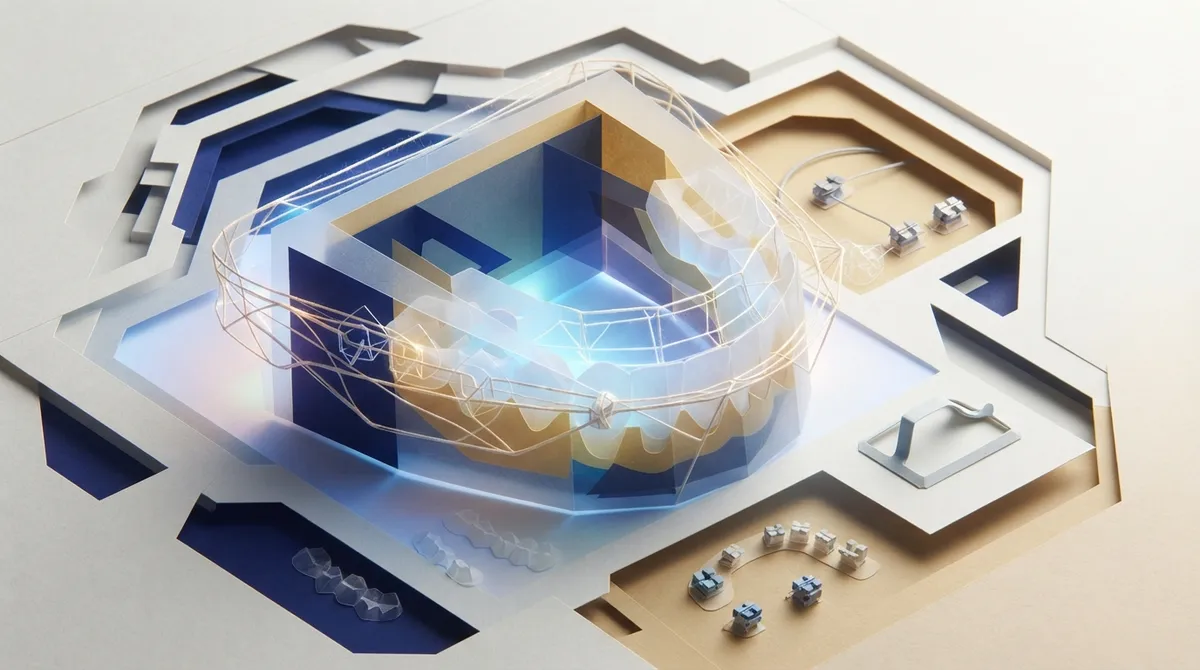
This process reflects a bigger shift happening across the field. Digital orthodontics now plays a major role in planning, including CBCT imaging and software that simulates tooth movement before treatment even begins. It’s a bit like having a GPS for your smile instead of driving blind.
Braces vs. Clear Aligners in Treatment Planning
One of the biggest decisions in any orthodontic treatment plan is choosing between braces and clear aligners. Both are excellent options, but they work differently and fit different lifestyles.
| Feature | Traditional Braces | Clear Aligners |
|---|---|---|
| Visibility | Visible metal or ceramic brackets | Nearly invisible |
| Removability | Fixed, cannot remove | Removable for eating and brushing |
| Best for | Complex bite issues | Mild to moderate cases, busy adults |
| Maintenance | Regular adjustments in-office | Trays changed at home, periodic check-ins |
| Popular option | Metal or ceramic braces | Spark™ Clear Aligners |
Clear aligners have become a major part of modern orthodontic treatment plans, especially for patients who want a more discreet option. At Brockway Orthodontics, we proudly offer Spark™ Clear Aligners as an affordable alternative for teens and adults alike. If you’re weighing your options, our guide on traditional braces vs. clear aligners breaks down which plan wins for different needs.
The Role of Technology in Modern Treatment Planning
Gone are the days of guessing how teeth will move. Today’s orthodontic treatment plans rely heavily on smart technology to boost accuracy and comfort.
- Intraoral scanners that replace uncomfortable molds
- 3D imaging for precise bite and jaw analysis
- AI-assisted software that predicts tooth movement and stages treatment
- CAD/CAM systems that design custom appliances
- Teleorthodontics and remote monitoring for check-ins between visits
AI is increasingly used to support treatment planning by helping predict how teeth will shift and recommend the right sequence of forces and appliances. This means fewer surprises and a smoother journey for you. Teleorthodontics is also expanding access, allowing some patients to reduce the number of in-office visits needed during active treatment.
Why This Matters for You
These tools aren’t just about fancy gadgets. They translate into real benefits like shorter appointment times, more comfortable visits, and treatment plans that are tailored down to the smallest detail. Our office proudly uses this technology to make your experience smoother from day one, as explained on our services page.
Treatment Plans by Life Stage
Your age and lifestyle play a big role in shaping your orthodontic treatment plan. Let’s look at how plans differ across common patient groups.
Children and Early Treatment
Parents often wonder when their child should first see an orthodontist. Early treatment, sometimes called Phase 1, can guide jaw growth and create room for permanent teeth. Learn more about early treatment and why timing matters so much for growing smiles.
Teens and Young Adults
Teenagers often want options that fit their active social lives, whether that’s prepping for photos or a big graduation. Our adolescent treatment plans balance effectiveness with lifestyle-friendly appliance choices.
Adults and Professionals
More adults than ever are seeking discreet, efficient treatment that fits around demanding careers. Our adult treatment options are designed with busy schedules in mind, often featuring clear aligners for a low-profile transformation.
Retreatment for Relapsed Smiles
If your teeth have shifted after previous orthodontic work, you’re not alone. Many adults return for retreatment to restore results they once loved. A personalized plan can address relapse while considering your original treatment history.
How Long Does an Orthodontic Treatment Plan Take?
Treatment length depends on your specific case, but most plans include distinct phases:
- Active alignment phase: Teeth are gradually moved into their correct positions, typically taking 12 to 24 months.
- Bite correction phase: Adjustments fine-tune how your upper and lower teeth meet.
- Retention phase: Retainers hold your new smile in place long-term.
- Follow-up phase: Periodic check-ins ensure lasting results.
Don’t skip that final phase. Our retainers guide explains why consistent wear is essential for keeping your smile straight for years to come.
What Does an Orthodontic Treatment Plan Cost?
Cost is a real factor for most families, and it’s completely understandable to want clarity upfront. Pricing depends on case complexity, appliance type, and treatment length.
| Treatment Type | Typical Cost Range | Notes |
|---|---|---|
| Metal braces | Varies by case | Often the most budget-friendly option |
| Ceramic (clear) braces | Slightly higher than metal | More discreet appearance |
| Clear aligners | Comparable to braces | Spark™ Aligners offer an affordable alternative |
| Average appliance cost | Under $2,000 in many cases | Actual costs vary by complexity and location |
One 2026 industry report notes average orthodontic appliance costs can be less than $2,000, though this varies widely based on your specific needs. We’re proud to make care accessible, and you can explore financing and insurance options designed to fit real family budgets.
Growing Demand for Personalized Orthodontic Care
The orthodontics field is expanding fast, and personalized treatment plans are a big reason why. Industry data shows the global orthodontics market is projected to grow from $8.84 billion in 2024 to $43.60 billion by 2035. One 2025 report also predicts the U.S. orthodontic market will grow by 10% within the year.
Interestingly, extraction rates in orthodontics have dropped from 37.74% to 29.28% over five years. This reflects a shift toward more conservative, personalized treatment approaches that preserve natural teeth whenever possible. Clear aligners remain one of the fastest-growing segments, driven largely by adult demand for aesthetic, comfortable options.
Why Choose Local, Personalized Care
- Face-to-face relationships with your orthodontist
- Treatment plans built around your unique bite and goals
- Access to modern technology without long wait times
- Ongoing support throughout every phase of treatment
- A team that knows your name, not just your file number
According to the American Dental Association, regular orthodontic checkups play a key role in long-term oral health, not just cosmetic results. The Florida Association of Orthodontists also emphasizes that personalized, evidence-based care leads to better long-term outcomes for patients of all ages.
What Happens After Treatment Ends?
Finishing active treatment is a huge milestone, but your orthodontic journey doesn’t end there. Retention is just as important as the alignment phase itself.
- You’ll receive a custom retainer to maintain your results
- Follow-up visits check that your bite and alignment remain stable
- Your orthodontist will guide you on retainer wear schedules
- Any minor relapse can be caught early and addressed quickly
Skipping retention is one of the most common mistakes patients make. Wearing your retainer as directed protects the investment you made in your smile.
Choosing the Right Orthodontic Partner in Clearwater
Your treatment plan is only as good as the orthodontist behind it. Dr. Brockway takes time to listen to your goals, explain your options in plain language, and design a plan that truly fits your life. Whether you’re a parent exploring options for your child or an adult ready for a confident new smile, our Clearwater team is here to help.
We combine modern technology, including digital scans and 3D imaging, with a warm, family-focused approach. In select cases, we even offer same-day treatment starts, so you don’t need to juggle multiple appointments just to get going. You can learn more about Dr. Brockway and her passion for the Clearwater community, or explore our office to see what a visit looks like.
Curious what real patients say about their experience? Feel free to visit us on Google — Brockway Orthodontics to read reviews from families just like yours. You can also connect with us on Facebook or follow along on Instagram for smile transformations and helpful tips.
Ready to Start Your Orthodontic Treatment Plan?
Every great smile starts with a single step: a personalized consultation. Whether you’re exploring braces for your teen, considering clear aligners for yourself, or returning for retreatment after relapse, Brockway Orthodontics is here to guide you with warmth, expertise, and modern care in Clearwater, Florida.
Ready to see what your custom treatment plan could look like? Book your free consultation online today, or feel free to reach out to our friendly team with any questions. We can’t wait to help you love your smile!
FAQs
Q: What is included in an orthodontic treatment plan?
A: A typical plan includes a full exam, digital scans, a diagnosis of your bite, recommended appliances like braces or aligners, an estimated timeline, and a retention plan afterward. Every plan is personalized, so no two look exactly the same. We’ll walk you through each part so nothing feels like a mystery!
Q: How does an orthodontist create a treatment plan?
A: Your orthodontist starts with a consultation, then uses digital scans and 3D imaging to map out your teeth and jaw. Software helps simulate how your teeth will move before treatment even begins. It’s a thoughtful, tech-supported process designed just for your smile.
Q: What is the difference between braces and clear aligners in treatment planning?
A: Braces are fixed and great for more complex bite issues, while clear aligners are removable and better suited for mild to moderate cases. Both can be part of a highly effective treatment plan. It really comes down to your goals, lifestyle, and what your orthodontist recommends.
Q: How long does an orthodontic treatment plan usually take?
A: Most plans take between 12 and 24 months for active tooth movement, followed by a retention phase. Your exact timeline depends on your case complexity and how consistently you follow your orthodontist’s guidance. We’ll give you a realistic estimate at your first visit.
Q: How much does an orthodontic treatment plan typically cost?
A: Costs vary based on the appliance type and complexity of your case, though average appliance costs often fall under $2,000. We offer flexible financing and insurance options to help make treatment affordable for your family. Our team is happy to walk you through the details during your consultation.
Our Service Area