Key Takeaways
-
Clear aligners require strict 22-hour daily wear to be effective; skipping wear time is a major risk that can delay or derail treatment, making braces the better choice for patients who struggle with compliance.
-
Braces are the gold standard for severe crowding, major overbites, significant tooth rotation, and complex bite issues, while aligners work best for mild to moderate cases.
-
Both treatments cost similarly ($3,000-$8,000), but clear aligners typically complete treatment faster (12-18 months) compared to traditional braces (18-24 months) for appropriate cases.
-
For teens, braces work 24/7 without requiring action and better suit adolescent growth changes, while aligners need maturity and responsibility; assess your teen’s ability to commit before choosing.
-
Adults can choose clear aligners for discretion in professional settings or ceramic braces for a subtle appearance, but complex bite issues still require traditional braces for best clinical outcomes.
-
After treatment ends with either option, consistent retainer wear is essential to prevent relapse—start with full-time wear, then switch to nighttime wear long-term.
Choosing between aligners vs braces is one of the most common questions we hear at orthodontic offices. And honestly, it makes sense! Both options can give you a beautiful, healthy smile — but they work quite differently. Whether you’re a parent researching options for your child, a teen who wants something discreet, or an adult professional ready to finally invest in your smile, this guide is for you.
The good news? There’s no universally “wrong” choice. The best treatment depends on your specific dental needs, lifestyle, and personal preferences. Let’s walk through everything you need to know so you can make a confident, informed decision. By the end, you’ll have a clear picture of which path leads to your best smile.
What Are Braces and How Do They Work?
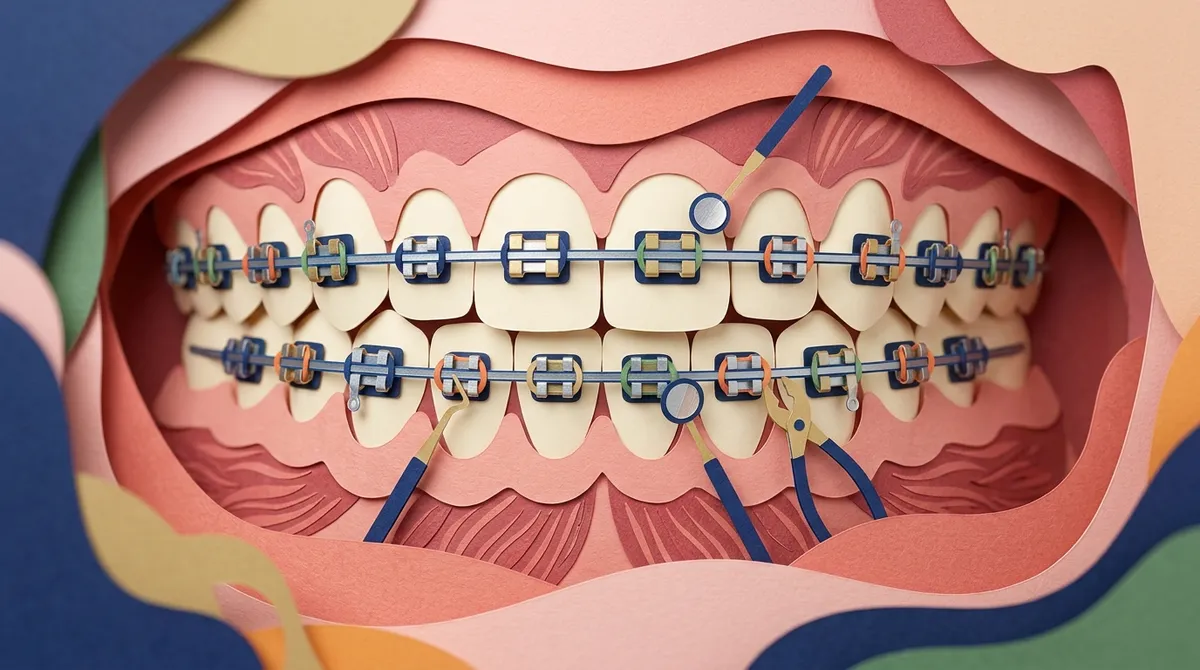
Traditional braces have been around for decades — and they remain incredibly effective. They consist of metal or ceramic brackets bonded directly to your teeth. A wire runs through each bracket, and small elastic bands (called ligatures) hold everything together. As your orthodontist adjusts the wire over time, your teeth gradually move into their correct positions. You can learn more on our All About Braces page.
One key thing to know: braces cannot be removed until your treatment is complete. This is actually a big advantage for certain cases. Because they’re always working, they deliver consistent, reliable results — regardless of patient behavior. The American Dental Association recognizes traditional braces as a proven, effective solution for a wide range of orthodontic issues.
Types of Braces Available
- Metal braces: The classic option — durable, affordable, and highly effective for all case types
- Ceramic (clear) braces: Tooth-colored brackets that blend in with your smile for a more discreet look
- Teen-specific braces: Designed with features like compliance indicators to make treatment easier for younger patients
At Brockway Orthodontics in Clearwater, we offer both metal and ceramic braces for patients of all ages. You can explore our full range of options on our Services page to find the right fit for your family.
What Are Clear Aligners and How Do They Work?
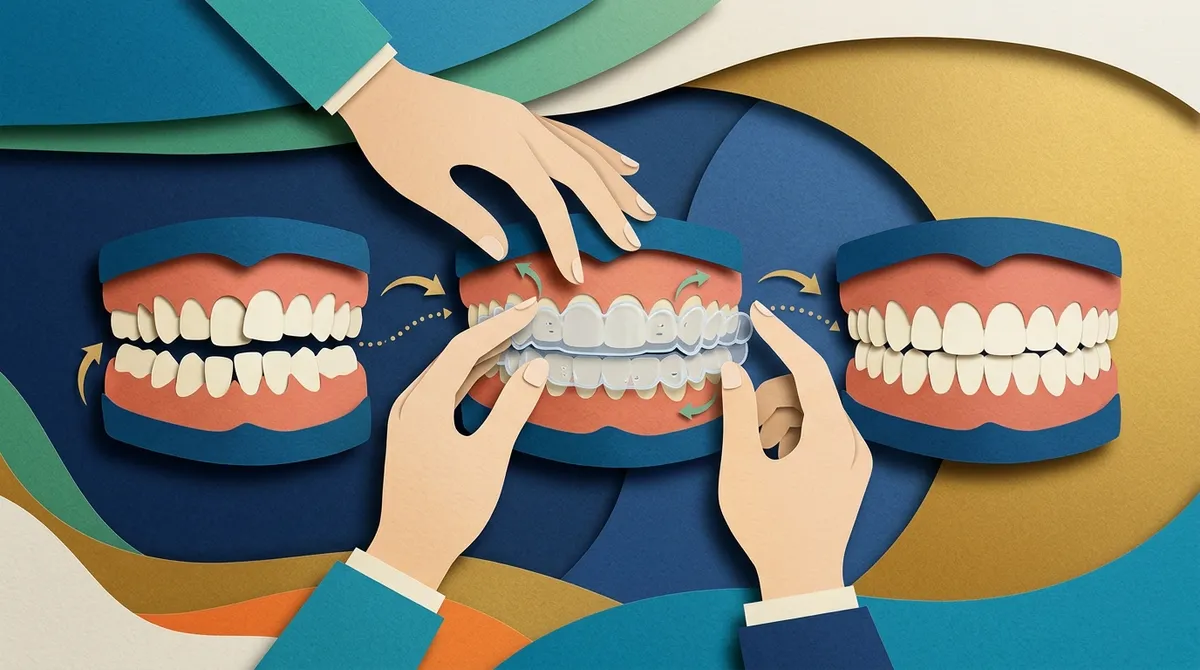
Clear aligners are removable trays made from medical-grade, BPA-free plastic. You wear a series of custom-made trays, each designed to shift your teeth a tiny bit at a time. Every one to two weeks, you move to the next tray in the series. Over time, your teeth gradually reach their ideal positions.
The catch? You need to wear them for at least 22 hours per day to get results. That means they stay in while you sleep, work, and go about your day — coming out only to eat, drink anything other than water, and brush your teeth. If you’re interested in this option, check out our Spark™ Clear Aligners page to learn about the specific system we offer.
Why Patients Love Clear Aligners
- Nearly invisible — most people won’t even notice you’re wearing them
- Removable for eating, so no food restrictions apply
- Easier to brush and floss compared to braces
- Fewer in-office visits required during treatment
- Smooth plastic trays are generally comfortable against gum tissue
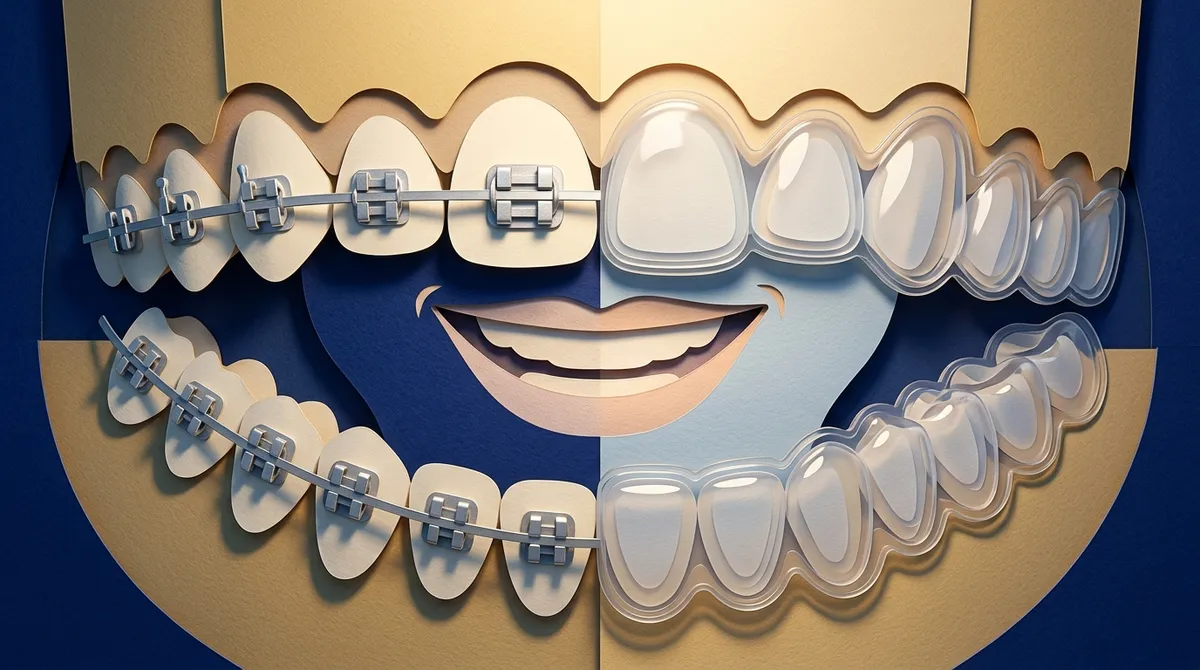
Aligners vs Braces: A Side-by-Side Comparison
Let’s look at how these two options compare across the most important factors. This table makes it easy to spot the differences at a glance.
| Feature | Clear Aligners | Traditional Braces |
|---|---|---|
| Visibility | Nearly invisible | More noticeable (clear option available) |
| Removability | Yes — removable | No — fixed until treatment ends |
| Food restrictions | None (remove to eat) | Yes — avoid sticky, hard, crunchy foods |
| Oral hygiene | Easier to brush and floss | Requires careful cleaning around brackets |
| Patient compliance | Critical — must wear 22 hrs/day | Not required — always working |
| Complex cases | Limited effectiveness | Best for severe/complex issues |
| Average treatment time | 12–18 months (mild/moderate cases) | 18–24 months (varies by complexity) |
How Much Do Aligners vs Braces Cost?
Cost is often one of the first questions patients ask — and that’s completely understandable! Here’s a general breakdown of what you can expect to invest in each option. Keep in mind that costs vary based on your case complexity, location, and insurance coverage. Our Financing and Insurance page has more details on how to make treatment affordable.
| Treatment Type | Typical Cost Range | Treatment Duration |
|---|---|---|
| Metal Braces | $3,000 – $7,000 | 18–24 months |
| Ceramic Braces | $4,000 – $8,000 | 18–24 months |
| Clear Aligners | $4,000 – $8,000 | 12–18 months (mild/moderate cases) |
The good news is that many insurance plans cover a portion of orthodontic treatment, regardless of the method you choose. You can also ask about flexible payment plans. To learn how to make the most of your dental benefits, read our guide on how to use dental insurance to help pay for braces.
Which Cases Are Best Suited for Each Treatment?
This is where the decision often gets made. Your orthodontist will evaluate your bite, crowding, spacing, and jaw alignment to recommend the most effective treatment. Here’s a general guide to help you understand which option typically works best for different situations.
| Orthodontic Issue | Best Treatment Option |
|---|---|
| Mild crowding or spacing | Clear aligners or braces |
| Moderate crowding | Either — depends on specifics |
| Severe crowding | Braces (more precise control) |
| Simple bite correction | Clear aligners or braces |
| Major overbite/underbite correction | Braces (gold standard) |
| Significant tooth rotation | Braces |
| Aesthetics are top priority | Clear aligners or ceramic braces |
If you’re dealing with a complex bite issue, braces may deliver a better outcome. If you have mild to moderate misalignment and value discretion, aligners could be ideal. For a deeper look at overbite correction, see our article on how braces fix a deep overbite.
How to Decide Which Option Is Right for You
Ready to make your decision? Follow these steps to narrow down your best choice. This process works for parents, teens, and adults alike!
- Assess your dental complexity: Start by scheduling a consultation. An orthodontist will examine your teeth and bite to determine which treatments are clinically appropriate for your case.
- Honestly evaluate your compliance: Can you commit to wearing aligners for 22 hours a day, every day? If you have a busy lifestyle or know you might forget, braces may be the more reliable option.
- Think about your lifestyle: If you’re a professional who needs a discreet look, or a teen worried about appearance in photos, aligners or ceramic braces may feel like a better fit.
- Consider your diet: Love crunchy snacks, popcorn, or hard candies? With aligners, you simply remove them to eat. With braces, you’ll need to adjust your diet throughout treatment.
- Review your budget: Both options fall in a similar price range, but your insurance coverage and available payment plans may influence your decision.
- Ask about treatment time: Simpler aligner cases can wrap up in as little as 8 to 10 months. More complex braces cases may take up to 24 months. Knowing your timeline can help you plan around milestones.
Our Your First Visit page gives you a great overview of what to expect when you come in for a consultation. It’s a relaxed, informative appointment — no pressure at all!
Aligners vs Braces for Teens: What Parents Should Know
If you’re a parent researching options for your child or teenager, you might be wondering which option makes more sense for a younger patient. The honest answer? It depends on maturity and responsibility level. Clear aligners require discipline — a teen who forgets to wear their trays won’t see the results they’re hoping for.
Braces, on the other hand, work 24/7 without requiring any action from your child. They also tend to be better suited for the more complex dental changes that happen during adolescent growth. You can explore more about teen-specific treatment options on our Adolescent Treatment page. The Florida Association of Orthodontists also recommends that children have their first orthodontic evaluation by age 7, so early planning is key!
Signs Your Teen May Be Ready for Aligners
- They consistently follow through with responsibilities at school and home
- They’re self-motivated and care about their appearance
- Their dental case is mild to moderate in complexity
- They understand the 22-hour wear commitment and are on board
Aligners vs Braces for Adults: Finding the Right Fit
In 2026, more adults than ever are pursuing orthodontic treatment — and both options are excellent for grown-up smiles. If you’re an adult professional who wants something discreet, clear aligners are a fantastic choice. You can attend meetings, give presentations, and go on dates without anyone noticing you’re in treatment.
That said, if you have a more complex bite issue or significant crowding, braces may still be the best clinical choice. The great news is that ceramic (clear) braces blend beautifully with your natural tooth color, offering a much more subtle look than traditional metal. Check out our Adult Treatment page to see all your options. You might also enjoy reading why so many adults are getting orthodontic treatment in 2026!
Life After Treatment: Don’t Forget Your Retainer!
Here’s something many patients don’t think about until treatment ends — retainers! Whether you choose aligners or braces, you’ll need to wear a retainer after treatment to keep your teeth in their new positions. Skipping this step is one of the most common reasons for orthodontic relapse. Learn more about post-treatment care on our Retainers page.
- Full-time wear first: Most patients wear their retainer full-time for several months after treatment ends.
- Nighttime wear long-term: After that, most people switch to wearing their retainer only at night — often for life.
- Replace when needed: Retainers can wear out or break over time. Replace them promptly to protect your results.
Why Choose Brockway Orthodontics for Your Treatment
At Brockway Orthodontics in Clearwater, Florida, Dr. Brockway and her team genuinely care about every patient’s journey. Whether you’re considering Spark™ Clear Aligners or traditional braces, you’ll get a personalized treatment plan designed just for you. Dr. Brockway uses the latest technology — including digital impressions and 3D imaging — to make your experience as comfortable and precise as possible. Visit us on Google — Brockway Orthodontics to read reviews from real patients in the Clearwater community!
We love working with families, teens, adults, and even patients returning for a second round of treatment. No matter where you are in your smile journey, we’re here to help. You can also follow along with our patient stories and tips on our Instagram page for a feel of what life at Brockway Orthodontics is really like.
Choosing between aligners vs braces doesn’t have to be stressful. The most important step is simply getting a professional evaluation so you know exactly what your smile needs. We make that easy with a friendly, no-pressure consultation. Book your free consultation today and let’s figure out the best path to your happiest, healthiest smile together!
FAQs
Q: Are clear aligners better than braces for adults?
A: It really depends on your specific dental needs! Clear aligners are a fantastic choice for adults with mild to moderate misalignment who want a discreet option. However, if you have a complex bite issue or significant crowding, braces may actually deliver better results. A quick consultation with your orthodontist will give you a clear answer.
Q: Can clear aligners fix severe crowding or overbites?
A: Clear aligners work best for mild to moderate crowding and simple bite corrections. For severe crowding, major overbites, or significant tooth rotation, traditional braces are typically the gold standard. Your orthodontist will assess your case and recommend the most effective treatment for your specific situation.
Q: What happens if I don’t wear my aligners for 22 hours a day?
A: Skipping wear time is one of the biggest risks with clear aligners! If you consistently wear them for fewer than 22 hours a day, your teeth won’t move as planned, which can delay or even derail your treatment. Think of it like a prescription — the treatment only works when you follow the directions consistently.
Q: How long does treatment take with aligners vs braces?
A: Clear aligners typically take 12 to 18 months for mild to moderate cases, and some simple cases can wrap up in as little as 8 to 10 months. Traditional braces generally take 18 to 24 months, depending on the complexity of your case. Your orthodontist will give you a personalized timeline estimate at your consultation.
Q: Is it easier to clean your teeth with braces or clear aligners?
A: Oral hygiene is generally easier with clear aligners since you simply remove them to brush and floss like normal. With braces, you’ll need to clean carefully around brackets and wires, which takes a bit more time and technique. Either way, keeping your teeth clean during treatment is super important for a healthy, beautiful outcome!
Our Service Area