Key Takeaways
-
Neither Spark aligners nor braces is better for everyone; the right choice depends on your bite, tooth movements, lifestyle, and how reliably you can follow a plan.
-
Spark aligners are removable and less visible but require wearing trays about 22 hours a day, so they suit people who can stay disciplined about wear time.
-
Braces are fixed and work around the clock, making them a better fit for complex bite problems or for those who want treatment they don't have to manage daily.
-
Treatment length varies: braces commonly take about 12 to 24 months, while aligner timelines depend on your case and how consistently you wear the trays.
-
No independent study known to the article's authors directly compares Spark with braces on results, so your orthodontist's evaluation of your teeth is the most reliable guide.
-
Retainers are generally needed after either treatment to keep teeth from drifting back, so ask about your retention plan before starting.
Picture this: you’re finally ready to fix your smile, and suddenly you’re staring at two big choices. Clear trays or brackets and wires? If you’re stuck on Spark aligners versus braces, take a deep breath. You’re in good company, and the answer is simpler than you might think.
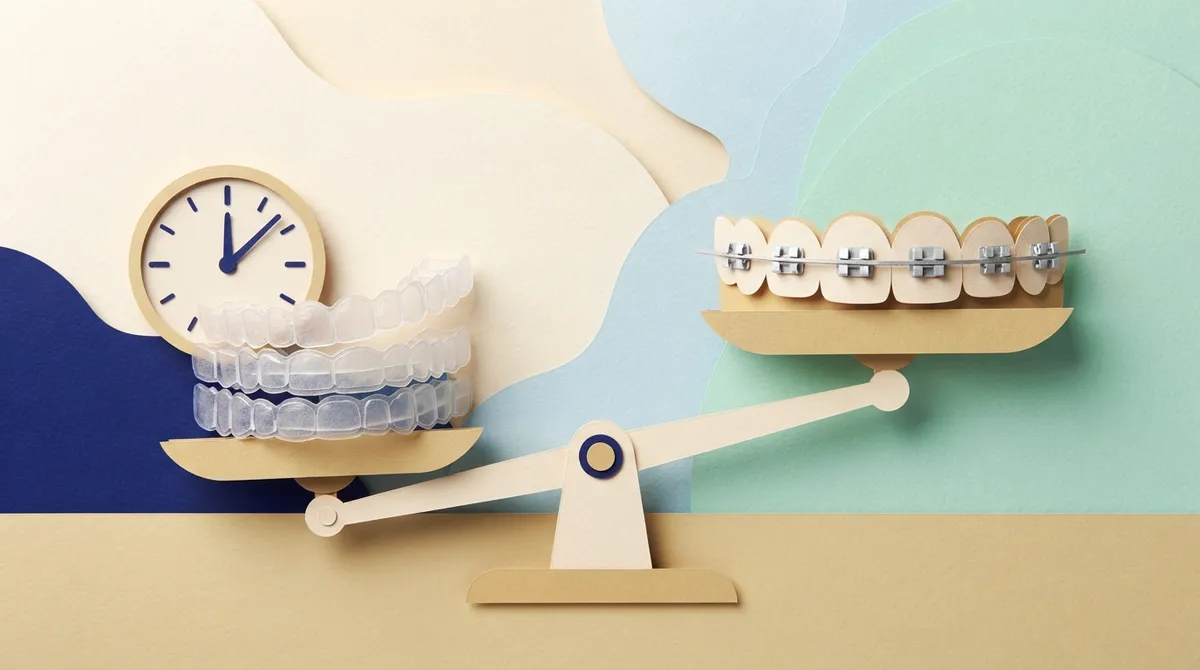
Here’s the good news. Neither option is “better” for everyone. The right pick depends on your bite, your teeth, your lifestyle, and your habits. A teen with a packed sports schedule has different needs than an adult professional who gives presentations all week.
In this friendly guide, we’ll walk through how Spark aligners versus braces really compare. You’ll learn how each one works, who each one suits, and what questions to ask. By the end, you’ll feel ready to make a choice that fits your life. Let’s dive in!
What Are Spark Aligners and How Do They Work?
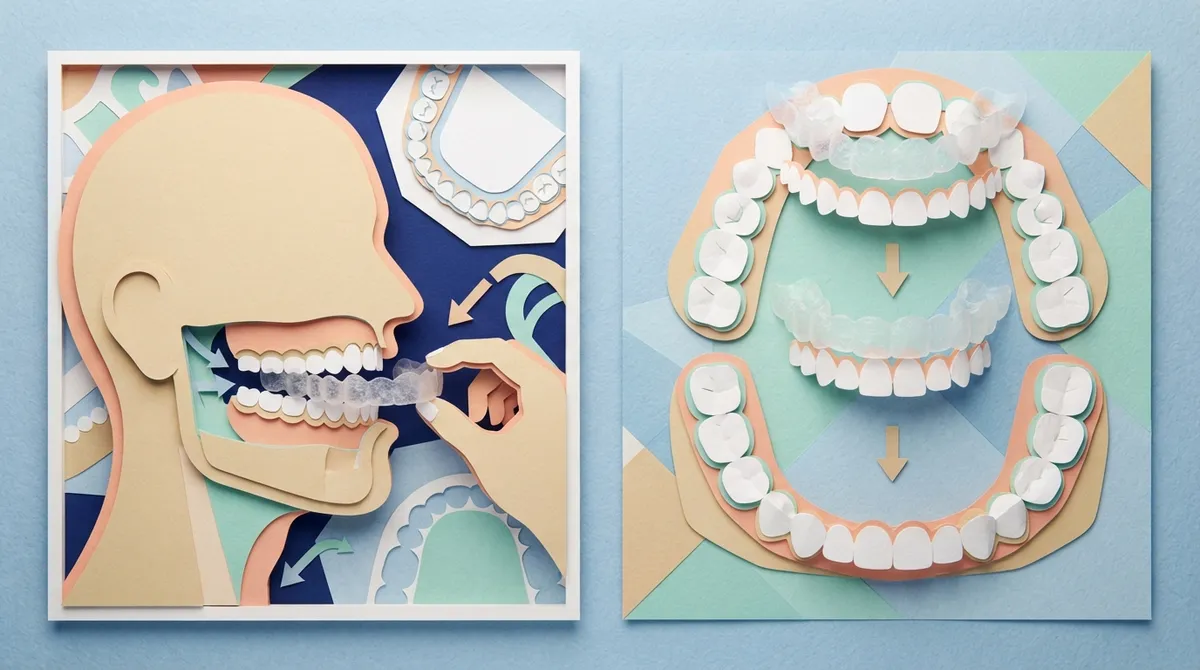
Spark is a brand of custom-made clear aligners. These are thin, see-through plastic trays that gently move your teeth, step by step. They are not a separate type of braces. They are a different tool for straightening teeth.
An orthodontist plays a big role here. Your orthodontist checks your bite, plans your tooth movements, and watches your progress along the way. That guidance matters, because every smile is different.
Here is how the basic process works:
- Exam and records. Your orthodontist looks at your teeth, bite, and oral health.
- Treatment plan. A custom plan maps out how your teeth need to move.
- Your set of trays. Each tray is shaped a little differently from the last.
- Regular wear. You switch to a new tray on the schedule your orthodontist sets.
- Check-ins. Your orthodontist tracks progress and adjusts the plan if needed.
You can learn more about this option on our page for Spark™ Clear Aligners.
What Are Braces and How Do They Work?
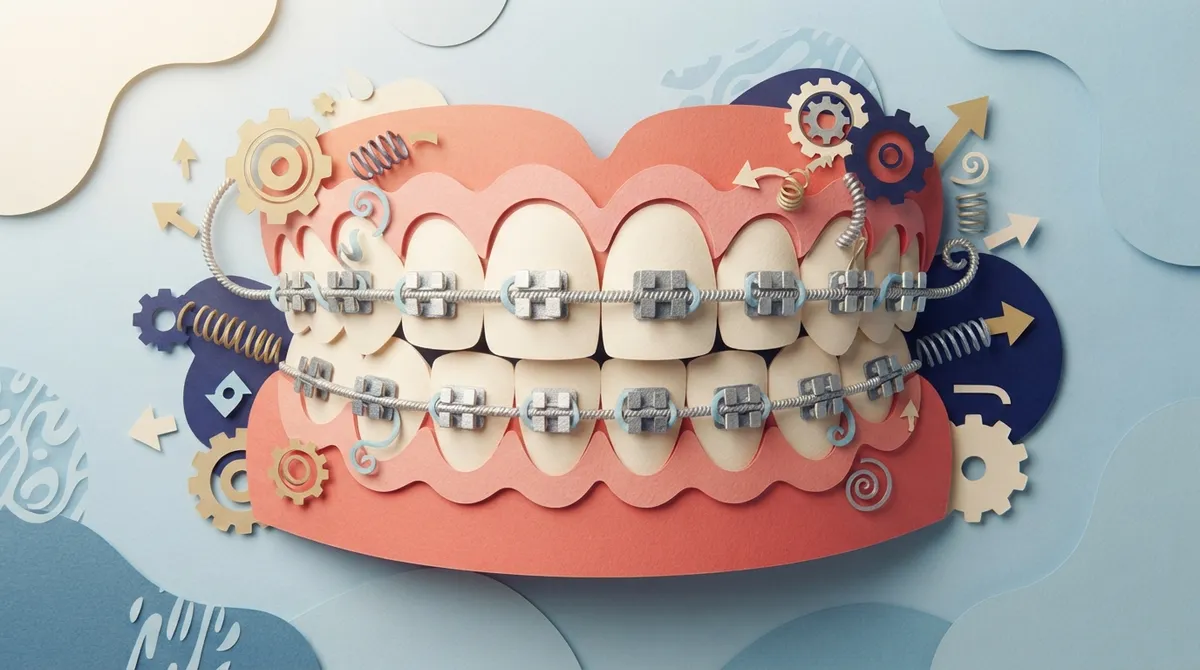
Braces are fixed appliances. Small brackets are attached to your teeth, and a wire connects them. Gentle, steady pressure moves your teeth into place over time. Because braces stay on your teeth, you can’t take them out. That means they work around the clock.
Braces can treat a broad range of orthodontic problems, including many complex bite issues. Options include metal braces and ceramic (clear) braces. Ceramic braces blend in more with your natural tooth color, while metal braces are a classic, reliable choice.
Want the full picture? Check out our guide on All About Braces to see what a typical journey looks like.
Spark Aligners Versus Braces: A Side-by-Side Comparison
Sometimes a quick chart says it all. Here is how Spark aligners versus braces stack up on the things people ask about most.
| Factor | Spark Aligners | Braces |
|---|---|---|
| Appearance | Clear trays, less visible | Metal or ceramic brackets and wires |
| Removable? | Yes, you take them out | No, fixed to teeth |
| Daily wear | About 22 hours per day | Always on |
| Eating | Remove trays to eat | Avoid hard, sticky, chewy foods |
| Cleaning | Brush and floss as usual | Clean around brackets and wires |
| Case range | Depends on the case | Broad range, including complex bites |
| Tray or visit routine | New tray every one to two weeks, per plan | Adjustment visits with your orthodontist |
Keep in mind that this table gives general information. Your own plan may look a bit different, and that is perfectly normal.
The Biggest Differences You’ll Notice Day to Day
Looks and Confidence
Many teens and adults love that aligners are less visible. If you have a big event coming up, like graduation or a work presentation, a discreet option can feel really appealing. Braces are more noticeable, but ceramic braces can help them blend in. And let’s be honest, plenty of people rock their braces proudly, with colorful bands and all!
Eating and Drinking
With aligners, you take the trays out to eat. That means you can enjoy your favorite foods without worrying about brackets. Spark’s manufacturer says to remove aligners for meals and for drinks other than cool water. You also need to brush before putting them back in.
With braces, you keep them on while you eat. So you’ll want to skip hard, sticky, or chewy foods that can damage brackets or wires. Need ideas? Our friendly food guide for braces has plenty of tasty options.
Cleaning Your Teeth
Aligners make brushing and flossing feel normal, since you simply take them out. Braces ask for a bit more patience. You’ll need to clean around every bracket and under the wires. It’s very doable, just a little more time-consuming. Our tips on how to brush teeth with braces can help you get into a smooth routine.
Comfort
Both treatments can cause some pressure or mild soreness. It tends to show up after an adjustment with braces, or when you start a new tray with aligners. This is normal and usually settles down after a few days. Your orthodontist can share simple tips to keep you comfortable.
Who Might Do Well With Spark Aligners?
Aligners can be a great fit when your case suits them and you can stick with the plan. Spark may be a good match if you:
- Want a discreet, removable option
- Can reliably wear your trays about 22 hours a day
- Are comfortable keeping track of your trays and cleaning routine
- Have tooth movements that clear aligners can handle
- Like the idea of eating without any food rules from brackets
Adult professionals often love this route because it fits into busy, image-conscious schedules. Teens and young adults who want a modern, low-profile look often enjoy it too. If you want a closer look at why many people choose it, read about why adults and teens love Spark Clear Aligners.
One honest note: removable also means responsible. If trays aren’t worn enough, or if they get lost, treatment can slip off track. Be real with yourself about your habits. That honesty will serve you well.
Who Might Do Better With Braces?
Braces can be a smart pick when you need steady, nonstop movement, or when your case is more complex. Braces may be a good fit if you:
- Have a more complex bite or tooth movement plan
- Prefer a “set it and forget it” approach with nothing to remove
- Worry that you might forget to wear removable trays
- Want a treatment you don’t have to manage hour by hour
Parents of children and teens often lean toward braces, since they work whether or not a busy kid remembers to wear anything. That is a real comfort for many families. For young patients, you may also like our overview of adolescent treatment.
Some cases even combine approaches. For example, aligners may use small attachments or elastics to help with certain movements. Your orthodontist will tell you what your case calls for.
How Long Does Treatment Take?
This is one of the most common questions, and the honest answer is: it depends. According to the American Association of Orthodontists, braces treatment commonly lasts about 12 to 24 months. Spark does not promise a standard timeline. Its materials say the timing depends on your orthodontic needs.
Wear time with aligners is a big factor. Spark’s manufacturer recommends about 22 hours of daily wear, and aligners are commonly changed every one to two weeks, following your orthodontist’s plan. If you wear them less than you should, your timeline can stretch out.
Treatment time for braces also varies by person and by bite problem. If you’d like to explore this more, we wrote a handy timeline guide on how long braces take to work.
One more thing worth saying plainly: no independent study that we know of directly compares Spark with braces on results. So be cautious of any claim that one is clearly superior. Your orthodontist’s evaluation of your own teeth is the most reliable guide.
How to Decide: A Simple 6-Step Approach
Ready to make a choice you feel good about? Walk through these steps.
- Get a proper evaluation. An orthodontist should look at your bite, tooth movements, and oral health first. This step shapes everything else.
- Ask which movements your case needs. Some movements suit aligners well. Others may point toward braces.
- Be honest about your habits. Can you wear trays about 22 hours a day? Will you remember to take them out for meals and put them back in?
- Think about your lifestyle. Consider your job, school, sports, music, and social calendar.
- Compare costs and visits. Ask about the total cost, how often you’ll come in, and what’s included.
- Plan for retention. Ask what happens after treatment, because both options need a plan to keep your results.
Not sure how to pay for treatment? Take a look at our page on financing and insurance to see what’s possible.
Don’t Skip the Retainer
Here’s something every patient should hear. After either treatment, you’ll generally need retainers to help keep your new smile in place. Teeth like to drift back toward where they started, so retention is a big part of long-term success.
This matters a lot for adults returning for a second round of treatment after relapse. A good retainer plan is the best way to protect your investment. Learn more on our retainers page, and ask your orthodontist about the retention plan before you begin.
Questions to Bring to Your Appointment
Walking in with a few questions makes your visit smoother. Consider asking:
- Which option fits my bite and goals best, and why?
- Will I need attachments, elastics, or refinements?
- How many visits should I expect?
- What is the total cost, and what does it include?
- What retainer plan do you recommend afterward?
Your first visit is a great time to ask these. There’s no such thing as a silly question when it comes to your smile!
Why Families Choose Brockway Orthodontics
At Brockway Orthodontics, we offer Spark™ Clear Aligners, metal braces, and ceramic (clear) braces, all in one welcoming Clearwater, Florida practice. Spark is a more affordable alternative to other well-known clear aligner brands, which makes it a great option for many families and adults. That means we can recommend what truly fits you, not just one single approach.
Dr. Brockway takes the time to listen to your concerns and your dreams for your smile. You’ll feel informed and comfortable from the very first visit. Learn more about her on the Meet Dr. Brockway page.
We also use modern technology, like digital impressions instead of messy molds and 3D imaging that helps plan treatment with care. In certain cases, we can even offer same-day treatment, which is a big help for busy families. Curious what other patients think? See what our Brockway Orthodontics patients say on Google.
For extra peace of mind about orthodontic care in general, the American Dental Association shares helpful oral health resources, and the Florida Association of Orthodontists is a good place to learn about orthodontic care in our state. You can also visit the American Association of Orthodontists for general information on braces and clear aligners.
The Bottom Line on Spark Aligners Versus Braces
When it comes to Spark aligners versus braces, there is no one-size-fits-all winner. Aligners shine for people who want a discreet, removable option and can stay on top of wear time. Braces shine for those who want steady, always-on treatment or have more complex needs. Both can give you a healthy, confident smile when guided by a caring orthodontist.
The best next step is a conversation about your own teeth. We would love to help you sort it all out in a relaxed, no-pressure way. Book your free consultation online today, or contact us with any questions. Your best smile is closer than you think!
FAQs
Q: Are Spark aligners as effective as braces?
A: It depends on your case! Both can create a beautiful, healthy smile when they’re a good match for your bite and tooth movements. Braces can handle a broad range of problems, including many complex bites, so your orthodontist will help you see which one suits you best.
Q: How many hours a day do I need to wear Spark aligners?
A: Spark’s manufacturer recommends about 22 hours per day. You take them out to eat, to drink anything other than cool water, and to brush and floss. Sticking to that schedule is the secret to keeping your treatment on track.
Q: Can I eat and drink with Spark aligners in?
A: You’ll want to take them out for meals and for any drink other than cool water. Then brush your teeth before popping them back in. Braces work differently, since they stay on, so you’ll skip hard, sticky, and chewy foods instead.
Q: Will I need a retainer after Spark aligners or braces?
A: Yes, in most cases. Retainers help keep your teeth in their new spots after treatment ends. Ask your orthodontist about your retention plan, along with costs and appointments, before you begin.
Our Service Area