Key Takeaways
-
Crowding in children's developing teeth is very common, especially during the mixed dentition stage (ages 6-12), when baby and permanent teeth are both present.
-
Early loss of a baby tooth from decay or injury can cause neighboring teeth to drift into the gap, reducing the space the permanent tooth needs later.
-
Mild crowding in newly erupted front teeth may settle as the jaws grow, but significant crowding usually does not correct itself and should be evaluated.
-
The American Association of Orthodontists recommends a first orthodontic check-up by age 7, which is an evaluation to plan timing, not a commitment to braces.
-
Teeth should not be extracted to relieve crowding without a full space analysis and a short- and long-term orthodontic plan.
-
Parents can protect space by preventing cavities, keeping dental visits, noting prolonged thumb sucking or pacifier use, and taking periodic smile photos to track changes.
Have you ever looked at your child’s smile and noticed that a new permanent tooth seems to be squeezing in behind a baby tooth? Maybe two front teeth are overlapping, or one is turned sideways like it is trying to find a seat on a crowded bus. If so, you are not alone, and it does not mean something went wrong. Crowding in children’s developing teeth is one of the most common things parents ask orthodontists about.
The good news is that spotting crowding early gives you more choices. Some children only need a watchful eye. Others may benefit from a simple step to save space or guide teeth into place. Either way, knowing what is going on helps you feel calm and ready.
In this friendly guide, we will cover what crowding is, why it happens, when it may fix itself, and when to see a specialist. We will also talk about the treatment options families hear about most, so you can walk into an orthodontic visit feeling confident.
What Is Crowding in Children’s Developing Teeth?
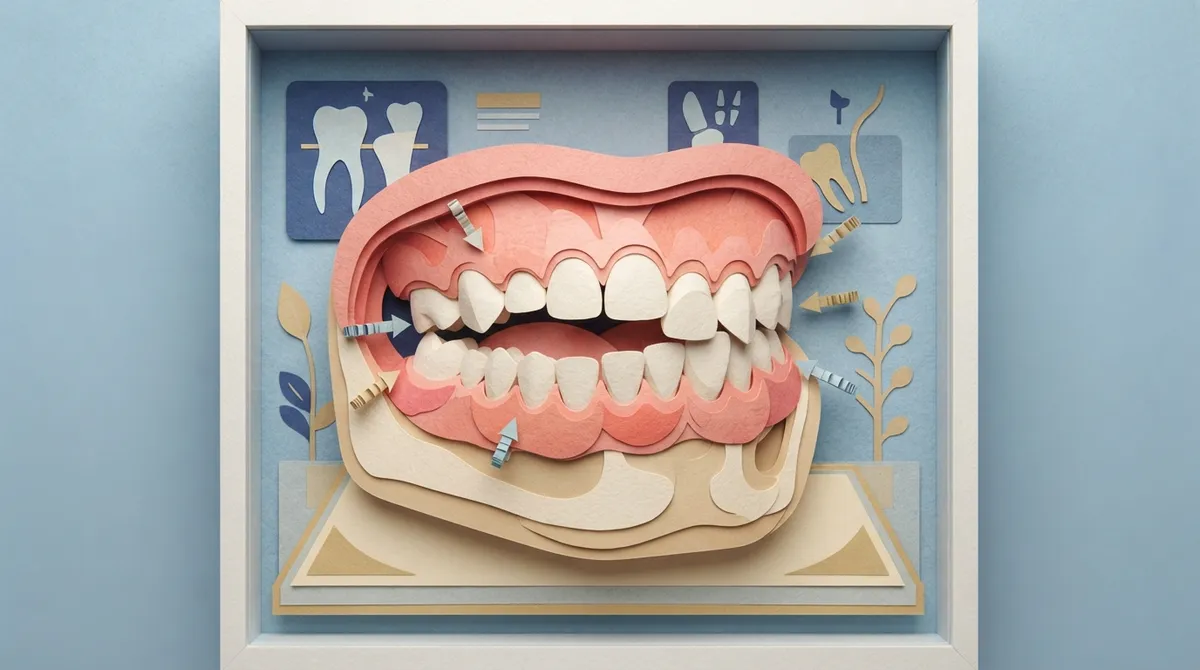
Crowding happens when there is not enough room in the jaw for all the teeth to come in straight. Think of a parking lot with too few spaces. The cars (teeth) still have to park somewhere, so they overlap, twist, or get pushed out of line.
Crowding in children’s developing teeth can look like:
- Teeth that overlap each other
- Teeth that are rotated or turned
- Teeth that are blocked out and sit outside the normal arch
- A permanent tooth that comes in behind or in front of a baby tooth
Kids go through a stage called the mixed dentition, when baby teeth and permanent teeth are both in the mouth. This stage usually runs from around age 6 to 12. Because teeth and jaws are changing so fast, this is when crowding often first shows up.

Why Does Crowding Happen? Common Causes
There is rarely just one reason. Crowding usually comes from a mix of things. An orthodontist looks at the whole picture, not just the teeth you can see.
Tooth Size and Jaw Size Do Not Match
Sometimes the teeth are simply a bit larger than the space the jaw provides. Family traits play a big role here. If a parent or sibling had crowded teeth, a child may have a higher chance too.
Baby Teeth Lost Too Early
Baby teeth act like place holders. When one falls out too soon because of a cavity, an injury, or an unusual eruption path, neighboring teeth can drift into the gap. That drifting can shrink the space the permanent tooth needs later.
Jaw Growth and Eruption Order
How the jaws grow and the order teeth arrive both matter. A narrow upper jaw, for example, can leave less room for incoming teeth.
Missing, Extra, or Unusually Placed Teeth
A child may have an extra tooth taking up room, or a tooth that is coming in at an odd angle. These surprises are often found during an exam or X-ray.
Habits
Habits such as long-term thumb sucking or tongue pushing can influence how teeth and jaws develop. These are not a parent’s fault, and a specialist can talk through what, if anything, needs to change.
Can Crowding Fix Itself?
This is the question we hear most. The honest answer is: sometimes a little, but not always, and it is best not to guess.
When the permanent front teeth first arrive, they can look a bit uneven. As the jaws grow and the rest of the teeth come in, some mild irregularity may settle down. That is why a trained eye matters. An orthodontist can tell the difference between a change that may improve and crowding that needs monitoring or care.
What parents should not assume is that significant crowding will simply go away on its own. If your child’s teeth look very tight, or a permanent tooth has no clear spot to land, it is smart to get it checked rather than wait and hope.
How Common Is Crowding?
Quite common! A 2025 case report cites a systematic review that estimated crowding in about 37% of children with mixed dentition worldwide. Rates vary by population and by how crowding is measured, so please treat that number as a general picture rather than a rule. The takeaway is simple: many kids deal with some degree of crowding, and plenty of families have been right where you are.
When Should a Child See an Orthodontist?
The American Association of Orthodontists recommends a first orthodontic check-up by age 7. This surprises many parents, so let us clear something up. An age-7 visit is an evaluation, not a promise that braces are coming. Many children are simply watched over time until the best moment for treatment.
At age 7, a child usually has a mix of baby and permanent teeth, which gives a specialist a great view of how things are developing. If you want to know what that first appointment is like, you can read about your first visit or learn more about early treatment.
Signs It May Be Time to Book a Visit
- Baby teeth fell out very early, or very late
- Permanent teeth are coming in crooked, overlapping, or behind baby teeth
- Your child has trouble chewing or biting
- The jaw shifts or clicks
- Your child breathes through the mouth most of the time
- Teeth look crowded and there seems to be no space left
If several of these sound familiar, a visit can bring peace of mind. For a deeper look at timing, see our guide on when your child should see an orthodontist.
How Do Orthodontists Check for Crowding?
The visit is much more relaxed than many kids expect. Here is what often happens, step by step:
- Clinical exam. The orthodontist looks at your child’s teeth, bite, and jaw, and asks about habits and family history.
- Records. Photos and digital scans may be taken to capture exactly how the teeth sit. At Brockway Orthodontics, we use modern digital impressions instead of messy molds, which many kids find much more comfortable.
- Space analysis. This is a careful measurement of how much room is available compared with how much room the teeth need.
- X-rays when needed. Radiographs are used only when they are clinically helpful, such as to check tooth position, development, or eruption.
- A clear plan. You walk away knowing whether to watch, prevent problems, or begin treatment.
Dr. Brockway takes time to listen and explain things in plain language, so you and your child always know what to expect. You can meet Dr. Brockway to see her approach to family care.
Treatment Options for Crowding in Children
Not every child needs the same thing. The right path depends on your child’s growth, tooth development, and a full diagnosis. Here are the main options families may hear about.
| Approach | What It Means | Often Considered When |
|---|---|---|
| Observation | Regular check-ups to track growth and eruption | Crowding is mild or may improve as teeth come in |
| Space preservation | A space maintainer holds the gap after an early baby tooth loss | A baby tooth was lost before the permanent tooth is ready |
| Eruption guidance | Selected steps to help teeth come in better | Teeth are heading toward a poor position |
| Expansion | An appliance gently widens a narrow arch | The jaw is narrow and a suitable candidate |
| Braces or aligners | Teeth are moved into proper alignment | Crowding needs active correction |
Watching and Waiting (With a Plan)
This is not ignoring the problem. It is a smart, planned approach. Regular visits let the orthodontist catch changes early and step in at the right time.
Space Maintainers
When a baby tooth is lost too soon, a small appliance can keep the space open until the permanent tooth arrives. These appliances need follow-up visits to check that they are in good shape and to see how the permanent teeth are coming in.
Expansion
For some children with a narrow upper jaw, a gentle expander can create room while the bones are still growing. It is a common tool in early care, and your orthodontist will tell you if your child is a good fit.
Braces and Clear Aligners
When teeth need active alignment, options include braces and, for suitable patients, Spark™ Clear Aligners. Both can be a great fit depending on your child’s age, needs, and daily habits. If you are weighing them, our post on braces vs. clear aligners for kids breaks it down.
Do Teeth Need to Be Pulled to Fix Crowding?
Many parents worry about extractions, and that worry is understandable. Here is the reassuring part: professional guidance cautions against removing baby or permanent teeth just to relieve crowding without a full space analysis and a short- and long-term orthodontic plan. In other words, pulling teeth should never be a quick fix or a guess.
Whether early care reduces the chance of extractions later depends on the child. In some cases, creating space early can help. In others, simple monitoring is the better choice. Only a complete exam can tell which applies to your child.
What Can Parents Do at Home?
You have more power than you might think. Small habits protect your child’s smile while the teeth are still developing.
- Protect baby teeth. Cavities and early tooth loss can change how much room is left. Brush twice a day and keep up with dental cleanings.
- Keep regular dental visits. Your family dentist can spot early signs and refer you at the right time.
- Take note of habits. If thumb sucking or pacifier use is lasting a long time, mention it at the check-up.
- Take photos. A quick smile photo every few months can help you notice changes and share them with your orthodontist.
- Ask questions. No question is too small. A good orthodontic team wants you to feel informed.
Crowding Across Different Ages
Crowding is not only a childhood topic. A cited review estimates it in around 39% of people with permanent teeth worldwide, though numbers differ between studies. Many teens and adults carry crowding that was never treated, and some come back for retreatment after earlier work. If your teen is nearing the age where braces or aligners come up, explore our adolescent treatment options. Parents often find it helpful to start the conversation early, so every decision feels unhurried.
Why Families Choose Brockway Orthodontics
At Brockway Orthodontics in Clearwater, Florida, we love working with families. Dr. Brockway believes your child should feel comfortable and your family should feel informed at every step. We offer treatments for kids, teens, and adults, plus modern tools like digital impressions and 3D imaging that help us plan with care. In certain cases, we can even offer same-day treatments to fit busy family schedules.
If you would like to hear what other families say, you can see what our Brockway Orthodontics patients say on Google. You can also learn about financing and insurance if cost is on your mind, and keep up with the practice on Facebook.
For general oral health guidance for families, the American Dental Association is a trusted source, and the Florida Association of Orthodontists shares helpful information about orthodontic care in our state.
Final Thoughts: Early Answers Bring Peace of Mind
Crowding in children’s developing teeth is common, and it is very manageable when you catch it early. Some kids only need a little watching. Others benefit from a small helping hand at the right time. The most important step is simply getting a clear picture of what is going on.
If you have noticed overlapping, twisted, or tightly packed teeth in your child’s smile, we would love to help you understand your options. Book an appointment online and let Dr. Brockway and our friendly team take a look. You can also contact us with any questions. Your child’s healthy, confident smile is worth every bit of care.
FAQs
Q: Can crowding in a child’s permanent teeth correct itself?
A: A little irregularity in newly erupted front teeth can sometimes settle as the jaws grow, but significant crowding usually does not fix itself. The best move is an exam, so an orthodontist can tell you whether to watch, prevent, or treat.
Q: Can losing baby teeth early cause crowding?
A: Yes, it can! Baby teeth hold space for the permanent teeth underneath. When one is lost too soon, nearby teeth may drift into the gap, which can leave less room later. A space maintainer is one way to help in these cases.
Q: Does my child need braces at age 7?
A: Not necessarily. The American Association of Orthodontists recommends a check-up by age 7, but that is an evaluation, not a treatment start. Many children are simply monitored until the best time for care.
Q: How often should a child with a space maintainer be checked?
A: Your orthodontist will set a schedule, but regular follow-ups are important. These visits make sure the appliance is in good condition and that the permanent teeth are coming in as expected.
Q: Will my child need teeth pulled to fix crowding?
A: Not automatically. Extractions should only be considered after a full space analysis and a clear short- and long-term plan. Many children are helped with monitoring, space preservation, expansion, or alignment instead.
Our Service Area