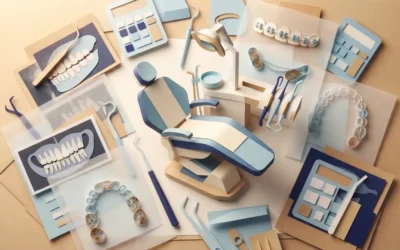
Choosing clear braces as an adult represents a significant investment in your smile and self-confidence. Unlike traditional metal braces, clear orthodontic options offer discreet treatment that fits seamlessly into professional and social environments. Understanding the different types of clear braces available, their benefits, limitations, and how they align with your specific lifestyle needs is essential for making an informed decision. This comprehensive guide will walk you through everything you need to know about selecting the right clear braces solution that matches your orthodontic needs, budget, and daily routine.
Adults seeking orthodontic treatment today have more options than ever before. The advancement in dental technology has created multiple pathways to achieving a straighter smile without the conspicuous appearance of traditional metal brackets. Whether you’re preparing for a wedding, advancing in your career, or simply prioritizing your oral health, clear braces can provide the solution you’re looking for while maintaining a professional appearance throughout treatment.
Understanding the Different Types of Clear Braces Available
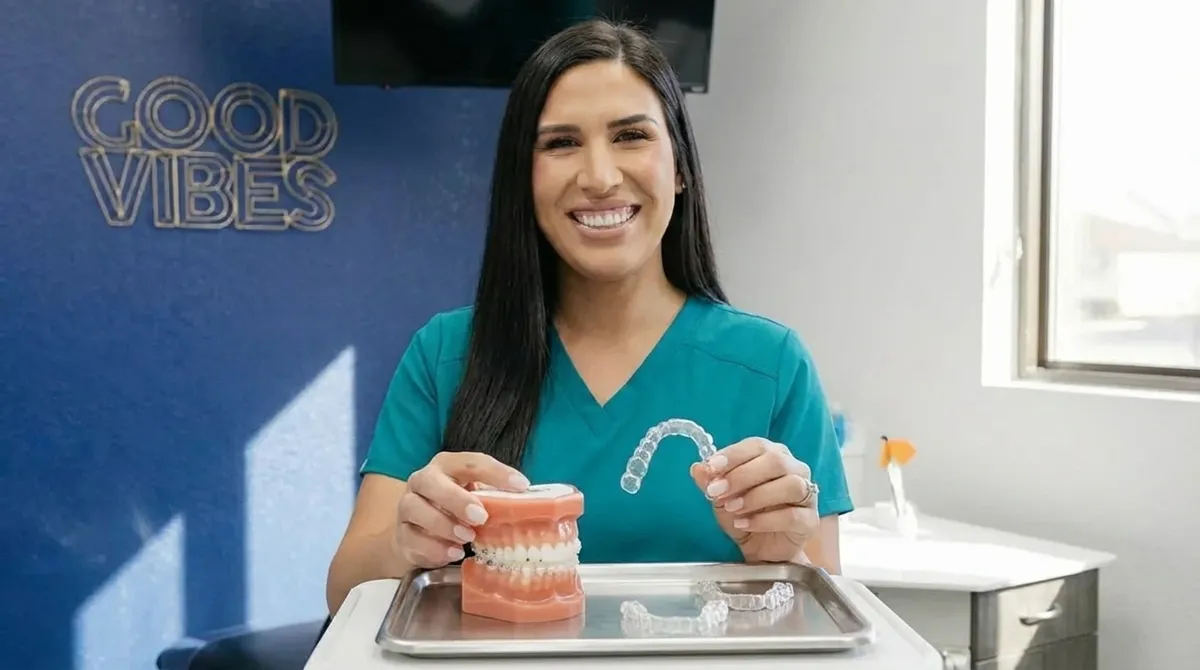
The term “clear braces” encompasses several distinct orthodontic treatment options, each with unique characteristics and advantages. Clear ceramic braces function similarly to traditional metal braces but use tooth-colored or clear brackets that blend with your natural teeth. These brackets are bonded to the front of your teeth and connected with wires, just like conventional braces, but with significantly less visibility.
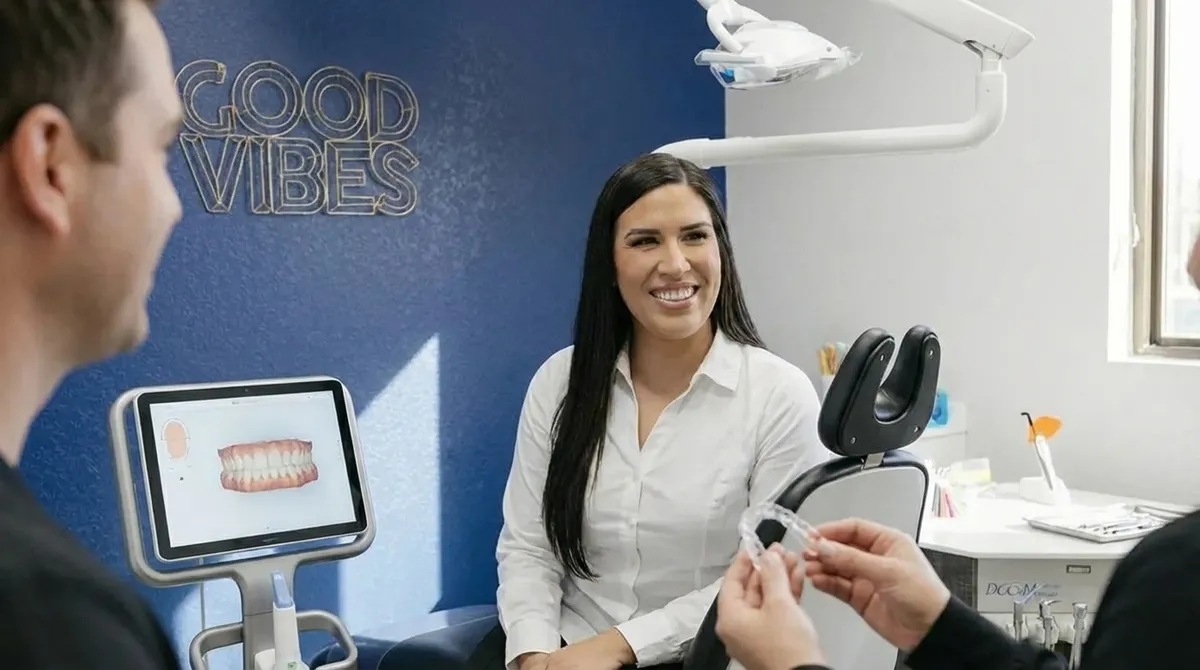
Clear aligners, such as Spark™ Clear Aligners, represent a completely different approach to orthodontic treatment. These removable plastic trays are custom-made to gradually shift your teeth into proper alignment. Clear aligners offer maximum discretion since they’re virtually invisible when worn and can be removed for eating, brushing, and special occasions. The flexibility and aesthetic appeal of clear aligners make them particularly popular among adult patients.
Lingual braces provide another clear alternative by placing brackets on the back surfaces of teeth rather than the front. While technically not “clear,” they offer complete invisibility from the front view. According to the American Dental Association, each type of clear orthodontic treatment has specific applications, and the best choice depends on the complexity of your case, your lifestyle requirements, and your budget considerations.
Evaluating Your Orthodontic Needs and Treatment Goals
Before selecting any clear braces system, you need a thorough orthodontic evaluation to understand your specific dental issues. Common adult orthodontic concerns include crowding, spacing, overbites, underbites, crossbites, and general misalignment. The severity and complexity of your case will significantly influence which clear braces options are appropriate for you.
Clear ceramic braces can address virtually any orthodontic issue that traditional metal braces can handle, making them suitable for complex cases requiring significant tooth movement or bite correction. Clear aligners work exceptionally well for mild to moderate misalignment, spacing issues, and certain bite problems, but may not be recommended for severe orthodontic cases requiring extensive tooth rotation or vertical movement.
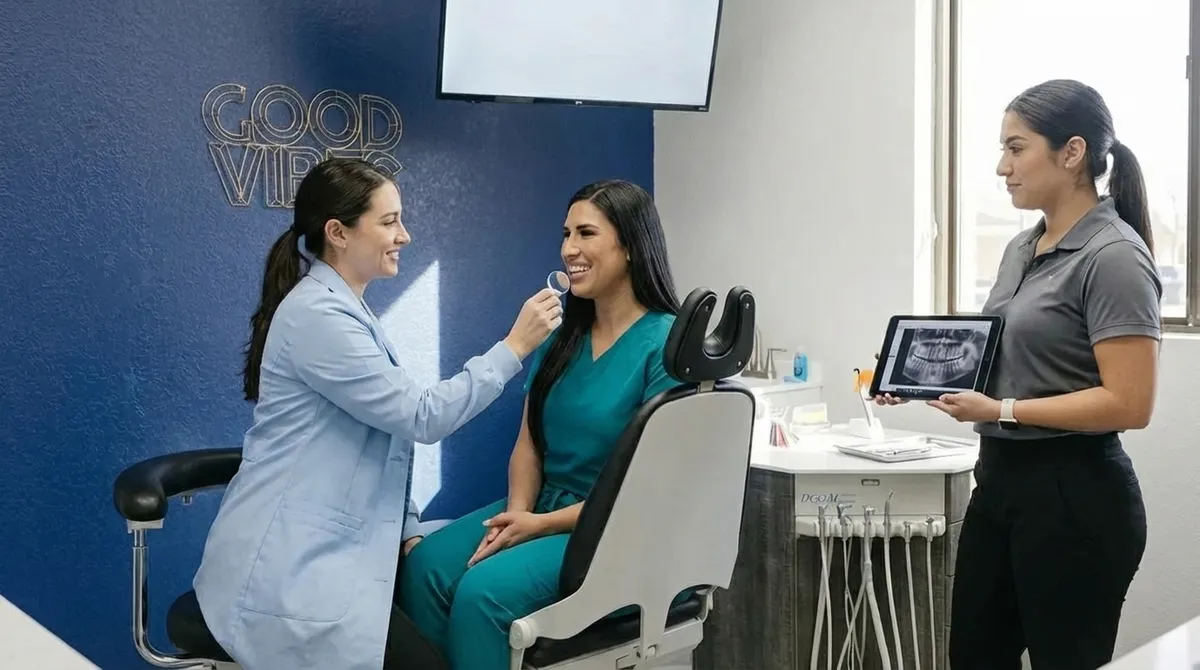
Schedule a consultation with an experienced orthodontist who can perform comprehensive diagnostics including X-rays, photographs, and digital scans of your teeth. At Brockway Orthodontics, Dr. Brockway utilizes advanced diagnostic technology to create personalized treatment plans that address each patient’s unique orthodontic needs. Understanding the timeline for treatment is equally important—clear aligners typically require 12-18 months for average cases, while ceramic braces may take 18-24 months depending on complexity.
Assessing How Clear Braces Fit Your Daily Lifestyle
Your daily routine, professional requirements, and personal preferences should heavily influence your choice of clear braces. Consider how much time you spend in public-facing roles, whether your career involves frequent speaking or presentations, and how comfortable you are with visible orthodontic appliances. Clear ceramic braces remain fixed to your teeth throughout treatment, requiring no additional effort beyond normal oral hygiene and dietary adjustments.
Clear aligners offer unparalleled flexibility since they’re removable, but this convenience comes with responsibility. You must wear aligners for 20-22 hours daily to achieve optimal results, removing them only for eating and oral hygiene. If you struggle with self-discipline or know you might forget to wear removable appliances consistently, fixed ceramic braces might be the better choice despite being slightly more visible.
Consider your dietary habits and willingness to make adjustments. With ceramic braces, you’ll need to avoid hard, sticky, and crunchy foods that could damage brackets. Clear aligners allow you to eat whatever you want since you remove them during meals, but you must clean your teeth thoroughly before reinserting them. Think about your social calendar—if you have important events like weddings or presentations, clear aligners can be temporarily removed, while ceramic braces remain visible throughout.
Comparing Treatment Effectiveness and Duration
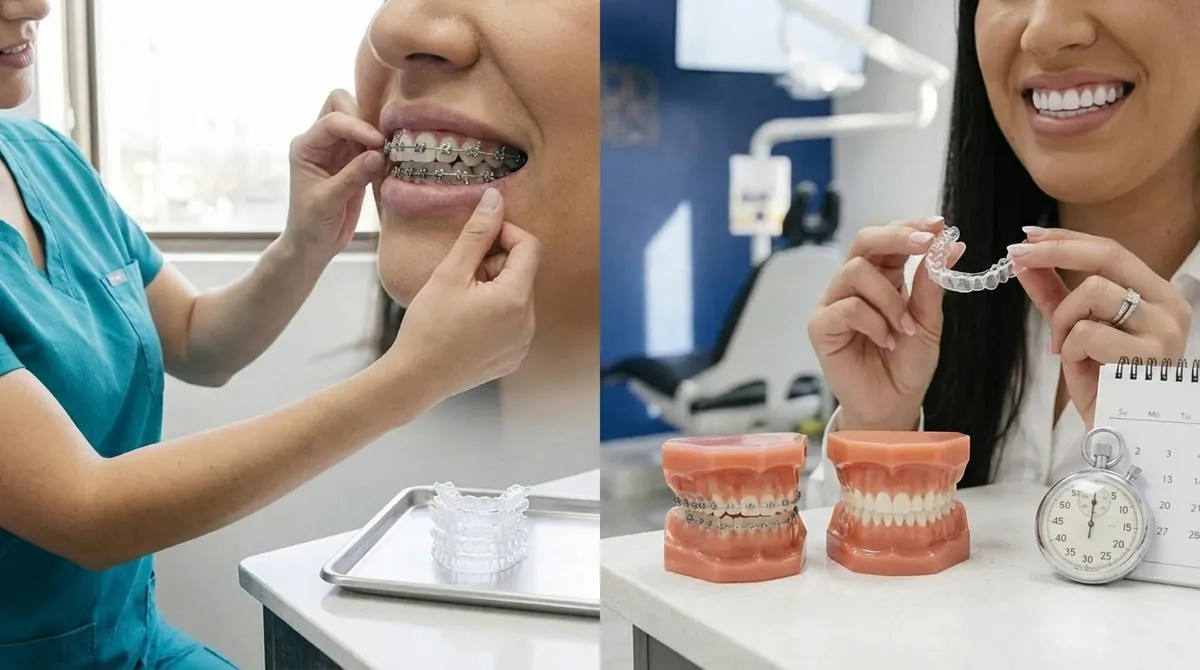
Treatment effectiveness varies between clear braces options based on the complexity of your case. Clear ceramic braces provide continuous force on your teeth 24/7, making them highly effective for comprehensive orthodontic corrections including severe crowding, significant bite issues, and cases requiring tooth extraction. The constant pressure ensures predictable, controlled movement of teeth into their desired positions.
Clear aligners excel at treating mild to moderate orthodontic issues with remarkable precision. Each aligner is programmed to move specific teeth in predetermined directions, typically shifting teeth about 0.25mm per aligner. The sequential nature of aligner treatment allows for highly customized tooth movement, though effectiveness depends entirely on patient compliance with wear time requirements.
|
Treatment Factor |
Clear Ceramic Braces |
Clear Aligners |
|---|---|---|
|
Average Treatment Time |
18-24 months |
12-18 months |
|
Complexity Handled |
All cases (mild to severe) |
Mild to moderate cases |
|
Office Visits |
Every 4-6 weeks |
Every 6-8 weeks |
|
Patient Compliance Required |
Low (fixed appliance) |
High (must wear 20-22 hours/day) |
|
Dietary Restrictions |
Yes (avoid hard/sticky foods) |
No (remove for eating) |
According to the Florida Association of Orthodontists, both treatment modalities can achieve excellent results when appropriately matched to the patient’s orthodontic needs and when patients follow their orthodontist’s instructions carefully. The key to successful treatment lies not just in selecting the right appliance but in maintaining excellent oral hygiene and attending all scheduled appointments.
Analyzing Cost Considerations and Insurance Coverage
The financial investment for clear braces varies significantly based on treatment type, complexity, duration, and geographic location. Clear ceramic braces typically cost between $4,000 and $8,000 for comprehensive treatment, with pricing comparable to or slightly higher than traditional metal braces due to the aesthetic materials used. The brackets themselves cost more to manufacture and are more delicate than metal alternatives.
Clear aligner treatment generally ranges from $3,500 to $8,000 depending on the brand, case complexity, and treatment duration. More extensive cases requiring longer treatment with additional aligners will cost more than simple corrections. Some aligner brands offer tiered pricing based on treatment complexity, with options for mild cases costing significantly less than comprehensive treatment packages.
Many dental insurance plans provide orthodontic coverage for adults, typically covering 50% of treatment costs up to a lifetime maximum benefit of $1,500-$3,000. Review your specific plan details to understand what’s covered and whether clear braces qualify under your policy. Some insurance plans cover clear aligners at the same rate as traditional braces, while others may have restrictions or exclusions for certain treatment types.
Most orthodontic practices, including Brockway Orthodontics, offer flexible payment plans that allow you to spread the cost of treatment over several months or years. Interest-free financing options make clear braces more accessible by dividing the total cost into manageable monthly payments. Additionally, using Health Savings Accounts (HSA) or Flexible Spending Accounts (FSA) can provide tax advantages when paying for orthodontic treatment.
Maintaining Clear Braces and Ensuring Treatment Success
Proper maintenance of clear braces is essential for achieving optimal results and preventing complications during treatment. With clear ceramic braces, you must brush after every meal to prevent food particles from accumulating around brackets and wires. Use a soft-bristled toothbrush and fluoride toothpaste, angling the brush to clean above and below each bracket. Interdental brushes and floss threaders help clean between teeth and under wires where regular floss cannot reach.
Clear aligners require meticulous hygiene practices to prevent discoloration and bacterial growth. Remove aligners before eating or drinking anything except water, and brush and floss your teeth thoroughly before reinserting them. Clean your aligners twice daily using lukewarm water and either the cleaning system recommended by your orthodontist or a gentle, clear antibacterial soap. Never use hot water on aligners as it can warp the plastic and compromise the fit.
One advantage of ceramic braces is that staining typically affects only the elastic ties holding the wire to brackets, which are replaced at each adjustment appointment. However, the clear or tooth-colored brackets themselves can become discolored if exposed to highly pigmented foods and beverages like coffee, red wine, curry, and dark berries. Minimizing consumption of staining substances helps maintain the aesthetic appearance throughout treatment.
Essential Oral Hygiene Tools for Clear Braces Wearers
-
Electric or soft-bristled manual toothbrush for thorough cleaning around brackets and wires
-
Interdental brushes or proxy brushes for cleaning between brackets
-
Water flosser to remove debris from hard-to-reach areas
-
Orthodontic floss threaders or specialized floss for braces
-
Non-abrasive fluoride toothpaste to protect enamel
-
Portable cleaning kit for maintaining hygiene while away from home
For those exploring all about braces and their maintenance requirements, understanding the commitment to oral hygiene is crucial. Neglecting proper cleaning can lead to white spot lesions, cavities, gum disease, and prolonged treatment time. Your orthodontist will provide detailed instructions on caring for your specific type of clear braces and may recommend additional products to optimize your oral health during treatment.
Understanding Potential Limitations and Drawbacks
While clear braces offer excellent aesthetic advantages, they come with certain limitations that adults should consider. Clear ceramic brackets are more brittle than metal brackets and can chip or break if exposed to excessive force. Biting into hard foods like ice, nuts, or hard candy can damage brackets, requiring emergency appointments for repairs that may extend your treatment timeline.
The clear or tooth-colored brackets used in ceramic braces are typically larger than metal brackets due to the material properties required for adequate strength. This size difference may cause slightly more discomfort during the initial adjustment period and can make oral hygiene more challenging. Additionally, ceramic braces create more friction against the archwire compared to metal braces, which can sometimes slow tooth movement and extend treatment duration.
Clear aligners present different challenges, primarily related to patient compliance and case limitations. Since aligners are removable, treatment success depends entirely on wearing them as prescribed. Forgetting to wear aligners, losing them, or removing them too frequently can significantly delay progress and compromise results. Each time you remove aligners, you interrupt the continuous force being applied to your teeth, potentially extending your overall treatment time.
Common Concerns with Clear Aligner Treatment
-
Discipline required to wear aligners 20-22 hours daily without exception
-
Potential for aligners to be misplaced or accidentally discarded
-
Temporary speech changes while adjusting to wearing aligners
-
Need for attachments (small tooth-colored bumps) on certain teeth for complex movements
-
Refinements may be necessary if teeth don’t track as predicted
Both clear ceramic braces and clear aligners require commitment to the treatment plan and regular orthodontic appointments. Missing scheduled adjustments or check-ups can delay progress and affect your final results. Understanding these limitations upfront helps you make an informed decision and sets realistic expectations for your orthodontic journey.
Making Your Final Decision and Starting Treatment
After thoroughly researching your options, evaluating your needs, and consulting with an orthodontist, you’re ready to make your final decision. Schedule consultations with multiple orthodontists to compare treatment recommendations, philosophies, and pricing. During these consultations, ask to see before-and-after photos of adult patients treated with clear braces options, and inquire about the orthodontist’s experience with your specific type of case.
Pay attention to the communication style and patient care approach of each practice. You’ll be visiting your orthodontist regularly throughout treatment, so finding a provider who makes you feel comfortable, answers your questions thoroughly, and demonstrates genuine interest in your concerns is essential. Read online reviews and testimonials from other adult patients to gauge their experiences with both the practice and the specific clear braces option you’re considering.
Once you’ve selected your orthodontist and decided on your clear braces type, the treatment process begins with comprehensive records including X-rays, photographs, and impressions or digital scans of your teeth. Your orthodontist will create a detailed treatment plan showing the expected movement of your teeth and the anticipated timeline. For clear aligners, you’ll receive your first sets of aligners with instructions on wear schedule and progression through the series.
For ceramic braces, your bonding appointment involves cleaning and preparing your teeth, then carefully placing each bracket in its precise position before connecting them with the archwire. The initial placement appointment typically takes 1-2 hours, and you may experience some tenderness for the first few days as your mouth adjusts. Your orthodontist will schedule your next appointment and provide detailed care instructions to ensure you start your journey toward a straighter smile with confidence.
Ensuring Long-Term Results After Treatment
Completing your clear braces treatment is an exciting milestone, but maintaining your newly aligned smile requires ongoing commitment. After removing your braces or finishing your final aligner, you’ll transition to the retention phase of treatment. Retainers are essential for preventing teeth from gradually shifting back toward their original positions—a natural tendency called relapse.
Your orthodontist will provide a retention protocol tailored to your specific case, typically involving full-time retainer wear for the first several months after treatment, then transitioning to night-time wear indefinitely. Some patients receive fixed retainers—thin wires bonded to the back of the front teeth—that provide permanent retention without requiring daily compliance. Others use removable retainers that must be worn as prescribed to maintain results.
Long-term success with clear braces depends on following retention guidelines exactly as instructed. Teeth can shift at any age, and skipping retainer wear or discontinuing use prematurely can undo the investment you made in orthodontic treatment. Regular dental check-ups and professional cleanings help maintain your oral health and allow your dentist to monitor the stability of your orthodontic results over time.
The confidence and improved oral health that come from properly aligned teeth extend far beyond aesthetics. Straight teeth are easier to clean, reducing your risk of cavities and gum disease. Proper bite alignment can alleviate jaw pain, reduce wear on tooth enamel, and improve overall function. The investment you make in clear braces as an adult pays dividends for years to come through better oral health and the confidence that comes from loving your smile.
Choosing clear braces as an adult represents a commitment to your oral health and self-confidence. By carefully evaluating the different clear braces options, understanding how they fit your lifestyle, considering the financial investment, and committing to proper maintenance and retention, you can achieve the straight, beautiful smile you’ve always wanted. The experienced team at Brockway Orthodontics has helped countless adults transform their smiles with personalized clear braces solutions designed to fit seamlessly into busy professional and personal lives.
Ready to take the first step toward your ideal smile? Schedule your complimentary consultation today to explore which clear braces option is right for you. During your visit, you’ll receive a comprehensive evaluation, personalized treatment recommendations, and answers to all your questions about achieving a straighter smile discreetly and effectively.
FAQs
Q: How long does clear braces treatment take for adults?
A: Clear braces treatment for adults typically takes 12-24 months depending on the complexity of your case and the type of clear braces chosen. Clear aligners generally require 12-18 months for mild to moderate cases, while clear ceramic braces may take 18-24 months for more complex orthodontic corrections. Your orthodontist will provide a personalized timeline based on your specific needs during your consultation.
Q: Are clear braces more expensive than traditional metal braces?
A: Clear braces typically cost slightly more than traditional metal braces due to the aesthetic materials used. Clear ceramic braces range from $4,000-$8,000, while clear aligners cost between $3,500-$8,000 depending on case complexity. Many orthodontic practices offer flexible payment plans and accept insurance to make treatment more affordable, with most dental insurance plans covering orthodontic treatment at the same rate regardless of bracket type.
Q: Can clear braces fix severe orthodontic problems in adults?
A: Clear ceramic braces can effectively address virtually any orthodontic issue that traditional metal braces can correct, including severe crowding, significant bite problems, and complex misalignment. Clear aligners work best for mild to moderate cases and may have limitations with severe orthodontic issues requiring extensive tooth rotation or vertical movement. A comprehensive orthodontic evaluation will determine which clear braces option is appropriate for your specific case.
Q: Do I need to change my diet with clear braces?
A: With clear ceramic braces, you’ll need to avoid hard, sticky, and crunchy foods that could damage the brackets, such as ice, popcorn, hard candy, and sticky caramels. Clear aligners offer more dietary freedom since you remove them completely before eating, allowing you to enjoy all foods without restriction. However, you must brush thoroughly after meals before reinserting aligners to maintain proper oral hygiene and prevent staining.
Q: How often do I need orthodontic appointments with clear braces?
A: Clear ceramic braces typically require adjustment appointments every 4-6 weeks so your orthodontist can tighten wires, replace elastic ties, and monitor progress. Clear aligner patients generally visit their orthodontist every 6-8 weeks for progress checks and to receive their next sets of aligners. Both treatment types require regular monitoring to ensure teeth are moving as planned and to address any concerns that arise during treatment.