Key Takeaways
-
Corrective orthodontics fixes existing bite and alignment problems like crowded teeth, overbites, and underbites through braces, aligners, or other appliances tailored to each patient's specific case.
-
Most routine corrective cases take 12-24 months, but timeline varies based on severity, age, jaw development, and patient compliance with wearing retainers or aligners as directed.
-
Clear aligners like Spark™ work best for mild-to-moderate cases and busy adults wanting discretion, while traditional braces remain superior for complex bite issues and children.
-
Long-term retainer wear is critical after active treatment ends, as teeth naturally drift back to original positions; skipping retainers leads to significant relapse and undoes your progress.
-
Early evaluation for children is valuable because orthodontists can guide jaw growth to prevent severe problems later, but this growth-modification window closes as kids age.
-
While corrective orthodontics carries some risks like enamel decalcification and root resorption, maintaining good hygiene and following your orthodontist's instructions minimizes these issues significantly.
Do you have a tooth that overlaps its neighbor? Maybe your top teeth don’t quite meet your bottom teeth when you bite down. If so, you’re definitely not alone. In 2024, roughly 1.91 million adults in the United States started orthodontic treatment, up from about 1.64 million just two years earlier. Corrective orthodontics is the branch of dental care that fixes these exact problems, and it works wonders for people of every age.
At Brockway Orthodontics in Clearwater, we see this journey unfold every single day. Parents bring in kids with crowded teeth. Adults walk through our doors ready to finally fix that bite they’ve been self-conscious about for years. Whatever your story, we’re here to help you understand what corrective orthodontics really means and how it can transform your smile. Grab a cup of coffee, and let’s walk through this together.
What Is Corrective Orthodontics, Exactly?
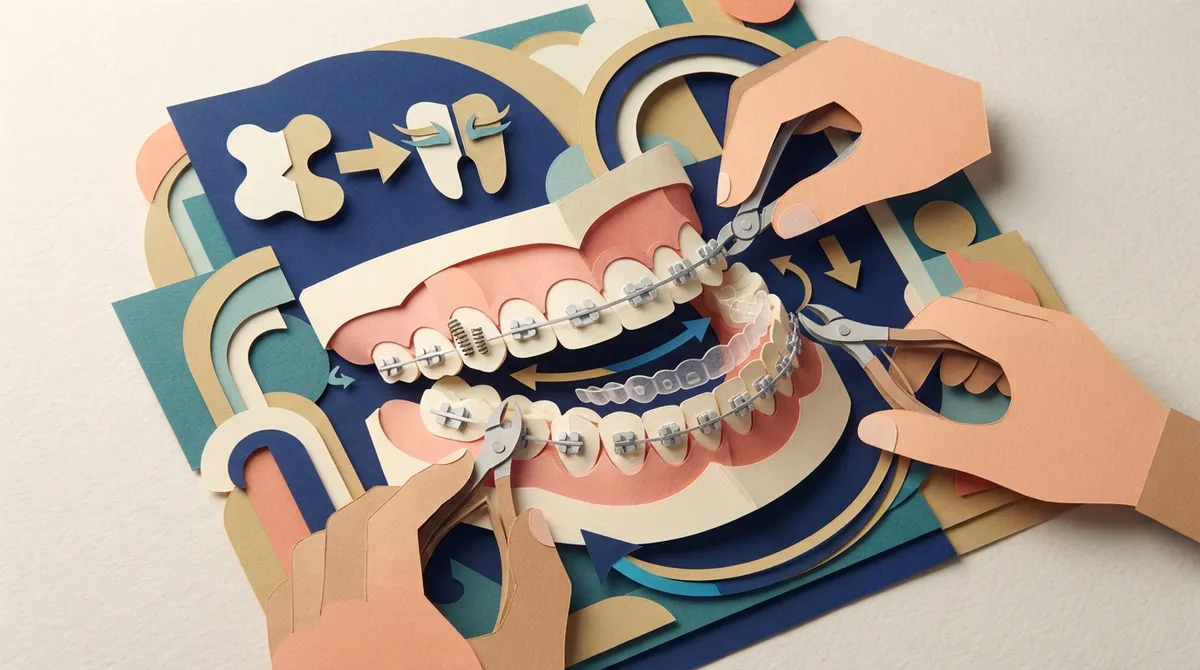
Corrective orthodontics treats problems that already exist in your teeth or jaw. This is different from preventive orthodontics, which tries to stop problems before they start. Think of it this way: preventive care is like watching for storm clouds, while corrective care is like cleaning up after the storm has already hit.
The technical word for these existing problems is malocclusion. That simply means your teeth or jaws don’t line up the way they should. Your orthodontist looks at your teeth, your bite, and sometimes your jaw structure to figure out the best fix. This is a well-established field of dental care, and you can learn more about general standards of care from the American Dental Association.
Common Problems Corrective Orthodontics Can Fix
You might be surprised how many different issues fall under this umbrella. Here are the most common ones we treat at our Clearwater office:
- Crowded teeth that overlap or twist
- Gaps or spacing between teeth
- Overbite, where top teeth stick out too far
- Underbite, where the bottom jaw juts forward
- Crossbite, where teeth don’t line up side to side
- Open bite, where front teeth don’t touch when you close your mouth
- Excessive overjet, or protruding front teeth
- Impacted teeth that haven’t come in properly
- Jaw discrepancies affecting how your bite fits together
If any of these sound familiar, you’re a great candidate for a consultation. Our orthodontic services cover all these conditions and more.
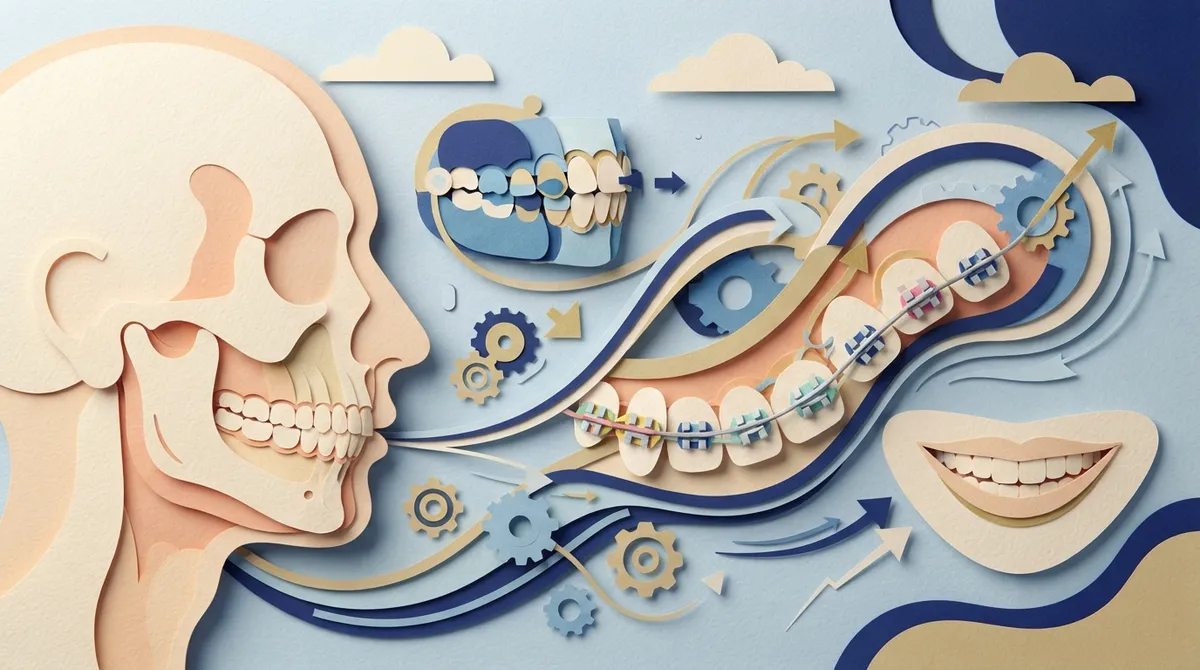
How Corrective Orthodontics Actually Works
Every smile is different, so treatment plans vary quite a bit. Your orthodontist will look at your age, how your jaw has developed, and how severe your case is. Then they’ll build a plan around your specific needs.
Step 1: The Initial Exam
Everything starts with a thorough checkup. During your first visit, Dr. Brockway will examine your teeth, take images, and talk with you about your goals. This is your chance to ask questions and share any concerns.
Step 2: Choosing Your Treatment Tool
Next comes picking the right approach for your case. Options include:
- Traditional metal braces, still one of the most reliable tools available
- Ceramic (ceramic) braces for a more subtle look
- Clear aligners like our Spark™ Clear Aligners, a comfortable and affordable option
- Removable appliances for growing children
- Functional or orthopedic appliances to guide jaw growth
- Elastics to help correct bite alignment
- Palatal expanders to widen a narrow jaw
- Temporary anchorage devices for extra support
- Tooth extractions when there’s not enough space
- Jaw surgery for severe skeletal issues
We’ll always explain the pros and cons of each option so you feel confident about your choice. If you want to compare braces and aligners side by side, check out our guide on traditional braces vs. clear aligners.
Step 3: Active Treatment Time
This is where the real work happens. You’ll wear your braces or aligners and visit us regularly for adjustments.
Step 4: Retention
Once your teeth are straight, you’ll need a retainer. Teeth naturally want to drift back to their old positions, so retainers keep everything locked in place. We’ll walk you through our retainer options once your active treatment wraps up.
Braces or Clear Aligners: Which Is Right for You?
This is one of the questions we hear most often. Honestly, there’s no single right answer. It depends on your lifestyle, your case, and your personal preferences.
| Feature | Traditional Braces | Clear Aligners (Spark™) |
|---|---|---|
| Visibility | Noticeable metal or ceramic brackets | Nearly invisible |
| Removable | No, fixed to teeth | Yes, removable for eating |
| Best for | Complex bite issues, kids, teens | Mild to moderate cases, busy adults |
| Diet restrictions | Some foods to avoid | Remove before eating, so no restrictions |
| Maintenance | Requires careful brushing around brackets | Simple cleaning routine |
Adult professionals often love the discreet look of clear aligners because they can smile confidently at work meetings. Teens and parents sometimes prefer braces for more complex cases. Either way, our team can help you decide. Take a look at our page on all about braces for more details.
How Long Does Corrective Orthodontic Treatment Take?
This is another question we get all the time, and the honest answer is: it depends. Some simple cases wrap up in less than a year. More complex bite corrections can take two years or longer. Most routine cases fall somewhere between 12 and 24 months.
Factors that affect your timeline include:
- How crowded or spaced your teeth are
- Whether you need jaw correction
- Your age and bone growth
- How well you follow instructions, like wearing rubber bands or aligners as directed
- Whether you need extractions or other prep work first
Your orthodontist will give you a personalized estimate once they’ve reviewed your case. Nobody knows your smile better than the person examining it in person.
Can Adults Get Corrective Orthodontics Too?
Absolutely, yes! This is a huge and growing trend. According to industry data, average active patients per orthodontist jumped from 574 in 2022 to 696 in 2024. Adults are showing up in bigger numbers than ever before.
Maybe you had braces as a teen but your teeth shifted back. Or maybe you never got treatment and you’re finally ready. Either way, it’s never too late. Our adult treatment options are designed with busy schedules and discreet preferences in mind. Many adults love the flexibility of Spark™ Clear Aligners because they fit into professional life without drawing attention.
What About Kids and Teens?
Parents often wonder when to bring their child in for a checkup. The good news is that early evaluation helps catch problems before they get worse. Our early treatment program focuses on guiding jaw growth in younger kids, while our adolescent treatment options address more established issues in teens.
Growth modification can make a real difference in growing children. Because their jaws are still developing, orthodontists can sometimes guide that growth to prevent bigger problems down the road. This window of opportunity closes as kids get older, so timing really does matter.
Will I Need Extractions or Jaw Surgery?
Not every case needs extractions or surgery, but some do. If your mouth is too crowded, pulling a tooth or two can create space for the rest to line up properly. In milder adult cases, orthodontists sometimes move teeth to disguise a slight jaw mismatch instead of jumping straight to surgery.
For more serious skeletal problems, though, braces alone might not be enough. In these situations, orthodontic treatment paired with jaw surgery, called orthognathic surgery, may be recommended. This combination fixes both the teeth and the underlying bone structure. Your orthodontist will discuss this option with you honestly if it applies to your case.
What Are the Risks of Corrective Orthodontics?
No treatment is completely risk-free, and it’s important to go in with realistic expectations. Some possible risks include:
- Enamel decalcification or cavities if hygiene isn’t kept up
- Gum inflammation or periodontal problems
- Root resorption, or slight shortening of tooth roots
- Irritation from brackets or wires
- Allergic reactions in rare cases
- Incomplete correction if instructions aren’t followed
- Relapse if retainers aren’t worn as directed
These risks are well documented, and no reputable orthodontist should present treatment as risk-free. That said, good hygiene habits and following your orthodontist’s instructions go a long way toward avoiding most of these issues. Our team will teach you exactly how to care for your braces or aligners so you stay on track.
Why Retention Matters So Much
Here’s something people don’t always expect: finishing active treatment isn’t the end of the story. Teeth are naturally a little stubborn, and they can shift back toward their old spots over time. That’s why retainers are so important.
Long-term studies show that skipping retainer wear can lead to significant relapse, though the exact numbers vary depending on the case and how long people go without follow-up. We always stress this point with our patients because we want your results to last a lifetime, not just a few years.
Why Choose Brockway Orthodontics in Clearwater
Dr. Brockway isn’t just skilled and experienced. She genuinely cares about every person who walks through her door. She takes time to listen to your concerns and explains your options in a way that actually makes sense.
Our Clearwater office is equipped with modern technology, including digital impressions and 3D imaging, so your treatment plan is precise from day one. We also offer same-day treatment in certain cases, because we know families are busy and waiting weeks for a start date isn’t always realistic.
We treat the whole family here, from young kids getting their first look at braces to adults finally investing in the smile they’ve always wanted. You can read more about our approach on our Meet Dr. Brockway page, or browse our patient reviews to see what other families in Pinellas County have experienced. For a broader look at professional standards in our field, the Florida Association of Orthodontists is a great resource too.
Curious what real patients think? You can also visit us on Google — Brockway Orthodontics to see reviews from folks right here in Clearwater. We’re proud to be active in our community and love connecting with patients on Facebook and Instagram too.
Getting Started With Your Smile Journey
If you’ve been putting off dealing with a crooked tooth or an uncomfortable bite, there’s no better time to start than now. Corrective orthodontics has helped millions of people feel more confident, chew more comfortably, and keep their teeth healthier for the long run.
Ready to take that first step? Our friendly team would love to walk you through your options and answer every question you have. You can book appointment online today, or if you’d rather chat first, feel free to contact us and we’ll get you set up. Your best smile is waiting, and we can’t wait to help you get there.
FAQs
Q: What is corrective orthodontics and how is it different from preventive orthodontics?
A: Corrective orthodontics fixes problems that already exist, like crowded teeth or a bad bite. Preventive orthodontics tries to stop problems before they even start. Think of corrective care as the solution once an issue has already shown up.
Q: What dental problems can corrective orthodontic treatment fix?
A: It can fix crowding, gaps, overbites, underbites, crossbites, open bites, and even impacted teeth. It can also help with certain jaw alignment issues. Basically, if your bite or teeth don’t line up right, there’s probably a fix for it.
Q: Are braces or clear aligners better for corrective orthodontics?
A: It really depends on your case and lifestyle. Braces tend to work best for more complex issues, while clear aligners like our Spark™ Clear Aligners are great for milder cases and busy adults who want something discreet. We’re happy to help you figure out which fits you best.
Q: How long does corrective orthodontic treatment usually take?
A: Many routine cases take somewhere between 12 and 24 months, though simple cases can finish sooner and complex ones may take longer. Your orthodontist will give you a personal estimate after examining your teeth and bite.
Q: How long do I need to wear a retainer after treatment?
A: Honestly, you’ll want to wear one long-term, even if it’s just at night after the first year or so. Teeth naturally try to shift back, and skipping your retainer is one of the biggest reasons for relapse. Staying consistent keeps your smile looking great for years to come.
Our Service Area