Key Takeaways
-
Research shows self-ligating brackets do not significantly reduce overall treatment time compared to traditional braces—one study found treatment averaged 20.4 months versus 18.2 months, a non-significant difference.
-
Self-ligating brackets offer modest oral hygiene benefits with lower plaque index and bleeding-on-probing scores, but excellent daily brushing and flossing remain essential regardless of bracket type.
-
Wire insertion and removal is genuinely faster with self-ligating brackets, but this chairside efficiency doesn't consistently translate into fewer total appointments or shorter overall treatment duration.
-
Self-ligating brackets come in two types—passive (loose clip allowing free movement) and active (pressing gently on wire)—and your orthodontist selects based on your specific crowding, spacing, or bite issues.
-
Pain and discomfort levels are similar between self-ligating and traditional brackets; some patients even report more discomfort when inserting larger archwires with self-ligating systems.
-
The choice between bracket types should be based on your case complexity, esthetic preferences, budget, and orthodontist expertise rather than marketing claims about speed or comfort advantages.
Picking braces can feel like a big decision. Maybe you’ve heard the term “self-ligating brackets” from a friend, or you saw it on a dental website while researching your options. You’re probably wondering if these brackets are the secret to a faster, easier orthodontic journey. We get it, and we’re here to walk you through everything in plain, friendly language.
At Brockway Orthodontics, we love helping patients in Clearwater, Florida understand their treatment choices. Dr. Brockway believes an informed patient is a happy patient. So let’s break down what self-ligating brackets actually are, what the research says, and how to figure out if they’re the right fit for your smile goals.
What Are Self-Ligating Brackets, Exactly?
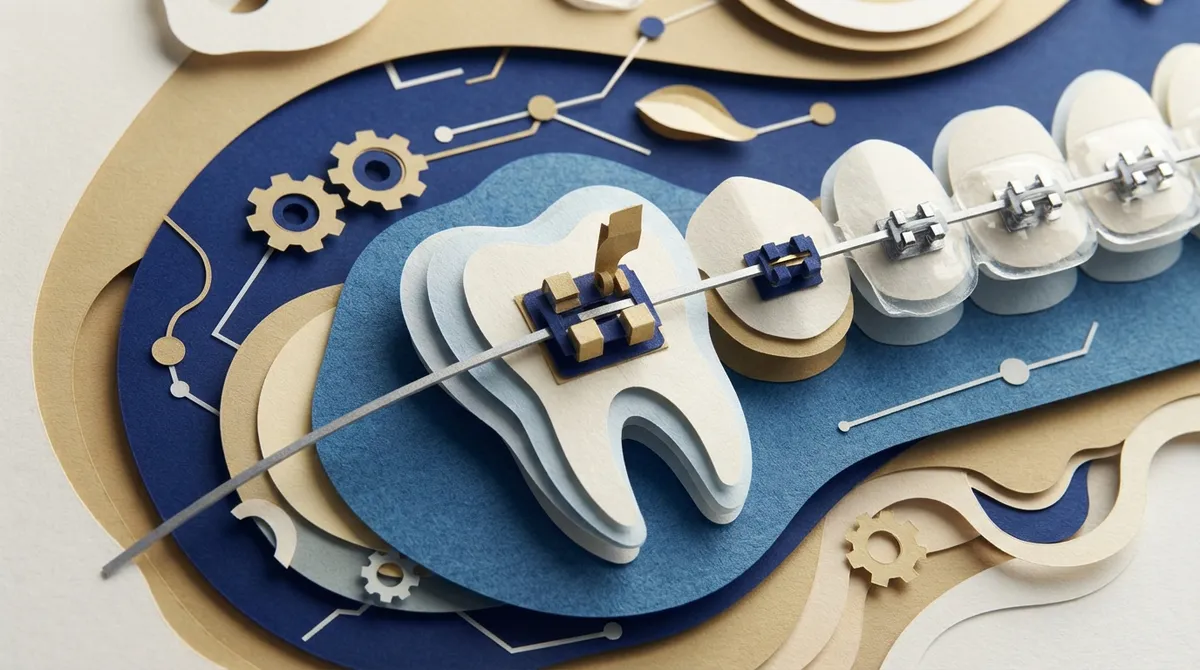
Self-ligating brackets are a type of fixed orthodontic bracket. Like traditional braces, they attach to your teeth and hold a wire that guides your teeth into place. The difference is in how they hold that wire.
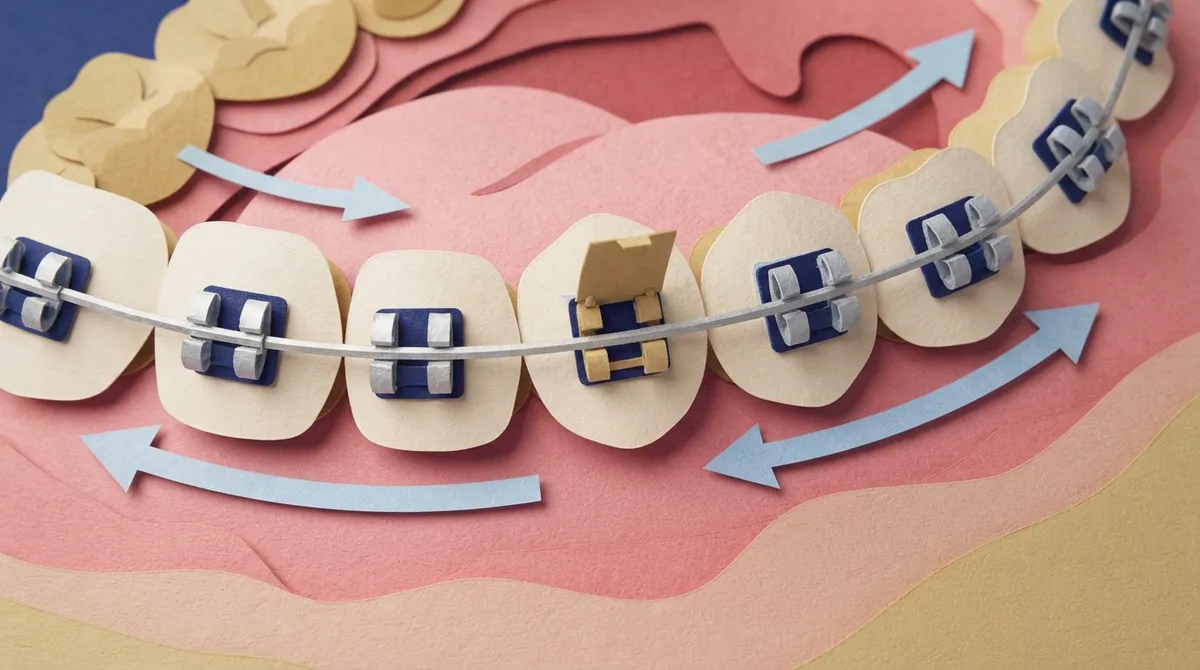
Traditional brackets use small rubber bands (called ligatures) or thin wires to keep the archwire snug in place. Self-ligating brackets skip the rubber bands. Instead, they have a tiny built-in door, clip, or slide that clicks the wire into position. Think of it like the difference between tying your shoes with laces versus using a slip-on shoe with a built-in strap. Same basic job, different mechanism.
There are two main types of self-ligating brackets:
- Passive self-ligating brackets: The clip doesn’t press against the wire. It just holds it loosely in the slot, allowing more freedom of movement early in treatment.
- Active self-ligating brackets: The clip presses gently against the wire, applying a bit more pressure to help guide tooth movement.
Your orthodontist chooses which type works best based on your specific case, whether you have crowding, spacing, or bite issues.
How Self-Ligating Brackets Work During Treatment
During your regular appointments, your orthodontist needs to change or adjust your archwire. With traditional braces, this means removing tiny elastic ties one by one, then putting new ones back on. With self-ligating brackets, the clip simply opens and closes, like flipping a small latch.
This can save a few minutes here and there during chairside visits. However, it’s important to set realistic expectations. Faster wire changes don’t automatically mean your whole treatment will wrap up sooner. We’ll dig into that a bit more below, because it’s one of the biggest myths surrounding these brackets.
Metal or Ceramic: You Have Choices
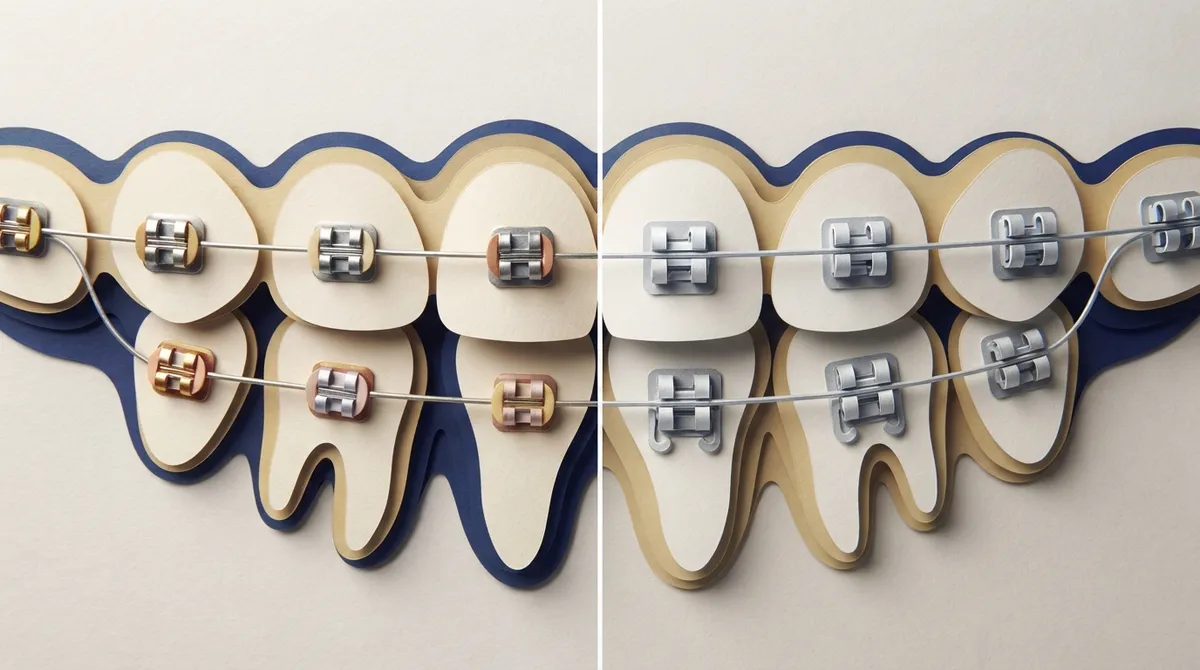
Self-ligating brackets come in different materials. Metal versions are strong and often more budget-friendly. Some systems also offer ceramic or tooth-colored options for patients who want a more discreet look, similar to what you’d find with our traditional braces options.
Which one is right for you depends on a few things:
- Your esthetic preferences (do you want less visible brackets?)
- Your orthodontist’s treatment plan and goals
- The complexity of your tooth movement needs
- Your budget and insurance coverage
- What’s available at your orthodontic practice
Do Self-Ligating Brackets Really Work Faster?
This is the question everyone asks, and it deserves an honest answer. Marketing materials sometimes claim self-ligating brackets cut treatment time dramatically. The real research tells a more nuanced story.
A prospective randomized study looked closely at this question. It found that patients with self-ligating brackets had an average treatment time of 20.4 months. Patients with conventional brackets averaged 18.2 months. That difference was not statistically significant. In other words, science couldn’t confirm self-ligating brackets were actually faster in this study.
The same study looked at the number of visits needed. Self-ligating patients averaged 15.5 visits, while conventional bracket patients averaged 14.1 visits. Again, this difference wasn’t considered statistically meaningful.
| Outcome Measured | Self-Ligating Brackets | Conventional Brackets | Statistically Significant? |
|---|---|---|---|
| Average Treatment Time | 20.4 months | 18.2 months | No |
| Average Number of Visits | 15.5 visits | 14.1 visits | No |
| Post-Treatment ICON Score | 13.2 | 11.9 | No |
| Archwire Insertion/Removal Speed | Faster | Slower | Yes |
A larger systematic review backs this up. It combined 25 randomized controlled trials and 9 split-mouth studies, comparing 31 different outcomes between bracket types. Only 9 of those 31 comparisons showed a real difference. Most outcomes, including total treatment time, number of appointments, and final alignment quality, showed no meaningful difference between the two bracket styles.
So where’s the real benefit? The clearest advantage shows up in archwire insertion and removal speed. That part is genuinely quicker with self-ligating brackets. It just doesn’t always translate into a shorter overall treatment plan.
Comfort and Pain: What to Expect
Many patients want to know if one bracket type hurts less than the other. Based on the current evidence, pain levels are generally similar between self-ligating and conventional brackets.
A meta-analysis reviewing pain outcomes did not find a significant overall advantage for either bracket style. Interestingly, in some situations, inserting or removing a larger archwire was actually reported as more uncomfortable with self-ligating brackets. So comfort really comes down to your individual mouth, your orthodontist’s technique, and how you personally respond to pressure.
Tips for Managing Discomfort With Any Bracket Type
- Stick to soft foods for the first few days after adjustments.
- Use a warm saltwater rinse to soothe sore gums.
- Ask your orthodontist about orthodontic wax for irritated cheeks.
- Take an over-the-counter pain reliever if needed, following label directions.
- Stay consistent with your appointments so your orthodontist can catch issues early.
Oral Hygiene and Gum Health Benefits
Here’s where self-ligating brackets show a small, measurable edge. A 2024 meta-analysis found modest periodontal benefits associated with self-ligating brackets, particularly lower plaque index and bleeding-on-probing scores.
- Plaque index effect: approximately -0.21 (favoring self-ligating brackets)
- Bleeding index effect: approximately -0.06 (favoring self-ligating brackets)
- Probing depth: no significant difference between bracket types
- Gingival index: no significant difference between bracket types
Why might this happen? Without elastic ties, there’s less surface area for plaque and food particles to cling to. That said, the difference is modest. It doesn’t replace the need for excellent daily habits. According to the American Dental Association, brushing twice daily and flossing remain essential no matter what type of braces you wear. Our team also shares helpful tips through our orthodontic services page to help you keep your smile healthy throughout treatment.
What About Root Resorption?
Root resorption is a natural but sometimes concerning process where the tooth root shortens slightly during orthodontic movement. Some patients want to know if bracket type affects this risk.
A meta-analysis found less external apical root resorption in the upper front teeth (maxillary central incisors) with self-ligating brackets. However, no significant difference showed up for other incisor groups. This means the potential benefit is limited and not something to count on across your whole smile. Overall, bracket type doesn’t reliably eliminate this risk, so regular monitoring by your orthodontist remains important.
Are Self-Ligating Brackets Right for Every Case?
Not necessarily. Whether these brackets make sense for you depends on several individual factors, not just personal preference. Your orthodontist will consider:
- How complex your case is, including crowding or spacing issues
- Whether tooth extractions are part of your treatment plan
- Your anchorage needs during specific movement phases
- Bite correction requirements, like fixing an overbite or crossbite
- Your age and growth stage, especially for growing teens
- Your commitment to oral hygiene routines
- Your orthodontist’s clinical experience and preference
- Your personal comfort and esthetic goals
This is exactly why a personalized consultation matters so much. During your first visit with Dr. Brockway, she’ll evaluate your unique smile and recommend the bracket system that best matches your goals, whether that’s self-ligating brackets, traditional braces, or even Spark™ Clear Aligners.
Self-Ligating vs Traditional Brackets: A Side-by-Side Look
| Feature | Self-Ligating Brackets | Traditional Brackets |
|---|---|---|
| Wire Attachment Method | Built-in clip or door | Elastic or metal ties |
| Chairside Wire Change Speed | Generally faster | Takes a bit longer |
| Overall Treatment Time | No proven advantage | No proven disadvantage |
| Plaque and Bleeding Levels | Slightly lower | Slightly higher |
| Material Options | Metal or ceramic | Metal or ceramic |
| Cost | Often similar or slightly higher | Often similar or slightly lower |
Questions to Ask Your Orthodontist
Before committing to any bracket system, it helps to come prepared with questions. Here are some good ones to bring to your consultation:
- Which bracket type do you recommend for my specific bite issue?
- What’s your experience with self-ligating brackets versus traditional ones?
- How will this choice affect my appointment schedule?
- What’s the cost difference between the two options?
- Will I need retainers afterward, regardless of bracket type?
- How should I care for my teeth differently with this bracket system?
Asking these questions helps set realistic expectations and builds trust with your care team, something we prioritize deeply at Brockway Orthodontics.
Retainers and Long-Term Care Still Matter
No matter which bracket type you choose, one thing stays the same: you’ll need a retainer after your active treatment ends. Self-ligating brackets don’t eliminate the standard risks of orthodontic treatment, including possible white spot lesions, gum irritation, or the chance of relapse if retainers aren’t worn as directed.
Think of your retainer as the final, essential chapter of your smile story. Skipping it can undo months or years of hard work. Our team walks every patient through proper retainer care so your results truly last.
Why Clearwater Families Trust Brockway Orthodontics
Choosing an orthodontist is about more than bracket types. It’s about finding someone who listens, explains things clearly, and genuinely cares about your journey. Dr. Brockway has built her Clearwater practice around exactly that philosophy.
We proudly serve patients of all ages, from young children starting early treatment to teens exploring adolescent treatment options, and adults seeking discreet solutions through our adult treatment programs. Whatever bracket system fits your needs, we use modern technology like digital impressions and 3D imaging to plan your care precisely and comfortably.
We also know that busy families need flexibility, which is why we sometimes offer same-day treatment options to get your journey started without extra delays. You can learn more about our approach to care and community involvement by following us on Instagram or connecting with us on Facebook.
Making Your Final Decision
Here’s a simple way to think through your choice:
- Reflect on your priorities. Is comfort, cost, or appearance most important to you?
- Consider your treatment complexity. More complex cases may benefit from specific bracket features.
- Talk openly with your orthodontist about the pros, cons, and realistic outcomes.
- Ask about financing options if cost is a concern, since many practices offer flexible plans.
- Trust the professional recommendation based on your unique mouth and goals.
Remember, the best bracket system isn’t necessarily the newest or most heavily marketed one. It’s the one that matches your specific needs, as determined by an experienced orthodontist who takes time to understand your goals. For general guidance on orthodontic standards, the Florida Association of Orthodontists offers helpful patient resources too.
Curious what other Clearwater patients say about their experience with Dr. Brockway? Feel free to visit us on Google — Brockway Orthodontics to read real reviews from real smiles.
Ready to Find Your Perfect Bracket Match?
Choosing between self-ligating brackets and traditional options doesn’t have to feel overwhelming. With the right guidance, you can make a confident, informed decision that fits your lifestyle, budget, and smile goals. Dr. Brockway and our caring Clearwater team are here to walk you through every step, answering your questions with warmth and honesty.
Ready to get started? Book your appointment online today and let’s find the perfect orthodontic plan for your unique smile. We can’t wait to meet you and start this exciting journey together!
FAQs
Q: What are self-ligating brackets, and how do they work?
A: Self-ligating brackets are fixed braces with a built-in clip, door, or slide that holds your archwire in place. Unlike traditional braces, they don’t need those little rubber bands to keep everything secure. It’s a small design change, but it can make wire adjustments feel a bit quicker at your appointments.
Q: Are self-ligating braces faster than traditional braces?
A: Not necessarily! While wire changes tend to go faster in the chair, research hasn’t consistently shown that total treatment time is shorter overall. One study even found treatment took slightly longer on average with self-ligating brackets, though the difference wasn’t statistically significant. Your orthodontist’s expertise matters more than bracket type here.
Q: Do self-ligating brackets require fewer orthodontic appointments?
A: Studies haven’t found a meaningful reduction in visit numbers with self-ligating brackets. In fact, some research showed slightly more visits were needed on average. The real time-saver happens during the actual wire change, not necessarily across your whole treatment plan.
Q: Are self-ligating brackets better for oral hygiene and gum health?
A: There’s some good news here! Research shows slightly lower plaque and bleeding levels with self-ligating brackets. That said, the difference is modest, so daily brushing and flossing still matter just as much no matter which braces you choose.
Q: How much do self-ligating braces cost compared with traditional braces?
A: Costs can vary depending on your specific case and the materials chosen. Self-ligating brackets sometimes cost a bit more due to the specialized clip design, but pricing really depends on your treatment complexity. We’re happy to walk you through personalized pricing during your consultation.
Our Service Area