Key Takeaways
-
An orthodontic evaluation looks beyond appearance, checking degree and direction of rotation, available arch space, crowding, bite relationship, and gum and bone health before recommending any treatment.
-
Not every rotated tooth needs treatment: a mild rotation with a healthy bite may only need monitoring, while rotations tied to crowding or bite problems often benefit from correction.
-
Rotated teeth have a notable tendency to relapse, with gum fibers that can pull the tooth back; relapse commonly occurs in the first 4 to 6 years after appliances come off.
-
Retention, through removable or bonded retainers as directed by your orthodontist, is essential to keep a corrected rotation in place over the long term.
-
Braces offer more precise control over how each tooth turns, while clear aligners can be trickier to predict for larger rotations, so your orthodontist may recommend braces or extra aids.
-
Circumferential supracrestal fiberotomy (CSF), a minor gum-fiber release, may be considered in selected cases to reduce relapse, but it is not necessary for everyone and does not replace retainers.
Have you ever looked in the mirror and noticed a tooth that seems to be turned sideways, like it’s trying to peek around its neighbor? You’re not alone. Rotated teeth are one of the most common things people notice about their smiles, and they often raise big questions. Is it just a cosmetic quirk? Does it affect my bite? Will it fix itself? These are great questions, and the answers start with rotated teeth and orthodontic evaluation.
A published 2024 systematic review reports that estimates for rotated teeth range from 5% to 30%, depending on the group studied and how rotation is defined. That means plenty of people, from kids to busy professionals, are living with a turned tooth or two. The good news is that an orthodontist can look at the whole picture, explain what is going on, and help you decide on the right path. In this friendly guide, we’ll walk through what rotated teeth are, what happens at an evaluation, how treatment works, and why retention matters so much.
What Exactly Is a Rotated Tooth?
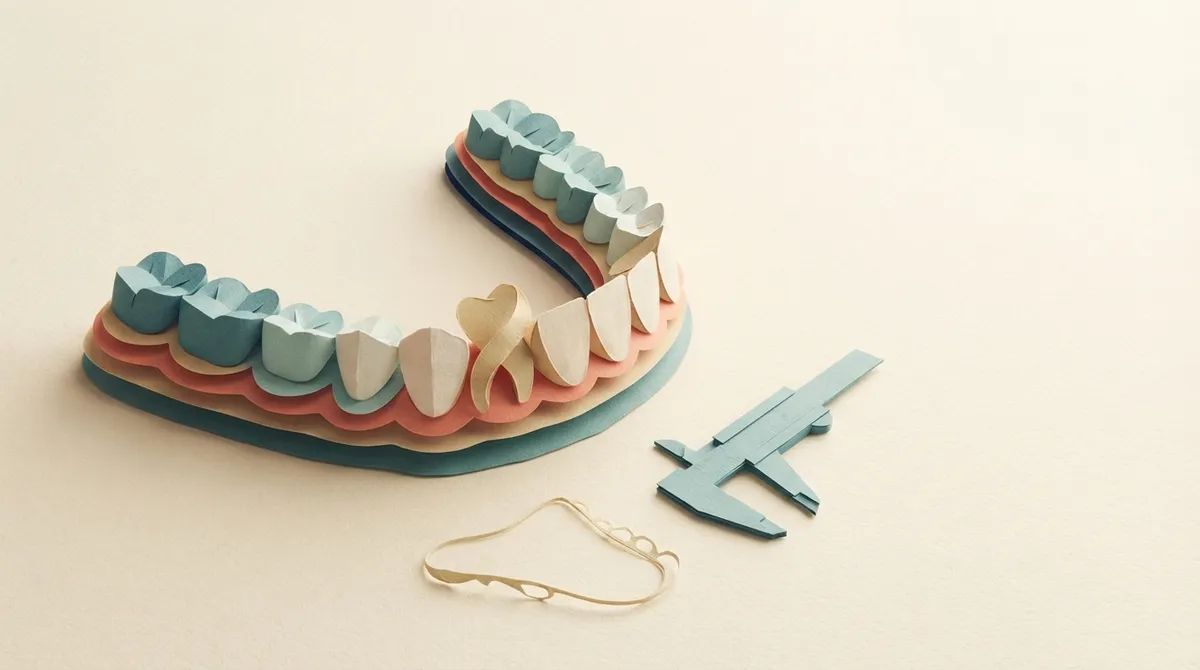
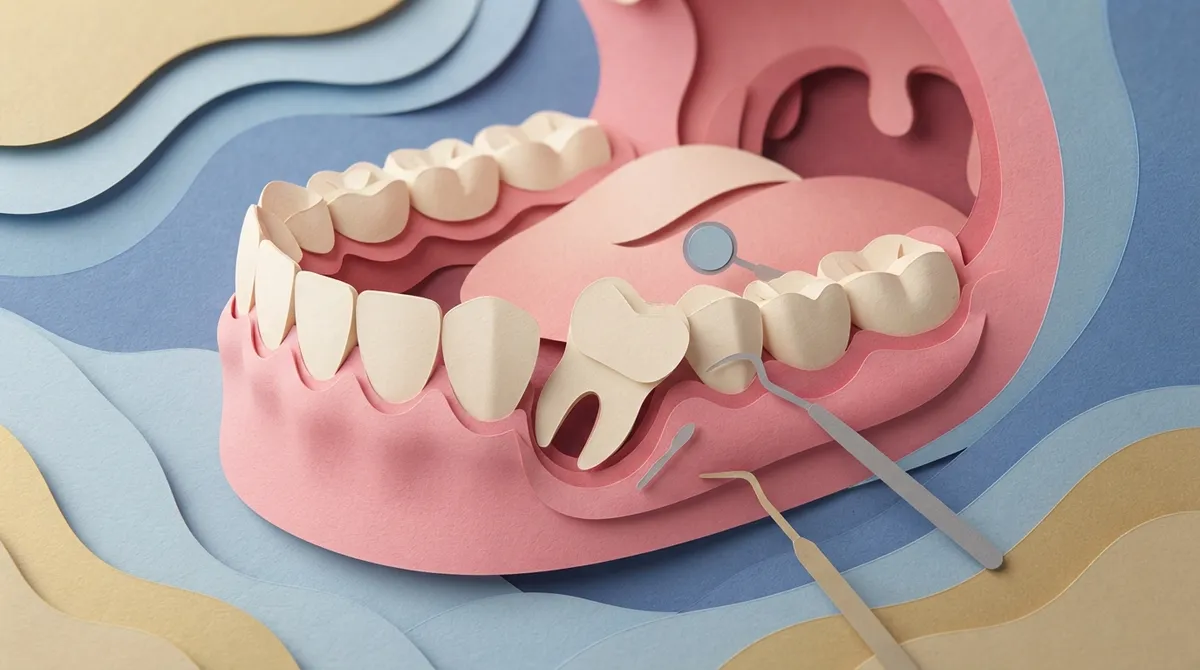
A rotated tooth is a tooth that has turned around its long axis compared to its normal position in the dental arch. Picture a tooth like a little post. If the post twists, the flat front surface no longer faces forward the way it should. That is rotation.
Rotations can affect front teeth or back teeth. They also vary in direction and severity. Some teeth are turned only a few degrees and are barely noticeable. Others are turned so far that the side of the tooth faces the front. Because every mouth is different, no two rotated teeth are quite alike.
What Causes a Tooth to Turn?
There is rarely just one cause. A tooth may rotate because of limited space, which is why crowding and rotation often show up together. A tooth may also erupt at an angle, or a baby tooth may stay too long and push the adult tooth off course. Habits and jaw growth can play a role too. Your orthodontist looks at these factors during an exam instead of guessing. If you’re curious about the bigger picture, our article on what causes crowding in children’s developing teeth explains how limited space can lead to turned teeth.

Why Does an Orthodontic Evaluation Matter?
It can be tempting to treat a rotated tooth as only a look-good issue. But an orthodontic evaluation considers much more than appearance. The orthodontist examines tooth positions, available space, your bite, and how your teeth and jaws relate to each other.
A consultation can clarify whether a rotation is mainly cosmetic or whether it comes with crowding, bite interference, or other orthodontic issues. Only an in-person assessment can give you an individual diagnosis and treatment plan. Websites and photos can be helpful, but they can’t replace a hands-on exam.
What Happens During the Exam?
Clinical examination is the heart of the visit. Your orthodontist looks at your teeth, gums, and bite, and asks about your goals and concerns. Depending on your situation, they may also use extra tools to plan carefully.
- Photographs: Pictures of your face and teeth help track changes over time.
- Dental models or digital scans: These show how your teeth fit together and how much space is available. Learn more in our guide to intraoral scanning for orthodontics.
- X-rays: These reveal roots, jaw position, and teeth that have not yet erupted. See what orthodontic X-rays can help evaluate.
Not every patient needs every tool. Your orthodontist chooses what makes sense for your case.
What Will the Orthodontist Look At?
Think of the evaluation like a puzzle. The rotated tooth is one piece, but the orthodontist wants to see how all the pieces fit. Here is a quick snapshot of the main things they check.
| What Is Checked | Why It Matters |
|---|---|
| Degree and direction of rotation | Helps decide how much movement is needed |
| Available space in the arch | A turned tooth often needs room to rotate back |
| Crowding or spacing | Affects whether space must be created or closed |
| Bite relationship | Shows if the rotation interferes with how teeth meet |
| Gum and bone health | Healthy support is key before moving teeth |
| Your goals and lifestyle | Guides the choice between treatment options |
If bite concerns come up, you may find our article on why your bite needs an orthodontist’s attention helpful.
Do Rotated Teeth Always Need Treatment?
Not always. This is where the evaluation really earns its keep. A mild rotation with a healthy bite may only need monitoring, while a more severe rotation tied to crowding or bite problems may benefit from treatment. Some people choose treatment mainly for confidence, and that is a perfectly valid reason too.
The decision depends on the degree and location of the rotation, crowding and bite relationships, your dental health, and what you want from your smile. Your orthodontist will talk through the pros and cons with you so you can make an informed choice.
How Are Rotated Teeth Corrected?
Rotated teeth are corrected by gently moving them back into position over time. The approach depends on how the tooth is turned and how much space is available. The orthodontist decides which option can predictably achieve the movement your teeth need.
Braces or Clear Aligners?
Both fixed braces and clear aligners can treat rotations, but they work a little differently. Braces attach to the teeth and give the orthodontist precise control over how each tooth turns. Clear aligners are removable trays that move teeth in small steps. Some rotations, especially larger ones on certain teeth, can be trickier to correct predictably with aligners alone, and your orthodontist may use extra aids or recommend braces instead.
Want to compare? Take a look at braces vs. clear aligners or our guide to how removable aligners straighten teeth. At Brockway Orthodontics in Clearwater, we offer Spark™ Clear Aligners, metal braces, and ceramic braces, so you can explore options that fit your life.
| Option | How It Works | Good to Know |
|---|---|---|
| Metal braces | Brackets and wires apply steady, controlled force | Strong control for many rotations |
| Ceramic (clear) braces | Tooth-colored brackets with wires | Less noticeable than metal |
| Clear aligners | Removable trays shift teeth in small steps | Discreet, but success depends on wear and case type |
Making Room for the Turn
Space management can be important, especially for rotated front teeth. A tooth often cannot turn if there is no room for it. Depending on the case, an orthodontist may consider creating space by expanding the arch or by limited interproximal enamel reduction, which means gently smoothing tiny amounts of enamel between teeth. These are individualized choices, not one-size-fits-all recommendations. If you’re curious about expansion, our palatal expander guide is a helpful read.
Why Do Rotated Teeth Like to Move Back?
Here is something many people don’t expect: rotated teeth have a notable tendency to relapse after correction. The tissues around the tooth, including the little fibers in the gums, can have a kind of memory. They may gently tug the tooth back toward where it started.
A British Orthodontic Society retention guideline notes that rotational relapse commonly happens in the first 4 to 6 years after appliances come off. That is why careful, long-term retention planning is such a big part of caring for a corrected rotation.
Retention: Your Smile’s Best Friend
Retention is the stage where you wear retainers to hold your new smile in place. The orthodontist may recommend a removable retainer, a bonded retainer, or a combination, with wear and follow-up tailored to your case. Each has its own strengths, so it’s worth learning the basics:
- Removable retainers: Easy to clean and take out, but they only work if you wear them. See Essix retainer tips.
- Bonded retainers: A thin wire attached behind the teeth that works around the clock. Learn more about a fixed bonded retainer.
- A combination: Some patients use both for extra protection.
Not sure which suits you? Our comparison of fixed vs. removable retainers can help you think it through. And once you have your retainer, our tips on caring for your dental retainer will keep it working well.
What Is Circumferential Supracrestal Fiberotomy?
This long name describes a small procedure with a simple idea. Circumferential supracrestal fiberotomy, often shortened to CSF, releases the gum fibers around a tooth. For selected cases, it may be considered as an extra step to help reduce rotational relapse.
Here is how one study looked at it. In a 2019 study of 90 orthodontically treated front teeth that also received CSF, the average correction was 14.05 degrees, and the average relapse at 12 months was 1.1 degrees, or 10.8% of the correction. In that same study, 57.8% of teeth showed no measurable relapse, 34.5% had 1 to 3 degrees, 6.6% had 4 to 9 degrees, and 1.1% had more than 10 degrees.
Please keep in mind that this was a selected study group using a specific treatment and retention plan. It should not be treated as a prediction for any one person. CSF is not right or necessary for every patient, and it does not replace retention. Your orthodontist can tell you whether it even belongs in your plan.
Who Might Benefit From an Evaluation?
Rotated teeth show up at every age, and different people come in for different reasons.
- Parents of children and teens: If you spot a turned tooth coming in, an early check can show whether space is tight. Our guide on when your child should first see an orthodontist is a good place to start.
- Teens and young adults: Many want a discreet fix before graduation, prom, or a big social moment.
- Adult professionals: Busy adults often want efficient, low-profile options. Explore orthodontics for adults.
- Relapse patients: If a tooth has turned back after past braces, an evaluation can sort out why and what to do. Our article on orthodontic relapse warning signs covers the clues.
- Health-conscious patients: Turned teeth can be harder to clean, so people focused on gum health often want them checked.
How Long Does It Take to Straighten a Rotated Tooth?
The honest answer is that it depends. Treatment length varies with how far the tooth is turned, whether space must be created, your age, and how closely the plan is followed. A single mildly rotated tooth may move faster than a case that involves several teeth and bite changes. Your orthodontist can give a realistic estimate after your exam. For a broader look, see timelines that answer how long braces really take.
What to Expect and How to Prepare
Walking into an orthodontic office for the first time can feel a little nerve-racking, but it doesn’t have to. A little preparation makes the visit smoother and more useful.
- Write down your questions. Ask about the rotated tooth, how it affects your bite, and what your options are.
- Share your dental history. Mention past braces, retainers, or any habits like nail biting or thumb sucking.
- Bring any records. Recent X-rays or photos from your dentist can help.
- Think about your goals. Do you want a quick cosmetic touch-up, a bite improvement, or both?
- Ask about retention. Learn what the long-term plan looks like from day one.
You can find more tips in our guide on how to prepare for your orthodontic evaluation.
Why Choose Brockway Orthodontics in Clearwater?
At Brockway Orthodontics, Dr. Brockway takes the time to listen to your concerns and your dreams for your smile. She explains your options in a friendly, easy-to-understand way, so you always know what to expect. Our Clearwater practice uses modern technology, including digital impressions instead of messy molds and 3D imaging for precise planning, and in certain cases same-day treatments are possible. We treat the whole family, from kids and teens to adults, and we love being part of this community. You can also visit us on Google — Brockway Orthodontics to see what our patients say.
For helpful background reading, the American Dental Association offers general oral health resources, and the Florida Association of Orthodontists shares information about orthodontic care in our state. We also share updates on our Facebook page.
Take the Next Step Toward a Straighter Smile
A rotated tooth is common, and it is also very workable. The key is a thoughtful evaluation that looks at the whole picture: your teeth, your space, your bite, and your goals. From there, your orthodontist can recommend the right approach, plan for space, and set up a retention routine that protects your results for years to come.
Ready to find out what is going on with your smile? Book your free consultation online and let Dr. Brockway and our friendly team guide you. Have questions first? Just contact us, and we’ll be happy to help.
FAQs
Q: What causes a tooth to become rotated?
A: Most often it comes down to limited space, a tooth erupting at an angle, or a baby tooth staying too long and nudging the adult tooth off course. Habits and jaw growth can play a part too. An orthodontic exam helps pinpoint the cause in your own mouth.
Q: Can clear aligners correct rotated teeth, or are braces better?
A: Both can work, and the best choice depends on how much the tooth is turned and which tooth it is. Some larger rotations are harder to correct predictably with aligners alone, so your orthodontist may suggest extra aids or braces. After your evaluation, you’ll know which path fits your smile.
Q: Why do rotated teeth tend to move back after treatment?
A: The fibers in the gums around a tooth can have a sort of memory and gently pull the tooth toward its old position. That is why retention is such an important part of care. Wearing your retainer as directed helps keep your hard-earned results in place.
Q: What is circumferential supracrestal fiberotomy, and when might it be used?
A: It is a minor procedure that releases the gum fibers around a tooth, and it may be considered for selected cases to help reduce rotational relapse. It isn’t needed for every patient and it doesn’t replace retainers. Your orthodontist will let you know if it makes sense for you.
Q: Do rotated teeth need orthodontic treatment?
A: Not always. A mild rotation with a healthy bite may simply be monitored, while a more noticeable one tied to crowding or bite problems may benefit from treatment. An in-person evaluation is the best way to find out what is right for you.
Our Service Area