Key Takeaways
-
Gaps between baby teeth are often normal because primary teeth are smaller than permanent teeth, and the extra space gives adult teeth room to erupt.
-
A gap between the upper front teeth (midline diastema) may narrow as permanent canines come in, but a large or persistent gap should be checked rather than assumed to close on its own.
-
Spacing can have different causes, including tooth-size and jaw-size mismatch, a missing or extra tooth, or a prominent upper lip frenum, so only an exam can identify the true reason.
-
Thumb-sucking, pacifier use, and tongue thrusting can influence spacing and bite, so address these habits early and discuss them with your orthodontist.
-
The American Association of Orthodontists recommends an orthodontic check-up by age 7 for evaluation and monitoring, not automatic treatment.
-
Come in sooner if a gap is large, changing, or linked to early baby tooth loss, since a space maintainer may be needed to protect the space for the permanent tooth.
Have you ever glanced at your child’s smile and noticed little gaps between their teeth? You’re not alone, and the good news is that it’s often completely normal. Many parents feel a flutter of worry when they spot spacing between children’s teeth, but in many cases it’s just part of growing up.
Still, not every gap tells the same story. Some spaces are helpful. Some change over time. And a few are worth a closer look from an orthodontist. The trick is knowing which is which.
In this friendly guide, we’ll walk you through eight things every parent should know in 2026. You’ll learn why gaps appear, when they close on their own, and when it’s smart to book a visit. Think of this as a chat with a trusted friend who happens to know a lot about smiles. Let’s dive in!
1. Gaps Between Baby Teeth Are Often Perfectly Normal
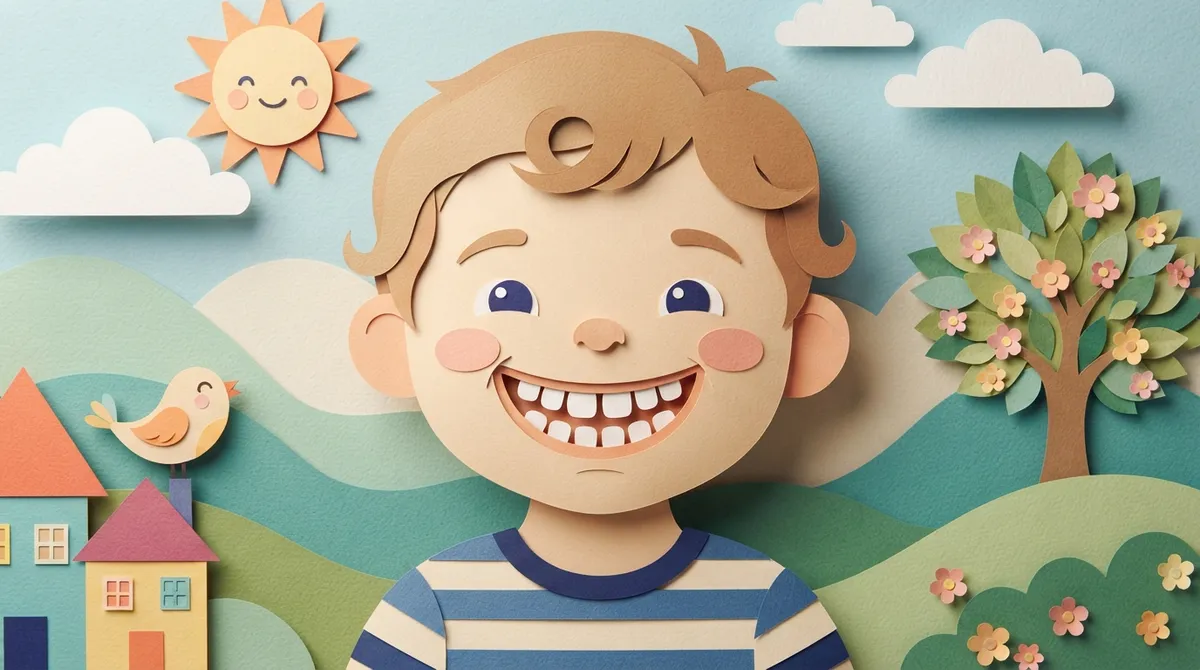
Here’s a comforting fact to start. Gaps between baby teeth are often a normal part of development. Primary teeth are generally smaller than the permanent teeth that replace them. That means a little extra room in a young mouth can actually be a good sign.
Think of it like leaving space in a closet before a big shopping trip. Those larger adult teeth are on their way, and they need somewhere to land. Spacing between children’s teeth in the baby-tooth years can give them that room.
You may also notice small spaces near the canines. These are sometimes called “primate spaces,” and they are common. One study of 267 children with complete primary dentitions found that spacing was common, and it showed up more often in boys than girls. That study covered a limited group of kids, so it isn’t a universal number. Still, it supports what orthodontists see every day: spaces in baby teeth are usually not a cause for alarm.

2. Not All Gaps Mean the Same Thing
It’s easy to lump every gap together, but spacing can mean very different things depending on your child’s age and stage. A gap that is perfectly healthy at age five may deserve a second look at age ten.
An orthodontist looks at the whole picture. This includes:
- Your child’s age and stage of tooth eruption
- Spacing across the whole arch, not just one spot
- How the upper and lower jaws line up
- The order in which teeth are coming in
- Oral habits like thumb-sucking
- Your child’s dental history
Appearance alone can’t tell us the cause. That’s why a professional look matters more than a guess. If you want to know what else can affect a growing smile, our guide on what causes crowding in children’s developing teeth shows the other side of the same coin.
3. The Gap Between the Front Teeth Has a Name
Many parents notice a gap right between the two upper front teeth. This is called a midline diastema. It’s one of the most common spacing questions we hear from families.
The gap may narrow as the permanent canines come in. That can feel reassuring, and for many kids it works out nicely. However, a gap that sticks around or looks large deserves a dental check. It’s better not to simply assume it will close on its own.
Why the caution? Because the cause matters. A small gap that shrinks with growth is very different from a gap caused by a missing tooth or an extra one hiding under the gums. A quick visit can sort that out. You can also read more in our post on 10 signs you need an orthodontist for spacing issues.
4. Several Things Can Cause Persistent or Unusual Spacing
If a gap lingers, there’s usually a reason behind it. Understanding the possible causes helps you ask better questions at your child’s visit.
Here are the common contributors:
- Tooth size and jaw size mismatch. Sometimes the teeth are a bit small for the jaw, which leaves extra space.
- A missing tooth. If a tooth never formed, the neighbors may drift apart.
- An extra tooth. A hidden extra tooth can push others out of position and create gaps.
- Tooth position or eruption differences. Teeth sometimes come in at an angle or in an unusual order.
- A prominent or low-attaching upper lip frenum. This is the small band of tissue between the upper lip and gums. Sometimes it can play a role in a front-teeth gap.
Only a dentist or orthodontist can tell which cause applies to your child. We never want you to feel you have to figure it out alone. That’s what we’re here for!
5. Habits Can Play a Part Too
Kids are creatures of habit, and some habits can nudge teeth around. Thumb-sucking, pacifier use, and tongue thrusting are a few that can influence spacing and bite.
Please don’t feel guilty if your little one has a favorite comfort habit. It’s incredibly common, and it’s rarely anyone’s fault. The goal is simply to notice it and talk about it early, so we can plan gently.
If a habit is contributing to a gap, addressing the habit may be part of the plan. Sometimes that’s all that’s needed. Other times, we pair that with monitoring or treatment. For more on how early habits and baby teeth shape a smile, check out 11 ways baby teeth shape orthodontic development.
6. Here’s a Quick Look at When Spacing Is Typically Normal vs. Worth Checking
Every child is different, so use this table as a friendly guide, not a diagnosis. It’s meant to help you decide when to relax and when to schedule a visit.
| Situation | Usually Normal? | What to Do |
|---|---|---|
| Small gaps between baby teeth | Often yes | Enjoy it, and keep up regular checkups |
| Spaces near baby canines (primate spaces) | Often yes | Mention at your next visit |
| Gap between new upper front permanent teeth | Sometimes | Have it evaluated, since it may or may not close |
| Large or persistent gap | Needs a look | Book an orthodontic evaluation |
| Gap after losing a baby tooth early | Needs a look | Ask whether space needs to be protected |
| Gap with a thumb-sucking habit | Needs a look | Talk to your orthodontist about next steps |
When in doubt, ask. A quick conversation can save you months of wondering.
7. The Age 7 Check-Up Is About Looking, Not Automatically Treating
The American Association of Orthodontists recommends an orthodontic check-up by age 7. Now, this surprises some parents. It does not mean your child needs braces at seven. It simply means it’s a great time to take a look.
By age 7, a mix of baby and permanent teeth is usually present. That gives an orthodontist a helpful view of how things are developing, including any spacing. Many children are simply monitored until treatment makes sense. Others benefit from a little early guidance.
If you’d like to understand the timing better, our article on age 7 vs. waiting breaks it down nicely. And if you’re curious what a first visit looks like for little ones, see your child’s first orthodontic visit: what to expect in 2026.
At Brockway Orthodontics, Dr. Brockway takes the time to listen to your concerns and explain things in a warm, easy-to-understand way. You’ll never feel rushed or confused. We’re proud to be Clearwater’s go-to orthodontic team for families, and you can see what our Brockway Orthodontics families say on Google.
8. Treatment Depends on the Cause and Your Child’s Stage
So what happens if a gap does need attention? The answer depends on why the gap is there and whether your child has baby teeth, a mix, or all permanent teeth.
Options may include:
- Observation. Many gaps simply need to be watched as your child grows.
- Addressing a contributing habit or dental issue. Sometimes fixing the cause is the best first step.
- Orthodontic treatment. If a gap persists in the permanent teeth, braces or clear aligners can close it.
You may also hear about space maintainers. These are generally considered when a baby tooth is lost early and the space for its permanent successor could be at risk. They aren’t used just because a gap exists. Our post on why early loss of baby teeth matters for smiles explains this in more detail.
When your teen is ready for treatment, you’ll have choices. We offer metal braces, ceramic (clear) braces, and Spark™ Clear Aligners, a more affordable alternative to Invisalign. If you’re weighing options for closing gaps, braces vs. aligners: which wins for teeth gap closure is a helpful read. Parents often like to compare costs too, and our braces payment plans guide walks through flexible options.
How Modern Technology Makes Evaluations Easier
Gone are the days of goopy molds that make kids gag. Today’s tools make checking spacing comfortable and quick. At our practice, we use digital impressions and 3D imaging to see your child’s teeth precisely.
X-rays or other records may be used when they’re clinically helpful, such as to look for a missing or extra tooth. We only recommend what’s truly needed. If you’re curious about the tech, read about what orthodontic X-rays can help evaluate in 2026.
For helpful background on dental health, the American Dental Association offers trusted resources for families. And to learn more about orthodontic specialists in our state, you can visit the Florida Association of Orthodontists.
Simple Ways to Support Your Child’s Smile at Home
While you wait and watch, there’s plenty you can do to help. Healthy habits give growing smiles their best start.
- Help your child brush twice a day with fluoride toothpaste
- Floss once teeth begin to touch
- Keep up with regular dental checkups
- Gently encourage kids to move away from thumb-sucking over time
- Take notes or photos if a gap seems to change
These small steps add up. And if you ever feel unsure, just ask us. No question is too small when it comes to your child’s smile.
Ready to Check on Your Child’s Smile?
Spacing between children’s teeth is often a normal, even helpful, part of growing up. But if a gap seems large, lingers, or comes with a habit or an early tooth loss, an orthodontic evaluation can give you peace of mind. Remember, a visit doesn’t mean treatment is automatic. It simply means you’ll know where things stand.
At Brockway Orthodontics, we love working with families across Clearwater, and we’d be delighted to meet your child. Dr. Brockway will listen, explain every step, and help you choose the right path. Ready to get started? Book your free consultation online, or contact our friendly team with any questions. We can’t wait to help your child smile with confidence!
FAQs
Q: Are gaps between baby teeth normal?
A: Yes, they very often are! Baby teeth are smaller than the permanent teeth that follow, so a little extra space can actually help make room for the bigger teeth coming in. If you’re ever unsure, your orthodontist can take a quick look and put your mind at ease.
Q: Will a gap between my child’s front teeth close on its own?
A: Sometimes it does. A gap between the upper front teeth, called a midline diastema, may narrow as the permanent canines come in. But if it’s large or sticks around, it’s best to have it checked rather than assume it will close by itself.
Q: When should a child with spaced teeth see an orthodontist?
A: The American Association of Orthodontists recommends an orthodontic check-up by age 7. That’s an evaluation, not a promise of treatment, and many kids are simply monitored until the timing is right. Come in sooner if a gap is large, changing, or linked to early tooth loss or a habit.
Q: Can thumb-sucking or a lip tie cause spaces between a child’s teeth?
A: They can play a role in some cases. Thumb-sucking can influence tooth position, and a prominent upper lip frenum may be linked to a front-teeth gap. Only an exam can tell whether either is truly the cause for your child.
Q: When is a space maintainer needed after a child loses a baby tooth early?
A: A space maintainer is generally considered when a baby tooth is lost early and the space for the permanent tooth underneath may be at risk. It isn’t used simply because a gap is present. Your orthodontist can tell you whether one makes sense for your child.
Our Service Area