Key Takeaways
-
The last aligner was designed to move teeth, while a retainer is designed to hold them; using the final tray as a long-term retainer is risky.
-
Ask your orthodontist about retention before your final aligner visit, and get your retainer type and wear schedule in writing.
-
Only use your last aligner as a short bridge while waiting for a retainer if your orthodontist explicitly approves it, and follow their timing exactly.
-
Teeth can drift after treatment as bone and soft tissue settle, and they can shift naturally over a lifetime, so consistent retainer wear matters.
-
If your retainer no longer fits, stop forcing it and call your orthodontist promptly, since going back to an old tray may not match your current tooth positions.
-
Protect your results by keeping every follow-up visit, storing your retainer in its case, and avoiding hot water or heat that can warp it.
You did it! You wore your trays, changed them on schedule, and pushed through every “aligner day” snack struggle. Now you are staring at that final tray in your hand, and a sneaky thought pops up: “Can I just keep wearing this one forever and call it a day?”
It is a fair question, and honestly, a very common one. But here is the friendly truth: why the last aligner is not a long-term retainer plan comes down to one simple idea. That tray was made to move your teeth. A retainer is made to hold them. Those are two different jobs.
In this guide, we will walk through how to build a retention plan that actually protects your new smile. You will learn what makes a retainer different, what to do while you wait for yours, and how to avoid common slip-ups. Whether you are a parent helping a teen, a busy professional, or someone who has been through treatment before, you will leave with clear, doable steps.
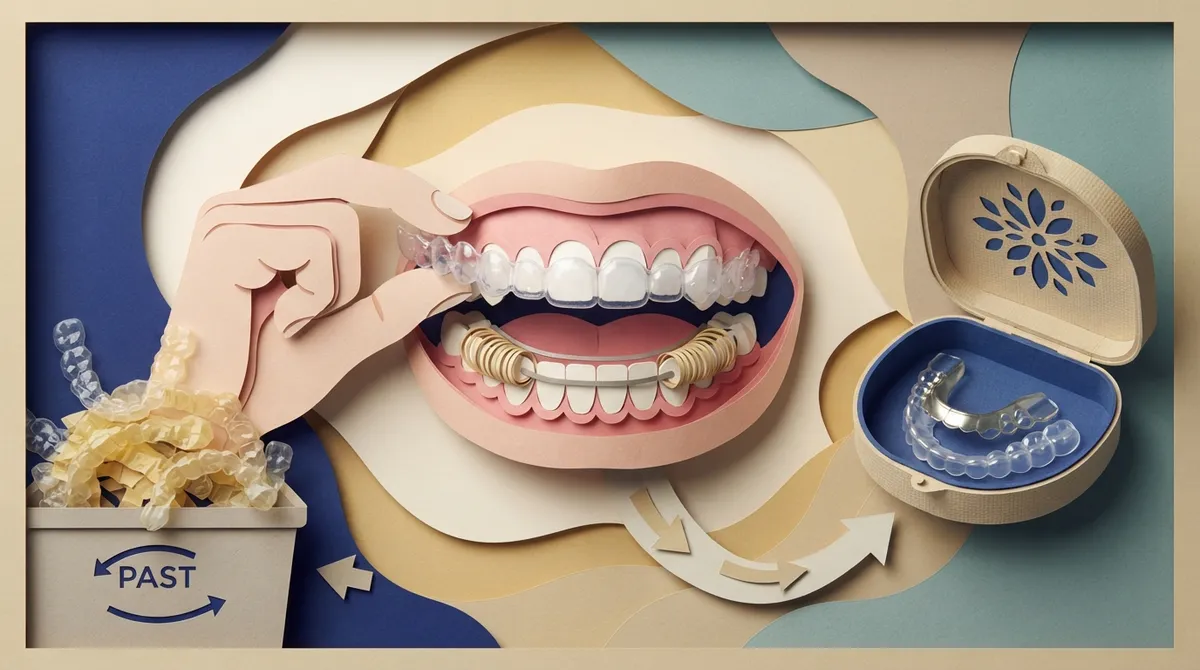
Why the Last Aligner Is Not a Long-Term Retainer Plan
Let’s start with the big “why.” Your final aligner and a retainer can look almost identical. Both are clear, snug, and slip over your teeth. But they were built for different phases of care.
Your last active aligner was designed to nudge teeth into their final planned positions. A retainer is designed to hold those positions once the movement is finished. Treating them as the same thing is a bit like using a moving truck as a storage unit. It can work for a little while, but it was not built for the long haul.
Here is why that matters:
- Different purpose: The last aligner is part of active treatment. A retainer belongs to the retention phase.
- Different materials and durability: Retainers are made for steady, long-term wear. A treatment tray may wear down, crack, or lose its grip.
- No retention plan attached: A retainer comes with a wear schedule your orthodontist sets for you. The last tray does not.
- No monitoring: Your orthodontist checks how your retainer fits over time. A leftover tray is easy to forget about.
The bottom line? Your last aligner is a great bridge, but only if your orthodontist says so. It is not a lifelong plan.
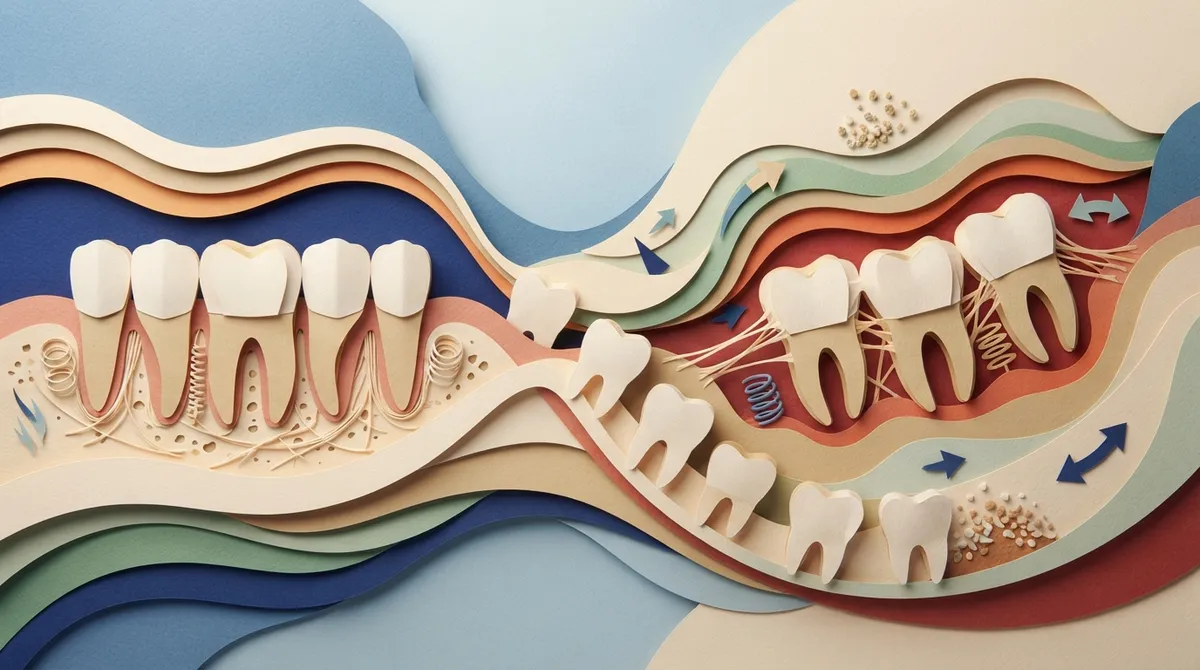
Why Teeth Want to Move After Treatment
Many people are surprised to learn that straight teeth do not automatically stay straight. After treatment, your teeth are sitting in brand-new spots. The bone and soft tissue around them need time to settle and adapt.
On top of that, teeth can change position over a lifetime. That is normal, and it is not your fault. It is simply how mouths work. Without a proper retention plan, teeth can drift or relapse back toward where they started.
The American Association of Orthodontists notes that how long you need to wear a retainer varies from person to person and depends on your stage of post-treatment care. There is no single universal timeline. That is exactly why a plan made just for you matters so much.
If you want to dig deeper into this topic, our guide on why teeth shift with age is a helpful read.
Aligner vs. Retainer: What’s the Real Difference?
Seeing the two side by side makes things click. Here is a simple comparison.
| Feature | Last Active Aligner | Retainer |
|---|---|---|
| Main job | Moves teeth into final positions | Holds teeth in place |
| Treatment phase | Active treatment | Retention |
| Built for long-term wear? | Not necessarily | Yes, made for ongoing use |
| Comes with a wear plan? | No, only a short treatment schedule | Yes, set by your orthodontist |
| Monitored over time? | Rarely | Checked at follow-up visits |
| Safe to rely on alone? | Only as a short bridge, if approved | Yes, when worn as directed |
Think of it this way: the aligner is the builder, and the retainer is the security guard. You need both, just at different times.
How to Build a Retention Plan That Actually Works
Ready to set yourself up for success? Follow these steps. They work for teens, adults, and anyone who wants their smile to last.
- Ask about retention before your final aligner. Bring it up at your last few visits. Ask what type of retainer you will get and when it will be ready.
- Choose the right retainer type with your orthodontist. Some people need a removable retainer. Others do better with a bonded (fixed) one. Some use both.
- Get your wear schedule in writing. Many plans start with full-time wear and then shift to nights only. Your orthodontist will tell you what fits your case.
- Set a daily reminder. Pair your retainer with a habit you already have, like brushing your teeth at night.
- Keep every follow-up visit. Quick checks help catch small shifts early.
- Store it safely. Always keep your retainer in its case, never in a napkin or pocket.
Not sure which option is best for you? Our page on retainers explains what we offer, and our article on fixed vs. removable retainers can help you compare.
Can You Wear Your Last Aligner While Waiting for a Retainer?
This is the question we hear most. The short answer is: maybe, but only if your orthodontist says it is okay.
Sometimes there is a gap between your final tray and the day your retainer arrives. In certain cases, your orthodontist may approve wearing the last aligner as a short bridge. If that happens, follow their exact instructions on how long and how often to wear it.
Here are some good rules of thumb:
- Do not decide on your own to use the last tray as your retainer.
- Do not force a tray that feels tight, painful, or damaged.
- Do not stretch a short-term fix into a months-long plan.
- Do call your orthodontist if something feels off.
A tray that no longer fits well can be a sign that your teeth have already shifted. In that case, it may not be able to bring your smile back, and your orthodontist may need to take a look.
Retainer Types and Wear Schedules at a Glance
Retention plans are personal. Here is a general look at common options so you know what to ask about.
| Retainer Type | How It Works | Good to Know |
|---|---|---|
| Removable clear retainer | Slips on and off like an aligner | Easy to clean; needs consistent wear |
| Wire-style removable retainer | Wire and acrylic, taken in and out | Durable; more visible |
| Bonded (fixed) retainer | Thin wire attached behind teeth | Always working; needs careful flossing |
| Combination plan | Fixed plus removable | Extra protection for higher-risk cases |
Real-world protocols vary. For example, some published NHS hospital guidance suggests nightly wear for the first year, then alternate nights long-term. These are examples, not rules for everyone. Your orthodontist will set the right schedule for you.
What to Do If Your Retainer Doesn’t Fit
It happens to the best of us. Maybe you skipped a few nights, lost it on a trip, or it cracked in your bag. Do not panic! Here is a simple game plan.
- Stop forcing it. If it feels very tight or painful, take it out.
- Call your orthodontist promptly. The sooner you reach out, the easier it is to fix.
- Do not go back to an old tray without approval. It may not match your current tooth positions.
- Get checked. If teeth have moved, you might need a new retainer, or in some cases more treatment with aligners or braces.
If your retainer breaks, our quick guide on what to do if your retainer breaks walks you through it. And if you had treatment in the past and your smile has shifted, learn about options like Spark™ Clear Aligners that may help you get back on track.
Tips for Every Member of the Family
Retention looks a little different depending on who you are. Here are some friendly tips for each group.
For Parents of Kids and Teens
Teens are busy, and retainers get lost in lunch trays more than you would believe. Help them pick a spot for their case, add a bedtime reminder, and check in now and then. Our adolescent treatment page shares how we support young patients.
For Adult Professionals
Between meetings and travel, it is easy to skip a night. Keep a spare case in your bag and set a phone alarm. Wearing your retainer at night means no one at work ever has to know.
For Anyone Who Has Had Treatment Before
If your teeth shifted after past treatment, you are not alone and it is not a failure. Many adults come back for a fresh start. Our adult treatment options may be a great fit.
For Health-Conscious Patients
Clean retainers keep your mouth healthy. Brush your retainer gently, rinse it, and avoid hot water that can warp it. Healthy gums and a steady bite go hand in hand with a good retention routine.
Common Mistakes That Put Your Smile at Risk
Even with the best intentions, a few habits can undo your hard work. Watch out for these:
- Reusing the last aligner for months. It was not designed or monitored for that.
- Stopping retainer wear too soon. Feeling fine does not mean your teeth are locked in.
- Skipping follow-up visits. Small shifts are easiest to fix early.
- Using hot water or leaving it in a hot car. Heat can warp the plastic.
- Waiting too long to replace a lost retainer. Teeth can move faster than you expect.
Want more ways to avoid slip-ups? Take a look at 11 retainer mistakes Clearwater patients should avoid. For a step-by-step look at daily wear, try how to wear a retainer after braces.
Why Local, Personalized Retention Care Matters
A one-size-fits-all approach rarely works in orthodontics, and retention is no exception. At Brockway Orthodontics, Dr. Brockway takes time to listen to your goals and build a plan around your life. Our team uses modern tools like digital scans and 3D imaging, so your retainer fits well and your results are tracked with care.
We love seeing families in Clearwater keep their smiles bright for years. You can meet Dr. Brockway to see how she cares for every patient. And if you would like to hear what others think, visit us on Google — Brockway Orthodontics to read patient reviews.
For extra reading on oral health, the American Dental Association and the Florida Association of Orthodontists both offer trusted resources. You can also read the American Association of Orthodontists guide on whether teeth stay put for more on why retention matters.
Your Smile Deserves a Plan That Lasts
Here is the heart of it: your final aligner finished its job, and now your retainer steps in to protect the result. Relying on that last tray as a forever fix is risky because it was never meant to hold your teeth for the long term. A proper retainer, a clear wear schedule, and regular check-ins are what keep your smile steady.
So take a deep breath, celebrate how far you have come, and set up a retention plan you feel good about. You put in the work, and your smile is worth protecting.
Ready to talk retention with a team that truly cares? Book your appointment online or contact us today. We would love to help you keep that beautiful smile for years to come!
FAQs
Q: Can I use my last Invisalign or clear aligner as a retainer?
A: Only if your orthodontist says it is okay, and usually just for a short time while your real retainer is being made. The last aligner was built to move teeth, not hold them long term, so it should not replace a proper retainer.
Q: How long should I wear my final aligner after treatment ends?
A: There is no one-size-fits-all answer, so follow what your orthodontist tells you. If they approve it as a bridge, use it exactly as directed until your retainer arrives. Never stretch it into a long-term fix on your own.
Q: Why do teeth move after braces or clear aligner treatment?
A: After treatment, the bone and soft tissue around your teeth need time to settle into the new positions. Teeth can also drift naturally over a lifetime. A retainer helps keep everything right where you worked so hard to put it.
Q: What should I do if my retainer no longer fits?
A: Do not force it on. Call your orthodontist right away so they can check whether your teeth have shifted. Depending on what they find, you may need a new retainer or a bit of extra treatment.
Q: Do I need a fixed retainer, a removable retainer, or both?
A: It depends on your teeth, your treatment, and your lifestyle. Your orthodontist will recommend the best option, which might be removable, bonded, or a combination of the two. Ask at your final visits so you have a plan ready.
Our Service Area