Key Takeaways
-
Schedule an orthodontic evaluation around age 7 once permanent teeth emerge; early detection prevents costly problems later and allows orthodontists to monitor jaw development before treatment becomes necessary.
-
An orthodontic evaluation examines three key areas: tooth and oral health, bite relationships and alignment, and facial/jaw proportions—going beyond what a regular dental exam covers to create personalized treatment plans.
-
Most comprehensive evaluations take 30-90 minutes and include medical history review, visual exam, bite checks, diagnostic photos, X-rays, and digital scans to ensure nothing is missed before treatment begins.
-
Adults are never too old for orthodontic treatment; shifted teeth after retainer non-use, jaw pain, or desire for a confident smile are valid reasons to seek evaluation at any life stage.
-
Prepare for your evaluation by writing down concerns, bringing dental insurance and past records, listing medications/health conditions, and arriving early to complete paperwork for a smooth appointment.
-
X-rays and digital imaging are essential components of comprehensive evaluations because they reveal hidden issues like impacted teeth and jaw structure problems that visual exams alone cannot detect.
So, you (or your child) might need braces or clear aligners. But where do you even start? The answer is simple: an orthodontic evaluation. Think of it as the friendly first step on a journey toward a smile you’ll love. It’s not scary, it doesn’t hurt, and honestly, it’s kind of exciting once you know what to expect.
An orthodontic evaluation is a full checkup that looks at your teeth, jaw, and bite. It helps an orthodontist figure out if you need treatment, what kind, and when to start. Whether you’re a parent booking your seven-year-old’s first visit, a teen dreaming of straight teeth before prom, or an adult professional finally ready to fix that shifting smile, this guide will walk you through everything. By the end, you’ll feel confident and ready to schedule your own visit at Brockway Orthodontics in Clearwater, Florida.
What Is an Orthodontic Evaluation, Really?
An orthodontic evaluation is a detailed look at your teeth, jaw, and facial structure. It’s different from your regular dental checkup. Your dentist checks for cavities and gum health. An orthodontist looks deeper at how your teeth line up, how your jaw fits together, and how your face grows.
This evaluation is the foundation for every treatment plan. Without it, an orthodontist can’t know if you need traditional braces, Spark™ Clear Aligners, or maybe no treatment at all right now. It’s the map that guides your whole smile journey.
Why This Step Matters So Much
Skipping this step would be like building a house without blueprints. Here’s why the evaluation is so important:
- It catches problems early, before they get worse or more expensive to fix.
- It helps your orthodontist create a treatment plan made just for you.
- It rules out issues that might need a dentist or specialist instead.
- It gives you a clear timeline, so you know what’s coming next.
- It builds trust between you and your orthodontic team from day one.
What Happens During an Orthodontic Evaluation
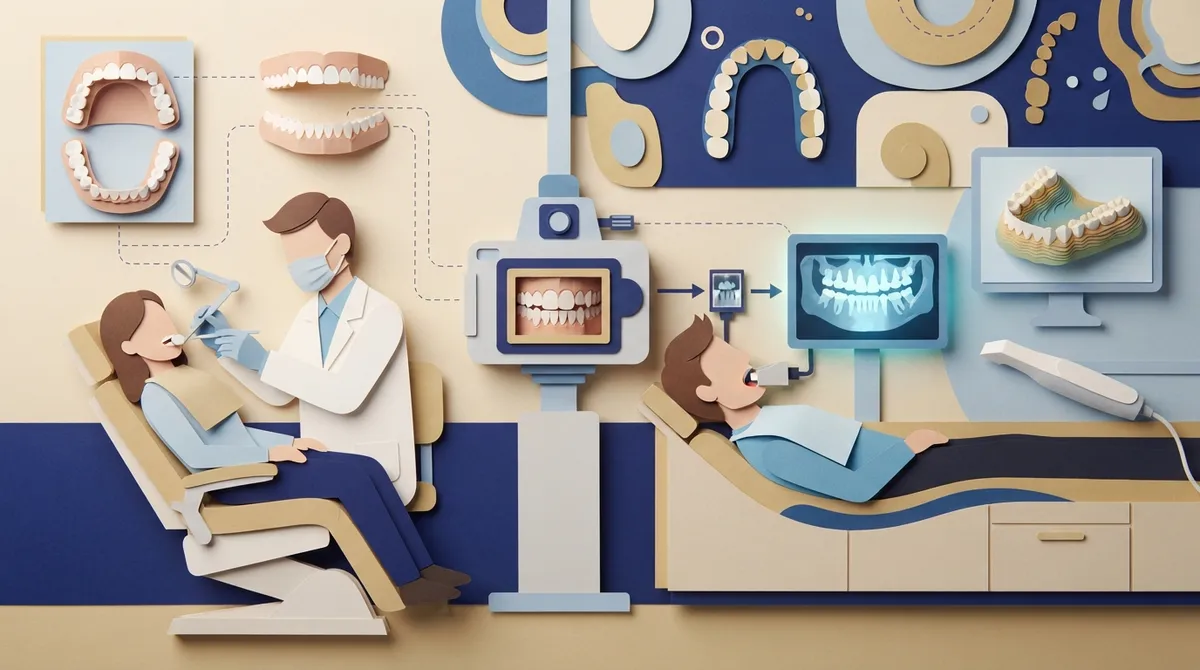
Walking into your first appointment can feel a little mysterious if you don’t know what’s coming. Let’s pull back the curtain. Most evaluations follow a similar pattern, though every orthodontist adds their own personal touch.
Step-by-Step: What to Expect
- Medical and dental history review. You’ll answer questions about past dental work, health conditions, and any concerns you have about your smile.
- Visual exam of your face and mouth. The orthodontist looks at your facial proportions, jaw alignment, and how your lips and teeth work together.
- Bite and occlusion check. This shows how your upper and lower teeth meet when you bite down.
- Diagnostic photos. Pictures of your face and teeth from different angles help track progress later.
- Digital scans or X-rays. These reveal what’s happening below the surface, including unerupted teeth and jaw structure.
- Discussion of findings. The orthodontist explains what they found and what it means for you.
- Treatment options and next steps. You’ll learn about possible treatments, timelines, and costs.
According to guidance from the American Dental Association, a full orthodontic exam paired with proper imaging is typically completed before any treatment begins. This ensures nothing gets missed.
How Long Does an Orthodontic Evaluation Take?
Good news: this isn’t an all-day event. Most first evaluations take about 30 to 60 minutes. Some practices offering a more thorough, comprehensive assessment may take 60 to 90 minutes, especially if X-rays and digital scans are part of the visit.
| Evaluation Type | Typical Time | What’s Included |
|---|---|---|
| Basic screening visit | 30–45 minutes | Visual exam, bite check, brief history |
| Comprehensive evaluation | 60–90 minutes | Full history, photos, X-rays, digital scans, treatment discussion |
| Follow-up monitoring visit | 15–30 minutes | Growth check, progress photos, updated recommendations |
The Three Big Things Orthodontists Look For
Modern orthodontic guidance, including recommendations from the American Academy of Pediatric Dentistry, groups the evaluation into three major categories. Understanding these helps you know exactly what your orthodontist is checking.
1. Health of Teeth and Oral Structures
This looks at cavities, gum health, missing teeth, or extra teeth that shouldn’t be there. It also checks for signs of grinding or wear.
2. Occlusal Relationships and Alignment
This is the bite check. Your orthodontist looks at overbites, underbites, crossbites, crowding, and gaps between teeth.
3. Proportions of Face and Jaw
This examines facial thirds, lower facial height, and whether your upper and lower jaws match up correctly. It’s a bigger-picture look that goes beyond just the teeth.
Some newer clinical frameworks in 2026 expand this even further, looking at up to four domains: aesthetics, function, structure, and biology. This more complete approach helps orthodontists like Dr. Brockway create treatment plans that consider your whole smile, not just crooked teeth.
Diagnostic Records: The Tools Behind the Evaluation
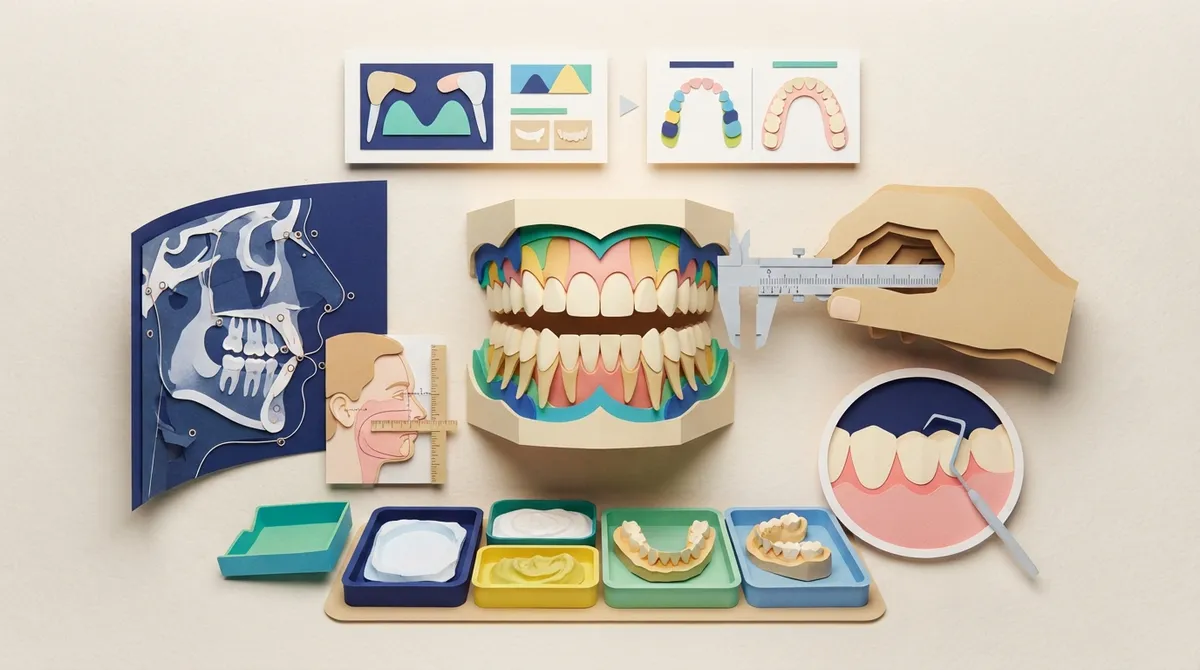
To make an accurate diagnosis, orthodontists rely on more than just a visual look. They gather records that act like a smile “snapshot in time.” These records generally fall into three categories:
- Photographs. Extraoral (face) and intraoral (mouth) photos capture your starting point.
- Dental casts or digital scans. These 3D models show exact tooth positioning and bite relationships.
- Radiographic imaging. X-rays reveal root positions, jaw growth, and teeth that haven’t erupted yet.
Do You Always Need X-Rays?
Not every single visit requires X-rays, but a comprehensive evaluation almost always includes them. X-rays let your orthodontist see things invisible to the naked eye, like impacted teeth or jaw joint issues. Skipping this step could mean missing a problem that’s easy to fix early but harder to correct later.
At What Age Should Kids Get Evaluated?
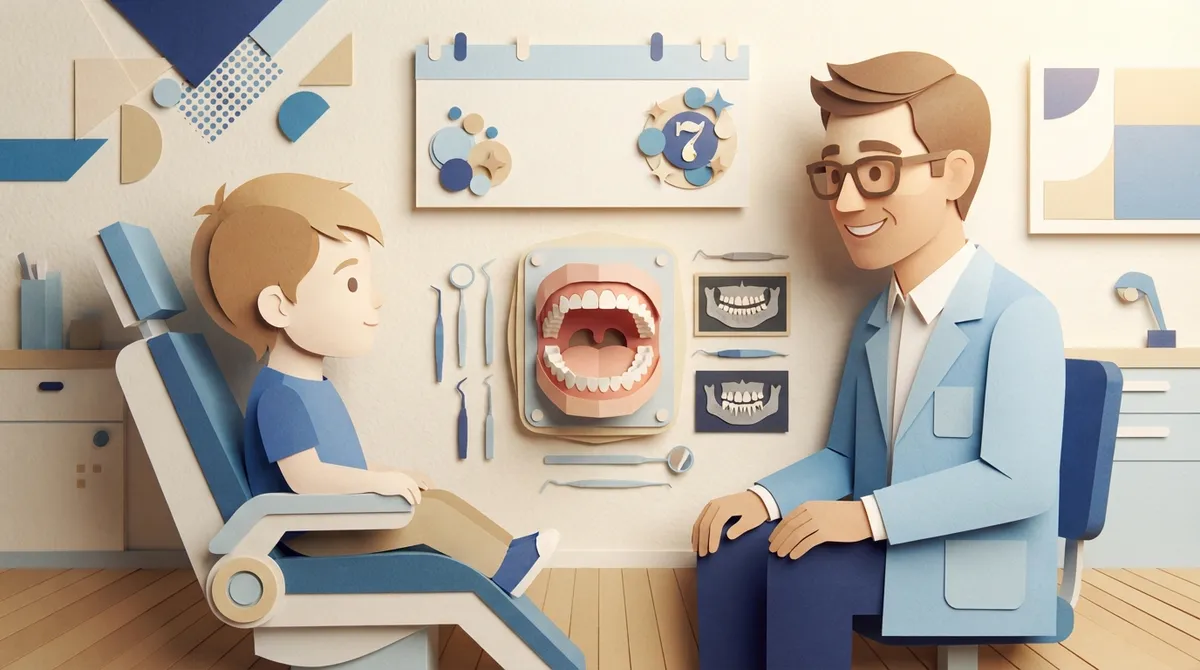
Parents often ask, “Isn’t my child too young for this?” The truth is, earlier is often better. Many professional guidelines suggest children have their first orthodontic evaluation around age 7, once some permanent teeth have come in.
This doesn’t mean treatment starts immediately. Often, it just means monitoring begins. Your orthodontist watches how the jaw and teeth develop, stepping in only when the timing is right. Learn more about this approach in our guide on early treatment options.
Signs Your Child Might Need an Earlier Look
- Losing baby teeth very early or very late compared to peers.
- Difficulty chewing or biting food.
- Thumb sucking past age 5.
- Mouth breathing or snoring at night.
- Jaws that appear to shift or make sounds when opening.
- Teeth that don’t seem to line up when the mouth is closed.
If you notice any of these signs, it’s worth scheduling a visit sooner rather than later. Our adolescent treatment page has more helpful information for parents.
What About Adults? Is It Ever Too Late?
Absolutely not. More adults than ever are seeking orthodontic care, whether it’s for a smile they always wanted or to fix relapse after old treatment. If you had braces years ago but your teeth have shifted, an evaluation is the perfect starting point to explore adult treatment options.
Common Reasons Adults Seek an Evaluation
- Teeth shifted after not wearing a retainer.
- A busy career now allows time and budget for treatment.
- Jaw pain or bite discomfort has developed over time.
- Wanting a more confident smile for social or professional reasons.
- Gum health concerns that are linked to crowded or misaligned teeth.
Discreet options like Spark™ Clear Aligners make it easier than ever for busy professionals to fit treatment into their lives without anyone even noticing.
Orthodontic Evaluation vs. Regular Dental Exam: What’s the Difference?
People often mix these two up, so let’s clear the confusion with a simple comparison.
| Feature | Dental Exam | Orthodontic Evaluation |
|---|---|---|
| Main focus | Cavities, gum health, cleanings | Bite, alignment, jaw growth |
| Performed by | General dentist | Orthodontist |
| Imaging used | Basic dental X-rays | Panoramic X-rays, 3D scans, growth analysis |
| Goal | Maintain healthy teeth and gums | Plan alignment and bite treatment |
Both visits matter, and they actually work together. Your dentist keeps your teeth healthy, while your orthodontist focuses on the bigger structural picture. To learn more about this relationship, check out our article on Orthodontist vs. Dentist: Which One Do You Actually Need?
What Problems Can an Evaluation Catch?
You might be surprised at how much an orthodontic evaluation can reveal. Here are common issues that get flagged during this process:
- Overbites, underbites, and crossbites.
- Crowded or overlapping teeth.
- Gaps or spacing issues between teeth.
- Jaw growth discrepancies between upper and lower jaws.
- Airway and breathing concerns linked to jaw structure.
- Early signs of teeth grinding or joint strain.
Catching these problems early often means simpler, faster treatment. That’s part of why groups like the Florida Association of Orthodontists encourage families not to wait too long before scheduling that first visit.
How to Prepare for Your Evaluation Visit
A little preparation goes a long way toward making your appointment smooth and stress-free. Here’s a simple checklist to follow before you go.
- Write down any concerns about your teeth, bite, or jaw.
- Bring your dental insurance information, if you have coverage.
- Gather past dental records or recent X-rays, if available.
- List any medications or health conditions to share with your orthodontist.
- Prepare questions about timelines, costs, and treatment types.
- Arrive a few minutes early to fill out any needed paperwork.
If you want a full breakdown of what your visit will look like, our page on your first visit covers everything step by step.
Why Choose Brockway Orthodontics for Your Evaluation
At Brockway Orthodontics in Clearwater, Florida, we make evaluations warm, welcoming, and easy to understand. Dr. Brockway takes time to listen to your goals and concerns, whether you’re a parent, teen, or adult exploring treatment for the first time. We use modern technology like digital impressions and 3D imaging, so there’s no messy goop and more accurate planning from day one.
We also know families lead busy lives. That’s why we offer flexible scheduling and, in some cases, same-day treatment options after your evaluation. Curious what real patients think? You can visit us on Google — Brockway Orthodontics to read reviews from families just like yours. You can also follow along on Facebook or Instagram for smile transformations and helpful tips.
Our Services Snapshot
- Traditional metal braces for reliable, effective results.
- Spark™ Clear Aligners, an affordable and discreet alternative to Invisalign.
- Ceramic (clear) braces for a more subtle look.
- Custom retainers to protect your results after treatment.
Explore our full range of care on our services page, or learn more about Dr. Brockway and her passion for the Clearwater community.
Bringing It All Together
An orthodontic evaluation isn’t something to dread. It’s simply the first friendly step toward a healthier, more confident smile. Whether your child is losing their first baby teeth, you’re a teenager wanting straighter teeth before graduation, or you’re an adult finally ready to invest in yourself, this visit sets everything in motion.
Remember, this evaluation might lead to treatment now, treatment later, or simply a plan to keep watching things closely. All three outcomes are valuable, because they give you clarity and peace of mind. Ready to take that first step toward your best smile? Book your appointment online today and let the Brockway Orthodontics team in Clearwater guide you with warmth, expertise, and a smile of our own.
FAQs
Q: What is an orthodontic evaluation?
A: It’s a full checkup where an orthodontist examines your teeth, bite, and jaw to see if treatment is needed. Think of it as the friendly starting point for your whole smile journey, giving you a clear picture of what’s going on and what comes next.
Q: At what age should a child have an orthodontic evaluation?
A: Most guidelines suggest around age 7, once some permanent teeth have come in. Don’t worry, this doesn’t mean braces right away, it just means we start keeping an eye on how things are developing.
Q: Do you need X-rays for an orthodontic evaluation?
A: For a comprehensive evaluation, yes, X-rays are usually part of the process. They help us see things a regular exam can’t, like unerupted teeth or jaw joint issues, so nothing important gets missed.
Q: How long does an orthodontic evaluation take?
A: Most visits run about 30 to 60 minutes, though a more detailed evaluation with X-rays and scans can take up to 90 minutes. Either way, it’s a relaxed, no-rush appointment designed to answer your questions.
Q: How is an orthodontic evaluation different from a regular dental exam?
A: A dental exam focuses on cavities and gum health, while an orthodontic evaluation looks at your bite, alignment, and jaw growth. Both are important, and honestly, they work best as a team to keep your whole smile healthy.
Our Service Area