
Key Takeaways
-
Adult orthodontics now offers nearly invisible treatment options like clear aligners and ceramic braces, making teeth straightening more accessible and discreet.
-
Properly aligned teeth improve oral health by making cleaning easier and reducing risks of tooth decay and gum disease.
-
Orthodontic treatment can alleviate chronic issues like jaw pain, headaches, and TMJ symptoms by correcting dental misalignments.
-
Adult orthodontics isn’t just cosmetic – it can boost self-confidence, improve professional opportunities, and enhance overall quality of life.
-
Modern technology allows effective teeth movement at any age, with treatment plans customized to individual oral health needs and lifestyle.
-
Patients can choose from multiple treatment types including traditional metal braces, ceramic braces, lingual braces, and clear aligners.
-
Successful adult orthodontic treatment requires commitment to the prescribed routine, regular check-ups, and consistent use of recommended appliances.
You might think braces are just for teenagers, but that couldn’t be further from the truth! Adult orthodontics has become incredibly popular, and for good reason. Whether you’ve been putting off treatment for years or you’re experiencing orthodontic relapse, it’s never too late to achieve the smile you’ve always wanted. Modern orthodontic treatments are more discreet, comfortable, and effective than ever before, making them perfect for busy adults who want to look and feel their best.
Today’s adult orthodontics offers solutions that fit seamlessly into your lifestyle. From nearly invisible clear aligners to tooth-colored ceramic braces, you have options that weren’t available just a decade ago. Beyond aesthetics, straightening your teeth as an adult can dramatically improve your oral health, alleviate jaw pain, and boost your confidence in both personal and professional settings. The journey to a healthier, more beautiful smile starts with understanding what adult orthodontics can do for you and taking that first step toward transformation.
In this guide, we’ll walk you through everything you need to know about adult orthodontics—from understanding your treatment options to navigating the process with confidence. Let’s explore how you can transform your smile at any age!
Understanding Adult Orthodontics and Why It Matters
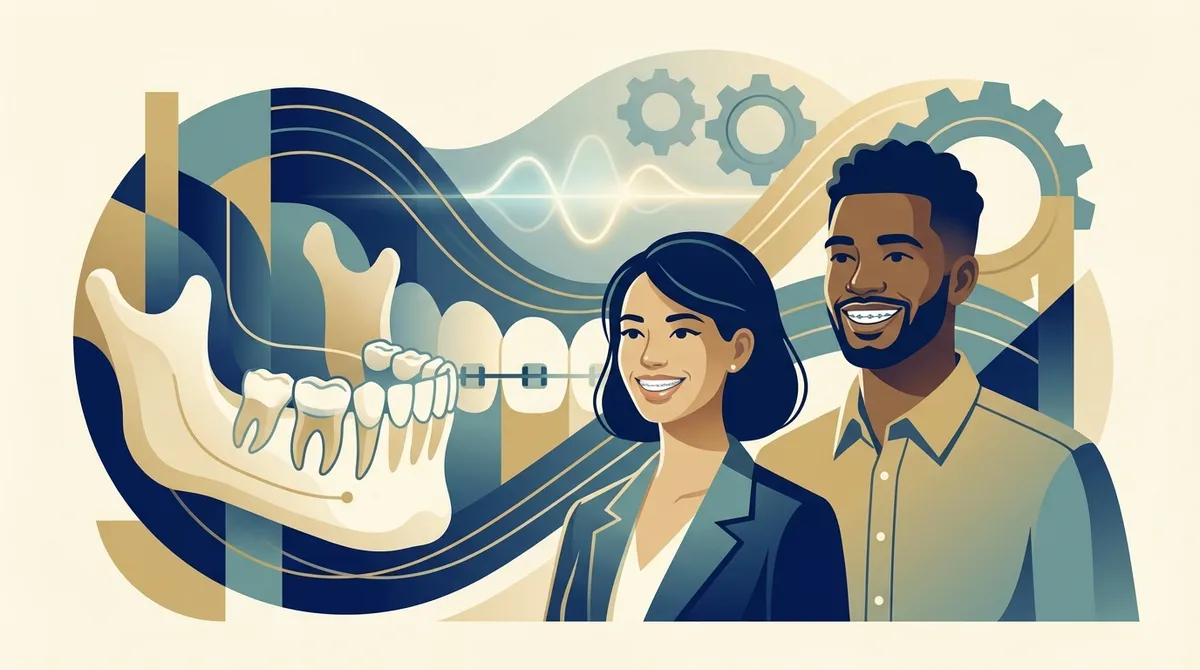
Adult orthodontics involves orthodontic treatments specifically designed to correct misaligned teeth, bite issues, and jaw problems in patients beyond their teenage years. Unlike childhood orthodontics, which often focuses on guiding jaw growth, adult treatments work with fully developed bones and teeth to create optimal alignment and function.
The reasons adults seek orthodontic treatment vary widely. Some never had the opportunity for braces as children, while others are dealing with orthodontic relapse after previous treatment. Many adults notice their teeth shifting over time due to natural aging, tooth loss, or periodontal disease. Whatever your situation, adult orthodontics addresses problems like overcrowding, overbites, underbites, crossbites, crooked teeth, and jaw misalignment.
The Growing Popularity of Adult Orthodontics
More adults than ever are seeking orthodontic treatment, and the trend continues to grow. This surge in popularity stems from several factors: increased awareness of oral health benefits, more discreet treatment options, and the growing understanding that a confident smile impacts professional success and personal relationships. Social media and video conferencing have also made people more conscious of their appearance, motivating them to invest in their smiles.
The American Dental Association recognizes that orthodontic treatment can benefit patients at any age, emphasizing that healthy teeth can be moved at any stage of life. Modern technology has made treatments faster, more comfortable, and less noticeable than traditional metal braces, removing many of the barriers that once prevented adults from seeking care.

Comprehensive Benefits of Adult Orthodontic Treatment
Choosing to pursue orthodontic treatment as an adult comes with numerous advantages that extend far beyond a prettier smile. These benefits touch every aspect of your life, from your physical health to your emotional well-being and social confidence.
Enhanced Oral Health and Function
Properly aligned teeth are significantly easier to clean. When teeth are crowded or crooked, brushing and flossing become challenging, leaving hard-to-reach spaces where plaque and bacteria accumulate. This buildup increases your risk of tooth decay, cavities, and gum disease. By straightening your teeth, you create a healthier environment in your mouth that’s much easier to maintain with regular oral hygiene.
Orthodontic treatment also improves your bite function, which affects how you chew food. A misaligned bite can cause uneven wear on certain teeth, leading to premature enamel erosion, chips, and cracks. When your teeth come together properly, the forces of chewing distribute evenly across all teeth, protecting them from excessive wear and extending their lifespan. This can save you from costly dental repairs down the road.
Relief from Physical Discomfort
Many adults don’t realize that their chronic headaches, jaw pain, or neck tension may stem from orthodontic issues. Misaligned teeth and bite problems can strain the temporomandibular joint (TMJ), causing symptoms like clicking or popping when you open your mouth, difficulty chewing, and persistent facial pain. Adult orthodontics can alleviate these TMJ symptoms by correcting the underlying alignment issues.
Some patients notice improvements in their jaw pain and headaches within just weeks to months of starting treatment. The relief extends to better sleep quality as well—proper alignment can reduce teeth grinding (bruxism) and improve breathing patterns during sleep. You might even notice better digestion since properly aligned teeth allow you to chew food more thoroughly before swallowing.
Boosted Confidence and Self-Esteem
The psychological benefits of a beautiful smile cannot be overstated. Adults who feel self-conscious about crooked or gapped teeth often hide their smiles in photos, cover their mouths when laughing, and feel less confident in social and professional situations. This self-consciousness can hold you back from job opportunities, romantic relationships, and social connections.
After completing orthodontic treatment, many adults report feeling more outgoing, confident, and willing to put themselves out there. A study of adult orthodontic patients found that improved appearance led to increased self-esteem and better quality of life. When you’re proud of your smile, you naturally smile more—and smiling more creates a positive feedback loop that enhances your mood and how others perceive you.
| Benefit Category | Specific Improvements | Timeline for Results |
|---|---|---|
| Oral Health | Easier cleaning, reduced decay risk, less gum disease | Immediate upon alignment |
| Physical Comfort | Reduced jaw pain, fewer headaches, better sleep | Weeks to months |
| Functional | Improved chewing, digestion, speech clarity | During and after treatment |
| Aesthetic | Straighter teeth, balanced smile, facial harmony | Progressive throughout treatment |
| Psychological | Increased confidence, better self-image | Immediate and long-term |
Modern Adult Orthodontic Treatment Options
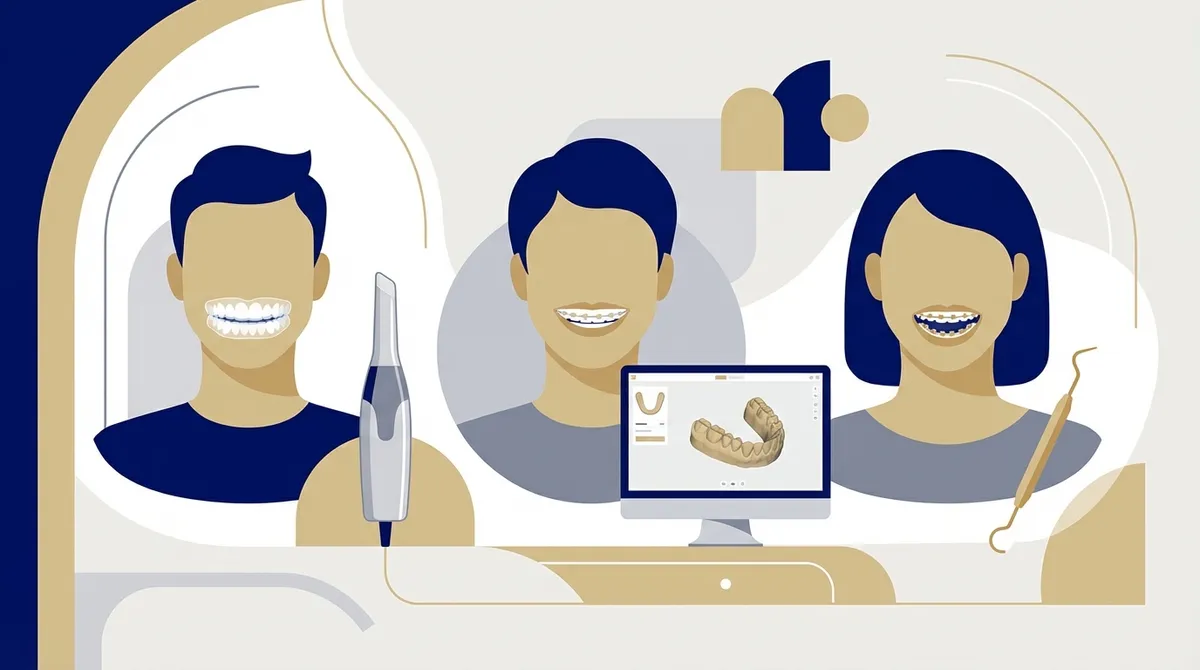
Gone are the days when bulky metal braces were your only option. Today’s adult orthodontics offers a variety of treatment methods to suit different lifestyles, budgets, and aesthetic preferences. Understanding your options helps you make an informed decision about which treatment path is right for you.
Traditional Metal Braces
Traditional metal braces remain one of the most effective and economical orthodontic treatments available. Modern versions are smaller, more comfortable, and less noticeable than the braces of the past. They consist of metal brackets bonded to each tooth and connected by a wire that gradually shifts teeth into proper alignment.
Metal braces work exceptionally well for complex cases involving severe crowding, significant bite issues, or teeth that need substantial rotation. They give your orthodontist precise control over tooth movement in all directions. While they’re the most visible option, many adults appreciate their reliability and effectiveness, especially when treatment goals take priority over aesthetics.
Ceramic Braces for Subtle Correction
Ceramic braces function identically to metal braces but use tooth-colored or clear brackets that blend with your natural tooth color. This makes them much less noticeable, especially in photos and face-to-face conversations. They’re an excellent middle ground for adults who want the effectiveness of traditional braces with improved aesthetics.
The ceramic material is strong and durable, though slightly more prone to staining than metal if you consume a lot of coffee, tea, or red wine. With proper care and regular cleaning, ceramic braces maintain their appearance throughout treatment. They cost slightly more than metal braces but offer a significant aesthetic advantage that many adults find worthwhile.
Lingual Braces: Hidden Behind Your Teeth
Lingual braces attach to the back surfaces of your teeth, making them completely invisible from the front. This option appeals to adults in public-facing careers or those who want orthodontic correction without anyone knowing they’re undergoing treatment. Lingual braces can treat most of the same issues as traditional braces.
The main drawbacks include a higher cost, potential speech adjustments during the initial weeks, and slightly more challenging oral hygiene. However, for adults prioritizing discretion, lingual braces offer an unbeatable combination of effectiveness and invisibility.
Clear Aligners: Flexibility and Convenience
Clear aligner systems have revolutionized adult orthodontics by offering a nearly invisible, removable alternative to braces. These custom-made, transparent plastic trays gradually shift your teeth through a series of aligners that you change every one to two weeks. Each aligner moves your teeth slightly closer to their final positions.
The removability factor is a game-changer for many adults. You can take aligners out for meals, important meetings, or special occasions, then put them back in when convenient. This makes eating easier since you don’t have food restrictions, and oral hygiene is simpler because you can brush and floss normally. Clear aligners work best for mild to moderate orthodontic issues.
At Brockway Orthodontics, we offer Spark™ Clear Aligners, which provide exceptional comfort and virtually invisible treatment. These aligners are designed with advanced materials that resist staining better than some other brands, maintaining their clarity throughout your treatment.
| Treatment Type | Visibility | Best For | Key Advantage |
|---|---|---|---|
| Metal Braces | Most visible | Complex cases, all alignment issues | Most effective and economical |
| Ceramic Braces | Moderately visible | Adults wanting less noticeable braces | Balance of aesthetics and effectiveness |
| Lingual Braces | Invisible | Complete discretion needed | Totally hidden from view |
| Clear Aligners | Nearly invisible | Mild to moderate cases, lifestyle flexibility | Removable and convenient |
How to Begin Your Adult Orthodontic Journey
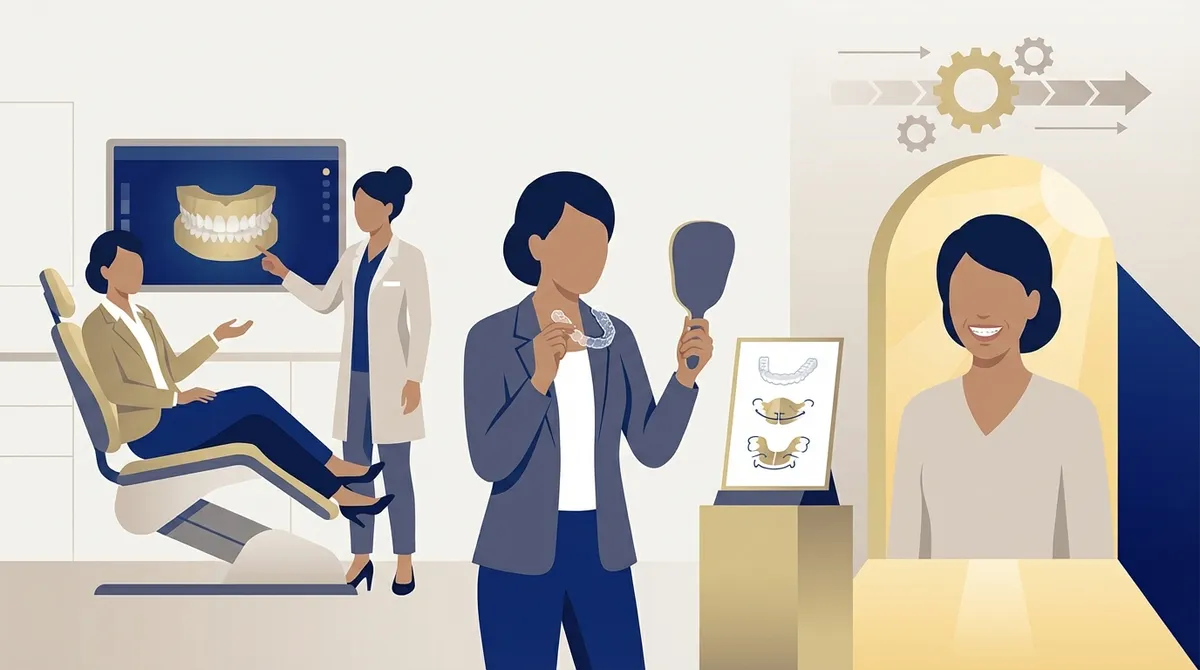
Starting orthodontic treatment as an adult might feel overwhelming, but breaking the process into clear steps makes it manageable and even exciting. Here’s how to navigate your journey from initial consultation to your dream smile.
Step 1: Schedule a Comprehensive Consultation
Your first step is booking a consultation with an experienced orthodontist who specializes in adult treatment. During this appointment, your orthodontist will examine your teeth, bite, and jaw alignment, often using digital X-rays, photographs, and 3D scans to create a complete picture of your oral health. This technology allows for precise treatment planning and helps you visualize your future results.
Be prepared to discuss your goals, concerns, and lifestyle factors that might influence your treatment choice. Do you travel frequently for work? Are you camera-shy about visible braces? Do you have specific timeline requirements? Honest communication helps your orthodontist recommend the best treatment option for your unique situation. The Florida Association of Orthodontists emphasizes the importance of choosing a qualified specialist for optimal results.
Step 2: Understand Your Treatment Plan
After your examination, your orthodontist will present a customized treatment plan outlining the recommended approach, estimated timeline, and investment required. This plan should clearly explain what orthodontic issues need correction and how the proposed treatment will address each concern.
Don’t hesitate to ask questions during this discussion. How long will treatment take? What will maintenance involve? Are there payment plans available? Will you need any preparatory work, such as tooth extractions or treatment for gum disease? Understanding every aspect of your treatment plan helps you feel confident and prepared for the journey ahead.
Step 3: Prepare for Treatment Day
Once you’ve decided to move forward, your orthodontist will schedule your first treatment appointment. For braces, this involves bonding brackets to your teeth and placing the initial wire. For clear aligners, you’ll receive your first set of trays along with detailed instructions for wearing and caring for them.
Before treatment begins, ensure your teeth and gums are in optimal health. You may need a professional cleaning or treatment for any existing cavities or gum inflammation. Starting with a healthy foundation gives your orthodontic treatment the best chance of success and helps prevent complications during the process.
Step 4: Commit to Your Treatment Routine
Success in adult orthodontics depends heavily on following your orthodontist’s instructions. For braces, this means attending all scheduled adjustment appointments, maintaining excellent oral hygiene, and following dietary recommendations. For clear aligners, you’ll need to wear your trays for 20-22 hours daily, only removing them for meals and oral hygiene.
Create habits that support your treatment. Set phone reminders to put aligners back in after meals, carry a travel toothbrush for on-the-go cleaning, and keep your orthodontist’s contact information handy for questions or concerns. The more consistent you are with your treatment routine, the faster and more predictable your results will be.
Step 5: Attend Regular Progress Appointments
Throughout your treatment, you’ll visit your orthodontist for progress checks and adjustments. These appointments typically occur every 4-8 weeks, depending on your treatment type. Your orthodontist will monitor tooth movement, make necessary adjustments, and ensure everything is progressing according to plan.
These check-ins are also opportunities to address any discomfort or concerns. Most patients experience mild soreness after adjustments, which is normal and indicates teeth are moving. However, if you experience unusual pain, broken brackets, or lost aligners, contact your orthodontist promptly rather than waiting for your next scheduled appointment.
Step 6: Maintain Your Results with Retention
Completing active treatment is exciting, but retention is equally important for maintaining your beautiful new smile. After your braces come off or you finish your aligner series, you’ll receive retainers to prevent teeth from shifting back to their original positions. This is especially crucial for adults, as teeth naturally tend to shift throughout life.
Your orthodontist will provide specific instructions for retainer wear, often recommending full-time wear for the first few months, then transitioning to nighttime-only wear. Taking retention seriously protects your investment and ensures your smile stays beautiful for life. Learn more about Retainers and their importance in maintaining orthodontic results.
Overcoming Common Concerns About Adult Orthodontics
Many adults hesitate to pursue orthodontic treatment due to common misconceptions and concerns. Let’s address these worries head-on so you can make an informed decision without unnecessary anxiety holding you back.
“Am I Too Old for Braces?”
Absolutely not! It’s never too late to improve your smile and oral health. While teeth move more slowly in adults than in children due to denser bone structure, healthy teeth can be repositioned at any age. In fact, many patients in their 40s, 50s, and beyond successfully complete orthodontic treatment with excellent results.
Age-related concerns like bone density and gum health are manageable with proper evaluation and care. Your orthodontist will assess your oral health comprehensively before recommending treatment, ensuring your teeth, gums, and jawbone can support the process. Untreated orthodontic issues often worsen over time, potentially leading to tooth loss, severe wear, and jaw disorders—problems that become more costly and complex to address than the original alignment issues.
Managing Discomfort and Adjusting to Treatment
Concerns about pain often deter adults from seeking orthodontic care, but modern treatments are more comfortable than ever. You’ll likely experience some soreness after initial placement and subsequent adjustments as your teeth respond to pressure, but this discomfort is typically mild and temporary, lasting only a few days.
Over-the-counter pain relievers, cold compresses, and soft foods help manage any discomfort during adjustment periods. Most patients report that any initial sensitivity quickly becomes routine background sensation rather than disruptive pain. The temporary discomfort is a small price to pay for a lifetime of improved oral health and confidence.
Balancing Treatment with Your Professional Life
As a working adult, you might worry about how orthodontic treatment will affect your professional image. The good news is that treatment options like clear aligners and ceramic braces are designed with adult lifestyles in mind. Many colleagues and clients won’t even notice you’re undergoing treatment.
For important presentations or meetings, clear aligner wearers can briefly remove their trays if needed, though consistent wear remains important for results. Most adults find that any initial self-consciousness fades quickly as treatment becomes part of their routine. In fact, many professionals report that taking steps to improve their appearance demonstrates self-care and professionalism.
Understanding the Investment
Cost is a legitimate concern for many adults considering orthodontic treatment. While adult orthodontics is an investment, it’s important to view it through the lens of long-term value. The benefits—improved oral health, prevention of future dental problems, enhanced confidence, and a beautiful smile—provide returns that extend throughout your lifetime.
Most orthodontic practices offer flexible payment plans that make treatment accessible regardless of your budget. Some dental insurance plans cover a portion of adult orthodontic treatment, and flexible spending accounts (FSAs) or health savings accounts (HSAs) can be used for orthodontic expenses. During your consultation, discuss all financial options openly to find a solution that works for your situation.
Caring for Your Smile During Adult Orthodontic Treatment
Maintaining excellent oral hygiene throughout your orthodontic journey is essential for achieving the best results and protecting your long-term dental health. Adult orthodontic patients must be particularly diligent about oral care, as brackets and wires create additional surfaces where plaque can accumulate.
Essential Oral Hygiene Practices
Brush your teeth after every meal and snack—not just twice daily. Use a soft-bristled toothbrush and fluoride toothpaste, taking time to clean around brackets, under wires, and along the gum line. An electric toothbrush with an orthodontic head can make this process more effective and efficient.
Flossing becomes more challenging with braces but remains absolutely essential. Use floss threaders, orthodontic floss with stiff ends, or water flossers to clean between teeth and under wires. This extra effort prevents gum inflammation and white spots (decalcification) that can develop if plaque remains on teeth throughout treatment. Clear aligner wearers have an advantage here—simply remove your trays to brush and floss normally.
Dietary Considerations
If you’re wearing braces, you’ll need to avoid certain foods that can damage brackets and wires. Hard foods like nuts, hard candy, and ice can break brackets, while sticky foods like caramel and taffy can dislodge them. Crunchy foods should be cut into small pieces rather than bitten into directly.
Clear aligner wearers don’t have dietary restrictions since trays are removed for eating. However, you should avoid drinking anything other than water while wearing aligners to prevent staining and cavity formation. After meals, brush your teeth before reinserting aligners to maintain optimal oral hygiene.
Protecting Your Orthodontic Appliances
Take care of your orthodontic appliances to avoid treatment delays. If you play sports, wear a mouthguard designed for orthodontic patients. Avoid habits like nail-biting, pen-chewing, or opening packages with your teeth, all of which can damage braces.
For aligner wearers, proper storage is crucial when trays are out of your mouth. Always use your designated case rather than wrapping aligners in napkins (a common way they accidentally get thrown away). Clean your aligners daily with gentle soap and lukewarm water—never hot water, which can warp the plastic.
What Makes Adult Orthodontics Different from Teen Treatment
While the goal of straight, healthy teeth remains the same, adult orthodontic treatment differs from adolescent treatment in several important ways. Understanding these differences helps set realistic expectations and prepares you for your unique journey.
Bone Density and Treatment Timeline
Adult bones are fully developed and denser than adolescent bones, meaning teeth move somewhat more slowly. Treatment timelines for adults typically range from 12 to 24 months, though this varies based on the complexity of your case and the treatment method chosen. Some minor corrections can be completed in as little as 6 months, while complex cases may require longer.
This slower movement isn’t necessarily negative—it often results in more stable, predictable outcomes. Your orthodontist will provide a realistic timeline estimate during your consultation, and staying committed to your treatment plan ensures the most efficient progress possible.
Addressing Previous Dental Work
Many adults have existing dental work like crowns, bridges, implants, or fillings that must be considered during orthodontic planning. These restorations don’t move the same way natural teeth do, so your treatment plan must work around or incorporate them strategically.
In some cases, you might need additional dental work before, during, or after orthodontic treatment to achieve optimal results. This collaborative approach between your orthodontist and general dentist ensures all aspects of your oral health are addressed comprehensively. Discover more about comprehensive care approaches in our Services section.
Periodontal Health Considerations
Adults are more likely than teens to have gum issues like gingivitis or periodontitis. Healthy gums are essential for successful orthodontic treatment, as moving teeth requires a stable foundation. Before beginning treatment, your orthodontist may refer you to a periodontist to address any gum disease.
Throughout treatment, maintaining gum health becomes even more critical. Regular professional cleanings, meticulous home care, and monitoring by both your orthodontist and general dentist help ensure your gums stay healthy as your teeth shift into new positions.
Choosing the Right Orthodontist for Your Adult Treatment
Selecting the right orthodontist is one of the most important decisions you’ll make on your journey to a better smile. Not all orthodontic practices focus equally on adult patients, so finding one with specific experience and a welcoming approach to adult treatment makes a significant difference in your experience and results.
Experience with Adult Patients
Look for an orthodontist who regularly treats adult patients and understands the unique considerations involved. Ask about the percentage of their practice that consists of adults—a higher number indicates significant experience with cases like yours. An orthodontist who specializes in adult treatment will be familiar with addressing existing dental work, managing periodontal concerns, and offering treatment options suited to adult lifestyles.
Don’t hesitate to ask about specific outcomes. Can they show you before-and-after photos of adult patients with similar issues to yours? Do they have testimonials from adult patients? This information helps you gauge whether the practice can deliver the results you’re seeking.
Technology and Treatment Options
Modern orthodontic technology significantly enhances treatment precision, comfort, and predictability. Look for practices that use digital scanning instead of traditional impressions, 3D treatment planning software, and offer multiple treatment options. The more tools an orthodontist has at their disposal, the more customized your treatment can be.
Ask about the specific brands and systems the practice uses. For example, not all clear aligner systems are created equal—some use superior materials and design algorithms that produce better results. A practice invested in staying current with orthodontic advances demonstrates commitment to providing the best possible care.
Office Environment and Patient Care
Your orthodontic journey involves numerous appointments over many months, so choosing a practice where you feel comfortable and valued matters immensely. During your consultation, pay attention to how the staff treats you. Are they friendly, professional, and willing to answer questions? Does the orthodontist take time to explain options thoroughly, or do you feel rushed?
Consider practical factors too: office location, appointment availability, emergency care protocols, and payment options. A practice that makes orthodontic care convenient and accessible helps ensure you stay committed throughout treatment.
At Brockway Orthodontics, we pride ourselves on creating a welcoming environment for adult patients. Meet Dr. Brockway and discover our patient-centered approach to orthodontic care in Clearwater, Florida. We understand that choosing to pursue orthodontic treatment as an adult is a significant decision, and we’re here to support you every step of the way.
Real-Life Benefits: What to Expect After Treatment
Completing your adult orthodontic treatment brings rewards that extend far beyond straight teeth. Understanding what life looks like after treatment helps motivate you through the process and gives you something wonderful to look forward to.
Immediate Visual and Functional Improvements
The most obvious benefit is your transformed smile. Straight, properly aligned teeth create facial balance and harmony that enhances your overall appearance. You’ll likely notice that you smile more freely and feel more photogenic. Many adults report that they no longer feel the need to hide their teeth in photos or cover their mouths when laughing.
Functionally, you’ll experience improved chewing efficiency, which can positively affect digestion. Properly aligned teeth distribute chewing forces evenly, reducing strain on any individual tooth. You may also notice clearer speech if previous alignment issues affected pronunciation of certain sounds.
Long-Term Health Protection
The oral health benefits of orthodontic treatment accumulate over time. With straighter teeth that are easier to clean, your risk of cavities and gum disease decreases significantly. This can save you thousands of dollars in future dental work and help you retain your natural teeth longer.
Correcting bite issues prevents excessive tooth wear, protecting your enamel from premature erosion. This is particularly valuable as you age, when preserving tooth structure becomes increasingly important. Many patients also experience lasting relief from jaw pain and TMJ symptoms that plagued them before treatment.
Confidence That Transforms Your Life
Perhaps the most profound benefit of adult orthodontics is the boost in self-confidence. When you’re proud of your smile, you naturally present yourself differently to the world. This confidence can open doors professionally, enhance your social life, and improve your overall quality of life.
Many adult patients report feeling more willing to pursue opportunities they previously avoided due to self-consciousness about their teeth. Whether it’s interviewing for a promotion, joining a dating app, or simply feeling more comfortable in social situations, the psychological benefits of a beautiful smile ripple through every aspect of life.
Taking the First Step Toward Your Best Smile
You’ve learned about the incredible benefits of adult orthodontics, explored your treatment options, and discovered how modern orthodontic care fits seamlessly into adult lifestyles. Now it’s time to take that exciting first step toward the smile you’ve always wanted.
Remember, adult orthodontics isn’t just about aesthetics—it’s an investment in your oral health, physical comfort, and emotional well-being. Whether you’re dealing with crowding, gaps, bite issues, or orthodontic relapse, effective solutions exist that can transform your smile at any age. The journey might seem daunting now, but thousands of adults just like you have successfully navigated orthodontic treatment and emerged with smiles that changed their lives.
Don’t let another year pass wishing your smile was different. Modern orthodontic treatments are more comfortable, discreet, and efficient than ever before. With flexible payment options and treatment methods designed specifically for busy adults, there’s never been a better time to invest in yourself.
If you’re ready to explore your options and discover what adult orthodontics can do for you, we’d love to help. Schedule Your Free Consultation Today and take the first step toward a healthier, more confident smile. Your future self will thank you for making this life-changing decision. You can also visit us on Google to see what our patients have to say about their experiences.
Your smile transformation journey starts with a single decision—and we’re here to guide you every step of the way. Connect with us through our Facebook page to see more patient success stories and stay updated on the latest in orthodontic care. Welcome to the beginning of your beautiful new smile!
FAQs
Q: Is it too late to get braces as an adult?
A: Absolutely not! It’s never too late to improve your smile and oral health through orthodontic treatment. Healthy teeth can be moved at any age, and many patients in their 40s, 50s, and even beyond successfully complete treatment. While adult teeth move somewhat more slowly than children’s teeth due to denser bone structure, modern orthodontic techniques deliver excellent results for patients of all ages. The key is having healthy gums and sufficient bone support, which your orthodontist will evaluate during your consultation.
Q: What are the best orthodontic options for busy professionals?
A: Clear aligners like Spark™ are incredibly popular among busy professionals because they’re nearly invisible, removable for important meetings, and require fewer office visits than traditional braces. Ceramic braces offer another discreet option with excellent results for more complex cases. Both options allow you to maintain a professional appearance while transforming your smile. The best choice depends on your specific orthodontic needs, lifestyle preferences, and treatment goals—your orthodontist can help you select the option that fits your busy schedule.
Q: How long does adult orthodontic treatment typically take?
A: Adult orthodontic treatment typically takes 12 to 24 months, though this varies based on the complexity of your case and the treatment method chosen. Minor corrections might be completed in as little as 6 months, while more complex cases involving significant bite correction or tooth rotation may require longer. Clear aligners often work slightly faster for mild to moderate cases, while traditional or ceramic braces might be recommended for complex issues. Your orthodontist will provide a personalized timeline estimate during your consultation based on your specific needs.
Q: Will orthodontic treatment hurt?
A: Most adults experience only mild, temporary discomfort during orthodontic treatment, especially after initial placement and subsequent adjustments. This soreness typically lasts just a few days and indicates that your teeth are responding to treatment and moving into proper position. Over-the-counter pain relievers, cold compresses, and eating soft foods help manage any discomfort during adjustment periods. Modern orthodontic techniques and materials are designed for maximum comfort, making treatment much gentler than in previous decades. Any initial sensitivity quickly becomes routine and far less noticeable as you adapt.
Q: Can I get orthodontic treatment if I have crowns, bridges, or implants?
A: Yes, you can absolutely pursue orthodontic treatment with existing dental work like crowns, bridges, and implants, though these restorations require special consideration during treatment planning. Your orthodontist will work closely with your general dentist to create a comprehensive approach that protects your existing dental work while achieving optimal alignment. Implants cannot move since they’re fused to bone, so treatment plans work around them. Crowns and bridges can typically withstand orthodontic forces, though your orthodontist may recommend specific techniques to protect them during treatment.