Key Takeaways
-
Incognito braces cost $2,500 to $8,000 and are significantly more expensive than traditional metal braces because each bracket is custom-made using CAD/CAM technology for your specific teeth.
-
Treatment typically takes 12-24 months, similar to traditional braces, with timelines depending on tooth movement complexity and how well you follow care instructions.
-
Expect temporary tongue irritation and speech changes during the first 1-2 weeks as your mouth adjusts, manageable with dental wax and normally resolved quickly.
-
Cleaning requires extra effort since brackets are behind teeth; use soft-bristled brushes, interdental brushes, floss threaders, and antibacterial mouthwash after every meal.
-
Incognito braces work best for mild to moderate spacing/crowding issues in adults with good oral hygiene; severe bite problems may require traditional braces or clear aligners instead.
-
Incognito is a specific brand of lingual braces, though the term is used broadly for any braces placed on the tongue-side of teeth, making them virtually invisible when smiling.
Do you want straighter teeth without anyone noticing you’re wearing braces? You’re not alone. Many adults and busy professionals in Clearwater ask us about hidden braces every week. Incognito braces might be exactly what you’re looking for, and we’re excited to walk you through everything you need to know.
At Brockway Orthodontics, we love helping patients find the treatment that fits their lifestyle. Some people want visible colorful braces, while others want their orthodontic journey to stay their little secret. If you fall into the second group, incognito braces deserve a closer look. Let’s break down what makes this treatment special, who it works best for, and what you can expect along the way.
What Are Incognito Braces?
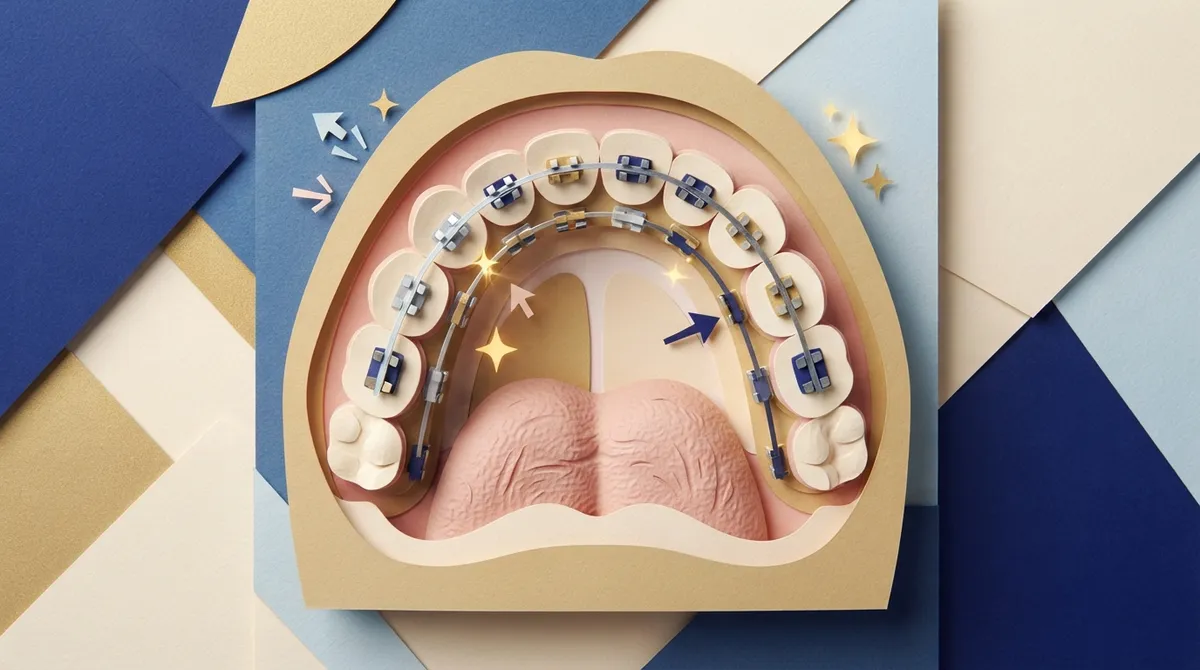
Incognito braces are a type of lingual braces. This means the brackets and wires go on the back of your teeth instead of the front. Think of it as flipping traditional braces around so they face your tongue instead of your lips.
Because they sit behind your teeth, incognito braces are basically invisible when you smile, talk, or laugh. Nobody will know you’re straightening your teeth unless you tell them. This makes them a favorite choice among teens preparing for prom photos and adults heading into important meetings.
The term “Incognito” actually comes from a specific brand, the 3M Incognito Appliance System. However, many people use the word more broadly to describe any braces placed behind the teeth. Either way, the goal stays the same: straighter teeth with a discreet look.
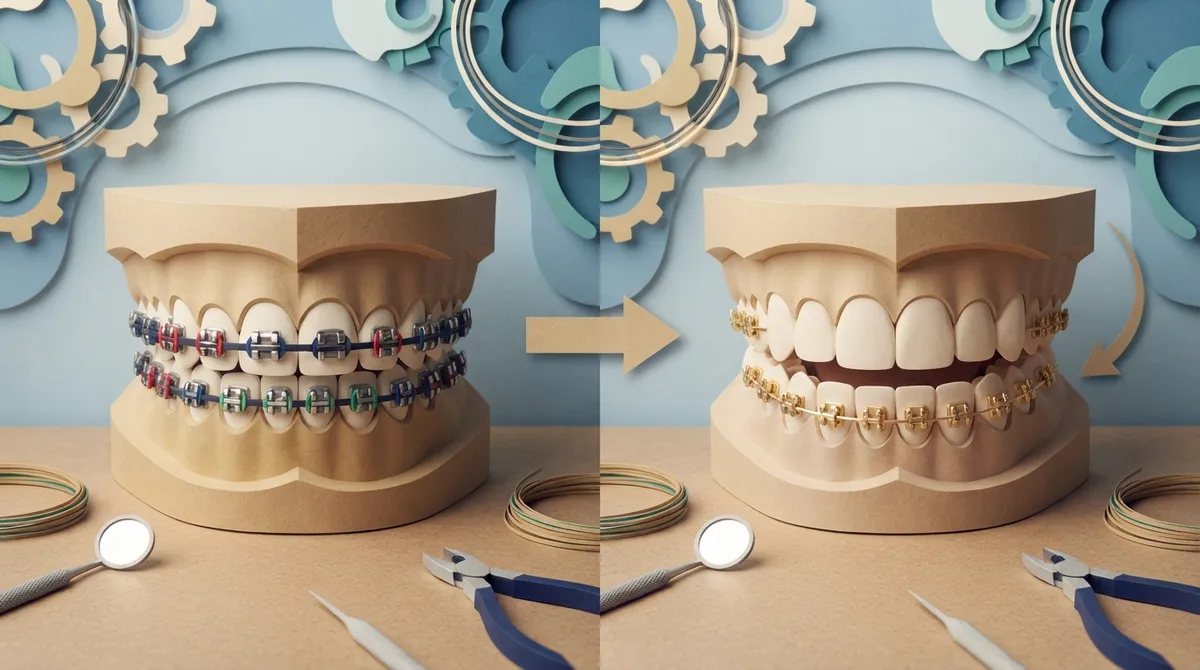
How Incognito Braces Differ From Traditional Braces
Traditional braces sit on the front of your teeth. Everyone can see them when you smile. Incognito braces flip that idea, hiding the hardware behind your teeth where only your tongue can feel them.
Here’s a simple breakdown of the biggest differences:
- Placement: Incognito braces sit on the back surface of teeth, not the front.
- Visibility: They’re nearly invisible from the outside, even up close.
- Customization: Each bracket is custom-made using CAD/CAM technology to fit your unique teeth.
- Bracket material: Incognito braces often use gold-colored brackets instead of standard silver metal.
- Adjustment period: Patients need extra time to get used to brushing, flossing, and speaking with braces behind their teeth.
Both systems use brackets and wires to gently move your teeth. The main difference is simply where those brackets sit. If you’re curious about other ways to keep your treatment discreet, our Spark™ Clear Aligners are another popular option worth exploring.
Are Incognito Braces the Same as Lingual Braces?
This question comes up a lot, and it’s a fair one. Incognito is technically a brand name, but in everyday conversation, most people use it to mean lingual braces in general.
Lingual braces are simply braces placed on the tongue-side of your teeth. Incognito is one specific system within that category, known for its fully customized approach. So while all Incognito braces are lingual braces, not all lingual braces are the Incognito brand. It’s a bit like how all squares are rectangles, but not all rectangles are squares.
Who Makes a Good Candidate for Incognito Braces?
Incognito braces work wonderfully for many people, but they aren’t right for every situation. Your orthodontist will look at several factors before recommending this treatment.
- Adults and professionals who want a discreet option for work or social settings.
- Patients with mild to moderate crowding or spacing issues.
- People who feel self-conscious about visible metal braces.
- Individuals with good oral hygiene habits, since cleaning takes extra effort.
- Patients who understand the higher investment compared to traditional braces.
Not every orthodontic case suits lingual braces. Severe bite problems or certain tooth movements may respond better to traditional braces or clear aligners. That’s why a thorough evaluation matters so much. During your first visit, Dr. Brockway will examine your teeth and discuss which option truly fits your smile goals.
The Cost of Incognito Braces
Let’s talk numbers, because we know cost matters. Incognito braces typically cost more than traditional metal braces. This makes sense since every bracket is custom-made just for you.
| Treatment Type | Typical Cost Range | Visibility |
|---|---|---|
| Traditional Metal Braces | Lower cost option | Fully visible |
| Ceramic (Clear) Braces | Mid-range cost | Less noticeable |
| Incognito (Lingual) Braces | Approximately $2,500 to $8,000 | Hidden from view |
| Clear Aligners | Comparable to braces | Nearly invisible |
Some clinics outside the United States list starting prices around £4,500 for Incognito treatment, though costs vary by location and case complexity. The exact price depends on how long your treatment takes and how complex your bite correction needs are. We always recommend asking about financing and insurance options to make any treatment more manageable for your budget.
Do Incognito Braces Hurt More Than Regular Braces?
This is one of the most common questions we hear, and it makes total sense. Nobody wants surprises when it comes to comfort.
Incognito braces can feel a bit different at first because your tongue touches them constantly. Many patients notice some tongue irritation during the first week or two. This is completely normal and temporary. Dental wax can help protect your tongue while it adjusts to the new hardware.
Speech may also feel slightly different at first, especially with words that require your tongue to touch the roof of your mouth. Most patients adjust within one to two weeks. After that, daily life feels pretty normal again.
How to Clean Incognito Braces
Good oral hygiene becomes even more important with lingual braces. Since the brackets sit behind your teeth, they can be trickier to see and clean.
Follow these simple steps to keep your smile healthy during treatment:
- Brush after every meal using a soft-bristled toothbrush.
- Angle your brush carefully to reach behind each bracket.
- Use interdental brushes or floss threaders to clean between wires and teeth.
- Rinse with an antibacterial mouthwash to reduce bacteria buildup.
- Keep dental wax handy for any spots causing tongue irritation.
- Visit Brockway Orthodontics regularly so we can check your progress and hygiene.
The American Dental Association recommends brushing twice daily and flossing once a day for all patients, and this becomes even more critical during orthodontic treatment. Sticking to a solid cleaning routine helps prevent cavities and keeps your treatment on schedule.
How Long Does Treatment Take?
Treatment time varies from person to person. Many patients complete their journey with incognito braces in about the same time as traditional braces, often between twelve and twenty-four months.
Several things affect your timeline, including how much movement your teeth need and how well you follow care instructions. Simple cases may finish faster, while more complex bite corrections take longer. Our team will give you a personalized estimate during your consultation, so you always know what to expect.
Why Choose Brockway Orthodontics for Discreet Treatment?
Dr. Brockway brings years of training and genuine care to every patient who walks through our doors. She takes time to listen to your goals and answer every question, whether you’re a teen preparing for graduation or a professional wanting a subtle smile upgrade.
Our Clearwater practice uses modern technology, including digital impressions and 3D imaging, to plan your treatment with precision. We also offer traditional braces and ceramic options if lingual braces aren’t the right fit for your case. Every family who visits us receives a treatment plan built around their unique needs and goals.
We understand that choosing the right orthodontist matters just as much as choosing the right treatment. That’s why we encourage you to visit us on Google — Brockway Orthodontics and see what our patients have to say about their experience with our team.
Comparing Your Discreet Braces Options
Incognito braces aren’t the only way to keep your treatment low-key. Here’s how the main discreet options stack up against each other.
| Option | Visibility Level | Removable? | Best For |
|---|---|---|---|
| Incognito (Lingual) Braces | Completely hidden | No | Adults wanting zero visibility |
| Ceramic Braces | Tooth-colored, subtle | No | Teens and adults wanting less contrast |
| Spark™ Clear Aligners | Nearly invisible | Yes | Adults with busy, social lifestyles |
If you’re weighing your options, our guide on braces versus clear aligners can help you compare treatments side by side. We also recommend checking resources from the Florida Association of Orthodontists to learn more about orthodontic standards and patient care in our state.
Getting Started With Your Discreet Smile Journey
Choosing incognito braces is a big decision, but you don’t have to figure it out alone. Our friendly team walks you through every step, from your first consultation to your final reveal.
Here’s what your journey typically looks like with us:
- Schedule a consultation to discuss your smile goals and concerns.
- Receive a thorough exam, including digital scans and imaging.
- Review your personalized treatment plan and cost options together.
- Get your custom incognito braces designed and placed.
- Attend regular check-ins so we can track your progress.
- Celebrate your new confident smile once treatment wraps up!
Dr. Brockway and our team genuinely love being part of this journey with our patients. We know that trusting someone with your smile is a big deal, and we never take that trust lightly.
Ready to Explore Incognito Braces?
Incognito braces offer a wonderful way to straighten your teeth while keeping your treatment private. Whether you’re a working professional, a parent considering options for your teen, or someone who simply values discretion, this treatment might be your perfect match.
Our Clearwater team would love to meet you and discuss whether incognito braces fit your smile goals. Ready to take the next step? Book your appointment online today and let’s start planning your confident new smile together. You can also follow along with patient stories and smile transformations on our Instagram page or connect with us on Facebook for updates and tips.
FAQs
Q: What are incognito braces?
A: Incognito braces are custom-made lingual braces attached to the back of your teeth instead of the front. This makes them nearly invisible when you smile or talk, which is why so many of our patients love them!
Q: How do incognito braces differ from traditional braces?
A: The biggest difference is placement. Traditional braces sit on the front of your teeth, while incognito braces hide behind your teeth. Both work similarly to straighten your smile, just from opposite sides.
Q: Are incognito braces the same as lingual braces?
A: Incognito is actually a specific brand of lingual braces, though people often use the terms interchangeably. Think of it this way: all Incognito braces are lingual braces, but not every lingual brace is the Incognito brand.
Q: How much do incognito braces cost?
A: Costs typically range from about $2,500 to $8,000, depending on your case complexity and treatment length. We’re happy to walk you through financing options that make this investment easier to manage.
Q: Do incognito braces hurt more than regular braces?
A: You might notice some tongue irritation during the first week or two as you adjust. This is totally normal, and dental wax can help ease any discomfort while your mouth gets used to the new braces.
Our Service Area