Key Takeaways
-
Braces removal (debonding) is painless for most patients—you'll feel pressure or mild vibration rather than pain, and any tooth sensitivity afterward typically subsides within days.
-
Retainer wear is critical long-term; the American Association of Orthodontists recommends potentially lifelong retainer use to prevent teeth from shifting, making it as important as the braces themselves.
-
Most debonding appointments take one longer visit or two quick back-to-back visits for removal, cleaning, records, and retainer fitting—ask your orthodontist's specific schedule to plan your day.
-
Never force a retainer that doesn't fit; contact your orthodontist immediately if your retainer breaks, gets lost, or feels too tight, as forced wear can damage teeth or cause unwanted shifting.
-
Schedule regular retainer check-ups (typically at 6 and 12 months post-removal) and ask your orthodontist about wear frequency, next appointments, and care instructions before leaving your final visit.
-
Prepare for your last appointment by brushing and flossing beforehand, writing down questions, planning for photos, and bringing a retainer case to protect your new retainer from day one.
You’ve waited months, maybe years, for this moment. Your last braces appointment is almost here, and it’s totally normal to feel a swirl of excitement, curiosity, and a few nerves. Will it hurt? How long will it take? Do you walk out with a brand-new smile that same day?
Here’s the good news. The last braces appointment is usually one of the easiest and happiest visits of the entire journey. Your orthodontist removes your braces, cleans your teeth, and gets you set up with a retainer to protect your results. That’s the big picture, and we’ll walk through every step below so nothing catches you by surprise.
At Brockway Orthodontics, we love this day almost as much as our patients do. Whether you’re a parent helping a child get ready, a teen counting down to graduation, or an adult who finally reached the finish line, this guide will help you feel prepared and confident.
What Is the Last Braces Appointment?
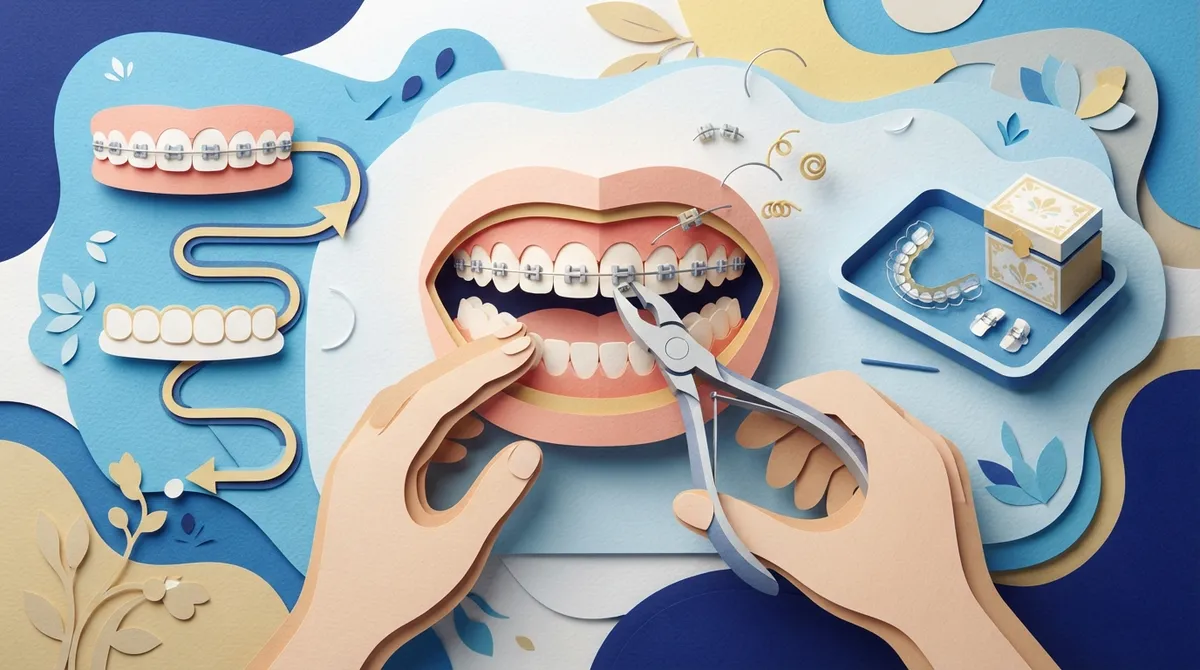
The “last braces appointment” usually means the debonding visit. This is when your orthodontist removes your fixed braces after deciding that active treatment is complete. The exact plan and timing depend on your individual case, so every smile story is a little different.
Before this visit, your orthodontist checks that your teeth have moved where they should and that your bite works well. You can learn more about what braces do in our All About Braces guide.
Keep in mind that removing your braces is not the end of treatment. It’s the start of the retention phase, where you wear a retainer to hold your new smile in place. Think of it as the finish line of one race and the starting line of another.
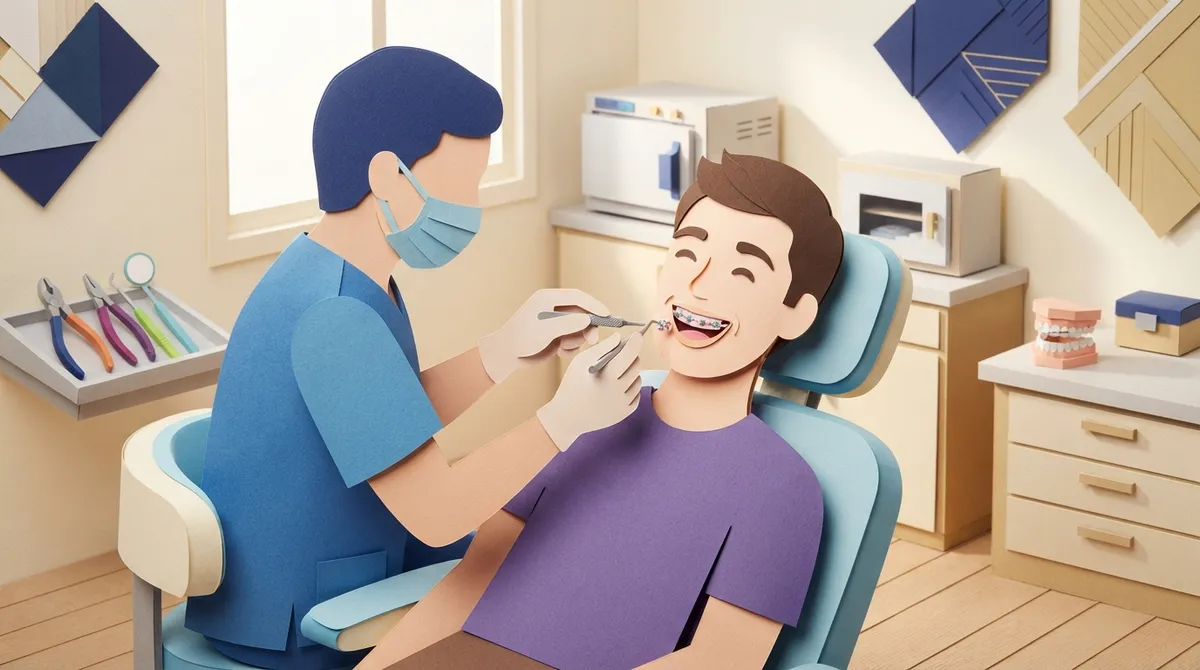
What Happens at Your Last Braces Appointment
Every practice runs a little differently, but most debonding visits follow the same basic flow. Here’s what a typical last braces appointment looks like:
- Final check: Your orthodontist looks at your teeth and bite to confirm that treatment goals have been met.
- Braces removal: The brackets and wires come off using special tools. The wires are taken off first, then the brackets are gently released.
- Adhesive cleanup: Any leftover bonding material is carefully cleaned from your teeth.
- Polishing: Your teeth may be polished so they feel smooth and fresh.
- Records and retainer planning: Your orthodontist may take scans, impressions, or photos to make your retainers.
- Retainer instructions: You’ll learn how to wear and care for your retainer.
That’s it! Most people are surprised by how simple the process feels. Many say the hardest part was waiting for the day to arrive.
Does It Hurt to Have Braces Removed?
This is the most common question we hear, and the answer is reassuring. Most patients describe braces removal as pressure or mild vibration rather than pain. You might feel a little tug as each bracket pops off, but it’s usually quick.
Your teeth may feel a bit sensitive afterward, especially when you bite down or sip something cold. That sensitivity typically settles down as your teeth adjust. Your lips and cheeks may also feel like they have more room, which can seem strange at first.
If you’re nervous, tell your orthodontic team. A friendly heads-up lets us go at a pace that feels comfortable for you. Parents of younger patients can also let us know about any worries ahead of time, so we can make the visit smooth for everyone.
How Long Does a Braces Removal Appointment Take?
The length of your visit depends on your case and your practice’s schedule. Some offices complete removal and records in one longer visit. Others split the process into two close-together appointments, one for removal and records, and one for fitting the retainer.
For example, one NHS patient leaflet describes two appointments for fixed-brace removal and retainer fitting, often on the same day, with the second sometimes happening the following day. Other practices schedule the retainer fitting a bit later.
| Visit Type | What Usually Happens | Good to Know |
|---|---|---|
| Removal visit | Braces removed, teeth cleaned and polished, records taken | Often the longest part of the process |
| Retainer fitting | Retainer is checked, fitted, and explained | May be the same day or a close follow-up |
| Retainer check | Orthodontist checks fit and tooth position | Schedule varies by provider and case |
Ask your orthodontist how your visits will be scheduled so you can plan your day. If you have school or work commitments, a quick question at your last adjustment can save you a scheduling headache.
Do You Get Your Retainer the Same Day?
It depends. Some clinics can have your retainer ready the same day your braces come off, while others need a little time to create it. In either case, your orthodontist will make a plan so your teeth are protected right away.
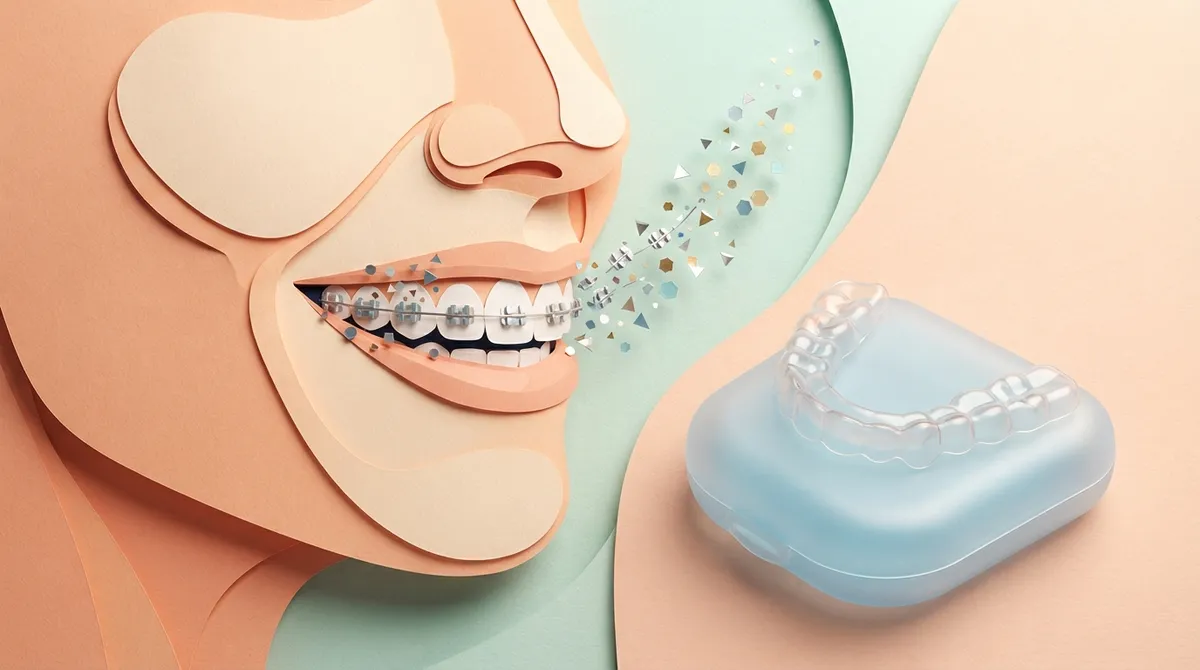
Retainers are a standard part of finishing orthodontic treatment. They help hold your teeth in their new positions while the surrounding tissues adapt, and they reduce the chance of your teeth drifting back. Skipping this step is one of the biggest reasons smiles shift after braces.
You can read more about the options on our retainers page, or explore our guide on how to wear a retainer after braces.
Types of Retainers You Might Receive
Not every retainer looks the same. Your orthodontist will recommend the type that fits your teeth, your habits, and your lifestyle. Here are the most common choices:
- Clear plastic retainers: Removable, nearly invisible trays that fit over your teeth.
- Hawley retainers: Removable retainers made with a wire and acrylic, often adjustable by your orthodontist.
- Fixed (bonded) retainers: A thin wire bonded behind your teeth that stays in place all day, every day.
Each option has pros and cons. Removable retainers are easy to clean but can be lost or forgotten. Fixed retainers work around the clock but need extra care when brushing and flossing. Our post on fixed vs. removable retainers breaks down the differences in a friendly way.
How Long Do You Need to Wear a Retainer?
Wear instructions are personalized, so always follow your orthodontist’s advice. Some health services prescribe nightly wear for a year, followed by reduced but ongoing wear. The American Association of Orthodontists notes that retainers are often needed long term, potentially for life, although how often you wear them may change over time.
Why so long? Teeth naturally want to shift as we age, chew, and grow. A retainer is a small daily habit that protects a big investment of your time and effort.
Many of our patients tell us it quickly becomes part of their routine, like brushing before bed. A simple tip: keep your retainer case next to your toothbrush so it’s the last thing you see at night.
What to Expect After Your Braces Come Off
The first few days after your last braces appointment can feel a little unusual. Here’s what many patients notice:
- Your teeth feel smooth, slippery, and surprisingly clean.
- Your tongue keeps exploring your new smile.
- Your teeth may be a bit tender or sensitive for a short time.
- Your retainer feels snug or slightly strange at first.
- You can finally enjoy foods you avoided, with a few common-sense limits.
Your orthodontist may also point out areas that need extra attention, such as spots where plaque built up around your brackets. If you notice light marks on your teeth, don’t panic. Our guide on getting white teeth after braces explains your options once you’re cleared for whitening.
Follow-Up Appointments After Braces
Your care doesn’t end the moment the brackets come off. Most practices schedule retainer checks to make sure everything fits and your teeth stay put. The schedule varies by provider and treatment. For example, one NHS trust pathway describes retainer checks at about 6 and 12 months after brace removal, while other services follow different timelines.
Be sure to ask a few simple questions at your last visit:
- How often should I wear my retainer, and for how long?
- When is my next check-up?
- Who monitors a fixed retainer after treatment ends?
- What should I do if my retainer is lost or damaged?
Keeping these answers handy gives you peace of mind. It also helps you avoid surprise costs or delays if something goes wrong later.
What to Do If Your Retainer Breaks, Gets Lost, or Doesn’t Fit
Life happens. Retainers get left in lunch trays, chewed by pets, or sat on in the car. If yours breaks, detaches, goes missing, or no longer fits, contact your orthodontist promptly.
Here’s the key rule: never force a tight retainer into place. Your teeth can shift, and pushing a retainer that doesn’t fit can cause discomfort or damage. Your orthodontist can tell you whether it needs a repair, a replacement, or a quick assessment.
For a handy refresher, check out our guide on what to do if your retainer breaks. If you have a fixed retainer, be aware that research on fixed-retainer failure has reported a wide range of rates, from about 7.3% to 50%, with many issues happening in the first 3 to 6 months. That range varies a lot between studies and isn’t a prediction of your own risk, but it’s a good reminder to keep your check-ups.
Tips for Making the Most of Your Last Braces Appointment
A little preparation goes a long way. Here are some friendly tips to help the day go smoothly:
- Brush and floss before you arrive. Fresh teeth make for an easier cleanup.
- Write down your questions. It’s easy to forget them once you’re in the chair.
- Plan for photos. You’ll want to capture that first big smile!
- Bring a support person. Parents, friends, and partners love celebrating this milestone.
- Pack a retainer case. Keep your retainer safe from day one.
For Parents of Kids and Teens
If your child is the patient, talk through the day ahead of time so they know what to expect. Remind them that the retainer is just as important as the braces, because it protects the smile they worked so hard for. Our adolescent treatment team loves helping young patients build lasting habits.
For Adults and Retreatment Patients
If you’ve had braces before and are finishing a second round, this appointment is a chance to start fresh with a retention plan that fits your life. A consistent retainer routine is the best way to protect your results this time around. Adults can explore our adult treatment options if they’re considering a smile refresh.
How Brockway Orthodontics Makes Your Finish Line Special
At Brockway Orthodontics, we want your last braces appointment to feel like a celebration. Dr. Brockway takes time to explain each step so you feel comfortable and informed. Our team uses modern technology, like digital impressions and 3D imaging, to help plan your retainers with care.
We serve families across Clearwater and Pinellas County, and we’d love to hear about your experience. You can see what our patients say by visiting us on Google — Brockway Orthodontics. For general information about orthodontic care in the state, the Florida Association of Orthodontists is also a helpful resource, and the American Dental Association offers great tips for lifelong oral health.
Ready to Start Your Smile Journey?
Your last braces appointment is a big moment, and you deserve a team that celebrates it with you. Remember, removal day is simple, retainers keep your smile in place, and regular check-ups help protect your results for years.
Whether you’re nearing the end of treatment or just thinking about starting, we’d love to meet you. Book your free consultation online or contact our friendly team with any questions. Your best smile is closer than you think!
FAQs
Q: What happens at the last braces appointment?
A: Your orthodontist removes the brackets and wires, cleans adhesive off your teeth, and may polish them. They also take scans or impressions to make your retainer and explain how to wear it. It’s usually a quick, happy visit!
Q: Does it hurt to have braces removed?
A: Most people feel pressure or a small tug rather than real pain. Your teeth may feel a little sensitive afterward, but that usually settles down soon. Just let your orthodontic team know if you’re nervous, and we’ll go at your pace.
Q: Do I get my retainer on the same day my braces come off?
A: Sometimes yes, sometimes no. Some clinics can have your retainer ready the same day, while others schedule a quick follow-up visit to fit it. Your orthodontist will make a plan so your new smile stays protected either way.
Q: How long do I need to wear my retainer after braces?
A: It depends on your case, so follow your orthodontist’s instructions. Many patients wear retainers full time at first, then switch to nights only. The American Association of Orthodontists notes that retainers are often needed long term, even for life.
Q: What should I do if my retainer breaks or doesn’t fit?
A: Call your orthodontist right away, and never force a tight retainer into place. Your teeth can shift quickly, so a fast check-up helps you find out whether you need a repair or a replacement.
Our Service Area