Metal braces remain the most trusted and effective orthodontic treatment for correcting misaligned teeth, bite issues, and jaw irregularities. Despite the emergence of clear aligners and ceramic alternatives, traditional metal braces continue to be the gold standard for complex orthodontic cases due to their durability, precision, and proven track record. Whether you’re a teenager facing crowded teeth or an adult seeking a confident smile, understanding how metal braces work and what to expect during treatment empowers you to make informed decisions about your oral health journey.
Modern metal braces have evolved significantly from their bulky predecessors. Today’s brackets are smaller, more comfortable, and offer customization options with colored elastics that appeal to younger patients. The treatment process involves bonding stainless steel brackets to each tooth and connecting them with an archwire that gradually shifts teeth into proper alignment. This comprehensive guide explores everything you need to know about metal braces, from initial consultation to retention, helping you achieve the smile you’ve always wanted.

What Are Metal Braces and How Do They Work
Metal braces consist of three primary components: brackets, archwires, and elastic ligatures. Orthodontists bond small stainless steel brackets to the front surface of each tooth using a dental adhesive. These brackets serve as anchors that hold the archwire in place. The archwire, typically made from nickel-titanium or stainless steel alloys, runs through each bracket and applies controlled pressure to guide teeth into their desired positions.
Elastic ligatures, commonly called O-rings, secure the archwire within each bracket. These tiny rubber bands come in various colors, allowing patients to personalize their braces. Some modern systems use self-ligating brackets that eliminate the need for elastic ties, reducing friction and potentially shortening treatment time. The continuous gentle pressure from the archwire stimulates bone remodeling, a biological process where bone tissue breaks down on one side of the tooth and rebuilds on the other, allowing teeth to move gradually through the jawbone.
During regular adjustment appointments, your orthodontist tightens or replaces the archwire to maintain consistent pressure on your teeth. These visits typically occur every four to eight weeks throughout your treatment. As teeth shift closer to their final positions, orthodontists may use different wire thicknesses or materials to fine-tune alignment and ensure optimal results.
Who Benefits Most from Metal Braces Treatment
Metal braces effectively address a wide range of orthodontic issues, making them suitable for patients with varying dental concerns. Complex cases involving severe crowding, significant spacing gaps, rotated teeth, or substantial bite problems respond exceptionally well to traditional metal braces. The robust design allows orthodontists to exert precise control over tooth movement in three dimensions, achieving results that may be difficult with alternative treatments.
Children and teenagers particularly benefit from metal braces because their jawbones are still developing, allowing for more efficient tooth movement and shorter treatment times. Early intervention with metal braces can prevent more serious orthodontic problems later in life. However, adults also achieve excellent outcomes with metal braces, though treatment may take slightly longer due to denser bone structure.
Patients with specific orthodontic conditions see remarkable improvements with metal braces. Those with deep overbites, underbites, crossbites, or open bites require the substantial corrective force that metal braces provide. Learn more about different types of braces and which option best suits your orthodontic needs. Athletes and individuals with active lifestyles appreciate the durability of metal braces, which withstand physical contact better than ceramic alternatives that can chip or crack.
The Metal Braces Treatment Process Step by Step
Your orthodontic journey begins with a comprehensive consultation where the orthodontist evaluates your dental health, takes X-rays, photographs, and impressions of your teeth. This diagnostic information helps create a customized treatment plan tailored to your specific needs. The orthodontist discusses expected treatment duration, estimated costs, and addresses any concerns you may have about the process.
On the day of bracket placement, the orthodontist thoroughly cleans and dries your teeth before applying a bonding agent to attach each bracket. This appointment typically lasts between one to two hours. After positioning all brackets, the orthodontist threads the initial archwire through the brackets and secures it with elastic ligatures. You may experience some discomfort as your mouth adjusts to the new appliances, but this sensation usually subsides within a few days.
Throughout treatment, you’ll attend regular adjustment appointments where your orthodontist replaces or tightens the archwire, changes elastic ligatures, and monitors your progress. These visits ensure your teeth move according to the treatment plan. The orthodontist may also add power chains, coils, or elastics to address specific alignment issues. Compliance with wearing rubber bands as prescribed significantly impacts treatment efficiency and final results.
Once your teeth reach their ideal positions, the orthodontist removes the braces by carefully debonding each bracket and polishing away any remaining adhesive. The entire removal process takes approximately one hour. Immediately following removal, you’ll receive retainers to maintain your new smile. Discover the importance of retainers in preserving your orthodontic results long-term.
Treatment Duration and Timeline Expectations
The average treatment time with metal braces ranges from 18 to 24 months, though individual cases vary based on complexity and patient compliance. Minor alignment issues may require only 12 months, while severe malocclusions or jaw discrepancies could extend treatment to 36 months or longer. Several factors influence treatment duration, including the severity of misalignment, age of the patient, bone density, and adherence to orthodontist instructions.
Younger patients generally experience faster tooth movement because their bones are less dense and more responsive to orthodontic forces. Adult patients often require additional time as their bones have stopped growing and are more resistant to change. However, modern bracket designs and advanced wire materials have improved efficiency, reducing overall treatment time for all age groups.
Patient cooperation plays a crucial role in meeting treatment timelines. Consistently attending scheduled appointments, maintaining excellent oral hygiene, avoiding foods that damage braces, and wearing prescribed rubber bands or headgear ensures treatment progresses as planned. Missing appointments or poor compliance can extend treatment by several months. Your orthodontist provides a personalized timeline estimate based on your specific case during the initial consultation.
Cost Considerations and Investment Value
Metal braces typically cost between $3,000 and $7,000, depending on geographic location, treatment complexity, and orthodontist experience. This price range generally includes all appointments, adjustments, and retainers after treatment completion. While metal braces represent a significant financial investment, they offer exceptional value due to their effectiveness, durability, and long-lasting results that improve both oral health and quality of life.
Many orthodontic practices, including Brockway Orthodontics, offer flexible payment plans that make treatment more accessible. These plans allow patients to spread costs over the treatment duration with manageable monthly payments. Some practices provide discounts for upfront payment or multiple family members receiving treatment simultaneously.
Dental insurance policies often cover a portion of orthodontic treatment, typically 50% up to a lifetime maximum of $1,000 to $2,000. Health savings accounts (HSAs) and flexible spending accounts (FSAs) can also be used to pay for braces with pre-tax dollars, effectively reducing the overall cost. The American Dental Association provides resources on understanding dental benefits and maximizing insurance coverage for orthodontic care.
|
Cost Factor |
Typical Range |
Impact on Price |
|---|---|---|
|
Basic Treatment |
$3,000-$4,500 |
Minor alignment issues |
|
Moderate Cases |
$4,500-$6,000 |
Average complexity, standard duration |
|
Complex Treatment |
$6,000-$7,000+ |
Severe malocclusion, extended timeline |
|
Insurance Coverage |
$1,000-$2,000 |
Reduces out-of-pocket expense |
Caring for Metal Braces: Essential Maintenance Tips
Maintaining excellent oral hygiene with metal braces requires diligence and proper technique. Brackets and wires create additional surfaces where food particles and plaque accumulate, increasing the risk of tooth decay and gum disease if not properly cleaned. Brush after every meal using a soft-bristled toothbrush and fluoride toothpaste, spending at least two minutes ensuring all tooth surfaces and around brackets are clean.
Interdental brushes and floss threaders help clean between teeth and under wires where regular toothbrushes cannot reach. Water flossers provide an effective alternative for removing debris from hard-to-reach areas. Rinsing with an antimicrobial mouthwash reduces bacteria and keeps gums healthy. Your orthodontist may recommend fluoride treatments to strengthen enamel and prevent white spot lesions that can develop around brackets.
Diet modifications protect your braces from damage and prevent costly repairs. Avoid hard foods like nuts, hard candy, ice, and popcorn kernels that can break brackets or bend wires. Sticky foods such as caramel, gum, and taffy pull on brackets and are difficult to clean from braces. Cut crunchy foods like apples and carrots into small pieces before eating. Following these guidelines ensures your treatment stays on track without delays from broken appliances.
Foods to Avoid with Metal Braces
-
Hard candies, nuts, and ice that can crack brackets
-
Sticky foods like caramel, taffy, and chewing gum that cling to wires
-
Crunchy snacks such as chips, popcorn, and hard pretzels
-
Whole apples, carrots, and corn on the cob unless cut into small pieces
-
Sugary beverages that increase cavity risk around brackets
Managing Discomfort and Adjusting to Braces
Initial discomfort is common when first getting braces and after adjustment appointments. Your teeth may feel sore or sensitive as they begin moving, and the inside of your cheeks, lips, and tongue may feel irritated by the brackets. This adjustment period typically lasts three to five days before your mouth adapts to the appliances. Over-the-counter pain relievers like ibuprofen or acetaminophen effectively manage soreness during this time.
Orthodontic wax provides immediate relief from bracket irritation. Apply small amounts of wax over brackets that rub against soft tissue to create a smooth barrier. Rinsing with warm salt water soothes irritated areas and promotes healing. Eating soft foods during the first few days after adjustments reduces pressure on tender teeth. Options like yogurt, mashed potatoes, smoothies, and soup provide nutrition without requiring extensive chewing.
Occasionally, wires may poke the inside of your mouth or brackets may come loose. Contact your orthodontist if a wire causes significant discomfort or a bracket breaks completely. Many minor issues can be temporarily managed at home with orthodontic wax until your next appointment. Understanding that some discomfort is normal helps patients maintain perspective during treatment.
Comparing Metal Braces to Alternative Options
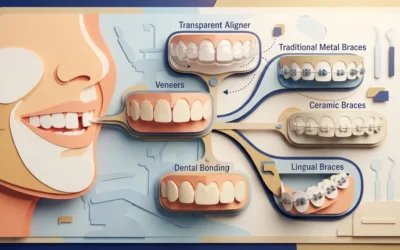
When considering orthodontic treatment, patients often compare metal braces to clear aligners, ceramic braces, and lingual braces. Each option offers distinct advantages and limitations. Metal braces excel in treating complex cases that require precise control over tooth movement in all directions. They work efficiently for severe crowding, significant bite corrections, and rotated teeth that challenge clear aligner systems.
Clear aligners appeal to adults seeking a discreet treatment option but work best for mild to moderate alignment issues. They require exceptional patient compliance since they must be worn 22 hours daily and can be removed, potentially extending treatment if not worn consistently. Ceramic braces offer a more aesthetic alternative to metal brackets but cost more and are more fragile, making them prone to chipping.
Metal braces provide the most cost-effective solution for comprehensive orthodontic treatment. Their durability means fewer emergency appointments for broken appliances, and their effectiveness often results in shorter treatment times compared to clear aligners for complex cases. The Florida Association of Orthodontists offers valuable resources on different orthodontic treatment modalities and their appropriate applications.
|
Treatment Type |
Best For |
Average Cost |
Treatment Time |
|---|---|---|---|
|
Metal Braces |
Complex cases, all ages |
$3,000-$7,000 |
18-24 months |
|
Clear Aligners |
Mild-moderate issues, adults |
$3,000-$8,000 |
12-18 months |
|
Ceramic Braces |
Aesthetic preference, less complex |
$4,000-$8,000 |
18-24 months |
|
Lingual Braces |
Complete invisibility desired |
$8,000-$10,000 |
18-30 months |
Life After Braces: Retention and Long-Term Results
Successfully completing orthodontic treatment represents just the beginning of maintaining your new smile. After braces removal, teeth naturally tend to shift back toward their original positions, a phenomenon called relapse. Retainers prevent this movement by holding teeth in their new alignment while surrounding bone and soft tissue stabilize. Your orthodontist will provide specific instructions on retainer wear, typically recommending full-time use for the first several months, then transitioning to nighttime wear indefinitely.
Two main retainer types serve different needs. Removable retainers, either clear plastic aligners or wire retainers with acrylic, can be taken out for eating and cleaning. Fixed retainers consist of a thin wire bonded to the back of front teeth, providing permanent retention without relying on patient compliance. Many orthodontists recommend a combination approach, using fixed retainers on lower front teeth and removable retainers for upper teeth.
Long-term success with orthodontic results depends on consistent retainer wear and regular dental checkups. Even years after treatment, teeth can shift if retainers are not worn as prescribed. Maintaining excellent oral hygiene and addressing dental issues promptly prevents problems that could compromise your orthodontic investment. Meet Dr. Brockway and learn about comprehensive orthodontic care that extends beyond active treatment to ensure lasting results.
Retainer Care Guidelines
-
Clean removable retainers daily with a soft toothbrush and mild soap or retainer cleaner
-
Store retainers in their protective case when not wearing them to prevent loss or damage
-
Avoid exposing retainers to heat, which can warp the plastic material
-
Bring retainers to all dental and orthodontic appointments for professional inspection
-
Replace retainers as recommended by your orthodontist, typically every few years
Making the Decision: Is Metal Braces Treatment Right for You
Deciding to pursue orthodontic treatment involves considering multiple factors including your specific dental needs, lifestyle preferences, budget, and long-term goals. Metal braces offer proven effectiveness for virtually any orthodontic condition, making them suitable for patients of all ages who prioritize results over aesthetics. The comprehensive correction they provide addresses not only cosmetic concerns but also functional improvements that enhance oral health and overall well-being.
Schedule a consultation with an experienced orthodontist to discuss your individual case and treatment options. During this appointment, you’ll receive a thorough evaluation, see visual representations of potential outcomes, and learn about expected timelines and costs. This personalized information helps you make an informed decision that aligns with your priorities and circumstances.
Transform your smile with expert orthodontic care from a team dedicated to your success. Schedule your complimentary consultation today to discover how metal braces can give you the confident smile you deserve. With flexible payment options, comprehensive treatment plans, and ongoing support throughout your journey, achieving optimal oral health and a beautiful smile has never been more accessible. Connect with patients who have experienced life-changing results on Facebook and explore testimonials showcasing the transformative power of orthodontic treatment.
Your journey to a healthier, more confident smile begins with a single step. Don’t let dental concerns hold you back from experiencing the benefits of properly aligned teeth. Whether you’re seeking treatment for yourself or a family member, metal braces provide reliable, effective correction that stands the test of time. Visit us on Google to read reviews from satisfied patients and learn more about the comprehensive orthodontic services that can transform your life.
FAQs
Q: How long does it take to see results with metal braces?
A: Most patients notice visible changes in tooth alignment within the first three to six months of treatment. However, complete results typically require 18 to 24 months depending on the complexity of your case. Your orthodontist monitors progress at each adjustment appointment and provides updates on how your treatment is advancing toward the final goal.
Q: Do metal braces hurt during treatment?
A: Metal braces cause some discomfort, particularly during the first few days after initial placement and following adjustment appointments. This soreness results from pressure applied to move teeth and typically subsides within three to five days. Over-the-counter pain relievers, orthodontic wax, and soft foods effectively manage any temporary discomfort during the adjustment period.
Q: Can adults get metal braces or are they only for children?
A: Adults successfully receive metal braces treatment and achieve excellent results. While treatment may take slightly longer due to denser bone structure, metal braces effectively correct orthodontic issues at any age. Many adults choose metal braces for their durability, effectiveness with complex cases, and cost-effectiveness compared to alternative treatment options.
Q: What happens if a bracket breaks during treatment?
A: Contact your orthodontist promptly if a bracket breaks or comes loose. While not typically an emergency, a broken bracket should be addressed within a few days to prevent treatment delays. Your orthodontist will reattach or replace the bracket during a brief appointment. Temporary orthodontic wax can cover any sharp edges until your appointment.
Q: How much do metal braces cost compared to other orthodontic options?
A: Metal braces typically cost between $3,000 and $7,000, making them one of the most affordable orthodontic treatment options. This price generally includes all appointments, adjustments, and retainers. Many orthodontic practices offer flexible payment plans and accept dental insurance, which often covers a portion of treatment costs, making metal braces accessible to most families.