Key Takeaways
-
Quick braces use accelerated techniques like micro-osteoperforations, vibration devices, or surgical methods to move teeth 3-12 months faster than traditional braces, but only work well for mild to moderate alignment cases.
-
Surgical acceleration methods (corticotomy, piezocision) show more consistent results reducing treatment time by 50% to 75%, but are more invasive; non-surgical options are gentler but have mixed evidence for speed claims.
-
Not all patients qualify for quick braces—you need healthy gums, strong supporting bone, mild-to-moderate crowding, and realistic expectations; complex bite problems typically require traditional treatment instead.
-
Quick braces cost $800-$6,000 depending on the method and case complexity, which is higher than standard braces, so discuss financing options and insurance coverage before committing.
-
Discomfort levels with quick braces are similar to traditional braces for most patients, and the most critical safety factor is proper diagnosis by an experienced orthodontist to prevent root damage or relapse.
-
Attend all scheduled appointments, maintain excellent oral hygiene, follow wear instructions carefully, and report any loose appliances immediately to keep accelerated treatment on track and prevent unnecessary delays.
Waiting years for a straighter smile can feel like forever, especially when you have a wedding, graduation, or job interview coming up. That’s why so many patients ask Dr. Brockway about quick braces. If you’re picturing a shortcut that skips important steps, don’t worry, that’s not what we’re talking about here. Quick braces (also called accelerated orthodontics) use smart techniques and modern tools to move teeth faster while keeping your smile healthy and your bite strong.
At Brockway Orthodontics in Clearwater, we love helping patients understand their choices in simple, honest terms. Whether you’re a busy parent, a teen prepping for prom, or an adult professional who wants a quicker path to a confident smile, this guide will walk you through what quick braces really mean, how they work, and whether they might be right for you.

What Are Quick Braces in Orthodontics?
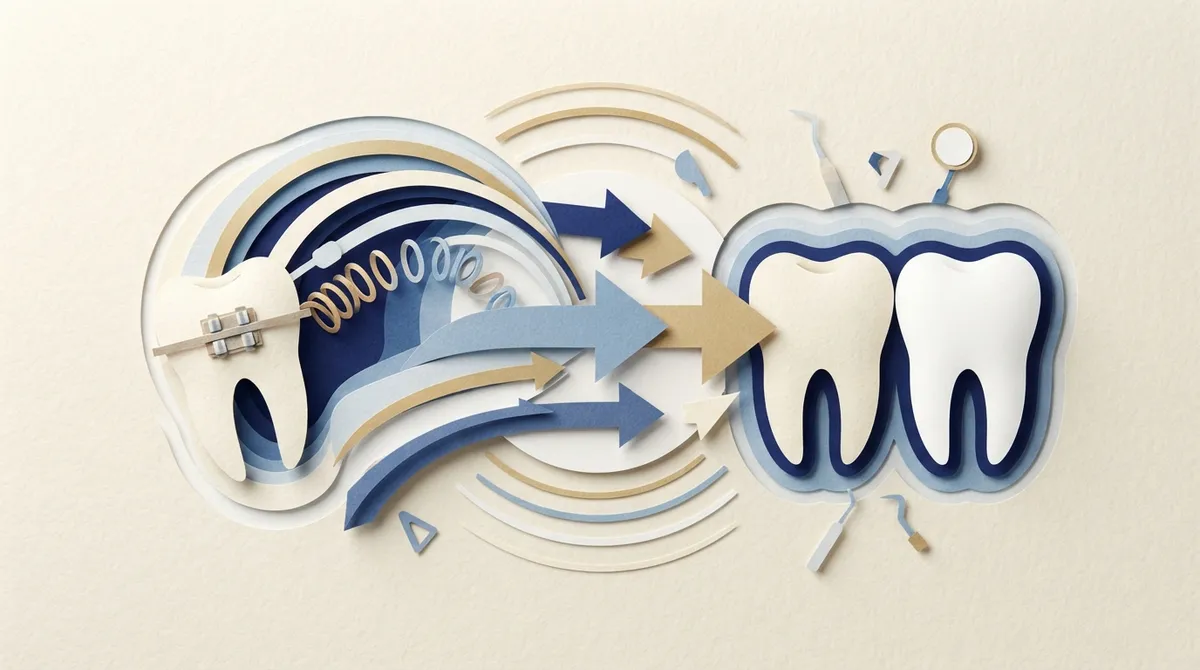
Quick braces is not one single treatment. It’s a general term for several methods that speed up tooth movement compared to traditional braces. Some use special brackets and wires. Others pair regular braces or Spark™ Clear Aligners with extra techniques that encourage teeth to shift faster.
One well-known branded option is Fastbraces. This system uses a triangular bracket and square wire design. It claims to move the crown and root of the tooth at the same time, instead of moving the crown first and the root later like traditional braces often do.
Other accelerated methods add something extra to standard treatment. These can include:
- Micro-osteoperforations, which create tiny openings in the bone near the teeth
- Vibration devices patients use at home for a few minutes daily
- Low-level laser therapy used during office visits
- Surgical techniques like corticotomy or piezocision
- Shorter intervals between adjustment appointments
Each method works a little differently, and not every technique fits every smile. That’s why a proper evaluation from an experienced orthodontist matters so much before choosing a fast-track option.

How Do Quick Braces Actually Speed Up Treatment?
Teeth move because of gentle, steady pressure on the bone that holds them. Accelerated methods try to make that bone respond faster. Surgical approaches, for example, disrupt the bone in a controlled way. This triggers the body’s natural healing response, which can help teeth shift more quickly.
Non-surgical adjuncts, like vibration or specialized brackets, aim to stimulate the same biological process but without surgery. The results vary more with these approaches since research quality differs from study to study.
Surgical vs Non-Surgical Acceleration
Surgical options tend to show more consistent results in research, but they’re also more invasive. Non-surgical options are gentler, but the evidence supporting their speed claims is mixed. This doesn’t mean they don’t work. It just means results can vary more from patient to patient.
| Method | Type | Reported Time Reduction | Invasiveness |
|---|---|---|---|
| PAOO (Corticotomy) | Surgical | Up to 1/3 to 1/4 of normal time | Higher |
| Piezocision | Surgical | About 50% faster | Moderate |
| Fastbraces System | Non-surgical (bracket/wire design) | 3 to 12 months for select cases | Low |
| Micro-osteoperforation | Minimally invasive | Varies by study | Low to moderate |
| Vibration devices | Non-surgical | Mixed evidence | Low |
Traditional Braces vs Quick Braces: A Simple Comparison
Choosing between traditional and accelerated treatment comes down to your goals, your bite, and how much time you can commit each week. Here’s a quick side-by-side look.
| Factor | Traditional Braces | Quick Braces / Accelerated Options |
|---|---|---|
| Average Treatment Time | 18 to 36 months | 6 to 12 months (case dependent) |
| Best For | Complex bite issues, full correction | Mild to moderate cosmetic alignment |
| Appointment Frequency | Every 4 to 6 weeks | Often more frequent |
| Cost Range | Varies by case | About $800 to $6,000 depending on method |
| Evidence Quality | Well established | Low to moderate for some methods |
If you want to explore how traditional braces compare with these newer options, our team can walk you through real numbers based on your specific smile.
Who Is a Good Candidate for Quick Braces?
Not everyone is a good fit for accelerated treatment. Your orthodontist needs to look at more than just crooked teeth. Bone health, gum condition, age, and the complexity of your bite all matter.
Good candidates often include patients with:
- Mild to moderate crowding or spacing issues
- Healthy gums and strong supporting bone
- Realistic expectations about results and timelines
- A cosmetic-focused goal rather than a complex bite correction
- Good oral hygiene habits they’re willing to maintain during treatment
Patients with more complex bite problems, like severe overbites or jaw misalignment, may need a more traditional approach. This is where a detailed exam makes all the difference. During your first visit, Dr. Brockway will review your records and discuss what timeline makes sense for your case.
Special Considerations for Teens and Adults
Teens dealing with jaw growth may respond differently to accelerated methods than adults with fully developed bone. That’s why adolescent treatment plans often look different from adult treatment plans, even when both patients want faster results.
Are Quick Braces Safe?
Safety depends heavily on the method and who’s providing your care. Surgical options like PAOO carry the normal risks of any minor oral surgery, including swelling and recovery time. Non-surgical options like specialized brackets are generally low risk, similar to traditional braces.
The most important safety factor is proper diagnosis. Moving teeth too quickly without considering bone health can lead to root damage or relapse down the road. This is why the American Dental Association encourages patients to seek care from qualified, experienced providers rather than rushing into treatment based on marketing claims alone.
A 2020 review published in the Australian Dental Journal noted that evidence for some accelerated methods is still developing. Some techniques show promising results, but researchers stopped short of recommending routine use across all cases. This is exactly why personalized evaluation matters so much before choosing a fast-track plan.
Do Quick Braces Hurt More Than Regular Braces?
Many patients worry that faster treatment means more pain. In most cases, discomfort levels are similar to traditional braces. You might feel some soreness after adjustments, especially with surgical adjuncts during the healing period.
Non-surgical accelerated methods typically feel about the same as standard braces. Your orthodontic team will always explain what to expect so there are no surprises.
How Much Do Quick Braces Cost?
Cost varies widely based on the method and your specific needs. Reported costs for accelerated orthodontics range from about $800 to $6,000, depending on whether you choose a non-surgical adjunct or a surgical procedure.
Several factors affect your final price, including:
- The complexity of your case
- Whether surgery is involved
- How many adjunct treatments you need
- Your location and provider experience
- Insurance coverage or financing options
Our team can walk you through financing and insurance options to help make any treatment plan more manageable for your budget.
Quick Braces vs Clear Aligners: What’s the Difference?
Some patients confuse “quick braces” with clear aligner treatment. These are actually different approaches. Quick braces usually refer to accelerated bracket-and-wire systems or surgical adjuncts. Clear aligners, like our Spark™ Clear Aligners, are a completely different treatment method that uses a series of clear trays instead of brackets and wires.
Aligners can sometimes move certain teeth efficiently for mild cases, but they follow their own separate timeline. If you’re weighing your options, it helps to compare both paths directly with your orthodontist so you know which fits your lifestyle and goals best.
Steps to Decide Which Option Fits You
- Schedule a consultation to get a full evaluation of your teeth and bite
- Ask about your specific timeline expectations for each method
- Review the cost and any financing options available
- Consider your daily habits, like eating and cleaning routines
- Choose the plan that matches your comfort level and goals
Why Choose Brockway Orthodontics for Faster Treatment Options
Dr. Brockway takes time to understand your goals before recommending any treatment plan, including accelerated options. Our Clearwater practice uses modern technology like digital impressions and 3D imaging, which helps us plan treatment more precisely from day one. This kind of planning can sometimes help shorten unnecessary delays in your overall treatment.
We also offer same-day treatment starts in certain cases, so you’re not stuck waiting weeks between your consultation and your first appliance. Families across Clearwater trust us because we explain every option clearly, without pressure or confusing jargon. You can always get in touch with our team if you have questions about your specific case.
Curious what real patients think? You can read Visit us on Google — Brockway Orthodontics to see honest reviews from families just like yours. We’re also active on Facebook and Instagram, where we share smile transformations and helpful tips.
Tips to Help Your Treatment Move as Efficiently as Possible
Whether you choose a standard timeline or an accelerated option, certain habits help keep your treatment on track. Here are simple tips that make a real difference:
- Attend every scheduled appointment, even short check-ins
- Follow your orthodontist’s instructions for wear time with aligners or appliances
- Brush and floss thoroughly to avoid gum issues that can slow progress
- Avoid foods that could damage brackets or wires
- Speak up right away if something feels loose or uncomfortable
Small habits like these can prevent unnecessary delays no matter which treatment path you choose. For more guidance specific to your care plan, our services page covers everything we offer, from braces to retainers to aligners.
Finding Support Beyond Our Office
If you want to learn more about general orthodontic standards and safety guidelines, the Florida Association of Orthodontists offers helpful resources for patients across our state. It’s always smart to combine trusted local care with solid general knowledge about your treatment options.
Ready to Explore Your Faster Smile Options?
Quick braces can be a great fit for the right patient, but the key is getting an honest, personalized evaluation first. Dr. Brockway and our Clearwater team are here to answer your questions, explain your options in plain language, and help you choose a path that fits your life and your smile goals. If you’re ready to see what accelerated treatment could look like for you, book your appointment online today and take the first step toward a smile you’ll love showing off.
FAQs
Q: What are quick braces in orthodontics?
A: Quick braces are a group of methods designed to speed up tooth movement compared to traditional braces. They can involve special bracket designs, surgical adjuncts, or extra techniques like vibration therapy. We’re always happy to explain which options might work for your smile during a friendly consultation.
Q: Are fast braces the same as accelerated orthodontics?
A: Not exactly! Fastbraces is one specific branded system, while accelerated orthodontics is a broader term covering many different speed-up methods. Think of Fastbraces as one option within the bigger accelerated orthodontics family.
Q: How long do quick braces take to work?
A: It really depends on your case and the method used, but many patients see results in about 6 to 12 months. Some branded systems even report finishing in as little as 3 months for simple cases. Your timeline will always be personalized after your exam.
Q: Who is a good candidate for fast braces?
A: Patients with mild to moderate alignment issues, healthy gums, and strong supporting bone tend to be great candidates. If your case is more complex, don’t worry, we’ll still find a plan that gets you great results in a reasonable timeframe.
Q: How much do quick braces cost?
A: Costs typically range from about $800 to $6,000, depending on the method and complexity of your case. We’re happy to walk you through financing options so your treatment fits comfortably into your budget.
Our Service Area