

Key Takeaways
-
Ask the front desk in advance what the purpose of your 2nd visit is—it could be a records/planning visit or treatment start day—to remove guesswork and arrive prepared.
-
Braces placement appointments typically last 1.5 to 2 hours, while aligner fittings are usually shorter; plan your schedule accordingly and expect potential soreness for a few days after braces placement.
-
Address any dental issues like cavities or gum problems with your dentist before starting orthodontic treatment, as healthy teeth and gums ensure the best treatment results.
-
Come prepared with specific questions about your diagnosis, recommended appliance, treatment timeline, total costs, and payment options to make informed decisions about your care.
You made it through the first visit. You met the team, saw the office, and maybe heard the words “you’re a great candidate.” Now you’re wondering what comes next. If you’re searching for what to expect at your 2nd orthodontist appointment, you’re in good company.
Here’s the tricky part. There is no single standard second visit. For some patients, it is a records appointment with photos, X-rays, and scans. For others, it is a treatment-planning chat about costs and timing. And for some, it is the day the braces or aligners actually begin.
In this friendly guide, we compare the two most common paths: the records and planning visit and the treatment start visit. You’ll learn what happens at each one, how long it may take, and what to ask. Whether you’re a parent planning for a child, a teen eyeing a big event, or an adult juggling a busy career, you’ll walk in feeling ready.
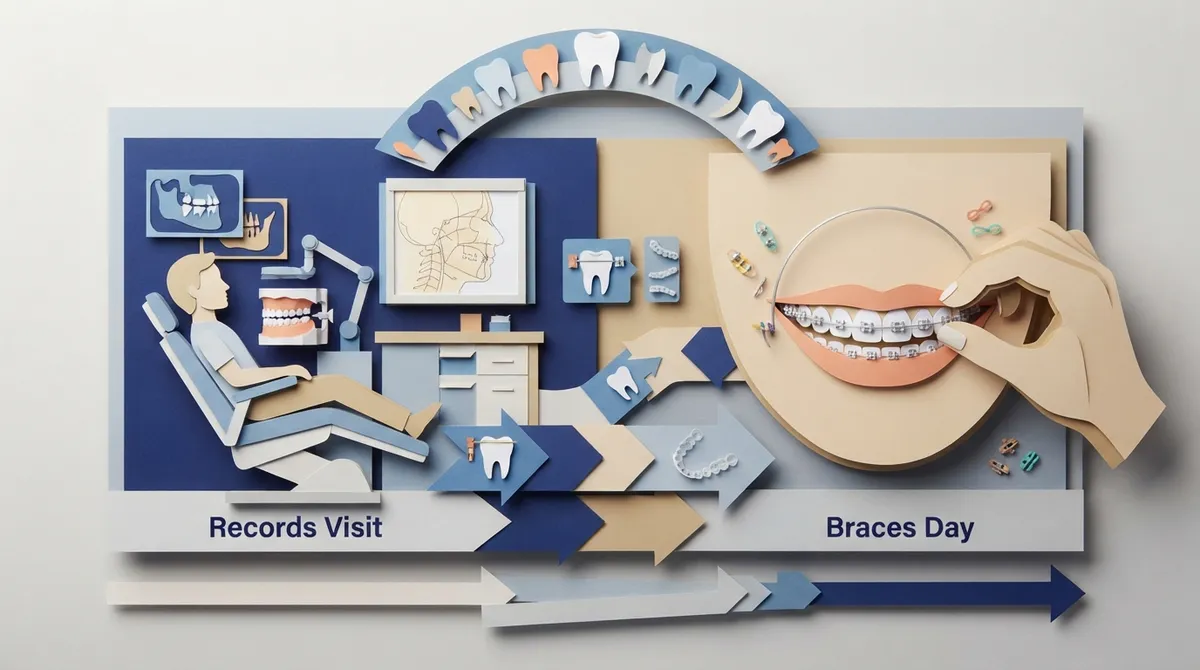
What a 2nd Orthodontist Appointment Really Means
The phrase “second orthodontist appointment” can mean different things from one practice to the next. That’s normal. Every office has its own workflow, and every smile has its own needs.
In general, your second visit will land in one of three buckets:
- A diagnostic records visit: The team gathers photos, X-rays, and scans or impressions.
- A treatment-planning discussion: The orthodontist reviews the diagnosis, your options, timing, and fees.
- A treatment start visit: Braces are placed or aligners are delivered.
Some practices combine these steps. Others spread them across several visits. The best move is simple: when you book, ask the front desk, “What is the purpose of this visit, and how long will it take?” That one question removes most of the guesswork.
If you want a refresher on how the very first visit works, our Your First Visit page walks through it step by step.
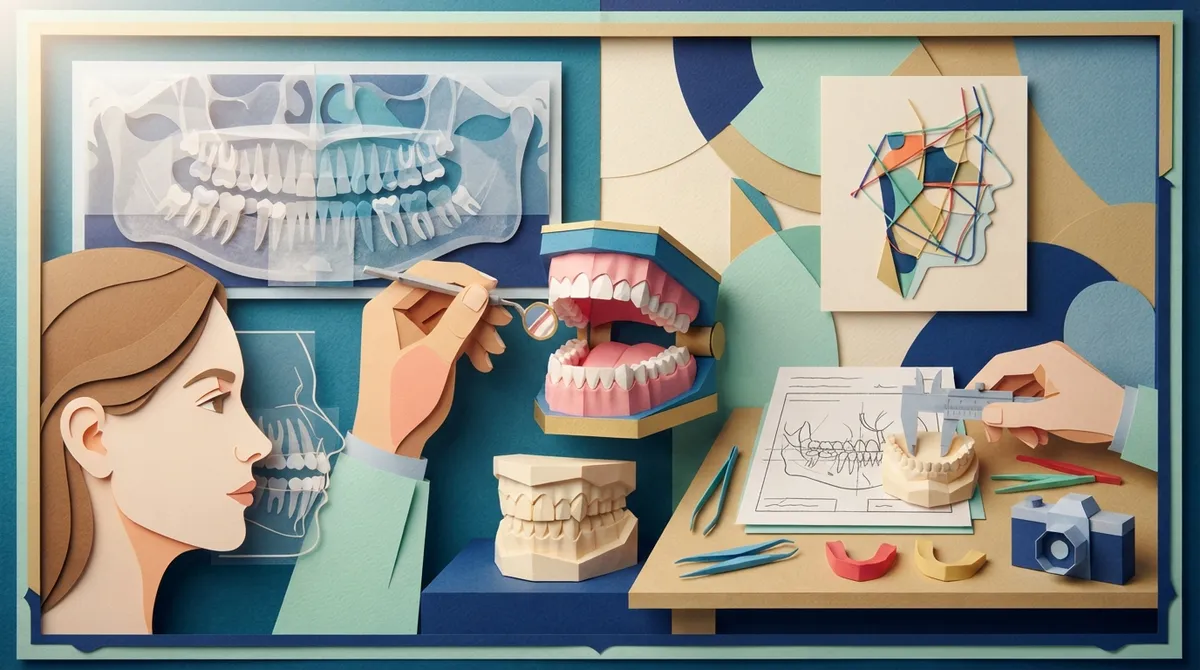
Path One: The Records and Planning Visit
Think of this visit as the “research phase.” Your orthodontist needs a clear, detailed picture of your teeth, bite, and jaw before recommending the right plan. That picture comes from records.
What Records Do Orthodontists Take?
At a records visit, the orthodontic team may take several things:
- Dental and facial photographs. These show how your teeth, lips, and smile line up.
- X-rays. These reveal tooth roots, jaw position, and teeth that haven’t come in yet.
- Digital scans or impressions. These capture the exact shape and position of your teeth.
Together, these records help the orthodontist assess tooth position, bite, and jaw relationships. They also make planning more precise. Modern digital scans are a big comfort win, since many patients can skip the goopy molds. Curious about the tech behind it? Take a look at what to expect during your orthodontic exam.
The Treatment-Planning Conversation
After the records are in, you’ll often sit down with the orthodontist to talk through the plan. This is where your questions matter most. A good planning discussion may cover:
- Your diagnosis and what is causing your concerns
- The recommended appliance, such as braces or clear aligners
- Expected treatment time
- Possible risks or limitations
- Fees, insurance, and payment arrangements
This is also a great time to ask which steps are included in your proposed plan. Knowing what is covered, such as adjustment visits and retainers, helps you avoid surprises later. For a closer look at how a plan is built, see what goes into your orthodontic treatment plan.
Path Two: The Treatment Start Visit
Some patients get to skip ahead. Depending on the case, the office workflow, and your readiness, your second appointment may be the day treatment begins. It’s exciting, and a little nerve-racking too. Totally normal!
If You’re Getting Braces
A braces placement visit is usually longer than a routine adjustment. The University of Minnesota orthodontics clinic reports that its braces-placement appointment generally lasts 1.5 to 2 hours. Your own practice may differ, but it’s smart to plan for a longer chair time.
Here’s a simple look at how the day often goes:
- Your teeth are cleaned and dried.
- Brackets are carefully placed on each tooth.
- The archwire is threaded through and secured.
- The team reviews care instructions, food rules, and what soreness to expect.
Want to know more about the options? Explore All About Braces, or read 9 facts on how long braces take to put on.
If You’re Getting Clear Aligners
If you chose aligners, your start visit may be shorter. The team will fit your first set, check how they sit on your teeth, and show you how to wear and clean them. At Brockway Orthodontics, we offer Spark™ Clear Aligners, a more affordable alternative to Invisalign, along with metal and ceramic (clear) braces.
Side-by-Side: Records Visit vs. Treatment Start Visit
Still not sure which one you’re headed for? This quick comparison helps.
| Feature | Records and Planning Visit | Treatment Start Visit |
|---|---|---|
| Main goal | Gather information and build the plan | Begin braces or aligners |
| What happens | Photos, X-rays, scans, plan review | Braces placed or aligners delivered |
| Typical length | Varies by practice | Braces: often 1.5 to 2 hours (clinic guidance) |
| Costs discussed | Often yes, with insurance and payment options | Usually finalized before this visit |
| Physical feeling | Painless, no soreness | Some soreness for a few days is common |
| Best for | Patients who need a full plan first | Patients ready to proceed right away |
Remember, this is a general guide. Your practice will confirm exactly what your visit includes.
Why Some Patients Need Dental Care First
Sometimes the second visit ends with a gentle “let’s pause before we start.” That is not a bad sign. It simply means your mouth needs a little prep work.
Before orthodontic appliances go on, issues like cavities or gum problems may need attention. Braces and aligners work best on healthy teeth and gums. If something needs fixing, the orthodontist may coordinate with your general dentist when appropriate.
This matters for every audience we serve. Parents want their kids to start on solid ground. Adults with gum concerns benefit from a customized plan. And patients returning for retreatment after relapse deserve a healthy foundation before round two. If you’re curious about who does what, read orthodontist vs. dentist: which one do you actually need?
What Happens After Treatment Starts?
Once your braces are on, you’ll settle into a rhythm of follow-up visits. Adjustment appointments are commonly scheduled about every 4 to 8 weeks, though your orthodontist sets the exact interval based on your plan.
Here is how the guidance varies, which shows why you should always follow your own orthodontist’s schedule:
| Source | Visit Frequency | Typical Visit Length |
|---|---|---|
| University of Minnesota Orthodontics Clinic | Every 4 to 6 weeks | Not specified |
| A Houston orthodontic practice | About every 6 weeks | 20 to 40 minutes |
| Oral-B general estimate | Every 4 to 8 weeks | 15 to 30 minutes |
These are practice-specific or broad estimates, not universal rules. Your treating orthodontist’s schedule always takes precedence.
How to Prepare for Your 2nd Orthodontist Appointment
A little prep goes a long way. Try these simple steps:
- Call ahead. Confirm the purpose and length of your visit.
- Brush and floss. Clean teeth make records and placement easier.
- Bring your insurance card. It helps the team review coverage.
- Write down your questions. Nerves can make you forget them.
- Bring a support person. Parents, a friend, or a partner can help you remember the details.
For a deeper checklist, see how to prepare for your first appointment with an orthodontist. Most of those tips apply to your second visit too.
Questions to Ask Before You Start Treatment
Your second visit is the perfect moment to get clear answers. Here are questions worth asking:
- What is my diagnosis, and what does it mean for my daily life?
- Which appliance do you recommend, and why?
- How long will treatment likely take?
- What is the total cost, and what is included?
- What payment options or financing do you offer?
- Do I need any dental work before starting?
- How often will I come in for adjustments?
Money questions are normal and welcome. Learn more about financing and insurance options, or read how to use dental insurance to help pay for braces.
Tips for Every Type of Patient
Parents of Kids and Teens
Bring your child’s questions along with yours. A relaxed kid makes for a smoother visit. If your child is still growing, ask about early treatment or adolescent treatment so you understand the timing.
Teens and Young Adults
Have a graduation, prom, or big event coming up? Say so! Your orthodontist can help you pick a plan that fits your timeline and your style.
Adult Professionals and Retreatment Patients
Busy schedule? Ask about visit length and how often you’ll need to come in. If you’ve had braces before and your teeth shifted, mention that too. Explore our adult treatment options to see what might fit your life.
Ready for Your Next Step?
Your second orthodontist appointment is where the plan becomes real. Whether it’s a records visit or the day you start treatment, it’s a big step toward a smile you’ll love. At Brockway Orthodontics, Dr. Brockway takes time to listen, explain, and make sure you feel comfortable and informed from start to finish. You can learn more about her on the Meet Dr. Brockway page, and see what our patients say when you visit us on Google — Brockway Orthodontics. You can also stay connected with the Florida Association of Orthodontists and the American Dental Association for trusted oral health information.
Ready to take the next step? Book your appointment online or contact our friendly team in Clearwater with any questions. We can’t wait to meet you!
FAQs
Q: What happens at a second orthodontist appointment?
A: It depends on your practice and your needs. It may be a records visit with photos, X-rays, and scans, a treatment-planning chat, or the day your braces or aligners begin. A quick call to the office will tell you exactly what to expect.
Q: Will I get braces at my second orthodontist appointment?
A: Some patients do, and that’s wonderful! Others need one more visit first. It depends on your case, the office workflow, and whether any dental care is needed before treatment starts.
Q: How long does a braces placement appointment take?
A: It’s usually longer than a regular adjustment. The University of Minnesota orthodontics clinic reports its braces-placement visit generally lasts 1.5 to 2 hours, though times vary by practice and treatment.
Q: Do I need to see my dentist before getting braces?
A: Maybe! If you have cavities or gum problems, those may need care first so your teeth are healthy for treatment. Your orthodontist can coordinate with your general dentist when it makes sense.
Q: How often are orthodontic adjustment appointments?
A: Follow-up visits are commonly about every 4 to 8 weeks. Your orthodontist sets the exact schedule based on your personal treatment plan, so always follow their lead.
Our Service Area