
Key Takeaways
-
Traditional metal braces can complete treatment 3-6 months faster than clear aligners, especially for complex orthodontic issues.
-
Research and verify your orthodontist’s adult treatment experience to ensure personalized, effective care.
-
Meticulous oral hygiene is critical during braces treatment to prevent permanent enamel damage and extend treatment time.
-
Strictly follow dietary guidelines to avoid bracket damage and prevent unexpected repair costs and treatment delays.
-
Commit to long-term retention with retainers to prevent teeth from shifting back to their original positions after treatment.
-
Modern braces have become more comfortable, smaller, and aesthetically appealing compared to previous generations.
Traditional metal braces are making an impressive comeback among adults in 2025, with more individuals choosing this time-tested orthodontic solution over trendy alternatives. While this resurgence reflects both technological advancements and renewed confidence in proven methods, many adults still make critical mistakes when considering or undergoing treatment with traditional braces. Understanding these pitfalls before committing to orthodontic treatment can save you thousands of dollars, months of unnecessary discomfort, and disappointment with your results. Modern metal braces have evolved significantly—they’re more comfortable, efficient, and aesthetically acceptable than ever before. However, making uninformed decisions about your orthodontic care can lead to suboptimal outcomes, regardless of how advanced the technology has become.
At Brockway Orthodontics, we’ve observed common patterns in adult patients who struggle with their orthodontic journey. Whether you’re considering traditional braces after unsuccessful clear aligner treatment or exploring your options for the first time, avoiding these seven mistakes will help ensure your path to a perfect smile is as smooth and successful as possible.

Mistake #1: Assuming Clear Aligners Are Always the Better Option
One of the most significant mistakes adults make is automatically dismissing traditional metal braces in favor of clear aligners without fully understanding the limitations of each treatment modality. While clear aligners have dominated marketing campaigns and social media feeds for years, they simply cannot address all orthodontic issues with the same effectiveness as traditional braces.
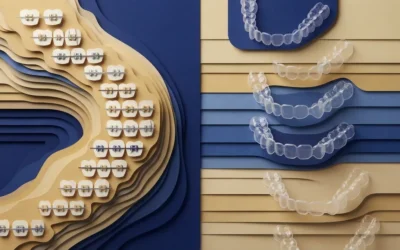
Traditional metal braces apply continuous force and allow for precise adjustments throughout treatment, often resulting in completion 3-6 months faster than clear aligners for similar cases. This efficiency stems from the brackets’ ability to control tooth movement in three dimensions simultaneously—something that removable aligners struggle to achieve, particularly with complex rotations, significant crowding, deep bites, and crossbites.
Adults often return to orthodontic offices after experiencing limited or disappointing results with clear aligner systems, especially when dealing with severe orthodontic problems. The steady pressure that traditional braces provide delivers consistent, predictable results that don’t depend on patient compliance in the same way removable aligners do.
Furthermore, metal braces are typically 20-40% less expensive than premium clear aligner systems, with average costs ranging from $3,000 to $7,000 for a full treatment course in 2025. This substantial cost difference makes traditional braces an economically wise choice for adults working within budget constraints while still demanding excellent results.

Mistake #2: Choosing Based on Cost Alone Without Understanding Value
While traditional metal braces represent the most affordable orthodontic option available in 2025, selecting your treatment based solely on initial price without considering total value constitutes a critical error. The cheapest option isn’t always the best investment in your oral health and long-term satisfaction.
Adults frequently make the mistake of comparing treatment costs across different providers without evaluating what’s included in those prices. Comprehensive orthodontic care should encompass regular adjustment appointments, emergency visits, retention planning, and post-treatment follow-up. Some practices advertise low initial costs but charge separately for each adjustment, retainers, or extended treatment time, which can ultimately make your total investment significantly higher than anticipated.
According to the American Dental Association, understanding the full scope of your orthodontic investment includes considering treatment duration, quality of materials used, orthodontist experience, and the comprehensiveness of care provided. Modern self-ligating braces, which use clips instead of rubber bands, may cost slightly more upfront but can improve comfort and efficiency while potentially shortening treatment duration.
When evaluating cost, also consider the durability and effectiveness of traditional metal braces for addressing your specific orthodontic concerns. Spending slightly more for quality treatment that achieves your goals efficiently is far more valuable than choosing the absolute cheapest option that may require retreatment or produce mediocre results.

Mistake #3: Neglecting to Research Your Orthodontist’s Adult Experience
Not all orthodontists have equal experience treating adult patients, and failing to verify your provider’s expertise with adult orthodontics represents a mistake with potentially significant consequences. Adult orthodontics presents unique challenges that differ substantially from treating children and teenagers.
Adults typically have denser bone structure, which means teeth move more slowly and require carefully calibrated force application. Additionally, many adults have previous dental work—crowns, bridges, implants, or past orthodontic treatment—that complicates treatment planning. An orthodontist without extensive adult experience may not anticipate these challenges or know how to address them effectively.
Before committing to treatment, ask potential orthodontists specific questions about their adult patient volume, continuing education in adult orthodontics, and experience handling cases similar to yours. Request before-and-after photos of adult patients they’ve treated with traditional braces. An experienced orthodontist should confidently discuss their approach to adult treatment and demonstrate a track record of successful outcomes.
The Florida Association of Orthodontists recommends choosing a board-certified orthodontist who regularly attends professional development courses focused on adult treatment modalities. This specialized expertise ensures your orthodontist stays current with the latest techniques and technologies that make traditional braces more comfortable and effective for adult patients.

Mistake #4: Ignoring the Importance of Treatment Duration Expectations
Many adults underestimate the time commitment required for orthodontic treatment with traditional braces, leading to frustration and occasionally premature discontinuation of treatment. Setting realistic expectations about treatment duration from the outset prevents disappointment and helps you plan accordingly for this investment in your smile.
Treatment duration for traditional metal braces typically ranges from 18 months to 3 years for adult patients, depending on the complexity of your case. Adults with mild crowding or spacing issues may complete treatment on the shorter end of this spectrum, while those addressing severe malocclusions, significant bite problems, or jaw alignment issues may require longer treatment periods.
Several factors influence your specific treatment timeline, including the severity of misalignment, your age and bone density, compliance with orthodontic appointments, oral hygiene maintenance, and whether you require any preparatory procedures like tooth extractions. Self-ligating braces can potentially reduce treatment time compared to conventional braces, but the difference varies based on individual circumstances.
Discuss realistic timelines with your orthodontist during your consultation and understand that these are estimates, not guarantees. Your treatment may finish earlier or extend longer based on how your teeth respond. Adults who maintain excellent oral hygiene, attend all scheduled adjustments, and follow their orthodontist’s instructions typically experience treatment durations at or below the estimated timeframe.
Mistake #5: Failing to Prioritize Oral Hygiene from Day One
Perhaps the most detrimental mistake adults make with traditional braces is underestimating the critical importance of meticulous oral hygiene throughout treatment. Poor oral care doesn’t just risk cavities and gum disease—it can permanently damage your teeth, extend treatment time, or even force early removal of braces before achieving optimal results.
Traditional braces create additional surfaces where food particles and plaque accumulate, making teeth more vulnerable to decay and gum inflammation. Adults must commit to brushing after every meal, flossing daily with specialized orthodontic floss or a water flosser, and using interdental brushes to clean around brackets and wires. This routine requires significantly more time and effort than your pre-braces oral care habits.
Many adults mistakenly believe that occasional thorough cleaning compensates for daily shortcuts in oral hygiene. Unfortunately, plaque begins forming within hours after eating, and bacteria that cause tooth decay and gum disease thrive in the environment created by inadequate cleaning around braces. White spot lesions—permanent discoloration that occurs when enamel begins decaying—commonly develop around brackets in patients with poor hygiene habits.
Invest in quality oral hygiene tools specifically designed for braces wearers, including orthodontic toothbrushes, interdental brushes, fluoride mouth rinse, and either orthodontic floss threaders or a water flosser. Schedule regular dental cleanings every 3-4 months during orthodontic treatment rather than the standard twice-yearly schedule. Your commitment to oral hygiene directly impacts both the success of your orthodontic outcome and the long-term health of your teeth.
Mistake #6: Disregarding Dietary Restrictions and Guidelines
Adults frequently make the mistake of ignoring or inconsistently following dietary guidelines provided by their orthodontist, resulting in broken brackets, bent wires, and extended treatment times. While it may seem like a minor inconvenience to avoid certain foods, the consequences of disregarding these restrictions can be significant.
Traditional braces require avoiding hard, sticky, and chewy foods that can damage brackets and wires. Hard foods like nuts, ice, hard candy, and raw vegetables can pop brackets off teeth or bend wires. Sticky foods like caramel, taffy, and gummy candies can pull brackets away from teeth or become impossibly lodged in your braces. Chewy foods like bagels and tough meats can strain the adhesive bonding brackets to teeth.
Each time a bracket breaks or a wire bends, you need an emergency orthodontic appointment for repair. These incidents not only cause inconvenience and discomfort but also interrupt the continuous force application necessary for efficient tooth movement, potentially adding weeks or months to your total treatment duration. Some orthodontic practices charge fees for repairs caused by dietary non-compliance, adding unexpected costs to your treatment investment.
The good news is that modern metal braces have become more durable than previous generations, and the dietary restrictions, while important, still allow for a varied and satisfying diet. Focus on softer preparations of your favorite foods—steamed vegetables instead of raw, ground meat instead of steak, and soft fruits instead of apples. Most adults find that after an adjustment period, eating with braces becomes second nature, and the temporary dietary modifications feel like a minor sacrifice for the permanent smile transformation they’re achieving.
Mistake #7: Overlooking Retention Planning and Long-Term Maintenance
The final and perhaps most overlooked mistake adults make with traditional braces is failing to take retention seriously after their braces are removed. Many patients mistakenly believe that once braces come off, their treatment is complete and their teeth will remain in their new positions indefinitely without additional support.
Teeth have a natural tendency to shift back toward their original positions after orthodontic treatment, a phenomenon called relapse. This tendency persists throughout life, particularly in adults whose bone and tissue structures are fully developed. Without proper retention, you risk losing the straight smile you invested significant time and money to achieve.
Your orthodontist will provide retainers immediately after removing your braces and give specific instructions about wearing them. Initially, you’ll likely need to wear retainers full-time (except when eating and brushing) for several months. After this initial period, most patients transition to nighttime-only wear, which typically continues indefinitely to maintain results.
Many adults make the mistake of discontinuing retainer wear once their teeth feel stable or after their orthodontist’s recommended minimum retention period ends. However, orthodontic experts increasingly recommend lifetime retention for adults who want to preserve their results permanently. The minimal inconvenience of wearing a retainer while sleeping is insignificant compared to the disappointment of watching your teeth gradually shift out of alignment years after treatment.
Treat your retainers with care, store them properly when not wearing them, clean them regularly, and bring them to follow-up appointments so your orthodontist can verify they still fit correctly. If a retainer becomes damaged, lost, or no longer fits properly, contact your orthodontist immediately for a replacement rather than going without retention. This proactive approach protects your investment and ensures your beautiful smile lasts a lifetime.
Understanding the Modern Advantages of Traditional Braces
Despite the prevalence of clear aligner marketing, traditional metal braces have undergone significant innovations that make them more attractive to adult patients in 2025. Modern braces have become more streamlined, less bulky, and considerably more comfortable than the braces many adults remember from their youth or saw on others decades ago.
Today’s brackets are smaller with smoother edges that reduce irritation to lips and cheeks. They blend better aesthetically than previous generations of metal braces, and some practices offer tooth-colored brackets for patients seeking a more subtle appearance. Self-ligating brackets represent a significant advancement, using clips instead of elastic bands to hold the archwire, which reduces friction, improves efficiency, and often means fewer adjustment appointments.
The technological improvements extend to the wires used in modern braces as well. Heat-activated nickel-titanium wires respond to body temperature, applying gentler, more consistent force that moves teeth efficiently while minimizing discomfort. Digital treatment planning allows orthodontists to visualize your entire treatment progression before placing brackets, ensuring optimal bracket positioning for the most efficient tooth movement.
Furthermore, social media and changing cultural perceptions have contributed to renewed acceptance and even fashion appeal of metal braces among adults and young adults. Many adults now view braces as a visible investment in self-improvement rather than something to hide, contributing to the growing trend of adults proudly displaying their orthodontic treatment on platforms like Instagram and Facebook.
Making an Informed Decision About Your Orthodontic Treatment
Avoiding these seven common mistakes positions you for a successful orthodontic journey with traditional braces. The key to satisfaction with any orthodontic treatment lies in setting realistic expectations, choosing an experienced provider, committing to the process, and maintaining excellent oral care throughout treatment and beyond.
Traditional metal braces offer adults a reliable, effective, and affordable path to the smile they’ve always wanted. The comprehensive control that braces provide over tooth movement, combined with their proven track record for addressing even the most complex orthodontic issues, makes them an excellent choice for adults who prioritize results over temporary aesthetic concerns during treatment.
When evaluating your orthodontic options, consider consulting with multiple orthodontists to compare treatment recommendations, experience with adult patients, practice environments, and overall comfort levels. A reputable practice will provide a thorough examination, discuss all available treatment options honestly including their limitations, and create a customized treatment plan that addresses your specific concerns and goals. Don’t hesitate to check out patient reviews on Google to learn about others’ experiences with the orthodontic practices you’re considering.
Remember that orthodontic treatment represents both a financial investment and a time commitment, but the benefits extend far beyond aesthetics. Properly aligned teeth function better, are easier to clean, reduce risk of dental problems, and can positively impact your overall oral health. Many adults report increased confidence, improved professional opportunities, and enhanced quality of life after completing orthodontic treatment—benefits that continue providing value for decades after treatment ends.
Take the Next Step Toward Your Perfect Smile
If you’re considering traditional braces as an adult, you’re making a wise investment in your oral health and confidence. The resurgence of metal braces in 2025 reflects both their proven effectiveness and the significant improvements in comfort and efficiency that modern technology provides. By avoiding the common mistakes outlined in this article, you’ll be well-prepared for a successful orthodontic journey.
At Brockway Orthodontics, Dr. Brockway and our experienced team specialize in providing personalized orthodontic care for adults, using the latest techniques and technologies to ensure comfortable, efficient treatment. We understand the unique concerns and expectations adult patients have, and we’re committed to helping you achieve the beautiful, healthy smile you deserve in a welcoming, professional environment.
Don’t let another year pass wishing for a straighter smile. Whether you’re exploring orthodontic services for the first time or considering alternatives after previous treatment, we’re here to provide expert guidance and exceptional care. Schedule your complimentary consultation today to discover how traditional braces can transform your smile and learn about all the treatment options available to help you achieve your orthodontic goals.
FAQs
Q: Why are traditional metal braces becoming popular again among adults in 2025?
A: Traditional metal braces are experiencing renewed popularity due to significant technological improvements that make them more comfortable and less bulky than previous generations. They offer faster treatment times (3-6 months quicker than clear aligners for similar cases), superior control for complex orthodontic issues, and cost 20-40% less than premium aligner systems. Additionally, changing social perceptions and the proven effectiveness of braces for comprehensive tooth movement have made them an attractive choice for adults seeking reliable, predictable results.
Q: How much do traditional metal braces cost for adults in 2025?
A: The average cost of traditional metal braces for adults ranges from $3,000 to $7,000 for a complete treatment course in 2025, making them the most affordable orthodontic option available. This price typically includes all adjustment appointments, treatment monitoring, and initial retainers. The total cost varies based on case complexity, treatment duration, geographic location, and whether advanced options like self-ligating brackets are used.
Q: How long does orthodontic treatment with traditional braces take for adults?
A: Adult orthodontic treatment with traditional metal braces typically requires 18 months to 3 years, depending on the complexity of the case. Adults with mild alignment issues may complete treatment in the shorter timeframe, while those addressing severe malocclusions, bite problems, or significant crowding may need longer treatment periods. Self-ligating braces and excellent patient compliance with oral hygiene and appointments can potentially reduce treatment duration.
Q: Are traditional metal braces more effective than clear aligners for adults?
A: Traditional metal braces are generally more effective than clear aligners for complex orthodontic cases involving significant rotations, deep bites, crossbites, and severe crowding. Braces provide continuous force and allow precise three-dimensional control of tooth movement, often completing treatment 3-6 months faster than aligners for similar cases. Many adults choose braces after experiencing limited results with clear aligner systems, particularly when comprehensive orthodontic correction is needed.
Q: What are the main advantages of modern traditional braces over older versions?
A: Modern traditional braces feature smaller, more streamlined brackets with smoother edges that reduce irritation and improve comfort significantly. Self-ligating brackets use clips instead of elastic bands, reducing friction and potentially shortening treatment time. Heat-activated nickel-titanium wires provide gentler, more consistent force for efficient tooth movement with less discomfort. Digital treatment planning ensures optimal bracket placement, and overall aesthetic improvements make today’s braces more socially acceptable for adult patients.