Key Takeaways
-
Clear aligners require 20-22 hours of daily wear to stay on track; missed wear significantly delays treatment progress, making them best for organized, committed patients.
-
Ceramic braces offer a discreet fixed option that treats broad orthodontic problems but require careful dietary habits to avoid staining or chipping the tooth-colored brackets.
-
Treatment time depends primarily on case complexity and adherence to your plan, not the type of braces chosen; a professional exam provides realistic timelines.
-
Lingual braces are very difficult to see from the front but may be visible depending on your smile and speech, and typically require an adjustment period for tongue comfort.
-
A proper orthodontist exam using digital impressions and 3D imaging is essential to determine which discreet option suits your specific teeth, bite, and lifestyle.
-
Retainers are critical after active treatment ends; skipping them is a top reason teeth drift back, so include retention planning in your overall treatment discussion.
Picture this: you’re about to walk across a graduation stage, step into a big client meeting, or smile for a wedding photo. You want straighter teeth, but you’d rather not have a mouthful of shiny metal front and center. Sound familiar? You’re in good company, and that’s exactly why discreet braces have become such a popular topic in orthodontic offices everywhere in 2026.
Here’s the good news. You have real choices. Clear aligners, tooth-colored ceramic braces, and braces hidden behind your teeth can all move your smile into place while staying low-key. But they’re not all the same, and no single option is right for everyone.
In this friendly guide, we’ll walk through each type of discreet braces, compare how they look and feel, and help you figure out which might suit your lifestyle. At Brockway Orthodontics in Clearwater, Florida, we love helping patients feel confident from the very first visit. Let’s dive in!
What Exactly Are Discreet Braces?
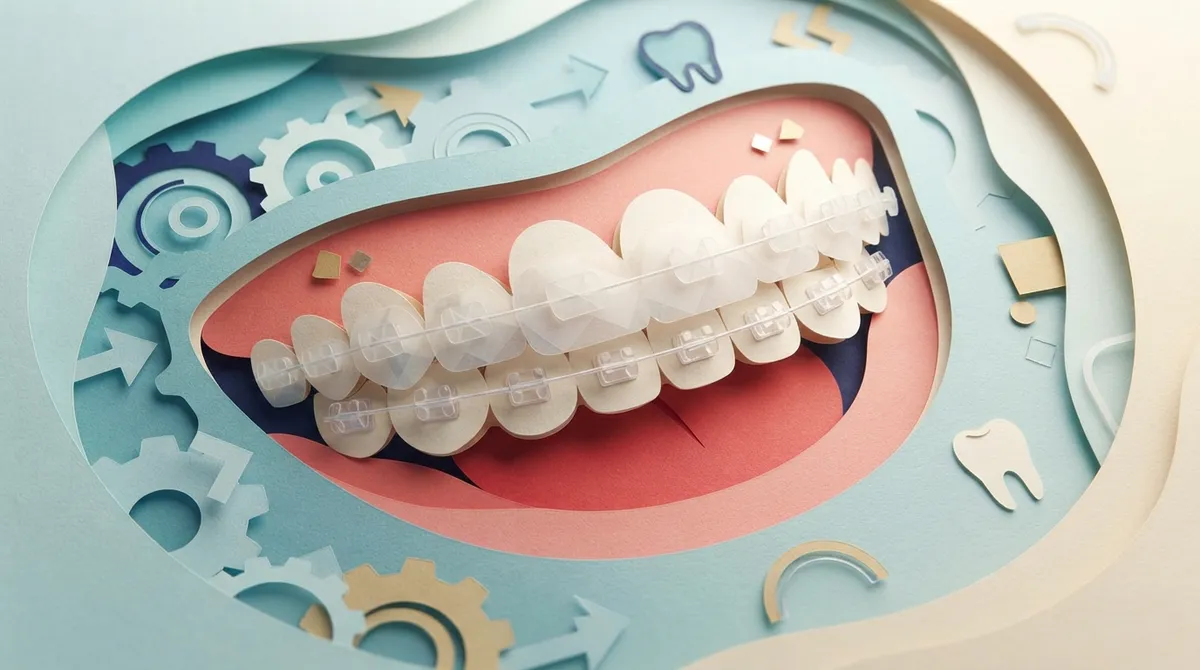
“Discreet braces” is an easygoing, everyday term. It isn’t a single product. It describes orthodontic treatments designed to be less noticeable than traditional metal braces.
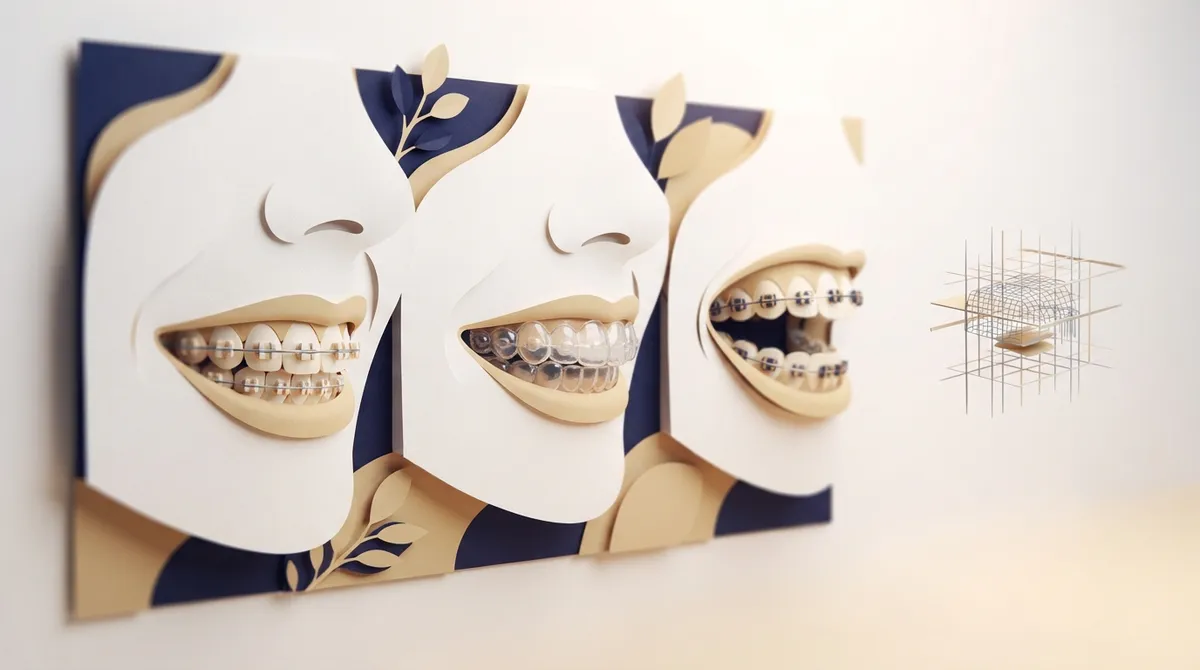
Most of the time, the phrase points to three main options:
- Clear aligners: custom-made, see-through trays you can take out.
- Ceramic braces: fixed braces with tooth-colored or clear brackets.
- Lingual braces: fixed braces attached to the back (tongue side) of your teeth.
All three can move teeth. They differ in how visible they are, whether you can remove them, how they feel, and which orthodontic problems they can fix. An orthodontist needs to examine you to know which one makes sense for your smile.
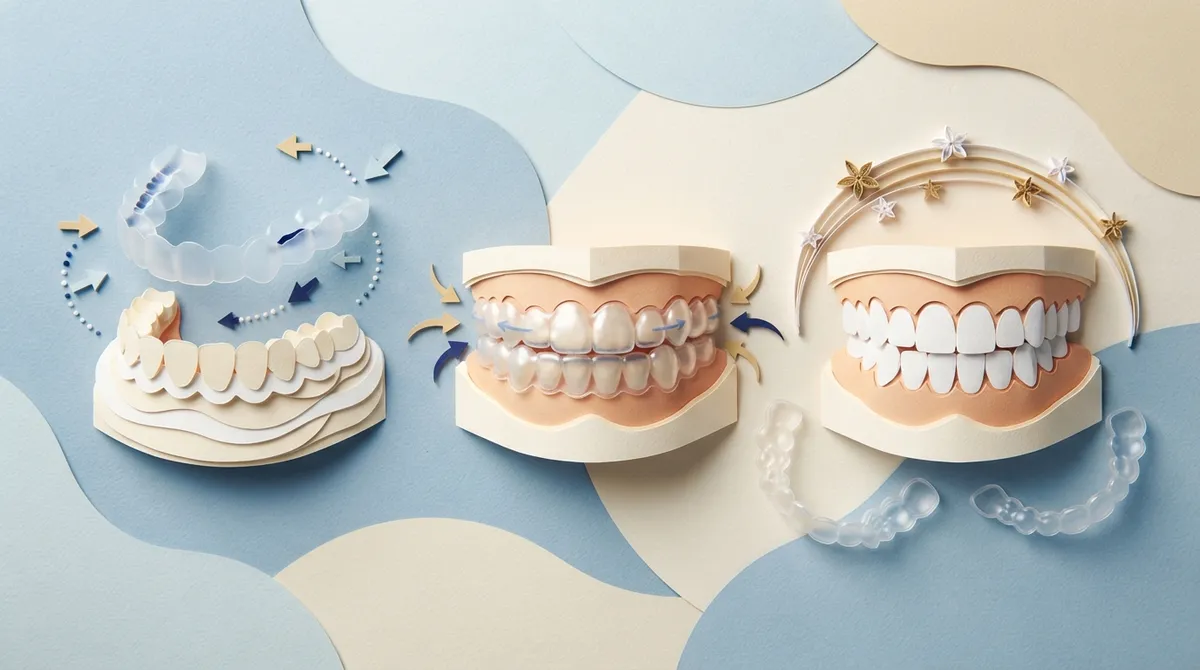
How Do Clear Aligners Work?
Clear aligners are probably the first thing people think of when they hear “invisible” braces. They’re transparent plastic trays made just for your teeth. Each set nudges your teeth a little bit at a time.
The Day-to-Day Routine
Aligners work best when you wear them consistently. Most plans call for about 20 to 22 hours a day, and the American Association of Orthodontists notes that wear instructions vary by treatment plan. You take them out to eat and to drink anything other than water, then pop them back in.
You also switch to a new set on a schedule your orthodontist sets. According to AAO guidance, trays are commonly changed about every one to two weeks, though the exact timing and number of trays depend on your case.
Why People Love Them
- They’re very hard to spot in photos and conversations.
- You can remove them to eat, brush, and floss normally.
- There are no brackets or wires to poke your cheeks.
What to Keep in Mind
The removable part is both the superpower and the challenge. If the trays sit in the case instead of your mouth, treatment can slow down or go off track. That’s why clear aligners tend to be a great fit for people who are organized and committed to wearing them.
Want to see a local option? Take a look at our Spark™ Clear Aligners, a more affordable alternative to Invisalign that many teens and adults in Clearwater love.
What About Ceramic Braces?
Ceramic braces work like traditional braces, with brackets and wires, but the brackets are tooth-colored or clear. They blend in with your teeth, so people usually notice them much less than metal.
Because they’re fixed in place, you can’t take them off. That’s a plus for some folks. There’s no tray to remember, so you can’t forget to wear them. They also treat a broad range of orthodontic problems.
The Trade-Offs
Ceramic brackets can be a bit more fragile than metal ones. They can chip, and they may stain if you’re not careful with certain foods and drinks. A little extra care goes a long way. Our team can walk you through exactly what to watch out for.
Curious how they compare to the classic look? Check out our guide on metal vs. clear braces for adults, or learn more about ceramic braces in Clearwater.
Are Lingual Braces Really Invisible?
Lingual braces are the “secret agent” of the group. They’re attached to the tongue-facing surfaces of your teeth, so they’re tough to see from the front. They can treat many cases.
That said, “hard to see” isn’t the same as “completely invisible.” Depending on how you smile or talk, someone might catch a glimpse. They also come with an adjustment period. Some people notice changes in speech or a bit of tongue irritation at first. Availability and suitability vary, so this is something to talk through with your orthodontist.
Discreet Braces Compared Side by Side
Sometimes a quick snapshot helps. Here’s how the three main options stack up:
| Feature | Clear Aligners | Ceramic Braces | Lingual Braces |
|---|---|---|---|
| Visibility | Very low | Low (tooth-colored brackets) | Very low from the front |
| Removable? | Yes | No | No |
| Daily wear | About 20–22 hours | Always on | Always on |
| Eating restrictions | Remove for meals | Some foods to avoid | Some foods to avoid |
| Common concerns | Missed wear delays treatment | Staining or chipping | Speech or tongue irritation at first |
| Case range | Many cases, not all | Broad range | Many cases; varies |
Remember, this is a general overview. Your own plan depends on your teeth, your bite, and your goals.
Which Discreet Option Is Right for You?
There’s no one-size-fits-all winner. Several things shape the best choice:
- Case complexity: Some bite problems are treated more predictably with fixed braces, or even a combination of methods.
- Bite correction needs: Overbites, underbites, and crowding can each call for different tools.
- Oral health: Healthy teeth and gums come first, and any needed dental work should be done before treatment starts.
- Lifestyle: A busy schedule, sports, or playing an instrument might point you toward one option over another.
- Budget and commitment: Consider costs and how reliably you’ll follow instructions.
The best way to know? Get a proper exam. A good assessment usually includes a dental exam, photos, scans, or X-rays, so your orthodontist can build a plan around you.
What Different Patients Often Ask For
For Parents of Kids and Teens
Parents often wonder if discreet options work for growing smiles. Many do, but younger patients need to be ready to follow the rules, especially with removable trays. Our adolescent treatment page explains how we tailor care for teens. Teens love that they can smile in photos and at school without feeling self-conscious.
For Busy Adult Professionals
If you’re juggling meetings and deadlines, a low-profile option can feel like a game changer. Our adult treatment options are designed to fit real, busy lives. You can also read why so many adults are getting orthodontic treatment in 2026.
For Anyone Facing Relapse
Did your teeth shift after past treatment? It happens more than you’d think, and it’s nothing to be embarrassed about. Discreet options can often help you get back on track. This is also a good reminder of why retainers matter so much.
Do Discreet Braces Take Longer?
It’s a common question, and the honest answer is: it depends. Treatment time is driven mostly by how complex your case is and how closely you follow your plan, not simply by which type of braces you choose. Your orthodontist can give you a realistic timeline after your exam. For a deeper look, see our article on how long braces take to work.
Taking Care of Discreet Braces
No matter which type you pick, a few habits keep your treatment smooth:
- Brush and floss carefully, since food can hide around brackets or under trays.
- Keep aligners clean and store them safely in their case.
- Skip the foods your orthodontist tells you to avoid if you have fixed braces.
- Keep every follow-up appointment, plus your regular dental checkups.
The American Dental Association also offers helpful general guidance on oral health basics that apply during any kind of orthodontic treatment.
Don’t Forget the Retainer
Here’s something many people don’t realize until later: finishing active treatment isn’t the finish line. After your braces or aligners come off, you’ll generally need a retainer to help keep your teeth where they are. Your orthodontist should explain your retention plan as part of the overall treatment, so there are no surprises. Skipping retainers is one of the top reasons teeth drift back.
How Much Do Discreet Braces Cost?
Costs vary based on the type of braces, how complex your case is, and how long treatment lasts. Insurance coverage varies too. The most reliable way to get a real number is a consultation. Many families also find that payment plans make treatment much easier on the budget. You can explore our financing and insurance page to see what’s available.
Why Start With a Real Orthodontist Visit?
Social media and online reviews can be fun, but they can’t replace a hands-on exam. A small 2025 survey of 140 respondents, published in 2026, found that 47.8% had considered clear aligners but hadn’t moved forward. It’s a small sample, so it’s not a population-wide number, but it hints at how many people are curious and unsure where to begin. A friendly conversation with an orthodontist can turn that curiosity into a clear plan.
At Brockway Orthodontics, Dr. Brockway takes time to listen to your goals and explain your options in plain language. We use modern tools like digital impressions and 3D imaging, so there are no messy molds, and in certain cases we can even offer same-day treatments. Curious what other patients think? Read what our Brockway Orthodontics patients say on Google.
Ready to Smile With Confidence?
Discreet braces give you real options for a straighter smile without feeling like your braces are the first thing people see. Clear aligners, ceramic braces, and lingual braces each have their own strengths, and the right pick comes down to your teeth, your lifestyle, and your goals.
You don’t have to figure it all out alone. Book your appointment online and let’s talk about which discreet option could be your perfect fit. Prefer to ask a question first? Just contact us, and our friendly team will be happy to help. Your best smile is closer than you think!
FAQs
Q: What are discreet braces, and what types are available?
A: Discreet braces is a friendly, everyday term for orthodontic options that are less noticeable than metal braces. The most common types are clear aligners, tooth-colored ceramic braces, and lingual braces that sit behind your teeth. Your orthodontist can help you pick the one that fits your smile.
Q: How many hours a day do I need to wear clear aligners?
A: Most treatment plans call for about 20 to 22 hours of wear each day, taking them out only to eat and to drink anything besides water. Your orthodontist will give you exact instructions for your plan. Wearing them consistently is the secret to staying on schedule!
Q: Are lingual braces completely invisible?
A: Not quite. Lingual braces sit on the tongue side of your teeth, so they’re very hard to see from the front, but they may peek out depending on how you smile or talk. They can also feel different at first, with some patients noticing changes in speech or mild tongue irritation while adjusting.
Q: Can discreet braces fix an overbite, underbite, or crowded teeth?
A: Often, yes, but it depends on your specific case. Some bite problems are handled more predictably with fixed braces, or even a combination of methods. A quick exam with your orthodontist will show which option is the best match for your smile.
Q: Do I still need a retainer after discreet braces?
A: Yes, you’ll generally need a retainer after active treatment to help keep your teeth in their new spots. Your orthodontist will explain your retention plan as part of your overall treatment. Think of it as protecting all the hard work you’ve put into your smile!
Our Service Area