
Key Takeaways
-
Single front tooth gaps can close in just 3-6 months with braces or clear aligners, while multiple gaps typically take 6-12 months, making spacing treatment faster than many patients expect.
-
Gaps can reopen after treatment if retainers are not worn consistently, especially in the first year, so wearing your retainer as directed is essential to protect your results long-term.
-
Metal braces cost $3,000-$7,000 and work best for complex spacing, while clear aligners like Spark offer a nearly invisible option for mild to moderate gaps but require wearing them 20-22 hours daily.
-
Common causes of spacing include naturally small teeth, missing teeth, gum disease, tongue thrusting, and oversized tissue between lip and gum, so a professional evaluation helps determine the right treatment approach.
-
Combined orthodontic and restorative treatment may be needed for gaps caused by small or missing teeth, using bonding, veneers, crowns, or implants alongside braces or aligners for balanced results.
-
Untreated spacing can contribute to gum irritation, food trapping, and bite strain, making treatment both cosmetic and beneficial for oral health and easier long-term tooth maintenance.
Do you ever catch yourself smiling with your lips together, trying to hide a gap between your front teeth? You are definitely not alone. Gaps between teeth, called spacing, are one of the most common reasons people visit an orthodontist. The good news? Spacing teeth treatment works, and it often works faster than people expect. At Brockway Orthodontics in Clearwater, we help patients of every age close gaps and build smiles they are proud to show off. Let’s walk through what causes spacing, how it gets fixed, and what you can expect along the way.
Whether you are a parent noticing a gap in your child’s smile, a teen prepping for graduation photos, or an adult who has lived with a gap for years, this guide is for you. We will break things down in simple terms, so you leave feeling confident about your next steps.

What Is Tooth Spacing, Exactly?
Tooth spacing simply means there is more room in your jaw than your teeth need. This extra space shows up as visible gaps between one or more teeth. The most noticeable version is a gap between the two upper front teeth, known as a maxillary midline diastema.
Spacing can appear in kids with baby teeth, in the mixed stage when adult teeth are coming in, or in adults with a full set of permanent teeth. Sometimes gaps are totally normal for a stage of development. Other times, they signal something that needs attention from an orthodontic professional.
Common Causes of Gaps Between Teeth
Understanding the cause helps your orthodontist choose the best spacing teeth treatment for you. Here are the most common reasons gaps form:
- Teeth that are naturally smaller than the jaw can hold in a snug row
- Missing teeth, either from birth or after an extraction
- Gum disease that causes teeth to shift or loosen over time
- Tongue thrusting or prolonged thumb sucking habits
- An oversized labial frenum, the tissue between your lip and gum
- Changes in bite alignment as you age
Because so many things can cause spacing, a proper evaluation matters. Our team walks through this during your first visit, so we can build a plan around your specific situation.

Treatment Options for Closing Tooth Gaps
Orthodontic treatment for spacing usually falls into a few main categories. Let’s look at each one.
1. Metal Braces
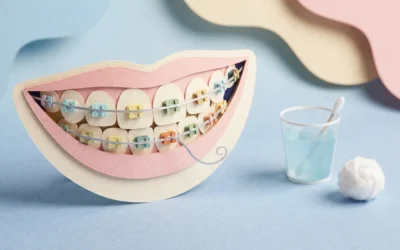
Traditional metal braces remain one of the most reliable ways to close gaps. Brackets and wires apply steady, gentle pressure that guides teeth into their new position over time. Braces work well for single gaps and for more spread-out spacing across several teeth. Learn more about how this classic option works on our All About Braces page.
2. Clear Aligners
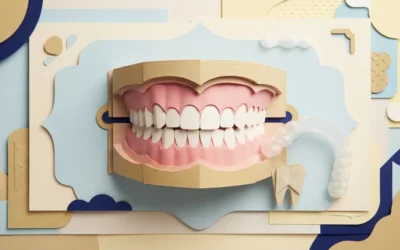
Clear aligners are a popular, nearly invisible option for correcting spacing. At Brockway Orthodontics, we offer Spark™ Clear Aligners, a more affordable alternative that still delivers excellent results. Research on adult patients has shown that clear aligners can effectively close anterior spacing gaps, though success depends on wearing them as directed and following your treatment plan closely.
3. Combined Orthodontic and Restorative Care
Sometimes gaps are tied to small teeth, missing teeth, or uneven tooth proportions. In these cases, orthodontic treatment might work alongside restorative dentistry. This could include bonding, veneers, crowns, or even implants to replace a missing tooth after the space has been adjusted. This team approach gives you a smile that looks balanced and natural.
How Long Does Spacing Teeth Treatment Take?
One of the first questions patients ask is, “How long will this take?” The answer depends on how many gaps you have and how large they are.
- A single gap between front teeth can sometimes close in just 3 to 6 months with braces or aligners.
- Simple spacing cases, involving one or two gaps, often wrap up in about 6 to 12 months.
- Generalized spacing across multiple teeth typically takes 6 to 12 months as well.
- More complex cases that also involve bite correction can take 12 to 18 months.
Every mouth is different, so these numbers are general guidelines. Your orthodontist will give you a personalized timeline once your treatment plan is set.
Typical Treatment Timelines at a Glance
| Type of Spacing | Estimated Treatment Time | Common Treatment Option |
|---|---|---|
| Single front tooth gap | 3 to 6 months | Braces or clear aligners |
| Simple spacing (1-2 gaps) | 6 to 12 months | Braces or clear aligners |
| Generalized spacing (multiple teeth) | 6 to 12 months | Braces or aligners, sometimes combined with bonding |
| Spacing with bite correction needed | 12 to 18 months | Braces or aligners with additional appliances |
What Does Spacing Teeth Treatment Cost?
Cost is always a big factor when planning orthodontic care. Metal braces for spacing cases generally run between $3,000 and $7,000, though your exact cost depends on the complexity of your case and how long treatment takes. We know that budgeting for a smile can feel overwhelming, so our team is happy to walk you through financing and insurance options that fit your life.
Factors That Affect Your Treatment Cost
- How many teeth need to move and how far they need to travel
- Whether you choose braces or clear aligners
- If restorative work like bonding or crowns is also needed
- The length of your treatment plan
- Whether retainers or follow-up care are included
Braces vs. Clear Aligners for Spacing: Which Wins?
This is one of the most common questions we hear from teens and adults alike. Both options can close gaps effectively, but they work a little differently. Here’s a simple comparison to help you decide.
| Feature | Metal Braces | Clear Aligners |
|---|---|---|
| Visibility | Visible brackets and wires | Nearly invisible |
| Best for | Complex spacing and bite issues | Mild to moderate spacing |
| Removability | Fixed, cannot remove | Removable for eating and brushing |
| Compliance needed | Low, since they stay in place | High, must wear 20-22 hours daily |
| Typical cost range | $3,000 to $7,000 | Similar range, varies by case |
If you are a busy professional who wants a discreet option for work meetings, clear aligners might be the right fit. If you have more complex spacing, braces may get you there more predictably. Our team can help you compare both during a consultation. Check out our services page for a full look at what we offer.
Why Retention Matters After Treatment
Here’s something many patients do not expect: gaps can come back after treatment if you skip your retainer. Spacing cases have a real risk of relapse, especially if the underlying cause was not fully addressed or if retainers are not worn as directed.
This is why we place such a strong focus on retainers after your active treatment ends. Think of your retainer as the insurance policy for all the hard work you just put into your smile. Skipping it, even for a few weeks, can allow teeth to drift back toward their old positions.
Tips for Keeping Your Retainer Working
- Wear your retainer exactly as your orthodontist recommends, especially in the first year
- Clean it daily to prevent buildup and odor
- Store it in its case when not in use, never in a napkin or pocket
- Bring it to follow-up visits so we can check the fit
- Replace it right away if it cracks, warps, or feels loose
Who Should Consider Spacing Teeth Treatment?
Spacing treatment is not one-size-fits-all. Different life stages come with different goals and concerns.
For Parents of Children and Teens
If your child has a gap between their front teeth, it might be totally normal at certain ages. But if the gap seems to be growing or is paired with other bite concerns, an evaluation can catch issues early. Our early treatment and adolescent treatment programs are built with growing smiles in mind.
For Teens and Young Adults
Big life moments like graduation photos or prom deserve a confident smile. Clear aligners are especially popular with this age group because they fit into an active social life without drawing attention.
For Adult Professionals
Many adults are surprised to learn that gaps can be treated efficiently, even later in life. Our adult treatment options are designed to work around busy schedules with discreet, effective solutions.
For Orthodontic Relapse Patients
If you had braces years ago and your gap has slowly reopened, you are far from alone. Relapse happens, especially without consistent retainer wear. Retreatment is often quicker than your first round of treatment, and it can restore the smile you worked hard for.
For Health-Conscious Individuals
Gaps are not only a cosmetic concern. Untreated spacing can sometimes contribute to gum irritation, food trapping, or bite strain. If oral health is a priority for you, closing problematic gaps can support a healthier mouth long term. According to the American Dental Association, properly aligned teeth are easier to clean and maintain over time.
Do All Gaps Need Treatment?
Not necessarily. Some spacing is minor, stable, and does not cause functional problems. Other cases involve larger gaps, bite misalignment, or an increased risk of gum issues that make treatment a smart investment. This is exactly why a professional evaluation is so valuable. The Florida Association of Orthodontists recommends a check-up by age seven, though adults can benefit from an evaluation at any age.
Why Choose Brockway Orthodontics for Spacing Teeth Treatment
Dr. Brockway and our Clearwater team take time to really listen to your goals for your smile. We use modern technology, including digital impressions and 3D imaging, so your treatment plan is precise from day one. In select cases, we even offer same-day treatment starts, so you are not stuck waiting weeks between appointments.
We treat the whole family, from a seven-year-old with an early gap to a busy parent finally ready to close the space they have lived with for years. Curious what other patients think? You can visit us on Google — Brockway Orthodontics to read real reviews from our Clearwater community. You can also connect with us on Facebook for smile updates and patient stories.
Getting Started With Your Smile Journey
Ready to finally close that gap? Here is a simple path forward:
- Schedule a consultation so we can evaluate the cause and size of your spacing
- Review your treatment options, including braces and Spark™ Clear Aligners
- Choose a plan that fits your budget, lifestyle, and timeline
- Begin treatment with clear expectations and a dedicated support team
- Commit to retainer wear once treatment is complete to protect your results
Gaps between your teeth do not have to be a permanent part of your smile story. With the right spacing teeth treatment, a straighter, more confident smile is within reach. If you are ready to take the next step, book your appointment online today, or feel free to contact us with any questions. Our Clearwater team is here to guide you every step of the way.
FAQs
Q: What causes gaps between teeth?
A: Gaps can come from small teeth, missing teeth, gum disease, tongue habits, or extra tissue between your lip and gum. Sometimes it is simply how your jaw and teeth grew together. A quick check-up helps us pinpoint the real cause and pick the best fix.
Q: Can braces close spacing teeth?
A: Absolutely! Braces are one of the most reliable ways to close gaps, big or small. The brackets and wires gently guide your teeth into a snug, natural-looking row over time.
Q: Are clear aligners good for tooth gaps?
A: Yes, clear aligners work great for mild to moderate spacing, especially if you want a nearly invisible option. Success really comes down to wearing them consistently, about 20 to 22 hours a day, just like we recommend with our Spark™ Clear Aligners.
Q: How long does spacing teeth treatment take?
A: It depends on your case! A single gap might close in just 3 to 6 months, while multiple gaps or bite adjustments can take 6 to 18 months. We will give you a personalized timeline after your first visit.
Q: Why do gaps reopen after orthodontic treatment?
A: Gaps often return when retainers are not worn as prescribed, since teeth naturally want to drift back over time. Wearing your retainer consistently, especially in that first year, is the best way to protect your new smile for good.
Our Service Area