
Key Takeaways
-
Clear aligners offer a discreet orthodontic solution with nearly invisible trays that gradually shift teeth into desired positions.
-
Treatment effectiveness depends on wearing aligners 20-22 hours daily, with options suitable for mild to moderate dental issues.
-
Transparent braces cost between $3,000-$8,000 and provide aesthetic benefits while improving dental alignment and confidence.
-
Ceramic and clear braces provide different advantages: ceramic braces work best for complex corrections, while aligners offer more lifestyle flexibility.
-
Professional orthodontic consultations use digital scans and advanced technology to create personalized treatment plans with predictable results.
Transparent teeth braces have revolutionized orthodontic treatment, offering patients a discreet way to achieve a stunning smile without the noticeable appearance of traditional metal braces. These nearly invisible orthodontic devices have become increasingly popular among teens and adults who desire effective teeth straightening while maintaining confidence in their appearance during treatment. Whether you’re considering orthodontic care for the first time or exploring alternatives to conventional braces, understanding transparent teeth braces can help you make an informed decision about your smile journey.
The demand for transparent teeth braces has grown exponentially as more people recognize that orthodontic treatment doesn’t require compromising aesthetics for results. Modern orthodontics provides multiple options for achieving beautiful, straight teeth while keeping your treatment virtually undetectable. From clear aligners to ceramic brackets, the world of transparent orthodontics offers solutions tailored to various lifestyles, budgets, and dental needs.
Understanding Transparent Teeth Braces Technology
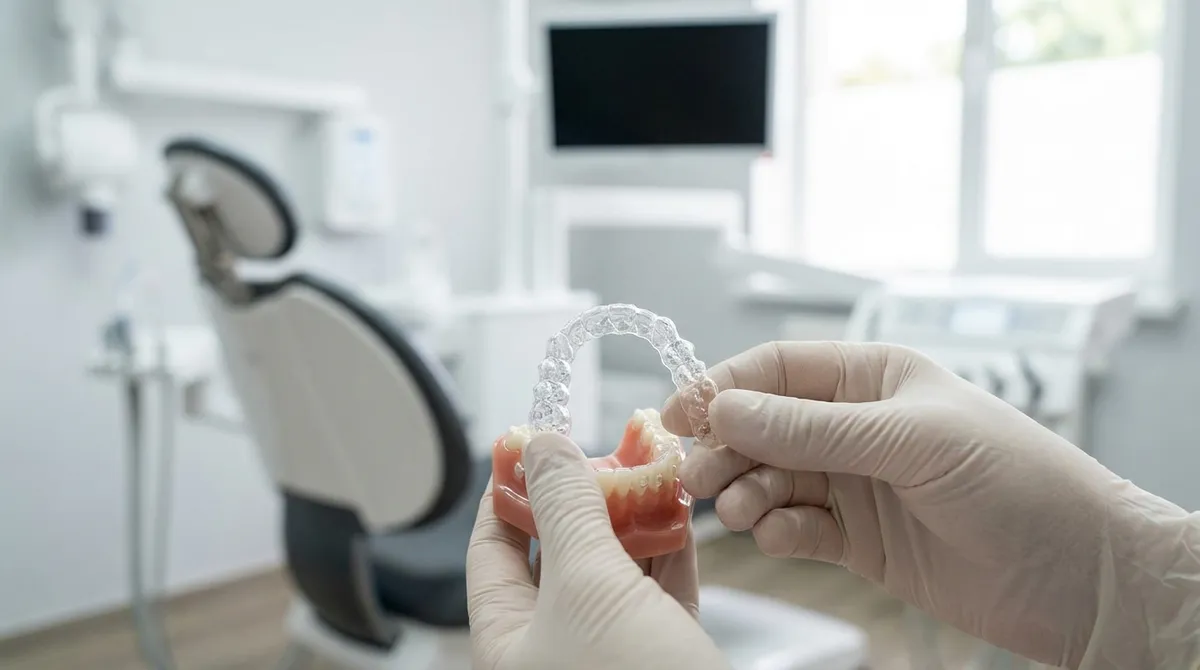
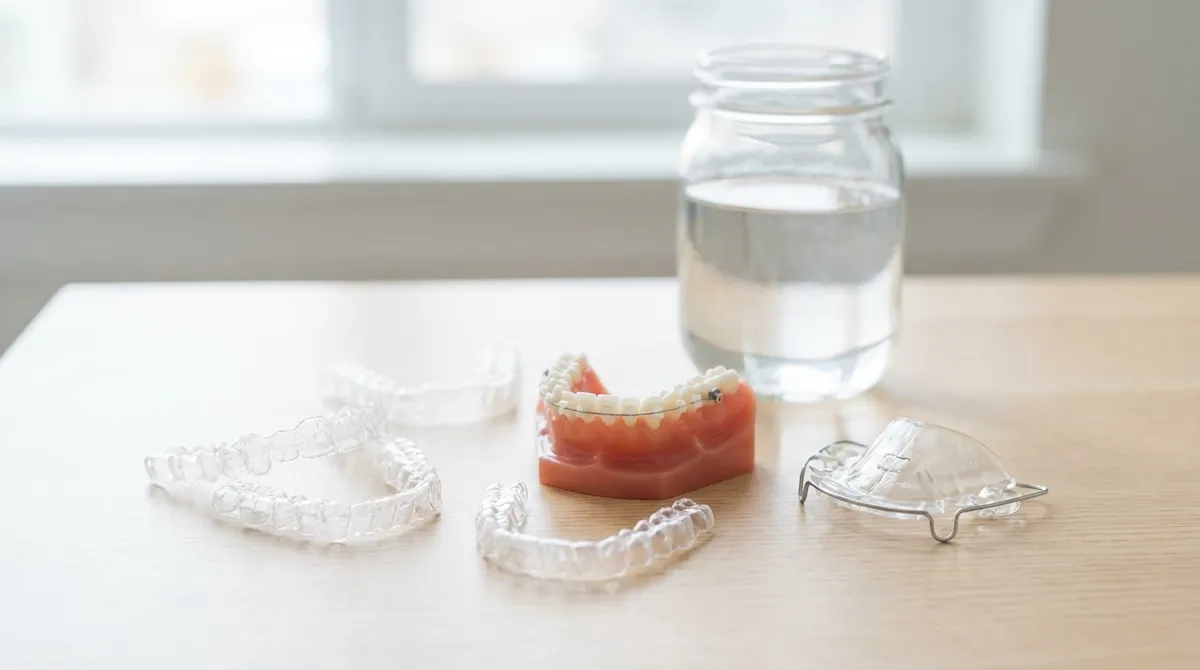
Transparent teeth braces encompass several different orthodontic systems designed to blend naturally with your teeth. The two primary categories include clear aligners and ceramic braces. Clear aligners are custom-made, removable trays crafted from transparent plastic material that gradually shift teeth into their desired positions. These aligners are replaced every one to two weeks as your teeth progressively move. Ceramic braces, on the other hand, feature tooth-colored or clear brackets bonded to teeth with thin wires running through them, functioning similarly to traditional metal braces but with a far less noticeable appearance.
The science behind transparent teeth braces relies on consistent, gentle pressure applied to teeth over time. With clear aligners, each successive tray is slightly different from the previous one, creating incremental movement that guides teeth into alignment. According to the American Dental Association, orthodontic treatment works by remodeling the bone surrounding tooth roots through controlled force application. Ceramic braces achieve the same results using brackets and wires that orthodontists adjust periodically to maintain the appropriate pressure on teeth.
Modern transparent teeth braces incorporate advanced materials engineered for durability and effectiveness. Clear aligners utilize medical-grade thermoplastic materials that are both strong and flexible, allowing them to apply the necessary force while remaining comfortable. Ceramic brackets are manufactured from polycrystalline or monocrystalline alumina, providing strength comparable to metal brackets while maintaining their transparent or tooth-colored appearance throughout treatment. These technological advancements ensure that patients don’t sacrifice treatment quality for aesthetic preferences.
Different Types of Transparent Orthodontic Solutions
The transparent orthodontics market offers various options, each with unique characteristics suited to different patient needs. Spark™ Clear Aligners represent one of the latest innovations in removable aligner therapy, featuring clearer material and better stain resistance than earlier generations. These aligners are custom-designed using advanced 3D imaging technology to map your entire treatment journey from initial positioning to final smile.
Ceramic braces provide an alternative for patients whose orthodontic cases require fixed appliances. These systems use clear or tooth-colored brackets that blend with natural enamel, making them significantly less noticeable than traditional metal braces. Some ceramic braces even incorporate tooth-colored wires for enhanced discretion. While not completely invisible, ceramic braces offer a substantial aesthetic improvement over metal alternatives while delivering powerful correction capabilities for complex alignment issues.
Lingual braces represent another transparent option, though technically they’re hidden rather than transparent. These braces are placed on the back surfaces of teeth, making them completely invisible from the front. While not as popular due to their higher cost and initial adjustment challenges with speech and tongue comfort, lingual braces provide maximum discretion for patients who require fixed appliances but want absolutely no visible orthodontic hardware.
Clear Aligners Versus Ceramic Braces
Choosing between clear aligners and ceramic braces depends on several factors including treatment complexity, lifestyle considerations, and personal preferences. Clear aligners excel in treating mild to moderate orthodontic issues such as spacing problems, minor crowding, and certain bite irregularities. Their removability offers convenience during meals and oral hygiene routines, and they typically require fewer office visits than traditional braces. However, treatment success with clear aligners heavily depends on patient compliance—aligners must be worn 20-22 hours daily for optimal results.
Ceramic braces prove more effective for complex orthodontic cases involving severe crowding, significant bite corrections, or vertical tooth movements. Because they’re fixed to teeth, ceramic braces work continuously without relying on patient compliance beyond maintaining good oral hygiene and avoiding certain foods. They provide orthodontists with greater control over tooth movements, particularly rotations and vertical positioning that can be challenging with aligners alone. The Florida Association of Orthodontists notes that ceramic braces remain the preferred choice for comprehensive orthodontic treatment requiring precise biomechanical control.
| Feature | Clear Aligners | Ceramic Braces |
|---|---|---|
| Appearance | Nearly invisible | Tooth-colored, discreet |
| Removability | Removable | Fixed |
| Treatment Complexity | Mild to moderate cases | All complexity levels |
| Oral Hygiene | Easy (remove to brush) | Requires special care |
| Dietary Restrictions | None (remove to eat) | Avoid hard, sticky foods |
| Average Treatment Time | 12-18 months | 18-24 months |

Benefits of Choosing Transparent Teeth Braces
The aesthetic advantage of transparent teeth braces represents the most obvious benefit, but these systems offer numerous other advantages. For professionals, teenagers, and image-conscious adults, the ability to straighten teeth without drawing attention to orthodontic treatment can significantly boost confidence. Many patients report feeling more comfortable smiling, speaking in public, and appearing in photographs during their treatment journey when wearing transparent braces compared to traditional metal alternatives.
Beyond aesthetics, transparent teeth braces often provide enhanced comfort compared to traditional metal braces. Clear aligners feature smooth plastic surfaces without brackets or wires that can irritate soft tissues inside the mouth. When properly designed and fitted, aligners rarely cause the ulcers and abrasions sometimes associated with metal braces. Ceramic braces, while still featuring brackets and wires, typically use smaller, more rounded brackets that minimize tissue irritation and improve overall comfort during treatment.
The removability of clear aligners offers lifestyle flexibility that fixed braces cannot match. Patients can remove aligners for important events, special photographs, or when eating, eliminating dietary restrictions entirely. This feature also simplifies oral hygiene—brushing and flossing remain as straightforward as before treatment began. For musicians who play wind instruments or athletes involved in contact sports, removable aligners provide convenience and safety advantages over fixed orthodontic appliances.
Professional and Social Advantages
In professional environments where appearance matters, transparent teeth braces provide a solution that doesn’t compromise career image. Many adults postpone orthodontic treatment due to concerns about appearing unprofessional with visible braces. Transparent options eliminate this barrier, allowing professionals to improve their smiles without affecting their workplace presence. Whether presenting to clients, appearing in media, or attending business meetings, transparent braces maintain a polished, professional appearance.
Social confidence during orthodontic treatment improves dramatically with transparent options. Teenagers, who may already feel self-conscious about their appearance, can undergo treatment without the social stigma sometimes associated with traditional braces. Adults dating or participating in social activities appreciate the discretion transparent braces provide. This increased confidence often leads to better treatment compliance as patients feel proud rather than embarrassed about their orthodontic journey.
The Treatment Process for Transparent Braces
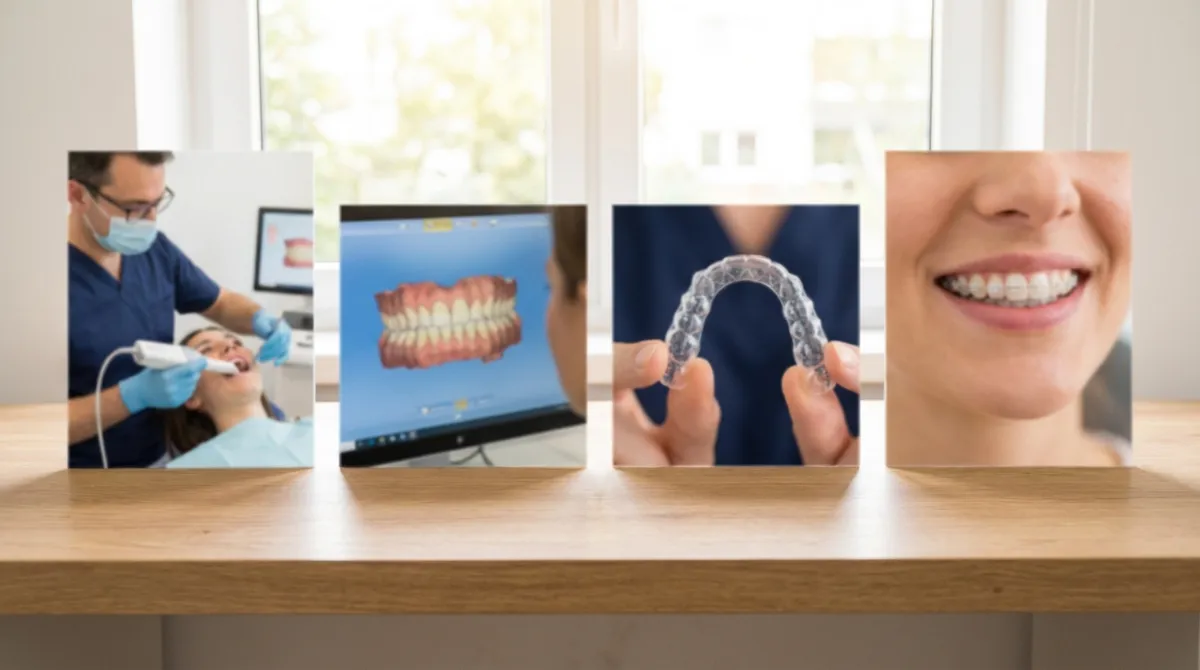
Beginning treatment with transparent teeth braces starts with a comprehensive orthodontic consultation. During this initial visit at Brockway Orthodontics, Dr. Brockway conducts a thorough examination including digital X-rays, photographs, and either physical impressions or digital scans of your teeth. This information creates a detailed map of your current dental positioning and allows the orthodontist to develop a customized treatment plan addressing your specific needs and goals.
For clear aligner treatment, the digital scan or impression is sent to the manufacturing laboratory where technicians use sophisticated software to design your complete series of aligners. This process includes creating a virtual representation of how your teeth will move throughout treatment, allowing you to visualize your projected final results before treatment even begins. Once approved, your custom aligners are manufactured and shipped to your orthodontist’s office, typically arriving within two to three weeks.
Ceramic braces require a bonding appointment where brackets are carefully attached to each tooth using dental adhesive. The orthodontist then threads wires through the brackets and secures them with small elastics or ties. This initial appointment typically takes one to two hours. Throughout treatment, patients return for adjustment appointments every four to eight weeks, where the orthodontist evaluates progress, changes wires, and makes necessary modifications to maintain proper tooth movement toward the treatment goal.
Treatment Duration and Expectations
Treatment length with transparent teeth braces varies based on case complexity and the specific system used. Clear aligner treatment for mild to moderate cases typically ranges from twelve to eighteen months, though simple spacing issues might resolve in as few as six months. More complex cases requiring comprehensive bite correction may extend to twenty-four months or longer. Ceramic braces generally require eighteen to twenty-four months for most cases, comparable to traditional metal braces timelines.
Patient compliance significantly impacts treatment duration, particularly with removable clear aligners. Wearing aligners for the recommended 20-22 hours daily ensures teeth move according to the predetermined schedule. Failing to wear aligners consistently can extend treatment considerably or compromise final results. With ceramic braces, compliance involves attending scheduled adjustment appointments, maintaining excellent oral hygiene, and following dietary guidelines to prevent bracket breakage that could delay treatment progress.
Regular monitoring throughout treatment ensures everything progresses as planned. Orthodontic services include periodic check-ups where your orthodontist evaluates tooth movement, addresses any concerns, and makes adjustments to optimize results. Some practices now incorporate remote monitoring technology, allowing patients to submit progress photos through smartphone apps, reducing the frequency of in-office visits while maintaining quality oversight of treatment progression.
Cost Considerations for Transparent Orthodontics
The investment in transparent teeth braces varies depending on treatment type, case complexity, geographic location, and practice-specific factors. Clear aligner treatment typically ranges from $3,000 to $8,000, with most cases falling in the $4,500 to $6,500 range. Ceramic braces generally cost between $4,000 and $8,000, usually representing a premium of $1,000 to $2,000 over traditional metal braces. These price differences reflect the advanced materials and technologies involved in creating transparent orthodontic systems.
Many orthodontic practices offer flexible financing options that make transparent teeth braces more accessible. Monthly payment plans allow patients to spread treatment costs over the duration of care, often with low or zero interest rates. Some practices work with third-party financing companies that provide extended payment terms beyond the treatment period. Insurance coverage varies—many dental insurance plans that include orthodontic benefits cover transparent braces similarly to traditional options, though some policies may have limitations or require higher copayments for aesthetic appliances.
When evaluating cost, consider the long-term value of orthodontic treatment beyond the immediate price tag. Properly aligned teeth contribute to better oral health, easier cleaning, reduced risk of dental problems, and improved confidence that can positively impact personal and professional life. The discretion offered by transparent braces provides additional value for patients who might otherwise postpone treatment due to appearance concerns, allowing them to invest in their smiles without interrupting their current lifestyle or professional image.
Maintaining Transparent Teeth Braces
Proper maintenance of transparent teeth braces ensures optimal treatment results and protects your investment. Clear aligners require daily cleaning to prevent discoloration and odor buildup. Rinse aligners with cool water whenever removing them, and brush them gently with a soft toothbrush and clear, antibacterial soap or specialized aligner cleaning solution. Avoid hot water, which can warp the plastic, and never use toothpaste, which may be too abrasive and cause cloudiness. Store aligners in their protective case when not being worn to prevent loss or damage.
Oral hygiene becomes especially important during orthodontic treatment. With clear aligners, brush and floss thoroughly after every meal before reinserting aligners to prevent trapping food particles and bacteria against teeth. This practice prevents cavities, gum disease, and staining. Ceramic braces require more attention to cleaning—use a soft-bristled toothbrush or specialized orthodontic brush to clean around brackets and under wires. Threading floss beneath wires or using floss threaders, interdental brushes, or water flossers helps maintain gum health throughout treatment.
Dietary considerations differ between aligner and ceramic braces. Clear aligner wearers enjoy complete dietary freedom since aligners are removed during meals. However, avoid drinking anything except water while wearing aligners to prevent staining and cavity formation. Ceramic braces patients should avoid hard foods like nuts, hard candies, and ice that might break brackets, as well as sticky foods like caramel and gum that can dislodge appliances. Cutting corn off the cob and slicing apples rather than biting directly helps protect ceramic brackets from damage.
Dealing with Discomfort and Adjustments
Some discomfort during transparent teeth braces treatment is normal as teeth adjust to new positions. With clear aligners, mild soreness typically occurs during the first few days of wearing each new set of trays. This discomfort indicates the aligners are working, applying appropriate pressure to move teeth. Over-the-counter pain relievers can help manage discomfort, and switching to new aligners before bedtime allows you to sleep through the initial adjustment period.
Ceramic braces may cause more initial discomfort as the mouth adjusts to having brackets and wires. Orthodontic wax applied over brackets that irritate cheeks or lips provides relief during the adaptation period. After adjustment appointments, teeth may feel sore for a day or two as they respond to the new wire activation. Eating softer foods during these periods and using pain relievers as needed helps manage discomfort until the soreness subsides.
Life After Transparent Teeth Braces Treatment
Completing transparent teeth braces treatment marks an exciting milestone, but maintaining results requires commitment to retention. After active treatment concludes, teeth have a natural tendency to shift back toward their original positions—a phenomenon called relapse. Retainers prevent this shift by holding teeth in their new, corrected positions while surrounding bone and soft tissues stabilize around them.
Most orthodontists recommend wearing retainers full-time for the first three to six months after treatment, then transitioning to nighttime-only wear indefinitely. Some patients receive fixed retainers—thin wires bonded to the back surfaces of front teeth—providing permanent retention without requiring daily insertion and removal. Clear retainers similar in appearance to aligners offer a discreet retention option that many patients prefer. Regardless of retainer type, consistent wear as prescribed protects the investment you’ve made in your smile.
Long-term oral health improves significantly after orthodontic treatment. Properly aligned teeth are easier to clean thoroughly, reducing risk of cavities and gum disease. Corrected bites distribute chewing forces evenly across teeth, minimizing excessive wear and reducing stress on jaw joints. Many patients report improved chewing function, clearer speech, and enhanced confidence that positively impacts their personal and professional lives. Regular dental checkups and good oral hygiene habits maintain these benefits for a lifetime.
Celebrating Your New Smile
The confidence that comes with a beautiful, straight smile extends far beyond aesthetics. Research consistently shows that people with attractive smiles are perceived as more confident, successful, and approachable. Many patients report increased willingness to smile in photos, greater comfort speaking in public, and improved self-esteem after completing orthodontic treatment. These psychological benefits complement the physical health improvements that properly aligned teeth provide.
Sharing your transformation journey can inspire others considering orthodontic treatment. Many patients enjoy documenting their progress through photos, showing the gradual improvements that transparent teeth braces provide. Social media platforms have created communities where people share their orthodontic experiences, offer support, and celebrate treatment milestones together. Your positive experience might encourage someone else to finally pursue the smile they’ve always wanted.
Choosing the Right Transparent Teeth Braces Option
Selecting the ideal transparent teeth braces system requires professional evaluation and honest discussion about your goals, lifestyle, and orthodontic needs. Schedule a consultation with an experienced orthodontist who offers multiple treatment options and can explain which approach best addresses your specific situation. During this consultation, ask questions about treatment duration, expected results, costs, and what daily life will be like during treatment. A qualified orthodontist provides realistic expectations and helps you make an informed decision.
Consider your lifestyle when choosing between clear aligners and ceramic braces. If you travel frequently, have an unpredictable schedule, or need maximum flexibility, clear aligners might suit you better. If you prefer not to worry about compliance or have complex orthodontic needs requiring fixed appliances, ceramic braces could be the better choice. Honest self-assessment about your ability to wear aligners consistently and maintain them properly helps determine which system will deliver the best results for your situation.
Experience and expertise matter when selecting an orthodontic provider. Look for orthodontists with extensive training in transparent teeth braces systems, positive patient reviews, and a portfolio of successful cases similar to yours. Visit Brockway Orthodontics on Google to read reviews from satisfied patients who have achieved beautiful results with transparent orthodontic treatment. The right provider combines technical skill with personal attention, ensuring your treatment journey is comfortable, efficient, and successful.
Conclusion: Investing in Your Smile with Confidence
Transparent teeth braces have transformed orthodontics, making it possible to achieve a stunning smile without the aesthetic concerns associated with traditional metal braces. Whether you choose clear aligners or ceramic braces, modern transparent orthodontic systems deliver effective results while maintaining your confidence throughout treatment. Understanding your options, maintaining realistic expectations, and working with an experienced orthodontist ensures your investment in transparent teeth braces yields the beautiful, healthy smile you deserve.
The decision to pursue orthodontic treatment represents an investment in your health, appearance, and self-confidence. Transparent teeth braces eliminate the barriers that once prevented people from seeking the smile correction they desired. With flexible financing, advanced technology, and discreet treatment options, there has never been a better time to explore how transparent orthodontics can transform your smile. Schedule your complimentary consultation today to discover which transparent teeth braces option is right for you and take the first step toward the confident, beautiful smile you’ve always wanted.
FAQs
Q: How long does treatment with transparent teeth braces typically take?
A: Treatment duration varies based on case complexity and the type of transparent braces chosen. Clear aligners typically require 12-18 months for mild to moderate cases, while ceramic braces generally take 18-24 months. Your orthodontist will provide a personalized timeline during your consultation based on your specific orthodontic needs and treatment goals.
Q: Are transparent teeth braces more expensive than traditional metal braces?
A: Transparent teeth braces typically cost slightly more than traditional metal braces, with clear aligners ranging from $3,000-$8,000 and ceramic braces costing $4,000-$8,000. The additional cost reflects advanced materials and technology. However, many orthodontic practices offer flexible financing options, and dental insurance often covers transparent braces similarly to traditional options, making them accessible to most patients.
Q: Can transparent teeth braces fix all orthodontic problems?
A: Clear aligners effectively treat mild to moderate orthodontic issues including spacing, minor crowding, and certain bite irregularities. Ceramic braces can address virtually all orthodontic problems, including severe crowding, complex bite corrections, and significant tooth rotations. During your consultation, an experienced orthodontist will evaluate your specific case and recommend the most appropriate transparent option for achieving optimal results.
Q: Do I need to change my diet with transparent teeth braces?
A: Dietary restrictions depend on the type of transparent braces you choose. Clear aligner wearers have no dietary restrictions since aligners are removed during meals, though you should only drink water while wearing them. Ceramic braces patients should avoid hard foods like nuts and ice, as well as sticky foods like caramel, to prevent bracket damage and maintain treatment progress.
Q: How do I keep transparent teeth braces clean and prevent staining?
A: For clear aligners, rinse with cool water when removing them, brush gently with a soft toothbrush and clear soap daily, and store in their protective case when not wearing. Always brush and floss teeth before reinserting aligners. For ceramic braces, use a soft-bristled orthodontic brush to clean around brackets and wires, floss daily using threaders or water flossers, and maintain regular dental checkups to ensure optimal oral hygiene throughout treatment.