Key Takeaways
-
Braces typically require 12-24 months of treatment, but timeline varies based on case complexity and patient compliance with wearing elastics, attending appointments, and protecting appliances.
-
After braces are fitted, expect mild soreness and cheek irritation for 3-5 days, manageable with over-the-counter pain relievers, cold foods, and orthodontic wax on brackets.
-
You'll need adjustment appointments every 4-10 weeks to check tooth movement and make wire or elastic adjustments; consistency with these visits directly impacts treatment speed and results.
-
Avoid hard, sticky, and crunchy foods like ice, candy, and popcorn that can damage brackets or bend wires and slow treatment; soft foods like pasta, yogurt, and cooked vegetables are safer options.
-
Oral hygiene becomes critical with braces—brush after every meal with a soft brush, angle around brackets, use floss threaders, and continue regular dental checkups every six months.
-
Retainer wear after braces come off is essential because teeth naturally shift back; skipping this step is one of the most common patient regrets, so commit to your orthodontist's recommended retainer schedule.
Getting braces is a big step, and it’s normal to feel a mix of excitement and nerves. Maybe you’re a parent watching your child head into their first orthodontic appointment. Maybe you’re an adult finally ready to fix that smile you’ve been self-conscious about for years. Either way, knowing what to expect braces will bring makes the whole journey feel a lot less scary. At Brockway Orthodontics, we’ve walked thousands of Clearwater families through this process, and we love answering the same questions over and over because we know how much they matter to you.
This guide walks you through the entire braces journey. We’ll cover your first visit, the fitting appointment, what soreness feels like, eating with brackets, keeping your teeth clean, and what happens after your braces come off. By the end, you’ll feel ready and confident about what’s ahead.
How Braces Actually Work
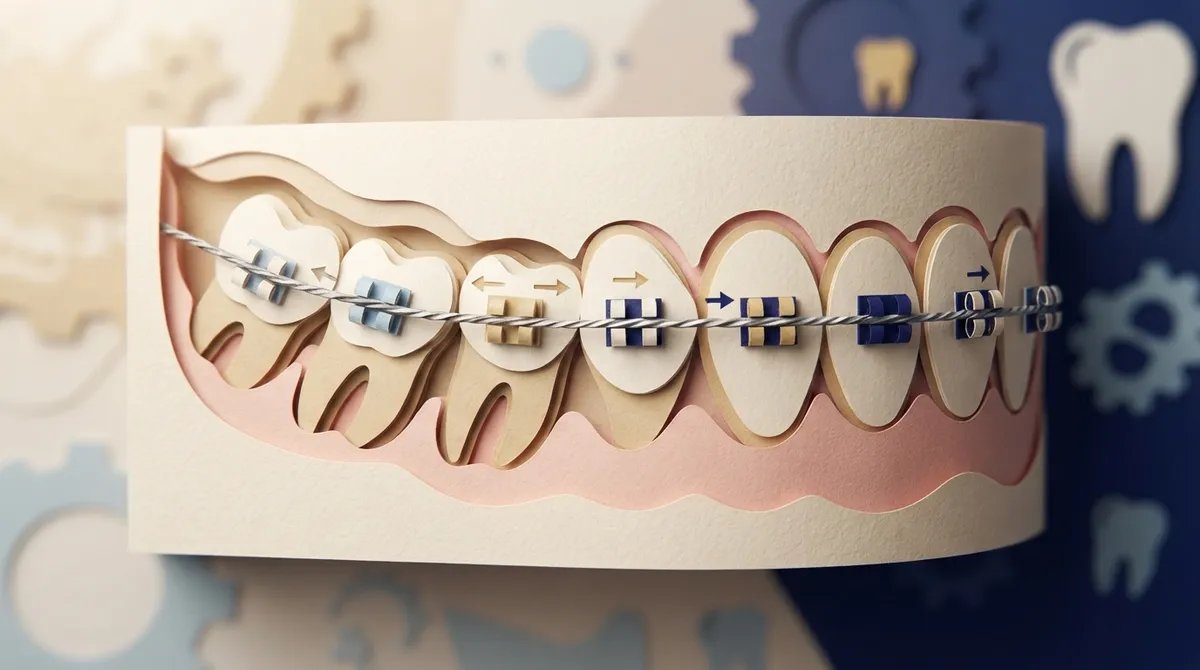
Braces use small parts called brackets, bands, and wires. These pieces work together to apply gentle, steady pressure on your teeth. Over time, that pressure moves your teeth into a straighter, healthier position. The American Association of Orthodontists explains that this slow, controlled movement is what makes braces so effective at fixing crooked teeth and bite problems.
It might sound simple, but there’s real science behind it. Your bone and gum tissue actually respond to the pressure and reshape themselves around your teeth. This is why patience matters so much during treatment. Learning more about how braces work can help you understand why each adjustment appointment counts.
Your First Orthodontist Visit: What Happens
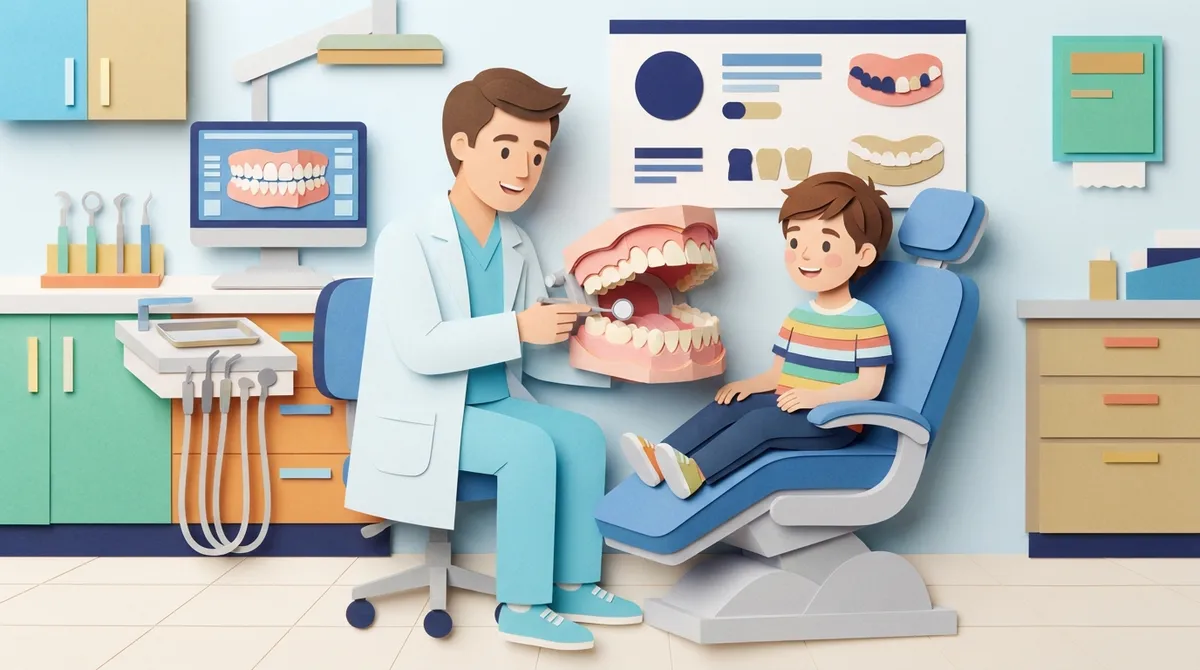
Your journey usually starts with one or two consultation visits before any braces get placed. This is where Dr. Brockway gets to know you and your smile goals.
What Usually Happens During Your Consultation
- The orthodontist takes photos of your teeth and face.
- X-rays or digital scans capture the position of your teeth and jaw.
- Impressions or digital scans create a 3D model of your mouth.
- The team reviews your medical and dental history.
- Dr. Brockway discusses a personalized treatment plan with you.
This step is important because every smile is different. Your treatment plan should match your specific needs, not a one-size-fits-all approach. You can learn more about your first visit so you know exactly what to bring and expect.
Getting Your Braces Fitted
The fitting appointment is typically the longest one you’ll have. Some hospital guidance notes that this visit may take up to about 60 minutes, though it can vary based on your specific case.
During this appointment, brackets get bonded to each tooth. Then an archwire is placed and secured with small ties or bands. The good news? This part usually doesn’t hurt. Most patients say it feels more strange than painful, kind of like having something new in your mouth for the first time.
What You Might Feel After the Fitting
- Mild soreness or pressure in your teeth for a few days
- Irritation on your cheeks or lips as they adjust to the brackets
- A strange feeling when you bite down or chew
- Slight difficulty talking clearly at first
Orthodontic wax can help protect your cheeks while they get used to the brackets. Soft foods also make those first few days much more comfortable. This adjustment period is temporary, and most patients feel back to normal within a week.
Do Braces Hurt? Setting Realistic Expectations
This is one of the most common questions we hear from patients considering adolescent treatment or adult treatment. The honest answer is that braces cause some discomfort, but it’s manageable and short-term.
| Stage of Treatment | What You Might Feel | How Long It Lasts |
|---|---|---|
| Initial fitting | Pressure, soreness, cheek irritation | 3-5 days |
| Adjustment visits | Mild tooth soreness | 1-3 days |
| New wire changes | Tightness feeling | 2-4 days |
| Wearing elastics | Jaw fatigue, minor soreness | Ongoing, mild |
Over-the-counter pain relievers, cold foods, and warm salt water rinses can help ease this discomfort. If pain lasts longer than a few days or feels severe, that’s when you should call your orthodontic office.
Regular Appointments: What to Expect Braces Maintenance Requires
Once your braces are on, you’ll need to visit the office regularly. These follow-up visits let your orthodontist check your progress and make small adjustments to keep your treatment moving forward.
According to NHS guidance, adjustment visits are commonly scheduled every 4 to 10 weeks. The American Association of Orthodontists generally describes visits happening about every 6 to 10 weeks, though timing can shift depending on where you are in treatment.
What Happens at a Typical Adjustment Visit
- The orthodontist checks how your teeth have moved since the last visit.
- Wires may be replaced or tightened.
- New elastics or small rubber bands might be added.
- Any loose brackets get fixed or replaced.
- The team answers any questions you have about your progress.
These appointments are quick, usually much shorter than your initial fitting. Sticking to your schedule helps keep your treatment on track and can even help you finish sooner.
How Long Do Braces Take?
This is probably the question we hear most often. The truthful answer is: it depends on your specific case.
- The American Association of Orthodontists reports many patients wear braces for about 12 to 24 months.
- NHS guidance gives a broader range of about 12 months to 2.5 years for typical cases.
- Some NHS treatment resources note that results can take anywhere from 6 to 30 months depending on complexity and how well you follow instructions.
- Simple cases with minor crowding may finish faster than complex bite corrections.
Your commitment matters too. Wearing elastics as directed, attending every appointment, and protecting your appliances all help keep things moving. Curious about your own timeline? A conversation with Dr. Brockway during your consultation can give you a clearer picture. You can also read more about how long braces take to work for additional detail.
Eating With Braces: Foods to Enjoy and Avoid
Your diet will need a few adjustments once your braces go on. Hard, sticky, and crunchy foods can damage brackets or bend wires, which can slow down your treatment.
Foods That Can Damage Your Braces
- Hard candy and toffee
- Chewing gum
- Ice cubes
- Popcorn
- Raw carrots, apples, and other hard fruits or vegetables (unless cut into small pieces)
- Sticky candies like caramels
Braces-Friendly Foods You Can Enjoy
- Soft fruits like bananas and berries
- Yogurt and soft cheeses
- Pasta and rice dishes
- Well-cooked vegetables
- Soups and smoothies
- Soft breads and pancakes
You should also limit sugary and acidic drinks, since they can contribute to tooth decay around your brackets. Our team put together a helpful guide on what you can eat with braces to make meal planning easier for your family.
Keeping Your Teeth Clean With Braces
Oral hygiene becomes more important, and more challenging, once you have braces. Food particles love to hide around brackets and under wires, so your normal brushing routine needs an upgrade.
Steps for Better Brushing With Braces
- Brush after every meal using fluoride toothpaste.
- Angle your toothbrush to clean above and below each bracket.
- Use a soft-bristled brush or an electric toothbrush designed for braces.
- Follow up with interdental brushes or floss threaders to clean between teeth.
- Rinse with mouthwash to reach any spots you might have missed.
Regular dental checkups matter just as much during treatment. The American Dental Association recommends checkups at least every six months, and the American Association of Orthodontists agrees that continuing to see your general dentist during orthodontic treatment is important. Our blog on how to brush your teeth with braces offers more detailed tips.
When Something Goes Wrong: Braces Emergencies
Sometimes brackets loosen or wires poke out. This isn’t usually a true emergency, but it does need attention.
Signs You Should Call Your Orthodontic Office
- A bracket has come loose or fallen off
- A wire is poking your cheek or gum
- Pain lasts longer than a few days after an adjustment
- Your gums are very red, swollen, or bleeding heavily
- You notice a broken or bent appliance
Never ignore a broken appliance. It can delay your treatment timeline or cause injury inside your mouth. If this happens, reach out right away and contact us so we can get you seen quickly.
Life After Braces: Retainers and Long-Term Care
Once your active treatment ends, your braces come off, but your journey isn’t quite finished. Teeth naturally want to shift back toward their original position, so retainers play a huge role in protecting your results.
Your orthodontist will decide whether a removable retainer, a fixed retainer, or a combination works best for you. Some patients wear retainers full-time at first, then switch to nighttime wear only. Skipping this step is one of the most common regrets we hear from patients later on. Learn more about our retainer options to understand what your specific plan might look like.
Braces Options at Brockway Orthodontics
Every smile is different, which is why we offer a range of treatment options for kids, teens, and adults across Clearwater.
| Treatment Option | Best For | Key Benefit |
|---|---|---|
| Metal Braces | Complex bite corrections, kids and teens | Durable and highly effective |
| Ceramic (Clear) Braces | Teens and adults wanting a subtle look | Blends with tooth color |
| Spark™ Clear Aligners | Adults and teens seeking discreet treatment | Removable and nearly invisible |
Dr. Brockway takes time to explain each option clearly, so you feel confident choosing the right path for your lifestyle. If you’re curious about a more discreet option, check out our Spark™ Clear Aligners page for details.
Why Families Across Clearwater Choose Brockway Orthodontics
We believe orthodontic care should feel personal, not rushed. Dr. Brockway takes the time to listen to your goals and answer every question, no matter how small it seems. Our office uses modern technology, including digital impressions and 3D imaging, so your treatment plan is precise and comfortable from day one.
We also understand that life gets busy. In certain cases, we offer same-day treatment options so you can start your journey without scheduling multiple visits. Whether you’re exploring early treatment for a young child or considering braces as an adult, our team is here to guide you every step of the way. You can also check our Florida Association of Orthodontists membership as another sign of our commitment to quality care standards.
Want to see what other families are saying? Visit us on Google — Brockway Orthodontics to read real reviews from patients right here in Clearwater. You can also follow along with patient stories and smile transformations on our Instagram page.
Final Thoughts on Your Braces Journey
Knowing what to expect braces will bring can turn nervousness into confidence. From your first consultation to the day your retainer becomes part of your nightly routine, every step has a purpose. Soreness fades, eating adjustments become second nature, and before you know it, you’ll be looking at a straighter, healthier smile in the mirror.
If you’re ready to start your own journey or just want answers to your specific questions, our friendly Clearwater team is here for you. Book your appointment online today and let’s talk about the smile you’ve been dreaming about.
FAQs
Q: How long do braces take to work?
A: Most patients wear braces for about 12 to 24 months, though it really depends on your specific smile. Some simple cases finish faster, while more complex bites can take a bit longer. The best way to get a real timeline is to chat with Dr. Brockway during your consultation!
Q: Do braces hurt when they’re put on or adjusted?
A: The fitting itself usually doesn’t hurt at all, but you might feel some soreness for a few days afterward. Adjustment visits can cause mild pressure too, but it fades quickly. Soft foods and a little patience go a long way during those first few days.
Q: What foods should I avoid with braces?
A: Steer clear of hard, sticky, and crunchy foods like ice, hard candy, and popcorn since they can damage your brackets. Soft foods like pasta, yogurt, and cooked veggies are your best friends during treatment. Don’t worry, there are still plenty of delicious options to enjoy!
Q: How often do I need to see the orthodontist while wearing braces?
A: You’ll typically visit every 4 to 10 weeks so we can check your progress and make small adjustments. These visits are quick and help keep your treatment moving along smoothly. Consistent appointments really do make a difference in your final results.
Q: Do I need to wear a retainer after my braces come off?
A: Yes, retainers are a must-have after braces because teeth naturally want to shift back over time. Dr. Brockway will help you figure out the best type and schedule for your lifestyle. Think of it as the final step that protects all your hard work!
Our Service Area