Key Takeaways
-
Clear aligners require 20-22 hours daily wear and self-discipline, making them better for responsible teens and adults; braces are fixed in place and work without compliance, ideal for younger children or those needing guaranteed results.
-
Braces handle complex cases like severe crowding, bite problems, and jaw misalignments more effectively; clear aligners work best for mild to moderate alignment issues like small gaps and minor crowding.
-
Treatment costs are comparable ($3,000-$7,000 range), but braces are often the most affordable starting point; insurance coverage varies for both, and flexible financing options can make either treatment accessible.
-
Clear aligners are nearly invisible and removable for eating/brushing with no food restrictions; braces require avoiding sticky and hard foods but offer smoother ceramic options that blend in naturally.
-
Average treatment time is 12-18 months for aligners versus 18-24 months for braces, but actual duration depends on case complexity and patient compliance with wearing instructions.
-
Retainers are essential after either treatment to prevent orthodontic relapse; teeth naturally shift back without consistent retainer wear, so protecting your investment long-term requires ongoing retainer use.
Thinking about straightening your teeth? You’re not alone! In 2026, more people than ever are taking the leap toward a healthier, more confident smile. But one big question keeps coming up: clear aligners vs braces — which one is actually the better choice?
The good news is that both options work really well. The “best” choice simply depends on your lifestyle, your goals, and the specific alignment issues your orthodontist needs to address. Whether you’re a parent researching options for your child, a teen who wants something less noticeable, or a working adult looking for a discreet fix, this guide will walk you through everything you need to know. Let’s break it all down in a friendly, easy-to-follow way so you can feel confident about your next step!

What Are Braces and How Do They Work?
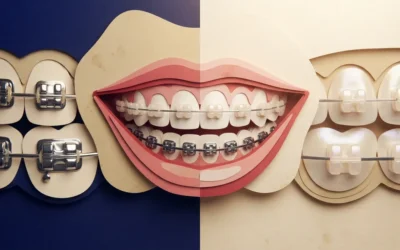
Braces are the classic go-to for straightening teeth. They use small metal or ceramic brackets bonded to your teeth, connected by a wire. Your orthodontist adjusts that wire over time to gently guide your teeth into the right position. You can learn more on the All About Braces page.
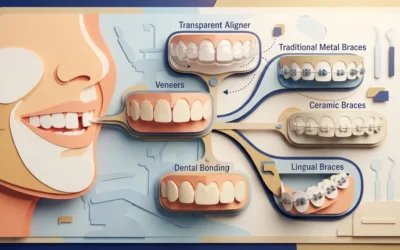
Traditional metal braces are the most common type. They’re durable, effective, and often the most affordable option. Ceramic (clear) braces work the same way but use tooth-colored brackets that blend in much more naturally. Both are fixed to your teeth, meaning you can’t take them out — which is actually a big advantage for complex cases.
Types of Braces Available
- Metal braces: Strong, cost-effective, and great for all ages
- Ceramic (clear) braces: Less visible than metal, still highly effective
- Self-ligating braces: Use a special clip instead of rubber bands, often more comfortable

What Are Clear Aligners and How Do They Work?
Clear aligners are custom-made plastic trays that fit snugly over your teeth. You wear each set of trays for about one to two weeks before switching to the next set in the series. Gradually, your teeth shift into alignment. Because they’re removable and nearly invisible, they’ve become a hugely popular option — especially for teens and adults. Check out Spark™ Clear Aligners to see what Brockway Orthodontics offers.
At Brockway Orthodontics, we offer Spark™ Clear Aligners, a top-quality and more affordable clear aligner option. They’re made from a highly clear, stain-resistant material that makes them comfortable to wear throughout your day. The American Dental Association recognizes clear aligners as an effective orthodontic treatment when properly supervised by a licensed orthodontist.
How Clear Aligners Fit Into Your Life
- Nearly invisible when worn
- Removable for eating, drinking, and brushing
- Custom-made using digital impressions
- Replaced every 1–2 weeks as teeth shift
- Require wearing 20–22 hours per day for best results
Clear Aligners vs Braces: A Side-by-Side Comparison
Let’s make this easy. Here’s a quick comparison table of the most important factors when weighing clear aligners vs braces. This will help you and your family see the differences at a glance.
| Feature | Clear Aligners | Braces (Metal/Ceramic) |
|---|---|---|
| Visibility | Nearly invisible | More noticeable (metal); subtle (ceramic) |
| Removable | Yes | No |
| Comfort | Smooth plastic, minimal irritation | May cause some initial soreness |
| Eating restrictions | None (remove to eat) | Some foods to avoid |
| Oral hygiene | Easier to brush and floss | Requires more careful cleaning |
| Complex cases | Moderate complexity | Handles most complex cases |
| Treatment compliance | Requires self-discipline (must wear 20–22 hrs) | Fixed, no compliance needed |
| Cost | Comparable to braces | Often most affordable starting point |
Who Is a Good Candidate for Clear Aligners?
Clear aligners work best for mild to moderate alignment issues. If your teeth have small gaps, minor crowding, or slight spacing problems, aligners can be a fantastic solution. They’re especially popular with teens and adults who prefer a low-profile look during treatment. You can explore more on the Adult Treatment page.
The key requirement? Discipline. You need to wear your aligners for 20 to 22 hours per day. If you or your child tends to misplace things or forget to put them back in after meals, braces might actually be the more reliable option. For help deciding, schedule your first visit to get a personalized recommendation.
Clear Aligners Are Often Great For
- Adults and teens who want a discreet treatment option
- Patients with mild to moderate crowding or spacing
- People who play contact sports or wind instruments
- Those who prioritize easy oral hygiene during treatment
- Patients who have experienced orthodontic relapse and need minor correction
Who Is a Good Candidate for Braces?
Braces are the powerhouse of orthodontic treatment. They can handle a wider range of issues — from severe crowding and bite problems to complex jaw misalignments. Because they’re fixed in place, they work around the clock without relying on patient compliance. This makes them a great choice for younger kids and teens who may not yet have the responsibility to manage removable trays. Learn more about Adolescent Treatment options available at Brockway Orthodontics.
Braces are also ideal for patients with significant overbites, underbites, or crossbites that require precise, powerful correction. If your case is more complex, Dr. Brockway will likely recommend braces as the most effective path to your best smile. For more on how braces fix a deep overbite, check out that helpful guide.
Braces Are Often the Best Fit For
- Children and young teens in active growth phases
- Patients with severe crowding, spacing, or bite issues
- Those who need precise tooth movement over a long treatment period
- Patients who may struggle with aligner compliance
- Cases involving jaw alignment or complex bite correction
Comfort and Lifestyle: What to Expect
Both treatments involve an adjustment period. With braces, you may feel some soreness after each adjustment appointment as your teeth begin moving. The brackets and wires can occasionally irritate the inside of your cheeks, though most patients adjust quickly. Check out 14 things to expect your first week with braces so you’re fully prepared.
Clear aligners tend to feel smoother, with no sharp edges. However, each new tray may cause mild pressure for the first day or two. The bigger lifestyle consideration is eating — with braces, you’ll avoid certain sticky and hard foods. With aligners, you remove the trays before meals, so your diet stays completely flexible. See what foods to avoid with clear aligners for helpful tips.
Treatment Time: How Long Does Each Take?
Treatment length varies for every patient, but here’s a general overview to set expectations.
| Treatment Type | Average Duration | Factors That Affect Time |
|---|---|---|
| Metal Braces | 18–24 months | Severity of misalignment, patient age |
| Ceramic Braces | 18–24 months | Similar to metal; slightly more gentle |
| Clear Aligners | 12–18 months | Compliance with wear time, case complexity |
Keep in mind that these are averages. Some patients finish faster; others need more time. Wearing your aligners as directed and keeping all orthodontic appointments is the best way to stay on track. Find out more about how long braces take based on different scenarios.
Cost Comparison: Clear Aligners vs Braces
One of the most common questions we hear is, “Which is more affordable?” The honest answer is: it depends on your specific treatment plan. Both options fall in a similar price range, though the complexity of your case, treatment length, and the type of appliance all play a role. For a deeper dive, explore clear aligners vs braces cost — which is worth it?
| Treatment | General Price Range | Covered by Insurance? |
|---|---|---|
| Metal Braces | $3,000 – $6,000 | Often partially covered |
| Ceramic Braces | $3,500 – $7,000 | Sometimes partially covered |
| Clear Aligners (Spark™) | $3,000 – $6,500 | Sometimes partially covered |
At Brockway Orthodontics, we believe cost should never be a barrier to a beautiful smile. We offer flexible financing and insurance options to make treatment accessible for families of all budgets. You can also learn how to use dental insurance to help pay for braces before your consultation.
After Treatment: The Importance of Retainers
No matter which treatment you choose, retainers are a must once your braces or aligners come off. Teeth have a natural tendency to shift back to their original position — a frustrating process known as orthodontic relapse. Retainers keep your new smile locked in place for the long term. Learn all about retainers and why they matter so much after treatment.
At Brockway Orthodontics, we’ll make sure you have the right retainer plan in place before you finish treatment. The Florida Association of Orthodontists also emphasizes the importance of consistent retainer wear to maintain long-term orthodontic results. Don’t let all that hard work go to waste!
How Dr. Brockway Helps You Decide
Choosing between clear aligners vs braces doesn’t have to feel overwhelming. At Brockway Orthodontics, Dr. Brockway takes the time to listen to your concerns, evaluate your smile, and recommend the treatment that fits your life best. She uses modern digital imaging to plan your treatment with precision and walks you through every option in a friendly, easy-to-understand way.
You can visit us on Google — Brockway Orthodontics to read reviews from real patients who have gone through this exact decision. Their experiences speak volumes about the care and commitment our team brings to every smile. Whether you’re leaning toward aligners or braces, we’re here to guide you every step of the way.
Quick Decision Guide: Which Should You Choose?
Still not sure? Here’s a simple summary to help point you in the right direction based on your situation:
- Choose clear aligners if: You’re an adult or responsible teen, have mild to moderate alignment issues, and want a nearly invisible treatment
- Choose braces if: You have complex bite issues, are a younger patient, or want a treatment that works without requiring daily compliance
- Ask Dr. Brockway: When in doubt, a free consultation gives you a professional recommendation tailored to your unique smile
You can also browse related guides like Braces vs. Clear Aligners: Which Orthodontic Journey Is Right for You? and Traditional Braces vs. Clear Aligners: Which Plan Wins? for even more helpful perspectives. The Brockway Orthodontics Instagram is also a fun place to see real patient smiles and treatment transformations!
Your Smile Journey Starts Here
The great news about the clear aligners vs braces debate is that there’s no wrong answer — just the right one for YOU. Both options are backed by decades of orthodontic science, and both can give you the stunning, healthy smile you deserve. The key is working with an experienced orthodontist who listens to your needs and crafts a plan built around your life.
At Brockway Orthodontics in Clearwater, Florida, we’re proud to offer braces, Spark™ Clear Aligners, and personalized care for patients of all ages. From your very first visit to the day your retainer is fitted, our team is right there with you — cheering you on every step of the way. Schedule your free consultation today and let’s find the perfect path to your best smile together!
FAQs
Q: Are clear aligners as effective as braces?
A: Yes! For mild to moderate alignment issues, clear aligners are just as effective as braces. However, for more complex bite problems or severe crowding, braces often provide more powerful and precise results. Dr. Brockway will help you determine which option is best for your unique smile during your consultation.
Q: Can teenagers use clear aligners instead of braces?
A: Absolutely — many teens are great candidates for clear aligners! The most important factor is commitment: aligners need to be worn 20 to 22 hours per day to work properly. For teens who are responsible and motivated, clear aligners can be a wonderful, discreet option. Check out our adolescent treatment page to learn more!
Q: Do clear aligners or braces hurt more?
A: Both treatments involve some mild discomfort, especially at the beginning or after adjustments. Braces may cause slight irritation from brackets and wires, while aligners tend to feel smoother but can cause pressure with each new tray. Most patients find both very manageable — and the end result is totally worth it!
Q: How do I know which treatment is right for me?
A: The best way to find out is to schedule a consultation with an orthodontist like Dr. Brockway. She’ll evaluate your teeth, discuss your lifestyle and goals, and recommend the most effective treatment for your smile. At Brockway Orthodontics, your first consultation is completely free — so there’s no reason not to get started!
Q: Will I need a retainer after clear aligners or braces?
A: Yes — retainers are an important final step no matter which treatment you choose! After braces or aligners, your teeth need time to stabilize in their new positions. Wearing your retainer as directed helps keep your smile looking great for years to come. Think of it as protecting your investment in your beautiful new smile!
Our Service Area