Key Takeaways
-
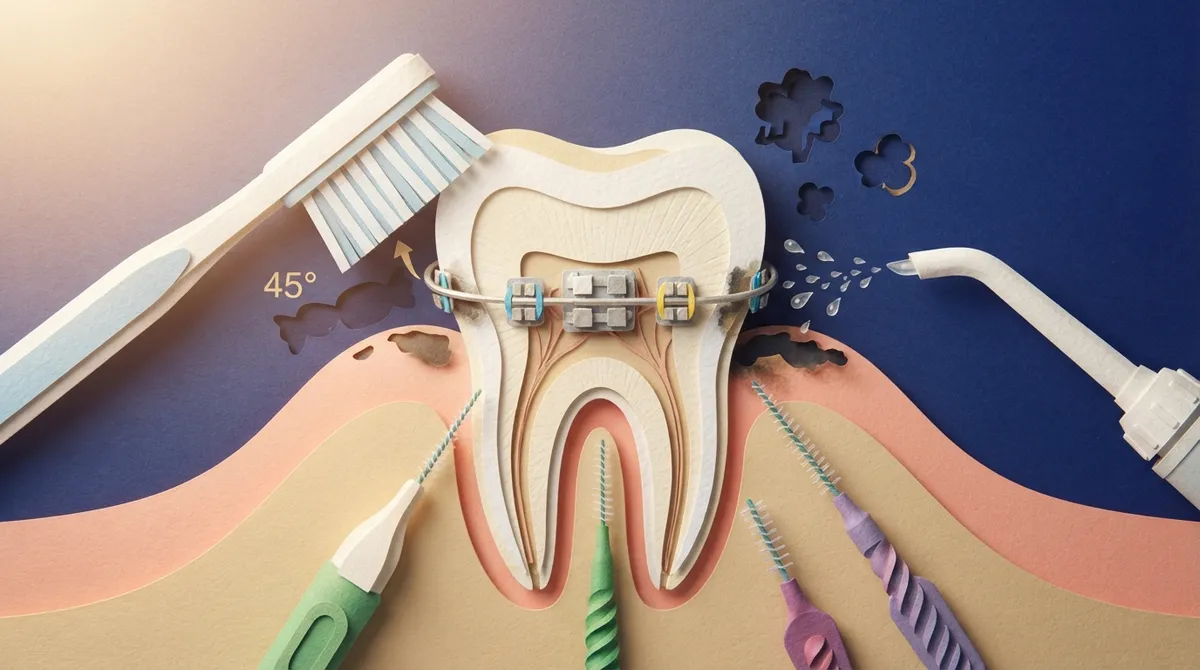
Brush at least three times daily for 3+ minutes with a soft-bristled or electric toothbrush, angling at 45 degrees toward the gumline, as food particles hide in brackets and plaque builds faster than without braces.
-
Floss daily using a threader or water flosser to reach under archwires, as traditional flossing is difficult but essential to prevent decay and gum inflammation around brackets.
-
White spot lesions (permanent enamel discoloration) develop when plaque sits too long on teeth; prevent them through consistent brushing, flossing, and fluoride rinse before bed throughout treatment.
-
Use specialized cleaning tools including interdental brushes around brackets, electric toothbrushes for plaque removal, and water flossers as alternatives to traditional floss.
-
Avoid sticky, hard, and sugary foods like caramel, popcorn, and hard candy that cling to brackets and wires, making them impossible to clean and risking bracket damage.
-
Maintain professional dental cleanings every six months during orthodontic treatment, as dentists use specialized tools to access areas difficult to reach at home and catch early decay.
Getting braces is exciting. You’re on your way to a smile you’ll love showing off. But here’s something many patients don’t expect: keeping your teeth clean gets a little trickier once brackets and wires enter the picture. Food particles love to hide in new places, and plaque can build up faster than you’d think. The good news? With the right habits, you can keep your teeth sparkling and healthy the whole time you’re in treatment.
At Brockway Orthodontics in Clearwater, we see patients of all ages navigate this exact challenge every day. Whether you’re a parent helping your teen remember to brush, a busy professional wearing clear aligners, or an adult getting a second chance at that dream smile, teeth cleaning with braces matters more than you might realize. Let’s walk through everything you need to know, so your treatment ends with a healthy, bright smile instead of surprise cavities.
Why Teeth Cleaning With Braces Deserves Extra Attention
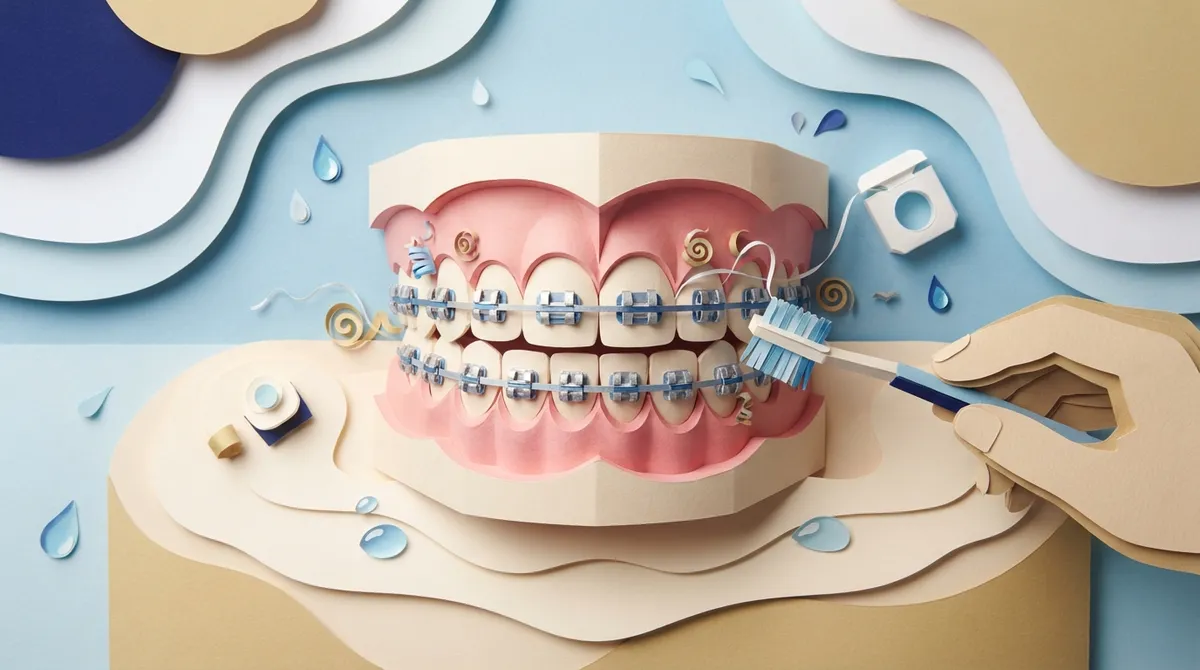
Braces do amazing work moving your teeth into place. But brackets, bands, and wires create tiny nooks where food and bacteria can hide. If plaque sits too long, it can lead to cavities, swollen gums, or those frustrating white spots that appear once braces come off.
Think of your braces like a beautiful piece of furniture with lots of little grooves and corners. Dust collects in those spots faster than on a flat table. Your teeth work the same way once brackets are attached. That’s why a little extra effort during treatment pays off big time later.
What Happens If Plaque Builds Up During Treatment
When plaque isn’t removed regularly, it hardens into tartar. Tartar irritates gums and can cause them to swell or bleed. Over time, this can lead to decay around the brackets, which is the last thing anyone wants after investing time and effort into a straighter smile.
- White spot lesions (permanent discoloration around where brackets sat)
- Cavities that may require dental treatment during orthodontic care
- Gum inflammation or gingivitis
- Bad breath caused by trapped food particles
- Longer treatment times if oral health problems arise
How Often Should You Brush With Braces
This is one of the most common questions we hear at our Clearwater office. The short answer: more often than you did before braces.
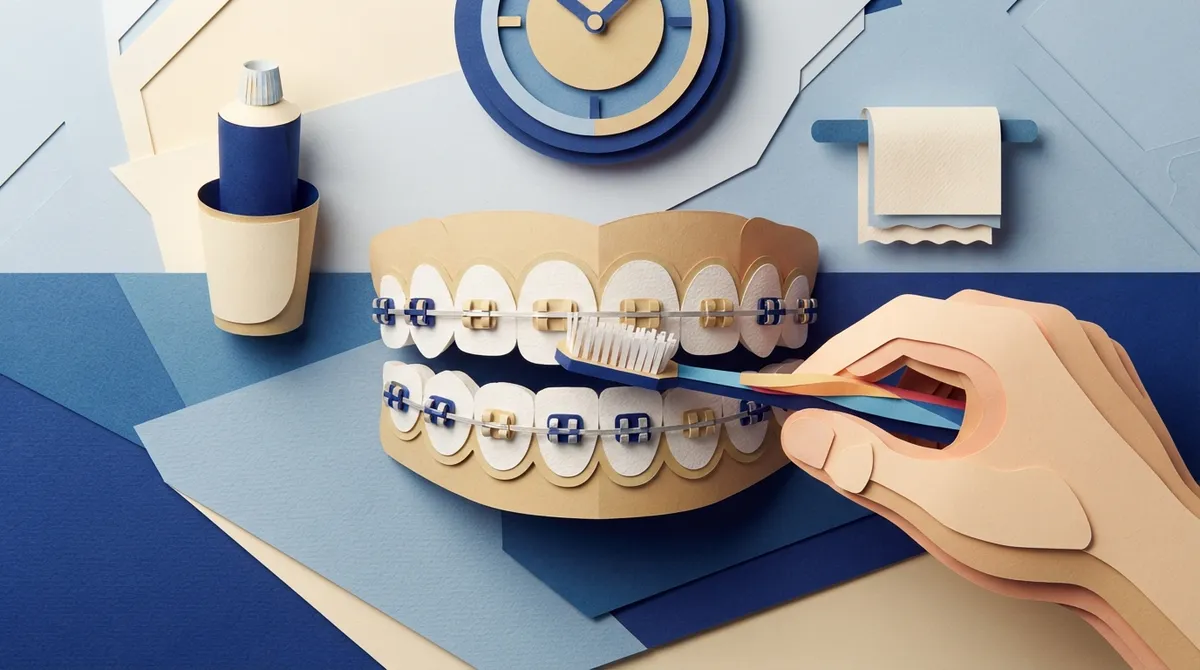
Many orthodontic guides recommend brushing three times a day for at least three minutes each session. Some pediatric dental sources go even further, suggesting brushing five times a day for five minutes when you’re wearing braces. The point isn’t to be obsessive. It’s to make sure food doesn’t sit on your teeth for hours between cleanings.
A Simple Daily Routine That Works
- Brush after breakfast for at least two minutes, angling your brush at 45 degrees toward the gumline
- Brush again after lunch or snacks, especially if you’re at school or work
- Floss using a threader or water flosser before your evening brushing session
- Brush thoroughly before bed, spending extra time around each bracket
- Rinse with a fluoride mouthwash to help strengthen enamel overnight
This routine might feel like a lot at first, but it becomes second nature within a couple of weeks. Parents of younger patients often find it helpful to set a timer or use a fun playlist to make brushing time go faster for kids.
Best Tools for Cleaning Teeth Around Brackets and Wires
Not every toothbrush or floss works well with braces. Choosing the right tools makes a huge difference in how thoroughly you can clean.
| Tool | Best For | Why It Helps |
|---|---|---|
| Soft-bristle toothbrush | Daily brushing | Gentle on gums, effective around brackets |
| Electric toothbrush | Thorough plaque removal | Vibrations help dislodge stuck food particles |
| Interdental (proxy) brush | Cleaning around wires and brackets | Small bristled tip reaches tight spaces |
| Floss threader | Flossing under archwires | Guides floss beneath wires easily |
| Water flosser | Rinsing away debris | Uses water pressure to flush out particles |
Many patients find that combining a few of these tools works best. For example, brushing with an electric toothbrush, then following up with an interdental brush around each bracket, catches almost everything a regular brush might miss.
How to Floss With Braces the Right Way
Flossing with braces takes a bit more patience, but it’s absolutely doable. Here’s a simple approach:
- Thread the floss under the archwire using a floss threader
- Gently guide the floss between two teeth
- Curve the floss into a C-shape around each tooth
- Move the floss up and down gently, avoiding snapping it against the gums
- Repeat for every space between your teeth, including behind your back molars
If traditional flossing feels frustrating, a water flosser can be a great alternative. Many patients say it saves time and feels more comfortable, especially during the first few weeks of treatment.
Can You Still Get Professional Teeth Cleanings With Braces
Yes, absolutely. In fact, professional cleanings become even more important once you have braces. Your dentist can clean areas that are harder to reach at home and check for any early signs of decay or gum trouble.
Most orthodontic patients continue seeing their general dentist for cleanings every six months, just like before braces. Some patients with a higher risk for cavities may need to visit more often. Your orthodontist and dentist often work together to keep your smile on track throughout treatment.
What Happens During a Cleaning With Braces
Dental hygienists use special tools designed to clean carefully around brackets and wires without damaging them. This might include:
- Smaller scaling tools that fit around brackets
- Polishing tools that avoid pulling on wires
- Fluoride treatments to strengthen enamel
- A thorough check for any early white spots or decay
If you’re unsure whether your teeth are ready for a cleaning appointment, our team at Brockway Orthodontics is happy to coordinate timing with your dentist to make sure everything stays on schedule.
Foods That Make Cleaning Harder (And Ones That Help)
What you eat plays a big role in how easy or hard cleaning becomes. Sticky, chewy, and sugary foods tend to cling to brackets and wires, making them tough to clean out completely.
| Foods to Limit | Why They’re Tricky |
|---|---|
| Caramel, taffy, gum | Sticky texture pulls at brackets and traps in wires |
| Popcorn | Hulls get stuck between teeth and gums |
| Hard candy | Can crack brackets or wires |
| Soda and sugary drinks | Feeds bacteria that cause plaque buildup |
| Corn on the cob | Hard to bite without damaging brackets |
On the flip side, foods like yogurt, soft fruits, cooked vegetables, and lean proteins are easy on your braces and simple to clean away afterward. For more tips on what to eat and avoid, check out our guide on good foods for braces.
Cleaning Tips for Clear Aligners Versus Traditional Braces
If you’re wearing Spark™ Clear Aligners instead of traditional braces, cleaning looks a little different. Since aligners are removable, you don’t have to work around brackets and wires. However, you do need to clean your aligners themselves, not just your teeth.
Simple Steps for Aligner Care
- Remove aligners before eating or drinking anything except water
- Brush and floss your teeth before putting aligners back in
- Rinse aligners with lukewarm water every time you take them out
- Clean aligners daily with a soft brush and clear, unscented soap
- Avoid hot water, which can warp the plastic
Many adults love clear aligners because they simplify daily hygiene while still delivering great results. If you’re curious whether aligners or traditional braces fit your lifestyle better, our page on braces versus clear aligners breaks down the differences.
Common Mistakes That Hurt Your Cleaning Routine
Even patients with the best intentions sometimes fall into habits that make cleaning less effective. Here are a few to watch for:
- Rushing through brushing instead of taking a full two to three minutes
- Skipping flossing because it feels like too much effort
- Forgetting to brush after snacks between meals
- Using a worn-out toothbrush with frayed bristles
- Not rinsing with fluoride mouthwash before bed
Breaking these habits early makes a huge difference in how your smile looks once your braces come off. If you want a deeper dive into brushing technique, take a look at our article on how to brush teeth with braces.
Why White Spots Happen and How to Prevent Them
White spots are one of the most common concerns patients have about braces. They happen when plaque sits on the tooth surface for too long, causing the enamel underneath to lose minerals. Once braces come off, these spots can be permanent unless treated.
The best defense is consistent brushing, flossing, and fluoride use throughout treatment. According to the American Dental Association, fluoride helps strengthen enamel and reduce the risk of decay, making it an important part of any orthodontic hygiene routine.
Your Cleaning Checklist for Braces Success
Here’s a quick list to keep on your bathroom mirror or phone as a reminder:
- Brush three times daily for at least three minutes each time
- Floss once a day using a threader or water flosser
- Use an interdental brush to clean around brackets
- Rinse with fluoride mouthwash before bed
- Avoid sticky, hard, and sugary foods when possible
- Keep up with regular dental cleanings every six months
- Replace your toothbrush every three months or after it looks worn
Following this checklist consistently helps prevent decay, gum problems, and those pesky white spots so your finished smile looks as healthy as it is straight.
How Brockway Orthodontics Supports Your Oral Health Journey
At Brockway Orthodontics, we believe education is just as important as the treatment itself. Dr. Brockway and her team take time to walk every patient through proper cleaning techniques, whether you’re a teenager getting braces for the first time or an adult returning for retreatment after relapse. We want you to feel confident, not confused, about caring for your smile.
Our Clearwater practice uses modern technology, including digital impressions and 3D imaging, to plan your treatment with precision. This means fewer surprises and a smoother experience from your very first appointment through your retainer phase. We also offer same-day treatment options in certain cases, because we know families are busy and appointments can be hard to juggle.
Curious what other patients think? You can visit us on Google — Brockway Orthodontics to read real reviews from families throughout Pinellas County. We’re proud of the relationships we’ve built here, and we’d love for your family to be part of our community too.
When to Reach Out to Your Orthodontist About Cleaning Concerns
If you notice bleeding gums that don’t improve, persistent bad breath, or any discomfort around your brackets, it’s worth reaching out. Sometimes a small adjustment to your technique or tools can solve the problem quickly.
The Florida Association of Orthodontists recommends staying in close contact with your orthodontic provider throughout treatment, especially if you notice changes in your gum health. Don’t wait for your next scheduled appointment if something feels off.
If you’re just starting your orthodontic journey or wondering whether braces or aligners fit your needs, our first visit guide walks you through exactly what to expect. And if you’re a parent exploring options for your child, our adolescent treatment page covers everything you need to know.
Ready for a Healthier, Straighter Smile
Teeth cleaning with braces doesn’t have to feel overwhelming. With the right tools, a consistent routine, and support from your orthodontic team, you can protect your smile every step of the way. Dr. Brockway and our Clearwater team are here to guide you through every stage, from your first consultation to the exciting day your braces come off.
Ready to get started or have questions about caring for your braces? Book your free consultation online today and let’s create a smile you’ll be proud to share. You can also follow along with patient stories and smile transformations on our Instagram and Facebook pages.
FAQs
Q: Can you get your teeth professionally cleaned with braces?
A: Yes, absolutely! Regular dental cleanings should continue throughout your orthodontic treatment. Your dentist uses special tools to clean carefully around brackets and wires, so you’re still getting that thorough clean you need.
Q: How often should you brush your teeth with braces?
A: Most orthodontic guides recommend brushing three times a day for at least three minutes each session. Some sources even suggest brushing after every meal or snack, since food tends to get stuck around brackets more easily.
Q: What is the best toothbrush for cleaning teeth with braces?
A: A soft-bristle toothbrush works great, and many patients love pairing it with an electric toothbrush for extra plaque removal. Adding an interdental brush helps you clean those tricky spots around each bracket too.
Q: Are water flossers good for braces?
A: Yes, water flossers are a wonderful option for braces! They use water pressure to flush out food particles from hard-to-reach spots, making flossing feel a lot less frustrating.
Q: Why do teeth get white spots after braces?
A: White spots happen when plaque sits on your teeth too long, causing the enamel to lose minerals in that spot. The good news is consistent brushing, flossing, and fluoride use during treatment can help prevent them entirely.
Our Service Area