Key Takeaways
-
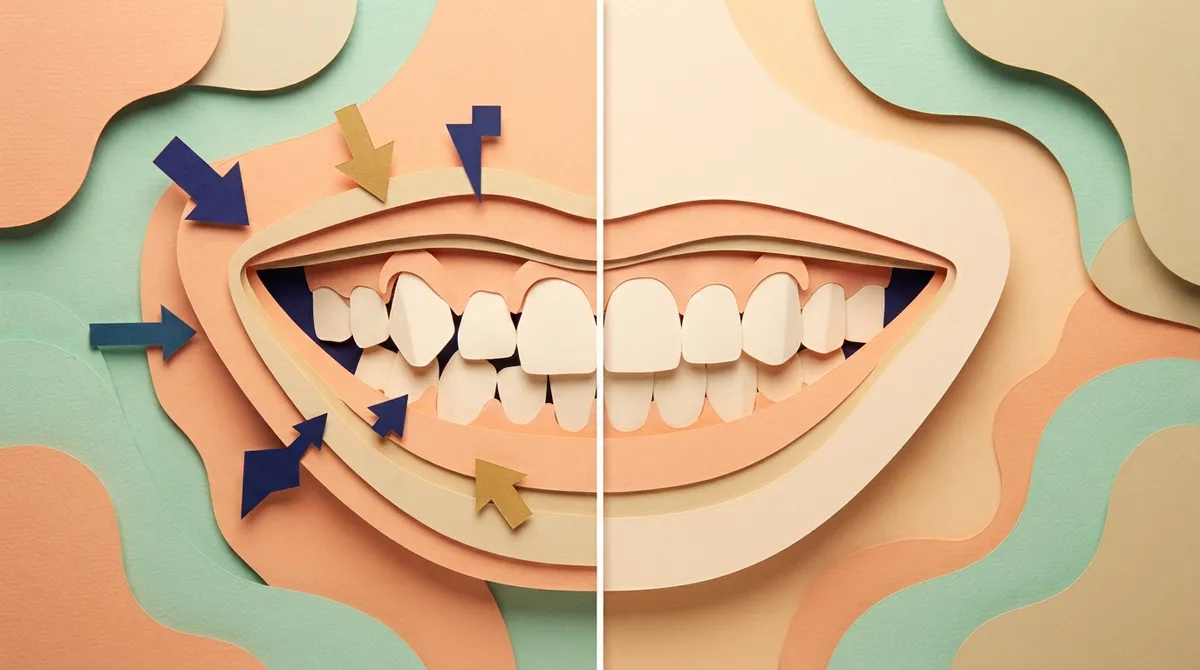
Untreated bite problems can cause serious long-term damage including uneven tooth wear, increased fracture risk, gum irritation, and difficulty cleaning teeth, making early orthodontic evaluation by age 7 critical for children.
-
An orthodontist for bite correction improves functional mouth health beyond aesthetics—proper alignment reduces chewing difficulty, supports better oral hygiene, and prevents accelerated tooth wear over time.
-
Treatment options range from traditional braces and clear aligners for most cases to palatal expanders for children and growth-modifying appliances, with rare severe cases requiring jaw surgery coordination.
-
Early evaluation and treatment in children aged 7-11 allows orthodontists to guide jaw growth while it's still developing, potentially reducing the need for more invasive interventions later.
-
Adults can successfully correct bite problems at any age, though treatment may require coordination with general dentists for gum disease or tooth issues first, with results including improved function and confidence.
-
Bite problems affect 56% of children and adolescents worldwide, with diagnosis requiring digital 3D scans, X-rays, and clinical evaluation to create personalized treatment plans matching your specific malocclusion type and age.
Have you ever noticed your teeth don’t quite line up when you bite down? Maybe your jaw clicks, or you chew more on one side than the other. You’re not alone. Bite problems are incredibly common, and they’re something an orthodontist for bite correction handles every single day. At Brockway Orthodontics in Clearwater, we love helping patients of all ages understand what’s happening with their bite and how we can fix it together.
A bite problem, also called malocclusion, happens when your upper and lower teeth don’t meet correctly. This isn’t just about looks. A misaligned bite can affect how you chew, speak, and even how your face looks over time. The good news? Bite correction has come a long way, and there are more comfortable, effective options than ever before. Let’s walk through everything you need to know, from spotting the signs to understanding your treatment choices.
What Does an Orthodontist for Bite Correction Actually Do?
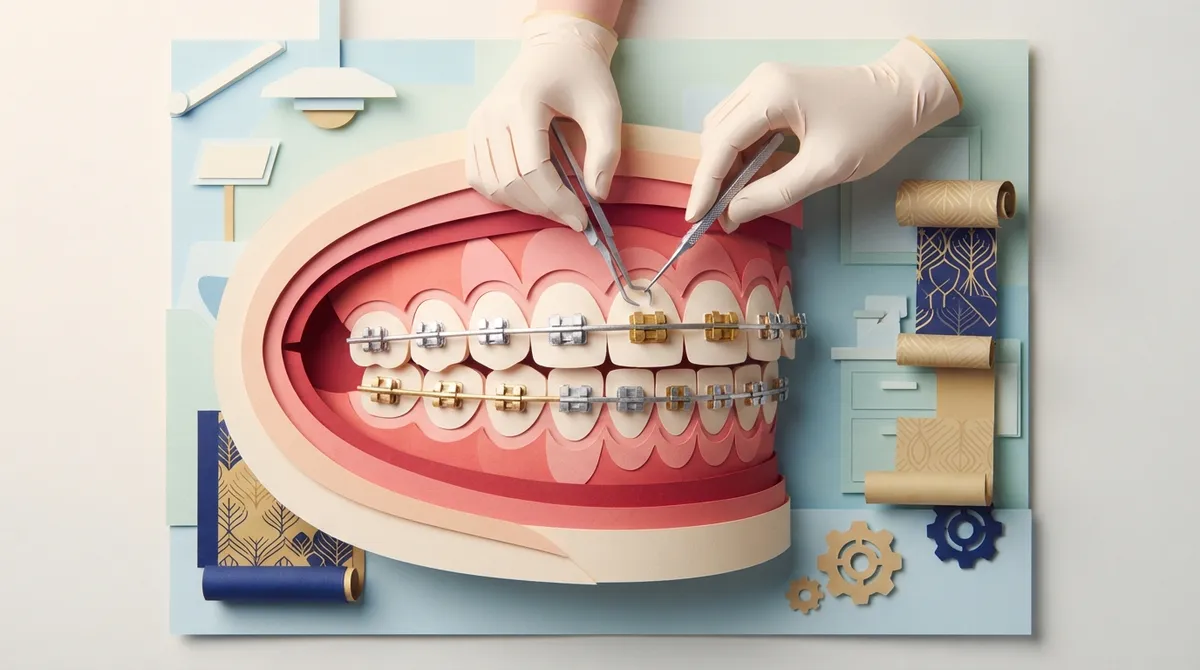
An orthodontist is a dental specialist trained specifically to diagnose and treat problems with how your teeth and jaws fit together. Think of your bite like a puzzle. When all the pieces line up, everything works smoothly. When they don’t, you can run into trouble chewing, speaking clearly, or even keeping your teeth clean.
Bite correction isn’t only about creating a straighter smile, though that’s certainly a wonderful bonus. The real goal is improving how your mouth functions. A properly corrected bite can help you chew more comfortably, reduce uneven tooth wear, and support better oral hygiene for years to come. Dr. Brockway and our team take time to explain exactly what’s happening with your bite and why treatment matters, so you always feel informed. You can meet Dr. Brockway and learn more about her approach to personalized care.
Common Types of Bite Problems We See
Bite issues come in several forms, and each one has its own characteristics. Understanding which type you have is the first step toward getting the right treatment plan.
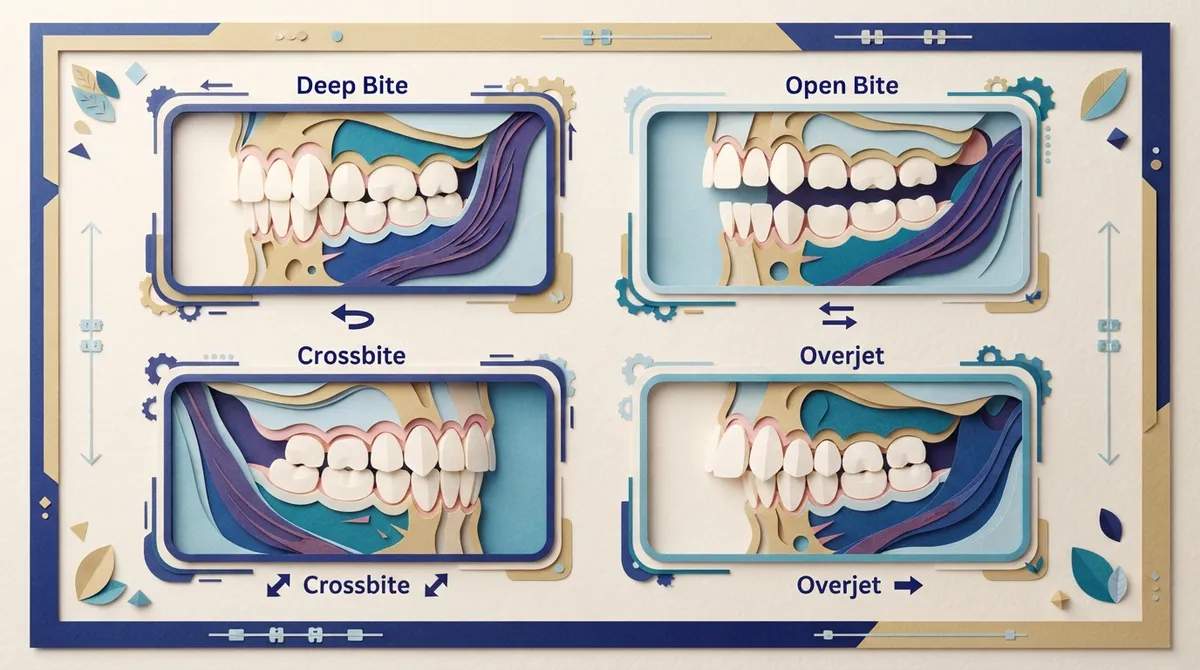
- Overbite: Upper front teeth extend too far over the lower teeth
- Underbite: Lower teeth stick out further than the upper teeth
- Crossbite: Some upper teeth sit inside the lower teeth instead of outside
- Open bite: Front teeth don’t touch when the back teeth are closed
- Crowding: Teeth don’t have enough room, causing overlap
- Spacing: Noticeable gaps between teeth
These problems can be caused by genetics, jaw growth patterns, thumb-sucking habits, missing or extra teeth, or even losing baby teeth too early. According to a 2020 systematic review, malocclusion affects an estimated 56% of children and adolescents worldwide, so if your child has a bite issue, they’re in good company. If you’re curious about specific fixes, our guide on how braces fix a deep overbite breaks it down further.
How Common Is Each Type of Malocclusion?
Research helps us understand just how widespread these bite issues really are. Here’s a quick look at global data on malocclusion classifications.
| Malocclusion Type | Approximate Global Prevalence |
|---|---|
| Class I (mild misalignment) | 74.7% |
| Class II (overbite pattern) | 19.56% |
| Class III (underbite pattern) | 5.93% |
| Deep overbite | 21.98% |
| Open bite | 4.93% |
These numbers show that bite problems vary widely, and treatment needs differ from person to person. This is exactly why a personalized evaluation matters so much.
How We Diagnose Your Bite Problem
Getting an accurate diagnosis is the foundation of good treatment. Here’s what typically happens during a bite evaluation at our Clearwater office.
- Medical and dental history review: We ask about past dental work, habits, and any concerns you have
- Clinical exam: We look closely at how your teeth and jaws come together
- Photos and digital scans: Modern imaging replaces messy molds and gives us a precise 3D view
- X-rays when needed: These show us jaw structure, tooth roots, and growth patterns
- Treatment planning: We map out a plan based on your specific bite issue, age, and goals
This process helps us understand not just what your teeth look like, but how your jaws relate to each other and your overall facial balance. If you want to know exactly what your first appointment looks like, check out your first visit page for a full walkthrough.
Treatment Options for Bite Correction
Once we know what we’re working with, we can talk about solutions. The right treatment depends on your age, the severity of your bite issue, and your personal preferences.
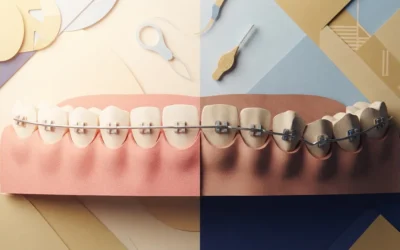
Braces and Clear Aligners
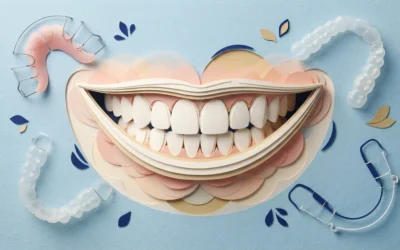
Traditional metal braces remain one of the most effective tools for correcting bites, especially for more complex cases. We also offer ceramic braces for a more subtle look. For patients wanting something nearly invisible, Spark™ Clear Aligners offer a comfortable, affordable alternative to traditional Invisalign. Many adults love aligners because they can remove them for meals and photos.
Curious which option fits your lifestyle best? Our comparison guide on traditional braces vs. clear aligners can help you decide.
Elastics and Palatal Expanders
For certain bite issues, we use rubber bands (elastics) to help guide teeth into better positions. Palatal expanders are especially helpful for children whose jaws are still growing, gently widening the upper jaw to correct crossbites and create more room.
Growth-Modifying Appliances
These special devices work with a child’s natural growth to guide the jaw into a better position. Timing matters a lot here, which is why early evaluations are so valuable.
Jaw Surgery for Severe Cases
In rare, severe skeletal cases, orthodontic treatment may be combined with jaw surgery. This typically involves working alongside an oral surgeon for the best possible outcome. Most patients never need this level of intervention, but it’s good to know the option exists for complex situations.
Comparing Bite Correction Options by Age Group
| Age Group | Common Treatments | Special Considerations |
|---|---|---|
| Children (7-11) | Palatal expanders, early braces phase | Growth can be guided while jaw is developing |
| Teens (12-18) | Braces, clear aligners | Most permanent teeth have erupted |
| Adults (18+) | Braces, clear aligners, sometimes surgery | May need gum or restorative work first |
For more on age-specific care, browse our adolescent treatment and adult treatment pages.
When Should Your Child See an Orthodontist?
The American Dental Association and orthodontic experts recommend an initial check-up by age 7. This doesn’t mean your child will start treatment right away. It simply means we can spot developing problems early, while there’s still room to guide growth in a positive direction.
Here’s why early evaluation matters so much:
- Some bite problems are easier to correct before growth is complete
- Early detection can reduce the need for more invasive treatment later
- It gives parents peace of mind and a clear plan moving forward
- Baby teeth issues can sometimes predict permanent teeth problems
Learn more about the ideal timing in our article on early treatment options.
Bite Correction for Adults: It’s Never Too Late
Many adults assume braces are just for kids. That couldn’t be further from the truth! We see adult patients every week who are finally ready to fix a bite problem they’ve lived with for years. Sometimes it’s a professional wanting a more confident smile for work. Other times, it’s someone whose teeth have shifted after previous orthodontic treatment.
Adult treatment can be a bit more involved since we often need to check for gum disease, worn teeth, or missing teeth first. Occasionally, we coordinate with your general dentist or a specialist to make sure your whole mouth is healthy before and during treatment. The payoff is worth it: a functional, comfortable bite and a smile you’re proud to show off.
What Happens If a Bite Problem Goes Untreated?
It’s tempting to ignore a mild bite issue, especially if it doesn’t hurt. But over time, untreated malocclusion can lead to real problems.
- Uneven or accelerated tooth wear
- Difficulty chewing certain foods comfortably
- Increased risk of tooth fractures from uneven pressure
- Gum irritation from teeth that don’t fit together well
- Harder time cleaning crowded or overlapping teeth
- Speech difficulties in some cases
It’s worth noting that orthodontic treatment isn’t a guaranteed cure for every dental problem, and claims linking it directly to conditions like TMJ disorders should always be viewed carefully. What we can promise is a thorough evaluation and an honest conversation about what treatment can realistically achieve for you.
Cost and Insurance Considerations
We understand that cost is a big factor in any treatment decision. The price of bite correction depends on the complexity of your case, the type of treatment you choose, and how long treatment takes. Many dental insurance plans offer partial coverage for orthodontic treatment, especially for children.
Our team is happy to walk you through your options and help you understand what your insurance covers. We also offer flexible plans to make treatment more manageable. Visit our financing and insurance page for details, or explore our guide on using dental insurance to help pay for braces.
Why Choose Brockway Orthodontics for Bite Correction in Clearwater
Dr. Brockway brings genuine care and extensive training to every patient relationship. She takes time to listen to your concerns and goals, making sure you feel comfortable and informed at every step. Our Clearwater office is equipped with modern technology, including digital impressions and 3D imaging, so your treatment plan is precise and your experience is comfortable.
We proudly serve families throughout the Clearwater area, offering everything from traditional braces to clear aligners for patients at every stage of life. In certain cases, we can even offer same-day treatment starts, so busy families don’t have to juggle multiple appointments. Want to see what our patients say about their experience? You can visit us on Google — Brockway Orthodontics to read real reviews from our community.
We also stay connected with our patients and community through social media. Follow along on Instagram or Facebook for smile transformations, tips, and updates from our office. For broader orthodontic standards and guidance, the Florida Association of Orthodontists is also a helpful resource.
Steps to Getting Started with Bite Correction
Ready to take the next step? Here’s what the process looks like when you choose our practice for your bite correction journey.
- Schedule your initial consultation with our friendly team
- Complete a thorough exam including digital scans and photos
- Review your personalized treatment plan with Dr. Brockway
- Ask questions and discuss financing options that work for you
- Begin treatment with braces, aligners, or another recommended option
- Attend regular check-ins to monitor your progress
- Celebrate your new, functional smile once treatment is complete
Every step is designed to keep you informed and comfortable. We know starting orthodontic treatment can feel like a big decision, and we’re here to make it as easy as possible.
Ready to Fix Your Bite?
A healthy, properly aligned bite affects so much more than appearance. It supports better chewing, easier cleaning, and long-term dental stability. Whether you’re a parent wondering about your child’s first orthodontic visit, a teen ready for a confident new smile, or an adult finally ready to invest in yourself, our team at Brockway Orthodontics is here for you.
Don’t wait to address a bite problem that could become more complicated over time. Book your appointment online today and let’s create a personalized plan for your smile. If you have questions first, feel free to contact us and our friendly Clearwater team will be happy to help.
FAQs
Q: What does an orthodontist do for bite correction?
A: An orthodontist evaluates how your teeth and jaws meet, then creates a plan using braces, clear aligners, or other tools to improve function and alignment. We look beyond just straight teeth to make sure your whole bite works comfortably together. It’s all about giving you a smile that looks great and feels great too!
Q: How do I know if I have an overbite, underbite, crossbite, or open bite?
A: The easiest way to know for sure is a simple exam with our team. You might notice your teeth don’t line up when you bite down, or you chew unevenly on one side. Come see us for a friendly evaluation, and we’ll pinpoint exactly what’s going on.
Q: Can clear aligners fix a bad bite, or are braces necessary?
A: It really depends on your specific bite issue. Many mild to moderate bite problems respond wonderfully to clear aligners like Spark™, while more complex cases may need traditional braces. We’ll help you figure out which option gives you the best results.
Q: At what age should a child see an orthodontist for bite problems?
A: We recommend an initial check-up by age 7, even if active treatment isn’t needed yet. This gives us a chance to catch developing issues early, when guiding jaw growth is often easier. Think of it as a friendly preview appointment for your child’s smile!
Q: How much does orthodontic bite correction cost, and does insurance cover it?
A: Costs vary based on your treatment type and how complex your case is, but many dental insurance plans offer partial coverage, especially for kids. Our team will walk you through your options and help you find a payment plan that fits your budget comfortably.
Our Service Area