Key Takeaways
-
Retainers are needed after any orthodontic treatment, including clear aligners, because teeth can drift back toward their original positions regardless of which appliance moved them.
-
A 2023 Cochrane review found low-certainty evidence on retainer types, so wearing the retainer you are given consistently matters more than the specific style.
-
Wear schedules usually progress from full-time wear to nighttime wear, and many people keep wearing a retainer at night long-term, so follow your orthodontist's plan.
-
A retainer that suddenly feels tight may signal that teeth have moved; never force a tight or painful retainer into place and contact your orthodontist instead.
-
Keep removable retainers in their case when not in use, and avoid hot water, which can warp plastic, to prevent loss, damage, or pet chewing.
-
Regular checkups allow orthodontists to catch small changes early, which helps protect the results of your treatment over time.
You did it. The braces are off, or your last clear aligner tray is in the recycling bin, and your smile looks amazing. Now what? Here is the part that surprises many people: the work is not quite done. That is exactly why why retainers matter whichever treatment you choose is such an important question to ask.
Retainers are the maintenance phase of orthodontic care. They help hold your teeth in their new positions after active treatment ends. This is true whether you straightened your smile with metal braces, ceramic braces, or clear aligners. Teeth are not set in concrete. They can drift after treatment, and they can also change slowly over the years.
In this friendly guide, we will walk through how retainers work, the main types, how to care for them, and what to do if something feels off. Whether you are a parent helping a teen, a busy professional, or someone who had braces years ago and noticed a shift, you will find useful answers here.
Why Teeth Move After Treatment
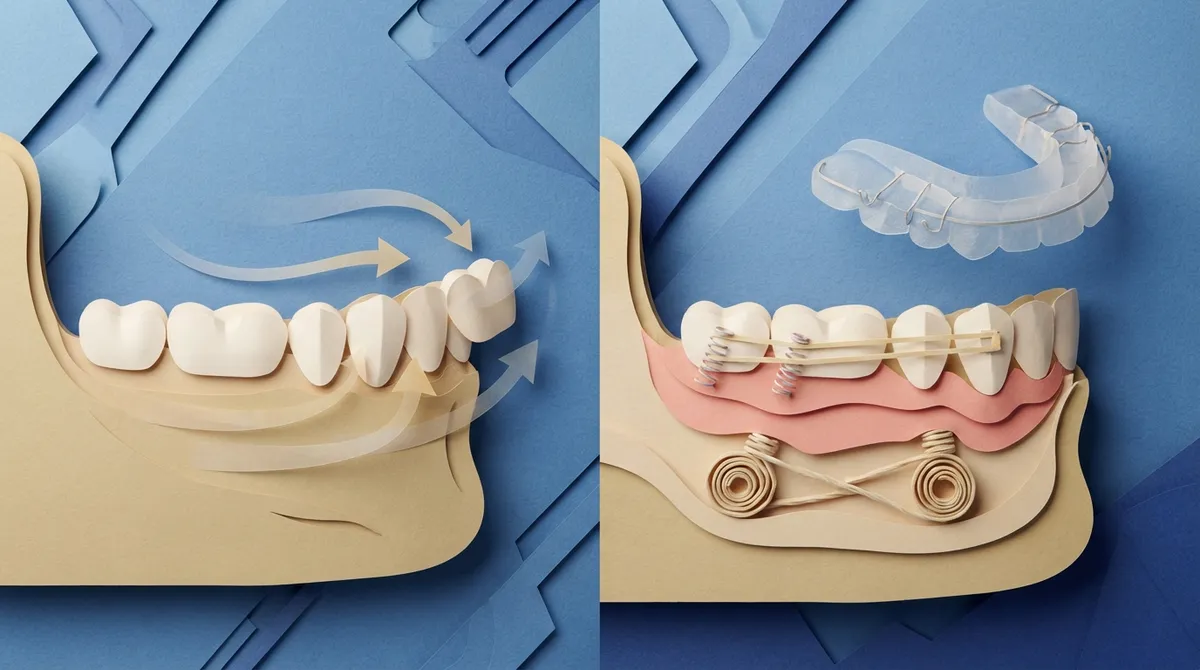
Think of your teeth like a freshly planted row of tulips. They look perfect right after planting, but the soil around them still needs time to settle. Your teeth sit in bone and are held by soft tissues and fibers. When braces or aligners move teeth, those surrounding tissues have to adapt to the new positions.
During that adjustment, teeth can try to drift back toward where they started. Orthodontists call this relapse. It can happen after any kind of treatment, because the need for retention depends on your results and your individual factors, not on which appliance you used.
Teeth can also move naturally over time, even in people who never had orthodontic treatment. Aging, grinding, and normal changes in the mouth can all play a part. A retainer reduces unwanted movement. It cannot promise that your teeth will never shift, but it gives your smile its best chance to stay put.
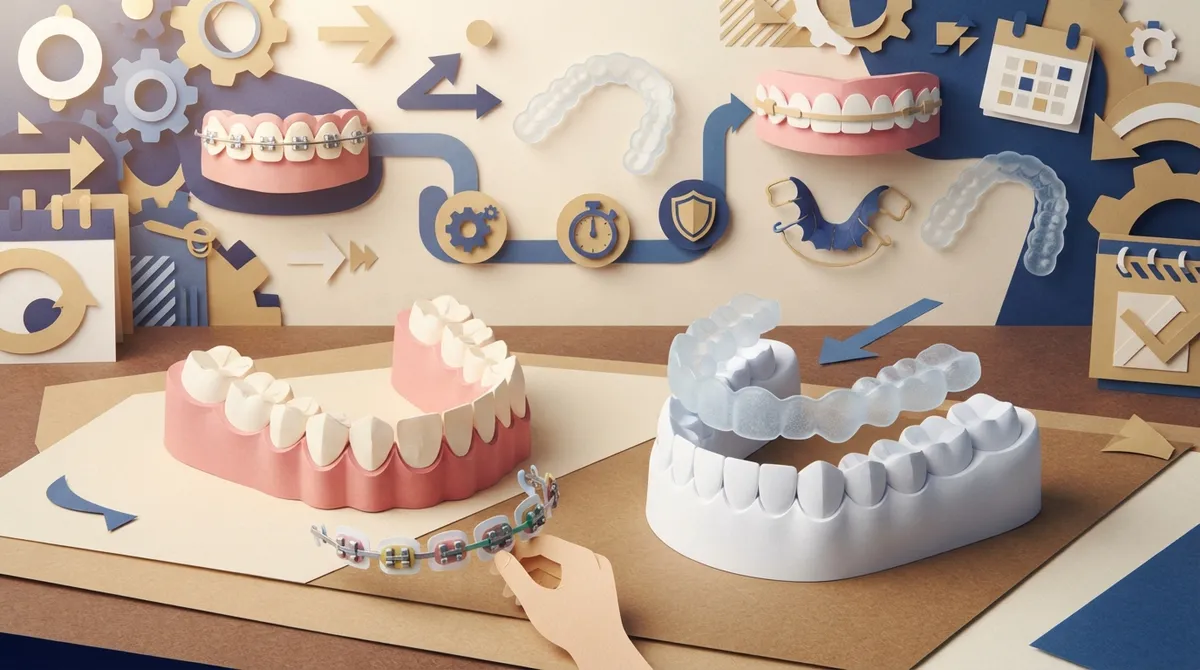
Do You Need a Retainer After Braces and Clear Aligners?
Yes. This is one of the most common questions we hear. Many people assume that clear aligners are somehow different and do not need a retainer afterward. The truth is that teeth can shift after either approach.
Here is how it breaks down:
- After braces: Your teeth have been guided by brackets and wires for months or years. A retainer helps lock in that work.
- After clear aligners: Your teeth have been moved by a series of trays. A retainer keeps them from sliding back once the trays stop.
- After early or phased treatment: Children and teens may need retention at several stages as their jaws and teeth keep growing.
At Brockway Orthodontics, we offer braces and Spark™ Clear Aligners for patients of all ages. No matter which path you choose, retention is part of the plan from day one. Dr. Brockway will talk through your retainer options well before your treatment ends, so nothing catches you off guard.
The Main Types of Retainers
There is no single “best” retainer for everyone. The right choice depends on your case, your oral health, your habits, and how well you can stick with a wear and care routine. Here is a quick comparison of the most common options.
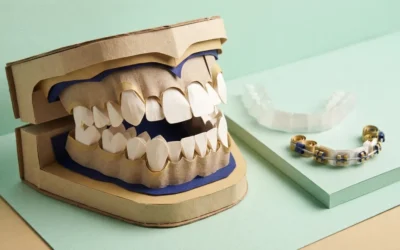
| Retainer Type | What It Is | Good to Know |
|---|---|---|
| Clear plastic (removable) | A thin, clear tray that fits over your teeth | Nearly invisible; must be taken out for meals and cleaned daily |
| Hawley (removable) | Acrylic plate with a thin metal wire across the front teeth | Durable and adjustable; more noticeable than clear plastic |
| Fixed (bonded) | A thin wire attached behind the teeth | Works around the clock without effort; needs careful cleaning and regular checks |
Each style has strengths. Removable retainers are easy to clean, but they only work if you wear them. Fixed retainers stay in place, but flossing around them takes extra care, and they can loosen or break. You can learn more about the options on our retainers page, or read our guide to fixed vs. removable retainers.
What the Research Says
Here is an honest truth that we like to share with patients. The science on retainers is still growing. A 2023 Cochrane review looked at studies comparing different retainer types and wear schedules. It found the evidence to be low or very low certainty. In plain words, the review does not support firm claims that one approach is the winner.
The review did note a few numbers worth mentioning:
- In one study, part-time clear plastic retainers were linked to 0.92 mm more lower-front tooth irregularity than multistrand fixed retainers. The review described the difference as not clinically significant.
- In another study, full-time clear plastic retainers showed 0.60 mm more lower-front irregularity than fixed retainers. Again, the review considered this unlikely to be clinically significant.
- Many included studies followed patients for less than one year. The authors called for better studies that track stability for at least two years.
What does this mean for you? It means the small differences between retainer types may matter less than something simpler: wearing the retainer you are given, keeping it clean, and showing up for checkups. These findings are limited, and they should not be treated as a prediction for your own teeth.
How Long Do You Need to Wear a Retainer?
Here is where we have to be a little careful, because there is no one-size-fits-all schedule. Your wear plan should come from your orthodontist, based on your treatment and your teeth.
Many patients follow a pattern like this:
- Initial phase: Some patients are asked to wear a removable retainer full-time at first, taking it out only for eating and cleaning.
- Transition phase: After a period set by your orthodontist, many patients move to nighttime wear.
- Long-term phase: Many people keep wearing a retainer at night to maintain their alignment, often for years.
You may have heard the phrase “retainers for life.” Long-term or even indefinite use is commonly recommended for people who want to keep their results. Fixed retainers stay in your mouth, but they still need monitoring. Retainers also wear out, so they may need repair or replacement along the way. For a deeper look, see our post on how to wear a retainer after braces.
How to Care for Your Retainer
A retainer works best when it is clean, safe, and used as directed. Good habits take just a minute a day. Here is a simple routine to follow:
- Take removable retainers out for meals unless your orthodontist tells you otherwise.
- Clean them as directed, usually with a soft brush and gentle cleanser.
- Skip the hot water. Heat can bend or warp plastic retainers.
- Store them in their case whenever they are out of your mouth.
- Keep them away from pets. Dogs love the smell, and chewed retainers are a sad sight.
- Clean around fixed retainers carefully, using floss threaders or other tools your orthodontist recommends.
Here is a tip from the front desk: that napkin-wrapped retainer left on a lunch tray is one of the most common ways retainers get lost. Always use the case. Your future self will thank you.
Signs Your Retainer Needs Attention
Your retainer can tell you a lot about what your teeth are doing. Pay attention if you notice any of these:
- It suddenly feels tight. This can signal that your teeth have moved.
- It is cracked, broken, or loose. A damaged retainer cannot do its job well.
- It causes pain or rubs your gums. A poor fit needs a professional look.
- A fixed wire feels loose or sharp. It may have detached or broken.
Please do not force a retainer that hurts. Pushing a tight retainer into place is not a safe way to fix shifting. An old retainer also should not be expected to correct a lot of movement. If something is off, call us. Our guide on what to do if your retainer breaks walks through the steps.
Retainers for Every Stage of Life
Retainers matter for everyone, but the reasons look a little different depending on who you are.
For Parents of Kids and Teens
Teens are busy, and retainers are easy to forget. Help your child build a routine, like putting the retainer on right after brushing at night. Growing jaws can also change how teeth sit, so regular checkups matter. If you are just starting out, our guide to orthodontics for kids is a good place to begin.
For Adults and Busy Professionals
If you are juggling meetings and travel, a nighttime retainer fits neatly into your routine. It is a small habit that protects the time and money you already invested in your smile. See our adult treatment options for more.
For Patients Dealing With Relapse
Did you have braces years ago and notice your teeth slowly moving? You are not alone, and it is not a failure on your part. Teeth change over time, and many adults come back for a fresh evaluation. A new treatment plan, followed by a solid retention routine, can get your smile back on track.
Why Retention Is Worth Your Effort
Think of your retainer as the final chapter of your treatment story. You put in months or years of effort, and retention protects that investment. Skipping it is a bit like finishing a marathon and then refusing to cool down.
Here is what a steady retainer habit can do for you:
- Help keep your teeth where they were moved.
- Reduce the chance of needing treatment all over again.
- Support the look you worked hard to achieve.
- Give you and your orthodontist a way to catch small changes early.
Retention does not have to be a chore. Most patients find that after the first few weeks, it simply becomes part of the nightly routine, right alongside brushing and flossing.
Your Retainer Plan Starts With a Conversation
At Brockway Orthodontics, we believe understanding your treatment is the key to feeling confident about it. Dr. Brockway takes time to explain your retainer choices, your wear schedule, and how to care for your appliance, all in plain language. We use modern tools like digital impressions and 3D imaging, so your retainer can fit comfortably and accurately.
You can also see what our patients say by visiting our Brockway Orthodontics location on Google. For trusted background information on orthodontic care, the Florida Association of Orthodontists and the American Dental Association are helpful resources.
Keep Your Smile Where You Worked So Hard to Put It
Whether you choose braces or clear aligners, a retainer is what carries your results into the future. Teeth can shift after any kind of treatment, so retention is a smart, simple habit. Follow the schedule your orthodontist gives you, keep your retainer clean, store it safely, and speak up when something feels tight or broken.
Ready to start your smile journey, or protect the one you already have? Book your appointment online and let Dr. Brockway and our team create a plan that fits your life. If you have questions first, contact us anytime. We would love to meet you.
FAQs
Q: Do you need a retainer after clear aligners as well as braces?
A: Yes! Teeth can shift after either treatment, so retention matters no matter which path you chose. Your orthodontist will recommend the retainer type and wear schedule that fits your results.
Q: How long do I need to wear my retainer after treatment?
A: It depends on you. Many patients start with full-time wear, then move to nighttime wear, and many keep wearing a retainer at night long-term. Your orthodontist will give you a schedule made for your smile.
Q: What should I do if my retainer feels tight or no longer fits?
A: A tight retainer can be a sign that your teeth have moved. Please don’t force it in, especially if it hurts. Give us a call so we can take a look and find the safest fix.
Q: Can teeth still shift even if I wear my retainer?
A: They can, because teeth change naturally over time. A retainer greatly helps reduce unwanted movement, but it can’t offer a guarantee. Regular checkups help catch small changes early.
Q: How do I clean and care for my retainer?
A: Take removable retainers out for meals, clean them as directed, and keep them away from hot water, which can warp plastic. Store them in their case when you aren’t wearing them. For fixed retainers, clean carefully around the wire and keep up with regular checks.
Our Service Area