Key Takeaways
-
Never force an ill-fitting retainer: pushing or biting it into place can crack the appliance, stress your teeth, and irritate gums, often with damage you can't see right away.
-
A retainer that won't fully seat, needs hard pressure, causes sharp pain, keeps popping off, or is cracked or warped should be stopped and assessed by your orthodontist.
-
A mildly snug feeling that fully seats without significant pain may be minor tooth movement; follow your prescribed wear schedule and call if it persists or worsens.
-
Avoid DIY fixes like hot water reshaping, bending wires, or biting the retainer into place, since small changes can throw off the whole fit of a custom appliance.
-
Before calling, note when the fit changed, how consistently you've worn it, and whether it was heated, dropped, or sat on so your orthodontist can identify the cause.
-
Teeth can keep shifting after treatment, and bonded retainers that feel loose or broken should be checked promptly, because a broken wire can let teeth move unnoticed.
You pull your retainer out of its case, pop it in, and… it just won’t go. It feels tight, maybe a little scary, and a voice in your head says, “Just push harder.” We get it! Nobody wants to feel like their hard-earned smile is slipping away. But here is the friendly truth: why you should not force an ill-fitting retainer comes down to protecting your teeth, your gums, and the retainer itself.
Pushing, biting down hard, or squeezing an appliance into place can cause damage you can’t see right away. It also won’t tell you why the fit changed in the first place. Maybe your teeth moved a little. Maybe the retainer got warped. Maybe it cracked. You can’t know by force alone.
In this guide, we’ll walk through what a normal snug feeling looks like, when to stop, what to do instead, and how to keep your smile on track. Whether you are a parent helping a teen, a young adult heading into a big event, or an adult returning after a long break, you’ll find simple, practical answers here.
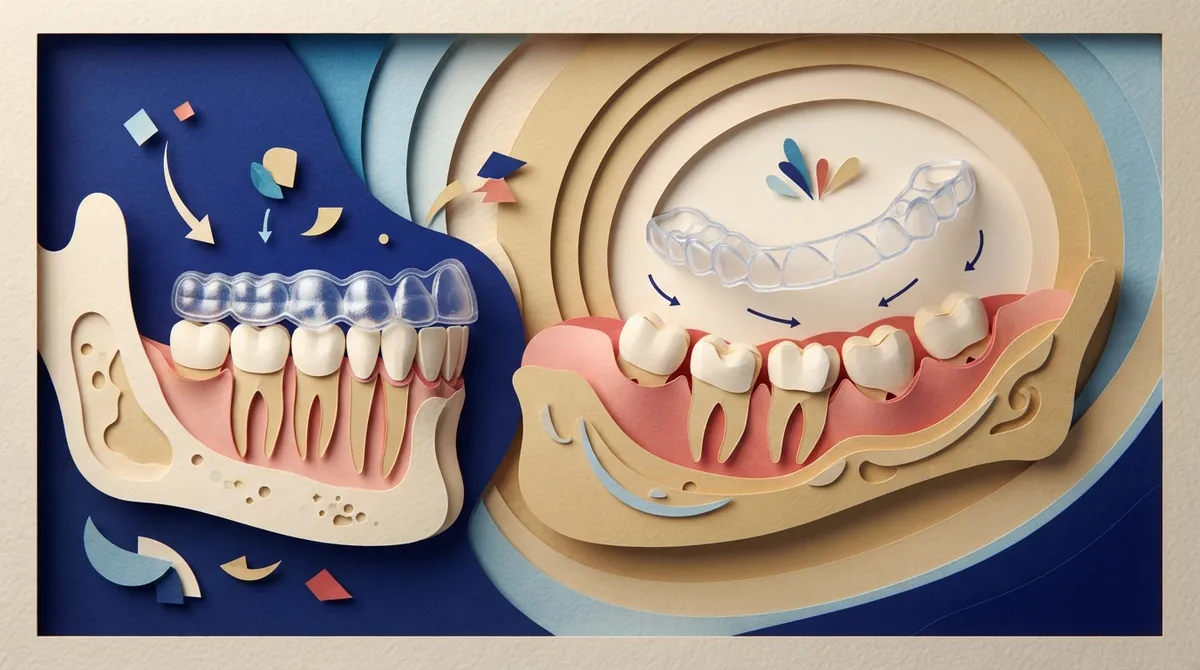
Why a Retainer Stops Fitting in the First Place
Retainers are made to hold your teeth where your orthodontist moved them. But teeth are not set in stone. They can shift after treatment, which is exactly why retainers and follow-up instructions matter so much.
When a retainer no longer slides on easily, there are usually a few possible causes:
- Minor tooth movement: Missed nights or days without wear can let teeth drift slightly.
- Appliance distortion: Heat, pressure, or rough handling can bend or warp the retainer.
- Damage: A crack, bend, or broken wire changes how it sits.
- Wear and age: Older retainers can lose their shape over time.
The tricky part? Each of these looks and feels similar from the outside. A tight retainer might mean your teeth moved, or it might mean the retainer itself changed. Only a professional exam can sort that out.
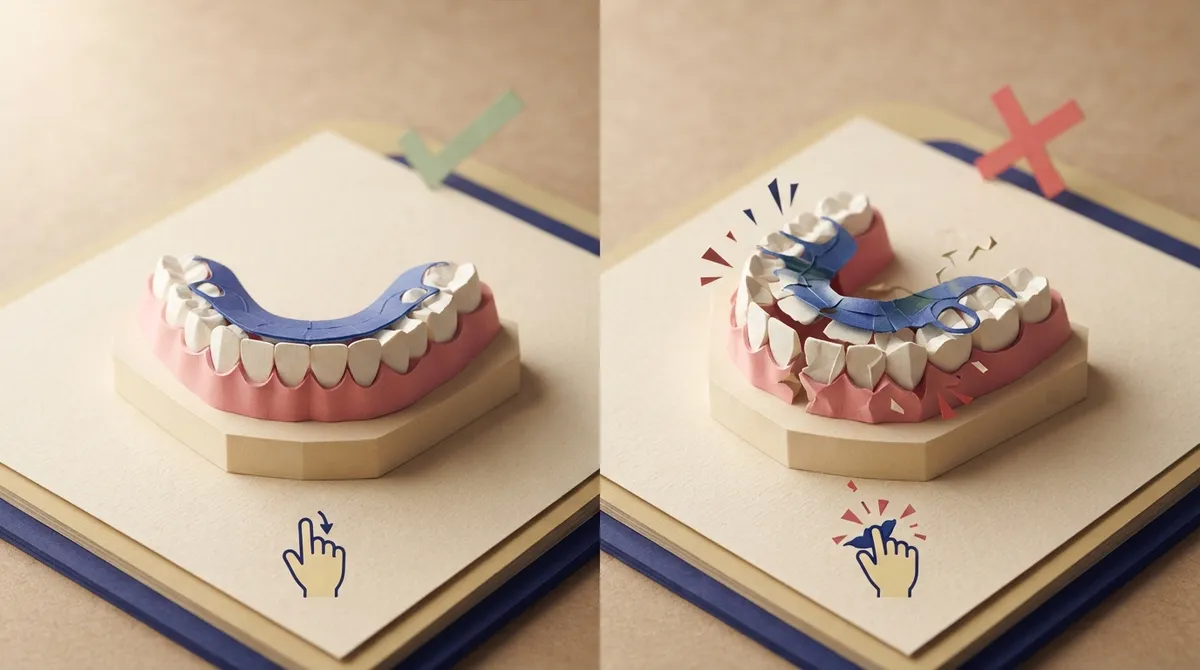
Snug vs. Stuck: How to Tell the Difference
Not every tight feeling is a problem. After a few days away from your retainer, a mild squeeze is pretty common. The key is whether the retainer fully seats and whether you feel sharp pain.
| What You Notice | Likely Meaning | What To Do |
|---|---|---|
| Mildly snug, fully seats, no significant pain | Possible minor tooth movement | Follow your prescribed wear schedule and call us if it persists or worsens |
| Will not fully seat | Teeth may have shifted or the retainer may be distorted | Stop and contact your orthodontist |
| Needs hard pushing or biting to go in | Poor fit; risk of damage | Do not force it; schedule an assessment |
| Sharp or significant pain | Unwanted pressure on teeth or tissues | Remove it gently and call your orthodontist |
| Keeps popping off | Fit has changed | Bring it in for evaluation |
| Cracked, bent, or warped | Damaged appliance | Stop wearing it and call us |
Think of it like a shoe. A slightly stiff shoe after a long break is one thing. A shoe that won’t go on without shoving and pain is telling you something is off.
The Risks of Forcing a Retainer Into Place
It can be tempting to power through. Maybe you have a big photo day coming up, or you simply don’t want to admit the retainer feels off. But forcing it can backfire in several ways.
You Can Damage the Retainer
Clear and wire retainers are made to be precise, not pressed into the wrong shape. Pushing hard can crack plastic, bend wires, or stretch the material. A damaged retainer is even less likely to hold your smile in place.
You May Put Unwanted Pressure on Your Teeth
A retainer that doesn’t match your current tooth position can press on teeth in ways your orthodontist never planned. That pressure may be uncomfortable, and it isn’t the gentle, steady hold a retainer is meant to provide.
You Can Irritate Your Gums and Mouth
A poorly seated retainer can rub or dig into soft tissue. Sore spots, tenderness, or irritation are signs to stop and get it checked.
You Won’t Learn the Real Cause
Force doesn’t give answers. Pushing a retainer into place can’t tell you whether your teeth moved, the retainer warped, or something else is going on. That’s a job for an exam.
If you want a closer look at what happens when a retainer is damaged, our guide on what to do if your retainer breaks is a helpful read.
What Not to Do: Common Fix-It Mistakes
When a retainer feels wrong, people often try quick home fixes. Most of them make things worse. Here is what to skip:
- Don’t use hot water to reshape it. Heat can distort retainer materials and leave you with a worse fit.
- Don’t bend wires yourself. Even a tiny adjustment can change how the whole appliance sits.
- Don’t bite it into place. Biting down hard can crack it or stress your teeth.
- Don’t keep wearing a damaged retainer. A cracked or warped appliance can irritate your mouth.
- Don’t change your wear schedule based on online advice. Your plan should be personalized by your orthodontist.
These DIY fixes feel logical in the moment, but retainers are custom-made. A small change can create a big problem. If you’re curious why home fixes tend to fall short, we cover that idea in DIY wire fix vs. orthodontist visit.
What to Do Instead: A Simple Step-by-Step Plan
Good news! Handling a tight or ill-fitting retainer is simple when you know the steps.
- Stop pushing. If it doesn’t seat easily, gently take it out. Don’t bite or press it in.
- Check for damage. Look for cracks, bends, warping, or broken wires.
- Think back. Did you skip wear for a few days? Was it left in a hot car or near hot water? Did it get dropped or sat on?
- Keep it safe. Store it in its case so it doesn’t get more damaged.
- Contact your orthodontist. Describe when the fit changed and how often you’ve been wearing it.
- Bring it to your visit. We can examine both the retainer and your teeth.
When you call, it helps to share a few details:
- When the fit first felt different
- How consistently you’ve worn it
- Whether it was exposed to heat or dropped
- Any pain, sore spots, or popping off
Those clues help us figure out whether your teeth shifted, the retainer changed, or both.
What an Orthodontist Can Do for You
The best part about getting it checked? You walk away with a plan. Depending on what we find, your orthodontist may:
- Adjust the retainer if a small change will restore the fit.
- Replace the retainer if it’s damaged, warped, or too worn.
- Discuss further treatment if your teeth have shifted more than a retainer can handle.
For teens and parents, this is reassuring: a loose or tight retainer isn’t a failure. It’s simply information. For adults who had braces years ago and notice their smile changing, it can be the start of a conversation about options. If you’re wondering about replacement costs and choices, you might like our overview of clear vs. bonded retainers.
Why Teeth Move After Treatment (And Why Retainers Matter)
Here’s something many people don’t realize: your teeth can keep moving after braces or aligners come off. Your bone and gum tissue need time to settle, and everyday habits can nudge teeth, too. That’s why retention is a lifelong partner to your treatment, not an afterthought.
Research backs up how individualized retention should be. A 2023 Cochrane review looked at 47 studies and 4,377 children and adults comparing retention approaches. It found the evidence to be low or very low certainty, meaning no single approach could be declared best for everyone. That’s a good reason to follow the plan your own orthodontist gives you instead of copying a schedule from the internet.
Another 2023 critical review noted that part-time removable-retainer wear, around 10 hours a day, may maintain results in some protocols. Still, your wear schedule should be set by your treating orthodontist, because every smile is different.
To learn how to wear your retainer after treatment, take a look at how to wear a retainer after braces and keep your smile.
What About Bonded (Fixed) Retainers?
If you have a thin wire bonded behind your teeth, the advice is similar: don’t try to fix it at home. A bonded retainer needs monitoring. If it feels loose, looks broken, or you think your teeth are shifting, call your orthodontist instead of trying to repair it yourself.
A 2021 systematic review of fixed-retainer failure studies reported failure rates ranging from 7.3% to 50%. The studies varied a lot in design and follow-up, so that range doesn’t predict what will happen to you. But it does show why regular checkups are smart. A broken wire can let teeth move without you noticing right away.
Tips for Keeping Your Retainer in Great Shape
A little daily care goes a long way toward preventing fit problems. Try these habits:
- Wear your retainer exactly as prescribed.
- Keep it in its case whenever it’s out of your mouth, especially at meals.
- Clean it gently with cool water and a soft brush.
- Keep it away from hot cars, hot water, and heaters.
- Keep it away from pets, who love to chew them.
- Bring it to your orthodontic checkups.
For teens, a simple routine helps: pick one spot for the case, such as a nightstand or backpack pocket, so it doesn’t get wrapped in a napkin and tossed. Parents, a gentle reminder at bedtime can make all the difference.
Who Needs This Advice Most?
Honestly, everyone who wears a retainer! But here are a few common situations where this matters:
- Parents of kids and teens: Growing mouths change, and retainers get lost, chewed, or forgotten.
- Teens and young adults: Busy schedules and big events can lead to missed nights, then a tight retainer right before a milestone.
- Working adults: Travel and long days make routines slip, and a tight retainer can cause worry before a meeting or photo.
- Retreatment patients: If you had braces before and your smile has shifted, a retainer that won’t fit may signal it’s time to talk about options, such as Spark™ Clear Aligners or braces.
No matter which group you’re in, the message is the same: a retainer that won’t fit is a reason to call, not a reason to push.
When to Call Right Away
Reach out to your orthodontist promptly if you notice any of these:
- The retainer won’t fully seat after gentle attempts.
- You feel sharp or significant pain.
- The retainer is cracked, bent, or warped.
- It keeps popping off.
- Your bonded retainer feels loose or broken.
- Your teeth look like they’re shifting.
If you’re unsure whether your situation counts as urgent, our guide to emergency vs. routine orthodontics can help you decide.
Your Smile Is Worth a Quick Phone Call
Forcing an ill-fitting retainer might feel like the quickest fix, but it rarely ends well. You risk a damaged appliance, extra pressure on your teeth, sore gums, and no real answer about what’s wrong. A short visit, on the other hand, can give you clarity and get your smile back on track.
At Brockway Orthodontics, Dr. Brockway and our friendly team are happy to take a look, answer your questions, and explain your options in plain language. Whether you need an adjustment, a replacement, or a chat about next steps, we’re here for the whole family. You can also read what our patients say when you visit us on Google — Brockway Orthodontics.
Ready to get your retainer checked? Book appointment online or contact us today, and let’s keep your smile looking its best. For more general guidance on oral health, the American Dental Association is a helpful resource, and you can find professional information through the Florida Association of Orthodontists.
FAQs
Q: What should I do if my retainer no longer fits?
A: Don’t force it! Gently remove it, check for cracks or bends, and keep it in its case. Then call your orthodontist so they can see whether your teeth shifted or the retainer changed.
Q: Is it normal for a retainer to feel tight after not wearing it?
A: A mild snug feeling can be normal if the retainer fully seats and doesn’t cause significant pain. If it won’t seat, needs hard pushing, or hurts, stop and contact your orthodontist.
Q: Can I use hot water to reshape a clear retainer?
A: Please don’t. Heat can distort retainer materials and make the fit worse. Leave any adjustments to your orthodontist.
Q: Can an orthodontist adjust or replace an ill-fitting retainer?
A: Yes! After an exam, your orthodontist may adjust the retainer, replace it, or talk with you about other treatment if your teeth have shifted. The right choice depends on what’s causing the poor fit.
Q: What if my bonded retainer feels loose or broken?
A: Please don’t try to fix it at home. Call your orthodontist right away, since a loose or broken wire can let teeth move without you noticing.
Our Service Area