Key Takeaways
-
A Medit intraoral scan is a 3D digital record of the upper arch, lower arch, and bite, replacing messy impression trays, but it is a record, not a diagnosis.
-
Orthodontists still need a clinical exam, medical and dental history, photos, and X-rays when indicated, alongside the scan.
-
Medit Ortho Simulation is a consultation tool for visualizing possible outcomes, not a guarantee, since growth and biology affect results.
-
The i900's 10.9 µm full-arch accuracy is a manufacturer specification, not a clinical promise; no independent outcome data was found showing better results.
-
Scan quality depends on technique: saliva, cheek or tongue interference, and limited access can affect it, so clinicians should inspect scans before sharing.
-
Ask your orthodontist how scans are checked for completeness and accuracy, how they will be shared with labs, and what other records are needed.
Remember those gooey impression trays that made you gag a little? Good news: for many orthodontic patients, they are becoming a thing of the past. Today, a small wand can capture your teeth in minutes, with no goop and no fuss.
One popular option is Medit intraoral scanning for orthodontic planning. Whether you are a parent booking a first visit for your child, a teen hoping for a discreet smile, or an adult returning after relapse, it helps to know what these scans are and what they are not.
In this friendly guide, we break down 10 key facts in plain language. You will learn how scans work, what they can support, and why your orthodontist still relies on a full exam. Think of this as a behind-the-scenes peek at modern orthodontic care in 2026. We will keep it simple, honest, and jargon-free, so you feel ready for your next visit.
1. What Medit Intraoral Scanning Actually Is
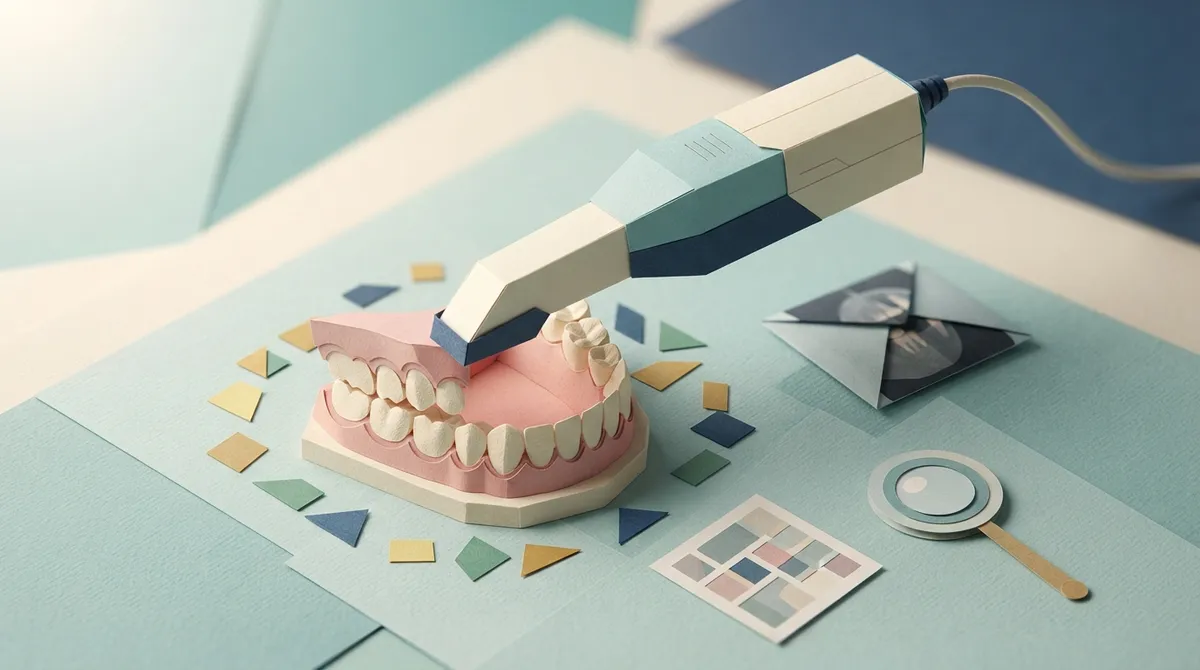
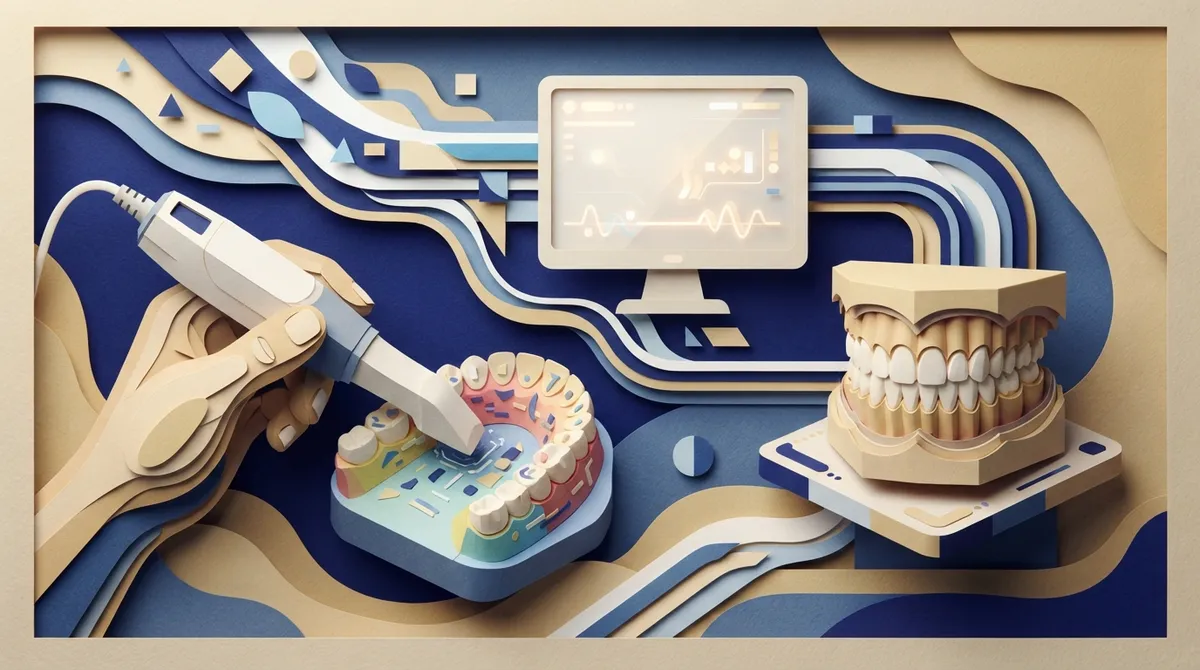
A Medit intraoral scanner is a handheld device that captures 3D digital impressions of your mouth. The clinician moves the wand over your upper teeth, lower teeth, and bite. Software then builds a digital model on a screen.
No trays. No putty. No waiting for plaster to set. Many patients, especially kids and anyone with a sensitive gag reflex, find this far more pleasant.
If you want to see how digital tools fit into the bigger picture, our guide on digital impression scanner facts is a great companion read.
2. The Scan Captures Both Arches and Your Bite
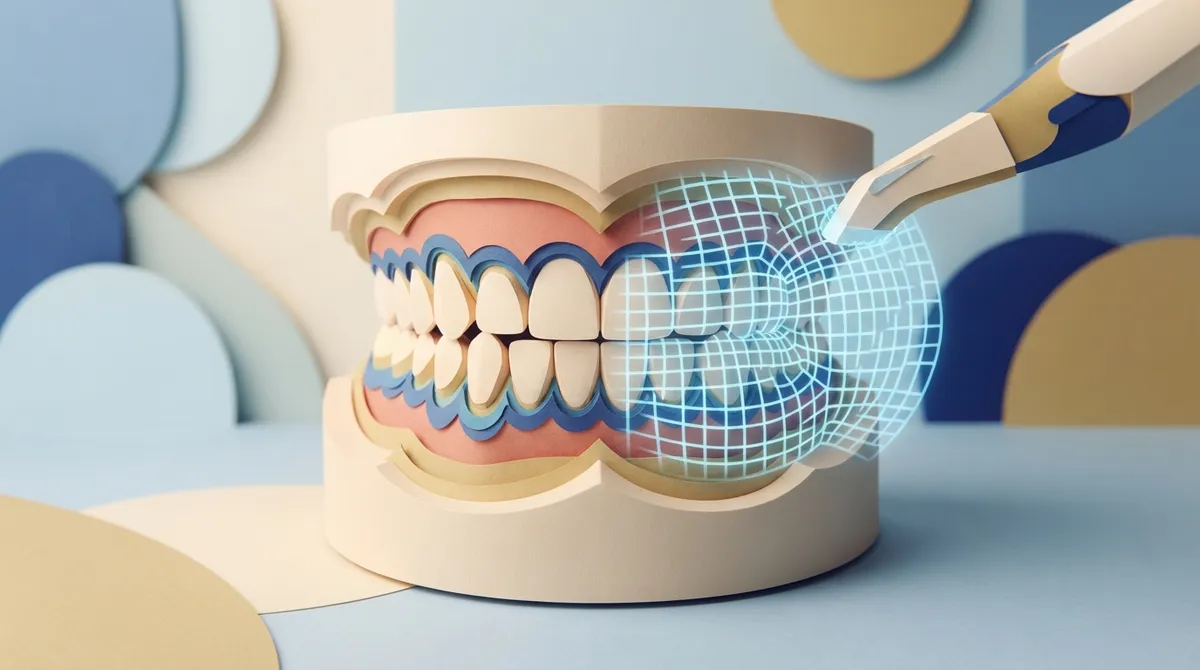
A useful orthodontic scan is more than a picture of a few teeth. It generally includes:
- The complete upper (maxillary) arch
- The complete lower (mandibular) arch
- A bite scan that shows how the two arches meet
- Clear detail around the teeth and gumline
That bite relationship matters a lot. Orthodontics is about how teeth fit together, not just how they look. If any part of the scan is missing or distorted, it can affect the models and plans made from it.
Curious about bite concepts? Our post on how to fix bite alignment problems at any age explains why this piece is so important.
3. It Supports Planning, But It Does Not Replace Diagnosis
Here is the most important fact on this list. A scan is a record. It is not a diagnosis.
Your orthodontist still needs several pieces of the puzzle:
- A clinical exam of your teeth, gums, and jaw
- Your medical and dental history
- Photographs of your face and smile
- Radiographs (X-rays) when they are indicated
- Professional judgment based on training and experience
Think of the scan like a detailed map. A map is helpful, but you still want an experienced guide. To learn what else is involved, read about what orthodontic X-rays can help evaluate.
4. Medit Link Helps Manage and Share Scan Cases
Medit Link is the company’s case-management and collaboration platform. It helps store and share 3D dental data, and it can connect with Medit apps and compatible third-party software.
In everyday terms, this means a scan can travel smoothly. It can be shared with an orthodontic lab or a compatible planning provider without anyone mailing a box of models.
The exact workflow depends on the app or outside provider your orthodontist chooses. So the experience at one office may look a little different from another.
5. Medit Ortho Simulation Is a Conversation Tool
Medit also offers an app called Ortho Simulation. It is designed to help visualize a possible orthodontic outcome during a consultation.
This can be exciting, especially for teens and adults who want to picture their future smile. But please keep one thing in mind: a simulation is a communication aid. It is not a promise.
Real teeth respond to treatment in their own way. Growth, cooperation, and biology all play a part. A simulation is a helpful starting point for a conversation, not a guaranteed prediction of your results.
6. Full-Arch Accuracy: What the Numbers Mean
Medit’s official materials describe its scanners as suitable for full-arch orthodontic scanning. The i900 brochure reports a manufacturer-stated full-arch accuracy of 10.9 µm ± 0.98.
That is a tiny number, and it sounds impressive. Still, it is a product specification, not a guarantee for every patient or every situation. Real-world scan quality depends on technique and the conditions in your mouth.
| Medit i900 Spec | What the Manufacturer States | What It Means for You |
|---|---|---|
| Full-arch accuracy | 10.9 µm ± 0.98 (brochure, 2024) | A lab-tested figure, not a clinical promise |
| Scanner tip reuse | Autoclavable up to 150 times | Supports infection-control routines |
| Calibration period | Up to 90 days | May vary with operating conditions |
Important note: we did not find independent clinical outcome data showing that Medit-based planning leads to better treatment results. So scanner specs should be treated as specs, nothing more.
7. Scan Quality Depends on Technique and Conditions
Even great equipment needs a skilled hand. Several things can affect how clean a scan turns out:
- Saliva pooling around the teeth
- Cheeks, lips, or tongue moving into the way
- Limited access in a small or tight mouth
- Missing a surface that needs to be captured
A careful clinician follows the scanner’s current instructions, checks that the bite is lined up, and confirms the scan is complete before moving on. If something looks off, they simply rescan that area. That quick double-check protects the quality of every step that follows.
8. Clinicians Should Inspect Scans Before Sharing Them
Before a scan is sent for planning or lab work, a good orthodontic team reviews it. They look for gaps, rough spots, and a bite that does not match what they saw in your mouth.
Why so picky? Because errors travel. A flawed scan can lead to flawed models, and flawed models can affect appliance design or planning. Catching issues early saves time and keeps your treatment on track.
This is one reason a thorough first appointment matters. Our guide on what to expect at the orthodontist walks you through that visit.
9. Scans Can Support Many Types of Care
Digital records are useful across different treatment paths. Depending on your needs, a scan may support:
- Clear aligner planning, when sent to a compatible provider
- Braces records and case documentation
- Retainer fabrication to help protect your results
- Progress comparisons over time
Brockway Orthodontics offers Spark™ Clear Aligners, metal braces, and ceramic (clear) braces. To see how those options stack up, check out braces vs. clear aligners: which Clearwater choice wins.
Wondering how orthodontists follow your progress? Our post on 10 ways orthodontists track braces progress shows how digital records fit in.
10. Comfort Is a Big Win for Patients of All Ages
Let us be honest: comfort matters. Digital scanning tends to feel easier than traditional impressions for many people.
| Patient Group | Why Digital Scanning Appeals |
|---|---|
| Parents of kids and teens | Less stress for children at their first visits |
| Teens and young adults | Modern, quick, and easy to understand on screen |
| Adult professionals | Efficient appointments that respect a busy schedule |
| Relapse patients | Clear records to compare past and present smiles |
| Health-conscious patients | Detailed images that support personalized planning |
Seeing your own teeth in 3D on a screen is also pretty cool. It helps you understand what your orthodontist is explaining, which builds confidence from day one.
How a Scan Fits Into the Bigger Planning Process
So where does a Medit scan sit in the full journey? Here is a simple, general picture of how digital records often fit into planning:
- You meet your orthodontist and share your goals.
- The team completes a clinical exam and gathers your history.
- Photos and X-rays are taken when needed.
- A digital scan captures both arches and your bite.
- The orthodontist reviews everything and builds a treatment plan.
- You talk through options, timing, and costs together.
The exact order can vary from office to office. What stays the same is that your orthodontist’s judgment guides the plan, with the scan as one helpful tool. For a deeper look, see our walkthrough of orthodontic treatment planning steps.
Questions to Ask Your Orthodontist About Scans
You are your own best advocate. Here are a few friendly questions to bring to your appointment:
- Will you be using a digital scan for my records?
- What other records do I need besides the scan?
- How do you check that a scan is complete and accurate?
- Will you show me a simulation, and how should I read it?
- How will my scan be shared if a lab or partner is involved?
A good orthodontic team will welcome these questions. Clear answers are a sign of a practice that values informed patients.
Why Choose Brockway Orthodontics in Clearwater
At Brockway Orthodontics, we love blending modern technology with real, human care. Our practice uses digital impressions instead of messy molds and 3D imaging that supports precise planning. Dr. Brockway takes time to listen to your goals, explain your options in easy language, and make sure you feel comfortable from start to finish.
We treat the whole family, from kids and teens to adults, and in certain cases we can offer same-day treatments for busy schedules. Curious what our patients think? Visit us on Google — Brockway Orthodontics and read the reviews.
You can also learn about our credentials through the Florida Association of Orthodontists, or read general oral health guidance from the American Dental Association. And if you want to follow our smile stories, find us on Facebook.
The Bottom Line
Medit intraoral scanning for orthodontic planning is a comfortable, modern way to create detailed digital records of your teeth and bite. It can support case documentation, patient conversations, and sharing with labs or compatible planning services. But it is one tool among many. A complete exam, history, photos, X-rays when needed, and your orthodontist’s expertise always come first.
Ready to see what modern orthodontic care feels like? We would love to meet you. Book your appointment online or contact us with any questions. Your best smile is closer than you think!
FAQs
Q: How is a Medit intraoral scan used in orthodontic treatment planning?
A: A Medit scan creates a 3D digital record of your upper arch, lower arch, and bite. Your orthodontist can use it for assessment, case documentation, patient discussions, and sharing with a lab or compatible planning provider. It works alongside your exam, photos, and X-rays, never in place of them!
Q: What is Medit Ortho Simulation, and does it predict actual results?
A: Medit Ortho Simulation is an app that helps visualize a possible orthodontic outcome during a consultation. It is a fun and helpful conversation tool, but it is not a guarantee. Real treatment results depend on your biology, growth, and how treatment unfolds.
Q: Can Medit scans be used for clear aligner treatment?
A: Digital scans can be shared with compatible aligner planning services, which can support clear aligner care. The exact workflow depends on the software or provider your orthodontist uses. Ask your orthodontist whether aligners are a good fit for your smile.
Q: How accurate are Medit intraoral scanners for orthodontic scans?
A: Medit states a full-arch accuracy of 10.9 µm ± 0.98 for the i900 in its brochure. That is a manufacturer specification, not a promise for every patient. Real scan quality still depends on technique, saliva, access, and a careful check by your clinician.
Q: What records do I need besides an intraoral scan for orthodontic diagnosis?
A: A scan alone does not give the full picture. Your orthodontist also looks at your clinical exam, medical and dental history, photographs, and X-rays when they are indicated. Their professional judgment ties it all together into a safe, personalized plan.
Our Service Area