Key Takeaways
-
Bite alignment problems affect 56% of children and teens worldwide, but can almost always be improved with proper orthodontic care and patient commitment.
-
Untreated bite issues can cause serious problems over time: harder oral hygiene, uneven tooth wear, gum disease, jaw strain, speech difficulties, and increased chipping risk.
-
The American Association of Orthodontists recommends children receive their first bite evaluation by age 7, even though treatment may not start immediately—early detection allows orthodontists to guide jaw development.
-
Modern treatment options include traditional braces for complex cases, clear aligners for mild-to-moderate issues, palatal expanders for narrow jaws, and orthognathic surgery for severe skeletal problems in adults.
-
Retainers are critical after treatment ends because teeth naturally drift back over time; skipping retainer use is the leading reason adults need retreatment later in life.
-
Adults can successfully correct bite problems at any age, including relapse cases from previous braces, with discreet options like clear aligners fitting busy schedules.
Have you ever noticed your teeth don’t quite meet right when you bite down? Maybe you chew on one side more than the other, or your jaw clicks when you eat. You’re not alone! Bite alignment problems, called malocclusion, affect more people than you’d think. In fact, research shows about 56% of kids and teens worldwide have some type of bite issue. The good news? Bite alignment can almost always be improved with the right care and a little patience.
At Brockway Orthodontics in Clearwater, we see patients every day who want to understand their bite better and learn what they can do about it. Whether you’re a parent watching your child’s smile develop, a busy professional wanting a quick fix, or someone whose teeth shifted years after braces, this guide will walk you through everything you need to know. Let’s dive in together!
What Is Bite Alignment, Exactly?
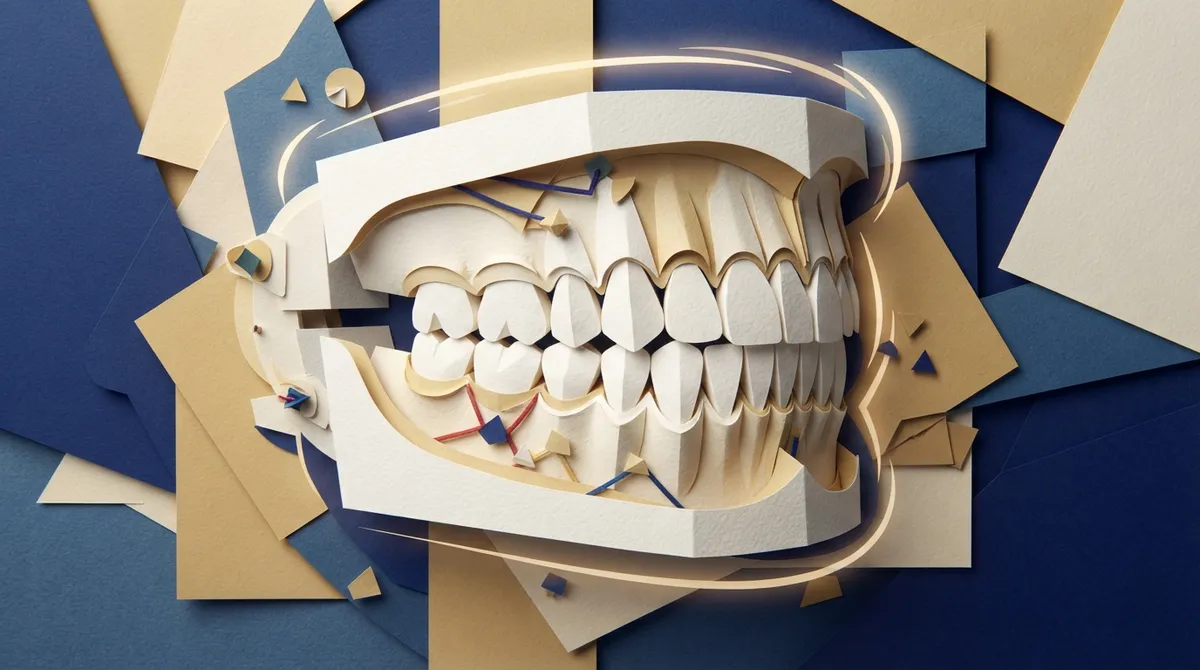
Bite alignment simply means how your upper and lower teeth fit together when your mouth closes. Think of it like puzzle pieces. When they fit well, chewing, speaking, and even smiling feel natural and easy. When they don’t fit well, it’s called a malocclusion, and it can cause all sorts of small (or big) issues over time.
Your bite involves more than just your teeth. It also includes how your jaw bones are shaped and positioned. Sometimes a bite problem comes from teeth being crowded or spaced oddly. Other times, it’s about the jaw itself growing a bit differently than expected. Orthodontists like Dr. Brockway look at both factors to figure out the best plan for you.
Why Bite Alignment Matters for Your Health
A good bite isn’t just about looks. It plays a big role in your everyday comfort and health. Here’s why it matters so much:
- Makes chewing food easier and more comfortable
- Helps you speak clearly without a lisp or whistle
- Reduces uneven wear and tear on your teeth
- Lowers your risk of jaw pain and headaches
- Makes brushing and flossing easier, which protects your gums
- Boosts your confidence when you smile or talk
Common Types of Bite Alignment Problems
Not all bite issues look the same. Orthodontists group them into a few main categories. Understanding which type you or your child has can help you feel more prepared for your first visit with an orthodontist.
The Main Bite Problems Explained
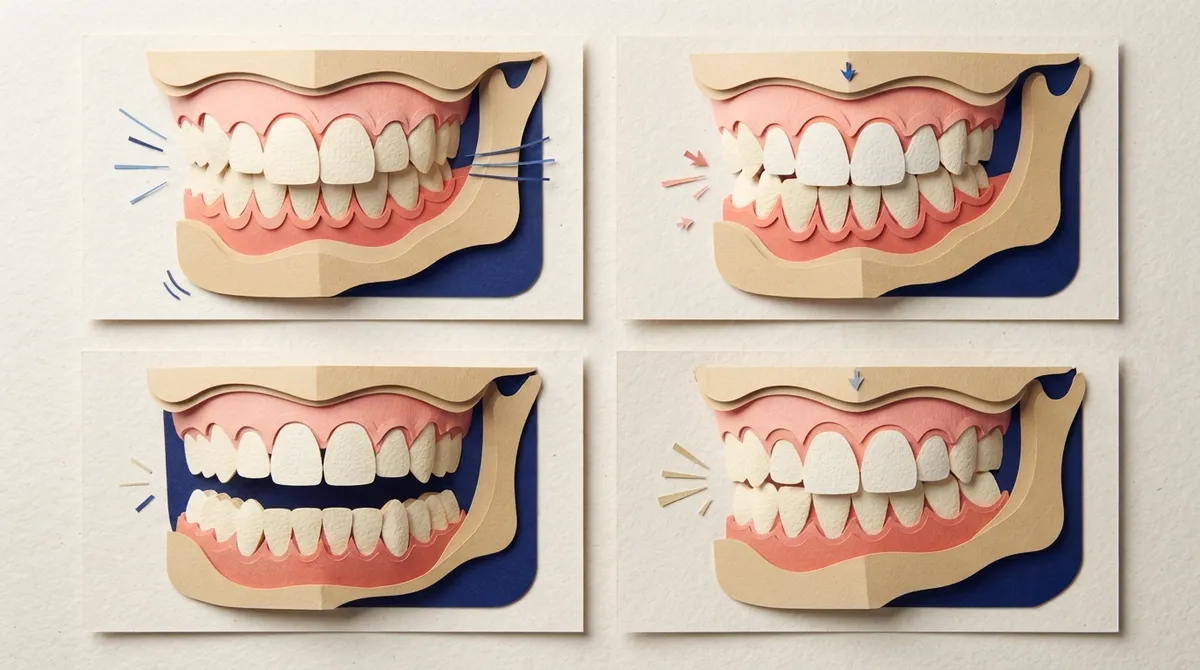
- Overbite (Deep Bite): The upper front teeth cover too much of the lower front teeth vertically.
- Overjet: The upper front teeth stick out too far forward, almost like buck teeth.
- Underbite: The lower jaw and teeth sit in front of the upper teeth.
- Open Bite: The front teeth don’t touch at all when the back teeth are closed together.
- Crossbite: Some upper teeth sit inside the lower teeth instead of outside them.
- Crowding: Teeth don’t have enough room, so they twist or overlap.
- Spacing: Gaps show up between teeth because there’s extra room in the jaw.
Orthodontists also use a classification system called Angle Class I, II, and III to describe how the back molars line up. Class I is generally considered a normal molar relationship, though crowding or spacing can still be present. Class II often means the upper jaw is more prominent or the lower jaw is set back. Class III is the opposite, with a more prominent lower jaw.
| Bite Type | What It Looks Like | Common Concerns |
|---|---|---|
| Overbite | Upper teeth cover lower teeth too much | Gum irritation, tooth wear |
| Underbite | Lower teeth sit in front of upper teeth | Chewing difficulty, jaw strain |
| Open Bite | Front teeth don’t touch when biting | Speech issues, trouble biting food |
| Crossbite | Upper teeth sit inside lower teeth | Uneven jaw growth, tooth wear |
| Crowding | Teeth overlap or twist | Harder to clean, higher cavity risk |
How Common Are Bite Problems? The Numbers Might Surprise You
Bite alignment issues are more common than most people realize. A 2022 review of 123 studies found that about 51.9% of kids and teens have a Class I bite pattern (which can still include crowding), while 23.8% have Class II and 6.5% have Class III. Crossbites were found in roughly 7.8% to 12.2% of cases, depending on the type.
Malocclusion rates also vary quite a bit by region. A large 2020 review found rates around 81% in Africa, 72% in Europe, 53% in the Americas, and 48% in Asia. These numbers remind us that having a bite issue is incredibly common, and there’s no reason to feel embarrassed about needing treatment.
How Orthodontists Evaluate Your Bite
Wondering what actually happens during a bite alignment evaluation? Here’s a simple breakdown of the process our team follows:
- A friendly conversation about your dental history and any concerns you have
- A hands-on clinical exam to check how your teeth and jaw come together
- Digital scans or photos (no messy molds needed!)
- Dental X-rays to see tooth roots and jaw structure
- A look at how your jaw grows and how your teeth are erupting, especially in kids
- A discussion of your treatment options and answers to all your questions
This process helps Dr. Brockway build a treatment plan made just for you. No two smiles are exactly alike, so your plan shouldn’t be either. You can learn more about what to expect at your first visit before you even walk through the door.
Treatment Options for Bite Alignment
The good news is that there are more ways than ever to fix a misaligned bite. Your treatment depends on your age, how severe the issue is, and whether it’s mainly a tooth problem or a jaw problem.
Popular Bite Correction Treatments
- Traditional metal braces: Reliable and effective for even complex bite issues, see our guide to braces
- Clear aligners: A nearly invisible option like our Spark™ Clear Aligners, a more affordable alternative to Invisalign
- Ceramic braces: Tooth-colored brackets that blend in more than metal
- Palatal expanders: Widen a narrow upper jaw, often used in growing kids
- Elastics (rubber bands): Help correct jaw relationships alongside braces
- Headgear: Used less often today, but still helpful for certain growth patterns
- Orthognathic surgery: Reserved for severe skeletal jaw discrepancies in adults
Comparing Braces and Clear Aligners for Bite Correction
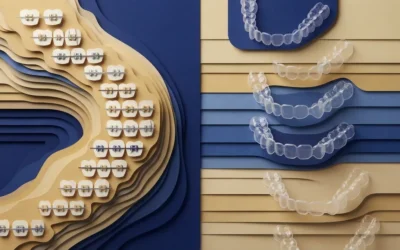
| Feature | Traditional Braces | Clear Aligners |
|---|---|---|
| Visibility | Visible metal or ceramic brackets | Nearly invisible, removable trays |
| Best For | Complex bite issues, all ages | Mild to moderate bite issues, teens and adults |
| Maintenance | Fixed, no removing for meals | Removable for eating and cleaning |
| Compliance Needed | Low, since it’s fixed in place | High, must wear 20-22 hours daily |
Not sure which route fits your lifestyle? Our team can walk you through traditional braces vs. clear aligners so you can make a confident choice.
When Should Kids Get Their First Bite Evaluation?
The American Association of Orthodontists recommends that children see an orthodontist by age seven. This might sound early, but it’s a smart move. At this age, we can spot developing issues like crossbite, crowding, or jaw growth problems while there’s still time to guide things in the right direction.
Early evaluation doesn’t always mean early treatment starts right away. Sometimes Dr. Brockway will simply keep an eye on things and start treatment later when the timing is right. You can read more in our guide on early treatment and what parents should watch for. We also have helpful tips in our article on orthodontics for kids.
Can Adults Fix Bite Alignment Too?
Absolutely! It’s never too late to improve your bite. Many adults come to us wanting a healthier bite and a more confident smile, whether it’s their first time in braces or they’re dealing with relapse after past treatment. Our adult treatment options are designed to fit busy schedules and discreet preferences.
If you had braces years ago and your teeth have since shifted, you’re definitely not alone. This is called orthodontic relapse, and it usually happens when retainers weren’t worn as recommended. The great news is that retreatment is very possible, and many adults find the results even more rewarding the second time around.
What Happens If a Bite Problem Goes Untreated?
It’s important to know that not every malocclusion requires treatment. But when a bite issue is more significant, leaving it untreated can lead to a few challenges over time:
- Harder to brush and floss properly, raising cavity risk
- Uneven tooth wear or enamel erosion
- Gum irritation or disease in certain spots
- Extra strain on jaw muscles and joints
- Speech difficulties in some cases
- Higher risk of chipping protruding front teeth
According to the American Dental Association, good oral hygiene combined with proper bite alignment supports long-term dental health. That’s why we always recommend an evaluation if something feels off with your bite, even if it seems minor.
Keeping Your Teeth Healthy During Treatment
Braces and aligners can make brushing trickier, so a little extra care goes a long way. Here are some simple habits to protect your smile during treatment:
- Brush after every meal, especially with braces
- Use a floss threader or water flosser to reach tricky spots
- Avoid sticky or hard foods that can damage brackets or wires
- Keep up with regular dental cleanings alongside orthodontic visits
- Wear your aligners as directed, even when it feels inconvenient
Why Retainers Are So Important
Once your bite alignment treatment is complete, the work isn’t quite over. Teeth naturally want to shift back over time, which is why retainers are such a crucial final step. Whether you get a removable retainer or a fixed one behind your teeth, wearing it as instructed keeps your new smile stable for years to come.
Think of retainers like a gym membership for your teeth. Consistent, gentle use keeps everything in place. Skipping this step is one of the most common reasons people need retreatment later in life.
Why Choose Brockway Orthodontics in Clearwater
Dr. Brockway isn’t just skilled and experienced, she genuinely cares about your journey. She takes time to listen to your goals and concerns, making sure you feel comfortable every step of the way. Our Clearwater office uses modern technology, including digital scans instead of messy molds and detailed 3D imaging, so your treatment plan is precise and comfortable from day one.
We also understand life gets busy. That’s why we offer same-day treatment starts in certain cases, so you don’t have to juggle multiple appointments just to get going. Our full range of services covers everyone in the family, from a child’s first checkup to an adult’s discreet smile makeover. For more details on our community-focused approach, check out Florida Association of Orthodontists for statewide standards of care we proudly uphold.
Curious what other patients think? You can visit us on Google — Brockway Orthodontics to read real reviews from Clearwater families just like yours. You can also follow along with smile transformations on our Instagram and Facebook pages.
Your Next Steps Toward a Healthier Bite
Bite alignment might sound technical, but at its heart, it’s really about helping you feel comfortable, confident, and healthy for years to come. Whether you’re a parent bringing in your seven-year-old for a first check, a teen ready for a smile upgrade before graduation, or an adult finally making time for yourself, there’s a path forward that fits your life.
Ready to find out what your bite needs? Our friendly Clearwater team is here to answer every question with warmth and expertise. Book appointment online today, or feel free to contact us if you have any questions before your visit. We can’t wait to help you build a smile you’ll love showing off!
FAQs
Q: What is bite alignment and how is it evaluated?
A: Bite alignment is simply how your upper and lower teeth fit together when your mouth closes. Orthodontists check this through a friendly exam, digital scans, X-rays, and a chat about your dental history to build your personalized plan.
Q: What is the difference between overbite, underbite, and crossbite?
A: An overbite means your upper teeth cover the lower teeth too much, while an underbite means the lower teeth sit out in front. A crossbite happens when some upper teeth sit inside the lower teeth instead of outside, like a puzzle piece flipped the wrong way.
Q: At what age should my child have their first bite evaluation?
A: The American Association of Orthodontists recommends age seven for a first check-up. Don’t worry, this doesn’t always mean treatment starts right away, it just helps us catch things early!
Q: Can adults really fix a misaligned bite?
A: Yes, absolutely! It’s never too late to improve your bite, whether it’s your first time in treatment or you’re dealing with relapse after braces years ago. Many of our happiest patients started their journey well into adulthood.
Q: Why do I need a retainer after my bite alignment treatment?
A: Teeth naturally want to drift back over time, so a retainer keeps your new smile stable and beautiful. Think of it as the easy final step that protects all the hard work you just put in.
Our Service Area