Key Takeaways
-
Verify the orthodontist's credentials with your state dental board and look for AAO membership, as specialist training beyond dental school directly impacts the quality of care you receive.
-
Request a written estimate listing what's included (records, adjustments, retainers) and what costs extra before committing, since U.S. braces costs range from $3,000–$13,000 depending on type and complexity.
-
Choose an office offering multiple treatment options like metal braces, ceramic braces, and clear aligners rather than one-size-fits-all approaches, ensuring your plan fits your lifestyle and needs.
-
Evaluate convenient location, flexible hours, and emergency response procedures during your consultation since braces require regular visits over many months.
-
Ask specific questions at your first consultation about which concerns the orthodontist found, treatment options suited to you, appointment frequency, and who will oversee each visit.
-
Watch for red flags like pressure to sign immediately, unclear cost breakdowns, unrealistic promises, or dismissive attitudes toward your questions—comparing consultations is perfectly acceptable.
Typing “best places for braces near me” into a search bar can feel a little overwhelming. You get a long list of offices, a pile of star ratings, and no clear way to tell who is truly right for you. Sound familiar? Don’t worry, you’re in good company. Whether you’re a parent shopping for your child, a teen ready for a new smile, or an adult who finally wants to fix that one crooked tooth, picking an orthodontist is a big decision.
Here’s the good news: the best place for braces isn’t always the closest or the one with the most stars. It’s the practice that fits your needs, your budget, and your schedule. Braces mean many visits over many months, so you want a team you actually enjoy seeing.
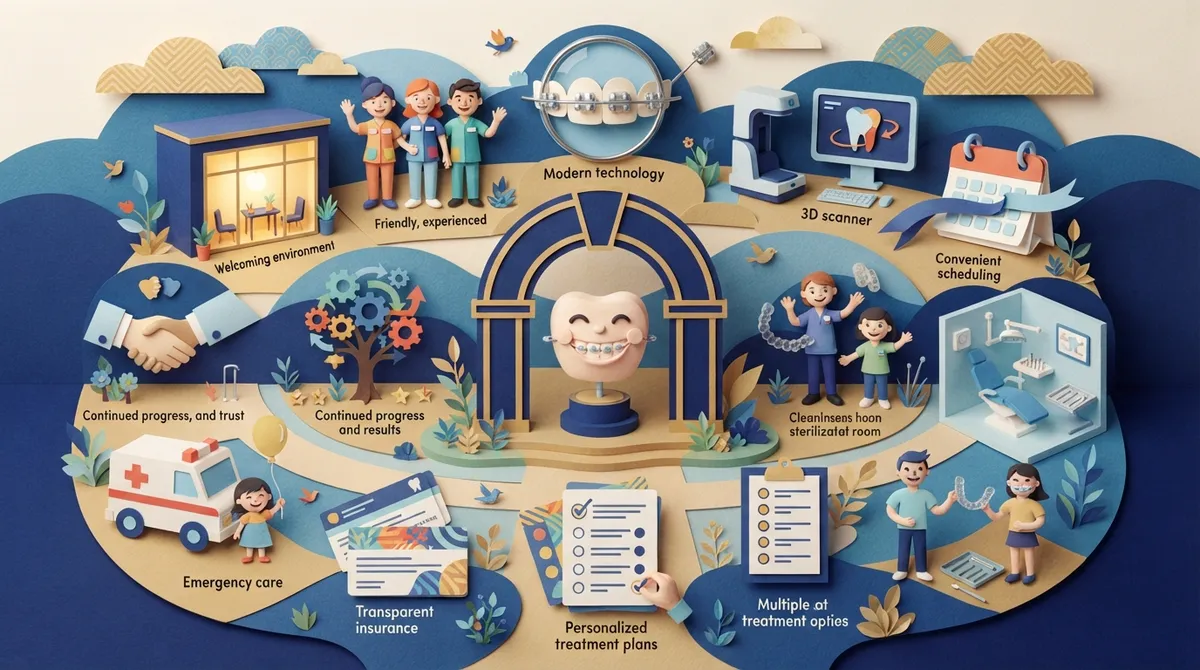
In this friendly guide, we’ll walk through 13 things that separate a great orthodontic office from an average one. Use this list as a checklist when you compare the best places for braces near you, and you’ll feel much more confident about your choice.
13 Things That Make the Best Places for Braces Near Me
Think of the list below as your scorecard. A great practice won’t necessarily tick every single box, but the more it checks, the better your experience is likely to be.
1. A True Orthodontic Specialist
An orthodontist goes to dental school first. Then they complete extra specialty training just in orthodontics. That added education matters, because moving teeth and guiding jaws is a skill all its own. The American Association of Orthodontists (AAO) says its membership is limited to appropriately trained orthodontists, so that’s a helpful sign to look for.
Curious about the difference between the two? Our guide on orthodontist vs. dentist: which one do you actually need breaks it down simply.
2. Verified Credentials and Licensing
Don’t be shy about checking. You can confirm any provider’s license with your state dental board. For Florida families, the Florida Association of Orthodontists is also a handy place to learn what good orthodontic care looks like. A trustworthy office is proud of its training and happy to talk about it.
3. A Wide Range of Treatment Options
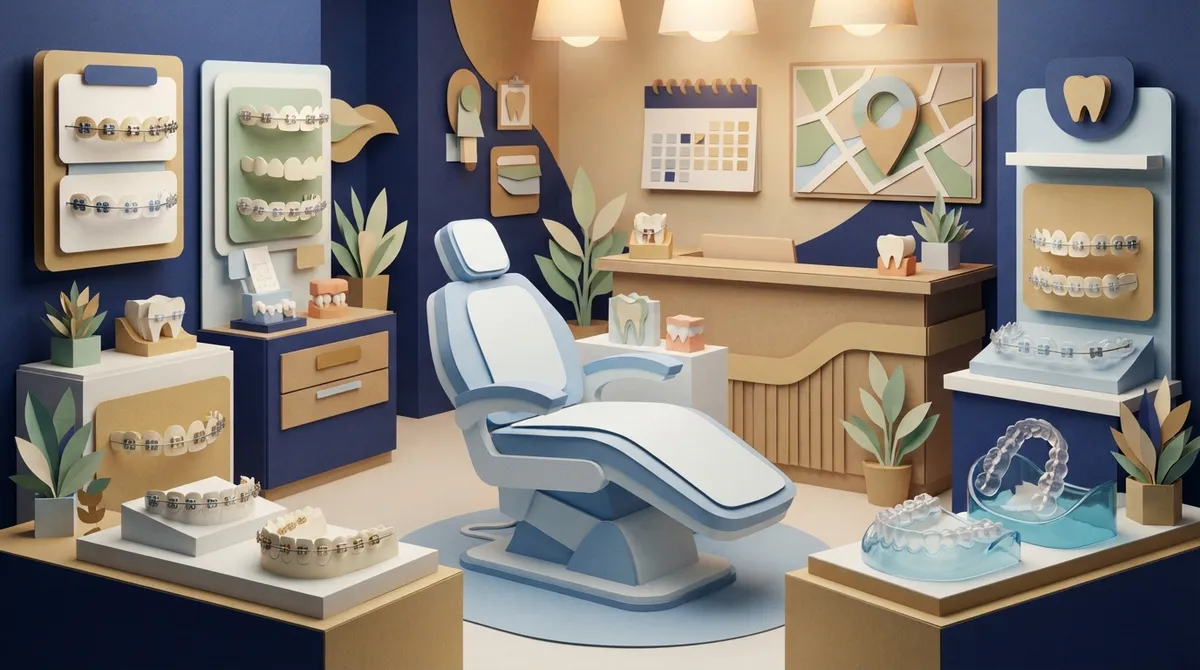
Smiles are as different as fingerprints, so one treatment doesn’t fit all. The best places for braces offer several choices, such as:
- Traditional metal braces for dependable results on many types of cases
- Ceramic (clear) braces that blend in with your teeth
- Lingual braces that sit behind the teeth, offered by some practices
- Clear aligners for a removable, discreet option when they suit your needs
At Brockway Orthodontics, patients can choose from metal braces, ceramic braces, and Spark™ Clear Aligners, a more affordable alternative to Invisalign. Having options means your plan is built around you, not the other way around.
4. A Personalized Treatment Plan
Be careful of any office that hands out the same plan to everyone. A good orthodontist explains what bite or alignment concerns they found, which options make sense for you, and why. Learn what goes into a plan in what goes into your orthodontic treatment plan.
5. A Welcoming Consultation
The first visit tells you a lot. Does the team listen? Do they answer questions without rushing? A consultation should leave you feeling informed, not pressured. You can see what a first appointment looks like on our Your First Visit page.
Here’s a short list of questions worth asking at any consultation:
- What bite or alignment concerns do you see?
- Which treatment options fit me, and why?
- How often will I need appointments?
- Who will oversee my care at each visit?
- What does the total fee include?
6. Clear, Upfront Pricing
Money talk can feel awkward, but a great office makes it easy. Ask for a written estimate that lists what is included, such as records, adjustments, and retainers, and what could cost extra. Published U.S. estimates vary quite a bit, and only an exam can give you a real quote. The table below shows approximate ranges from recent 2026 guides.
| Braces Type | Approximate U.S. Range | Good to Know |
|---|---|---|
| Metal braces | $3,000–$7,000 | Often the most budget-friendly choice |
| Ceramic braces | $4,000–$8,000 | Tooth-colored brackets blend in |
| Lingual braces | $5,000–$13,000 | Wide range; custom made and placed behind teeth |
These are rough estimates, not local quotes. Cost depends on your location, how complex your case is, the type of treatment, and how long it takes. For more detail, see how much braces cost: a friendly breakdown for 2026.
7. Flexible Payment and Insurance Help
Even the best braces plan only works if it fits your budget. Look for an office that offers payment plans and helps you understand your insurance. A common orthodontic benefit is 50% coverage up to a $1,500 lifetime maximum per child, but benefits differ from plan to plan. Always confirm your own coverage with your insurer, including eligibility and exclusions.
Our financing and insurance page explains how we help families, and you can also read how to use dental insurance to help pay for braces.
8. Convenient Location and Hours
Braces mean regular visits, so travel time matters more than you might think. Check office hours, parking, and how easily you can fit appointments around school or work. Same-day treatment, in certain cases, can also save you extra trips.
9. A Plan for Emergencies
A bracket pops off. A wire pokes your cheek. It happens! Ask how the office handles broken appliances and urgent concerns. Knowing the answer ahead of time gives you real peace of mind. If you want a quick sense of what counts as urgent, read emergency vs. routine orthodontics.
10. Modern Technology
Technology makes treatment more comfortable and more precise. Look for digital impressions, which replace messy molds, and 3D imaging that helps the doctor plan your care carefully. These tools can make your visits smoother and your planning more accurate.
11. Care for the Whole Family
Is it a bonus if everyone in your home can see the same team? Absolutely. Practices that treat kids, teens, and adults make scheduling simpler and often feel more like a community. Explore options for early treatment, adolescent treatment, and adult treatment to see how care changes at each stage of life.
12. A Warm, Comfortable Office
You’ll spend a lot of time here, so the vibe counts. Friendly front desk, clean space, and a team that remembers your name all make a difference. Take a peek at our office to see what a welcoming practice can feel like.
13. Real Patient Feedback
Reviews help, but read them with care. Look for patterns, such as mentions of kindness, clear communication, and results. A single bad review rarely tells the full story, but repeated comments do. You can see what neighbors say about us on Google for Brockway Orthodontics and on our patient reviews page.
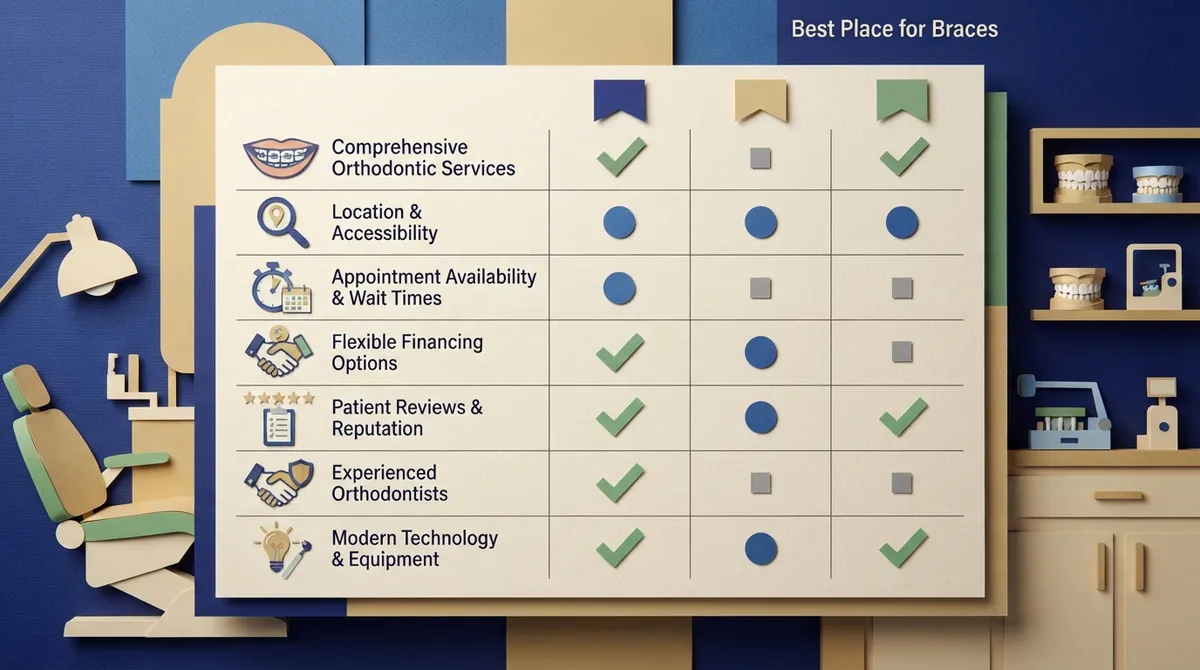
Quick Comparison Checklist
Print this, screenshot it, or keep it on your phone while you visit different offices.
| What to Check | Why It Matters | Green Flag |
|---|---|---|
| Specialist training | Skill in moving teeth and guiding jaws | Board-trained orthodontist, licensed in your state |
| Treatment choices | Fits your lifestyle and needs | Braces and aligners explained clearly |
| Pricing | No surprise bills | Written estimate listing what’s included |
| Appointments | Fits your schedule | Flexible hours and emergency plan |
| Communication | You feel heard | Questions answered without pressure |
Tips for Different Kinds of Patients
The right fit can look a little different depending on who the patient is. Here are a few friendly pointers.
For Parents of Kids and Teens
Look for an office that makes kids feel at ease and explains things in a way young people understand. Many experts suggest a first check-up around age 7, because early checks can spot growth concerns sooner. Our guide on when your child should see an orthodontist can help you plan, and which braces are best for kids in 2026 explains options for growing smiles.
For Teens and Young Adults
You probably care about looks and lifestyle, and that’s totally fair. Ask about discreet choices like ceramic braces or clear aligners, and be honest about sports, music, or events coming up. A good team will work with your calendar.
For Busy Adult Professionals
It’s never too late! Many adults want something discreet that won’t slow down a packed workday. Ask about appointment frequency, how long treatment may take, and whether you can book visits at convenient times. Not sure where to begin? Read where adults can find the best braces near them.
For Anyone Retreating After Relapse
If your teeth shifted after earlier treatment, you’re far from alone. Retreatment is common, and a thoughtful orthodontist will look at why the shift happened and build a plan to keep your results this time. Strong retainer habits matter, so visit our page on retainers to learn how to protect your smile.
Red Flags to Watch For
Just as there are green flags, there are warning signs too. Be cautious if an office:
- Pushes you to sign up on the spot with no time to think
- Won’t give a clear, written breakdown of costs
- Can’t explain who will oversee your care at each visit
- Promises unrealistic results or very fast timelines
- Brushes off your questions or concerns
It’s perfectly okay to compare consultations or get a second opinion before you start. A confident, caring practice will welcome it. You can also review common slip-ups in 7 mistakes to avoid when choosing an orthodontist near me.
Why Brockway Orthodontics Is a Smart Place to Start
If you’re searching in Clearwater, Florida, we’d love to meet you. Dr. Brockway is more than a qualified orthodontist. She takes time to listen to your concerns and your hopes for your smile, so you feel comfortable and informed from start to finish.
Our practice treats the whole family, from teens getting first braces to adults exploring a discreet change. We use modern tools like digital impressions and 3D imaging, and in certain cases we can offer same-day treatment so you can begin without extra visits. We also care deeply about our community, because building relationships with families is just as important to us as creating beautiful smiles.
Curious about the full range of care? Browse our services or read our friendly guide on discovering the best places for braces near me in Clearwater, FL.
Your Next Steps
Ready to move from searching to doing? Here’s a simple path to follow:
- Make a short list of two or three orthodontic offices.
- Verify each provider’s training and state license.
- Book consultations and bring your list of questions.
- Ask for written estimates and compare what’s included.
- Pick the team that listens, explains, and makes you feel at ease.
Final Thoughts
The best places for braces near you share a few things in common: real specialist training, clear pricing, options that fit your life, and a team that treats you like a person instead of a number. Take your time, ask lots of questions, and trust your gut.
Whenever you’re ready, we’d be happy to chat. Book your appointment online to meet Dr. Brockway and learn which option could be right for you, or contact us with any questions. Your best smile might be closer than you think!
FAQs
Q: How do I find a qualified orthodontist near me for braces?
A: Start by looking for a licensed orthodontist with extra specialty training beyond dental school. You can verify a license with your state dental board, then book a consultation or two to see who explains things clearly and makes you feel comfortable.
Q: How much do braces cost, and what should the fee include?
A: Published U.S. estimates often land in the several-thousand-dollar range, with metal braces around $3,000–$7,000 and ceramic around $4,000–$8,000. Only an exam can give you a real quote, so ask for a written estimate that lists records, adjustments, retainers, and anything that could cost extra.
Q: Does dental insurance cover braces?
A: Sometimes it does! A common benefit is 50% coverage up to a $1,500 lifetime maximum per child, but plans vary by age and eligibility. Always check with your insurer directly, and ask your orthodontist’s team to help you understand your benefits.
Q: What should I ask at a braces consultation?
A: Ask what concerns the orthodontist found, which treatment options fit you and why, how often you’ll need visits, who will oversee your care, and what the total fee includes. It’s also fine to compare plans or get a second opinion before you decide.
Q: Which type of braces is right for me?
A: It depends on your teeth, your goals, and your lifestyle. Options include metal braces, ceramic braces, lingual braces, and clear aligners, and your orthodontist can explain the benefits and limits of each so you can choose with confidence.
Our Service Area