Key Takeaways
-
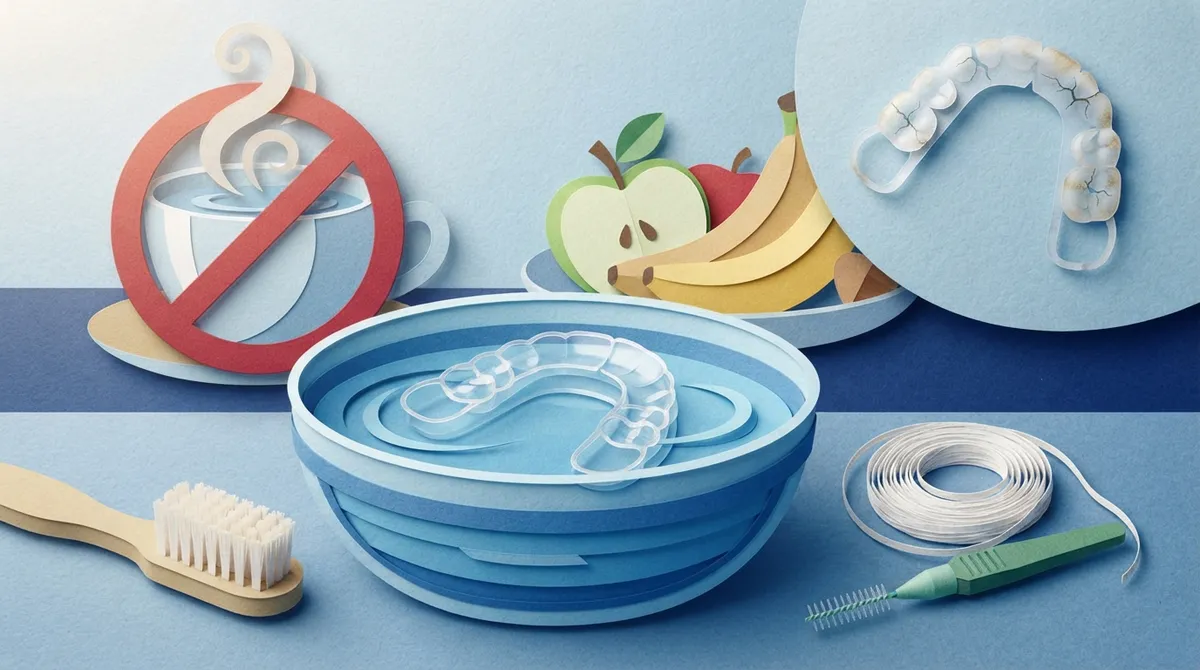
Never use hot or boiling water on retainers as it permanently warps thermoplastic materials, causing loss of fit and compromising teeth alignment.
-
Clean removable retainers daily with cool water and a soft-bristled toothbrush using mild soap, and avoid harsh chemicals, bleach, abrasive toothpaste, and whitening products that damage plastic.
-
Remove retainers before eating or drinking anything except plain water to prevent food trapping, cavity risk, and physical damage from chewing.
-
For fixed bonded retainers, use a floss threader and interdental brush daily to clean around the wire, as trapped plaque and food require more careful attention than removable retainers.
-
Replace clear plastic retainers every 1-2 years and watch for cloudiness, cracks, loose fit, or warping; never attempt to adjust damaged retainers yourself.
-
Establish a daily routine of rinsing, gentle brushing, thorough rinsing, and storage in a ventilated case; supplement weekly with orthodontist-approved cleaning tablets for optimal bacterial control.
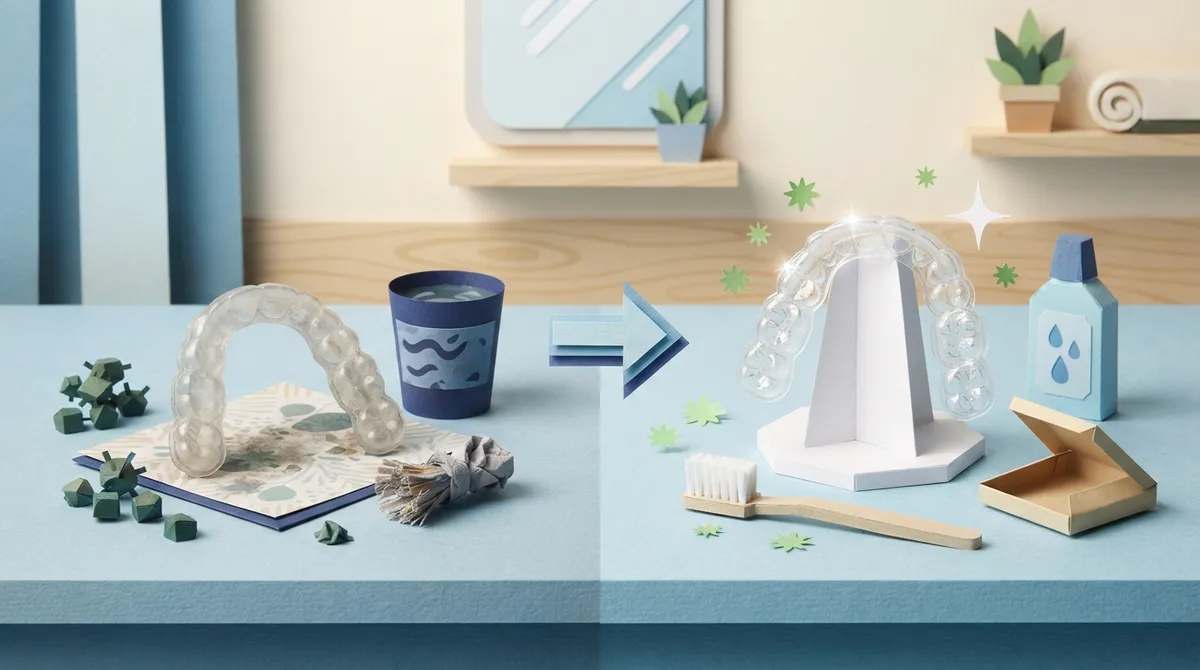
Congratulations on finishing your orthodontic treatment! Whether you just got your braces off or picked up a new set of Spark™ Clear Aligners, your retainer is now the guardian of that gorgeous new smile. But here’s a little secret: a dirty retainer can undo a lot of hard work. Bacteria, plaque, and food particles love to hide on retainers, and if you’re not cleaning yours the right way, you could end up with a cloudy, smelly, or even damaged appliance.
The good news? Cleaning retainers doesn’t have to be complicated or stressful. Most mistakes happen simply because patients were never given clear instructions, or they mix up advice meant for dentures or aligners. At Brockway Orthodontics in Clearwater, we want every patient, from teens finishing braces to adults maintaining their smile for decades, to feel confident about retainer care. Let’s walk through the five most common cleaning mistakes, and how to fix them for good.
Why Cleaning Retainers the Right Way Actually Matters
Your retainer sits against your teeth and gums for hours every day (or night). That makes it a magnet for saliva, plaque, and bacteria. A 2022 study of acrylic orthodontic retainers found seven different bacterial groups and 72 separate bacteria types living on these appliances, with Streptococcus showing up most often. That’s not meant to scare you, it’s just a reminder that a quick daily rinse really does make a difference.
The same research found something encouraging too: combining gentle brushing with an approved cleaning solution worked better than either method alone. So the goal isn’t just wiping your retainer off, it’s using the right combination of habits every single day.
Mistake 1: Using Hot Water to Clean or Rinse Your Retainer
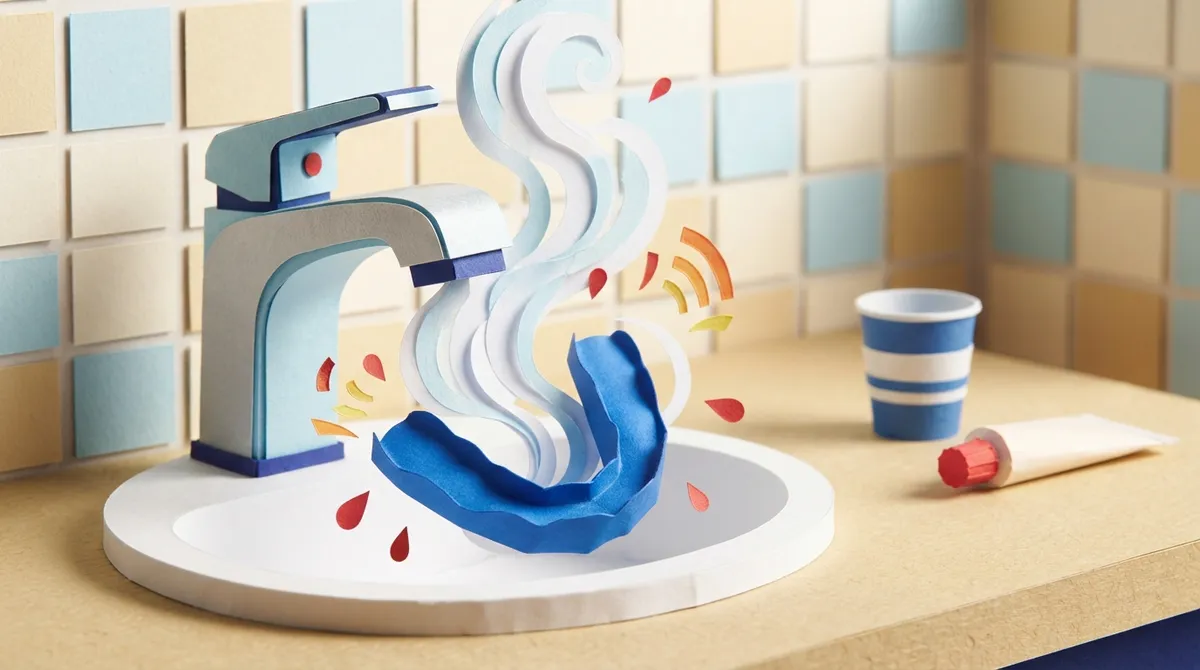
This is probably the most common (and most damaging) mistake we see. It feels natural to reach for hot water when you want something extra clean, but heat is the enemy of clear plastic retainers.
Thermoplastic retainers, like the clear Essix-style trays many patients wear after finishing treatment with braces or aligners, can warp permanently in hot water. Once that happens, the retainer no longer fits your teeth properly, and a warped retainer can’t do its job of holding your smile in place.
- Never rinse or soak your retainer in hot or boiling water
- Avoid leaving it near a stove, dishwasher, or radiator
- Don’t leave your retainer case in a hot car during Florida summers
- Stick to cool or lukewarm water for rinsing and cleaning
If your retainer already feels tight, loose, or difficult to insert after exposure to heat, it’s time to get it checked. Our team can evaluate whether it still fits properly during a visit, so don’t hesitate to reach out to our office if something feels off.
Mistake 2: Reaching for Harsh Chemicals or Abrasive Toothpaste
We get it, you want your retainer spotless. But bleach, alcohol-based mouthwash, and many household cleaners are simply too harsh for orthodontic appliances. These products can break down the plastic or leave behind residue that isn’t safe to put in your mouth.
Abrasive toothpaste is another sneaky culprit. While toothpaste seems like an obvious choice since it’s made for teeth, some formulas contain gritty particles that can scratch clear plastic retainers. Those tiny scratches trap bacteria and make your retainer look cloudy over time.
| Safe to Use | Avoid Using |
|---|---|
| Cool or lukewarm water | Hot or boiling water |
| Soft-bristled toothbrush | Stiff or medium-bristled brushes |
| Mild, fragrance-free liquid soap (if approved by your orthodontist) | Bleach or alcohol-based cleaners |
| Manufacturer-approved cleaning tablets | Vinegar or mouthwash without guidance |
| Non-abrasive toothpaste (if approved) | Whitening or gritty toothpaste |
Every patient’s retainer is a little different, whether it’s a Hawley retainer with metal wire, a clear thermoplastic tray, or a fixed bonded retainer. That’s why the American Dental Association and orthodontic specialists recommend always following your provider’s specific instructions rather than generic online advice. If you’re unsure what’s safe for your particular retainer, our FAQ page covers plenty of common questions, or you can always ask us directly.
Mistake 3: Skipping Daily Cleaning (Or Only Cleaning When It Smells Bad)
Life gets busy. We understand that popping your retainer out for a thorough clean isn’t always top of mind after a long day. But skipping daily cleaning lets plaque and bacteria build up fast, which leads to that unpleasant odor and cloudy appearance nobody wants.
Here’s a simple daily routine that works for most removable retainers:
- Remove your retainer and rinse it with cool water right away
- Gently brush all surfaces with a soft toothbrush, reaching into grooves and edges
- Rinse thoroughly again to remove any soap or cleaning residue
- Dry it briefly with a clean tissue if needed
- Store it in its ventilated case, never in a napkin or loose in your pocket
For an extra deep clean, many orthodontists recommend a retainer-cleaning tablet once a week or as directed. A 2019 study of clear vacuum-formed retainers found that peroxide-based cleaning tablets combined with brushing significantly reduced harmful bacteria compared to brushing alone. Interestingly, that same study found vinegar-based cleaning worked about as well as the tablets, though you should always check with your orthodontist before trying a new method at home.
Mistake 4: Ignoring Fixed or Bonded Retainer Care
If you have a permanent retainer, that thin wire bonded behind your front teeth, cleaning looks completely different. You can’t just pop it out and brush it like a removable retainer. Many patients mistakenly think fixed retainers need less care since they’re “out of sight,” but the opposite is true.
Because food and plaque can get trapped around the bonded wire, fixed retainers actually require more careful daily attention. Here’s what proper care looks like:
- Brush gently around and underneath the wire every time you brush your teeth
- Use a floss threader or interdental brush to clean between teeth where the wire sits
- Check the wire regularly for any looseness or damage
- Never try to bend, trim, or repair the wire yourself
- Schedule regular checkups so we can inspect the bonding and wire condition
A loose or broken bonded retainer needs professional attention quickly, since your teeth can start shifting within days. If you notice anything unusual, our page on what to do if your retainer breaks walks you through the next steps while you wait for an appointment.
Mistake 5: Wearing Your Retainer While Eating or Drinking Anything Except Water
It sounds harmless enough, keep the retainer in while you grab a snack or sip a soda. But this habit invites trouble on two fronts. First, food particles and sugary drinks get trapped underneath the retainer against your teeth, which raises your risk of cavities and enamel damage. Second, chewing with a retainer in place can crack or distort it.
Unless your orthodontist has told you otherwise, the rule of thumb is simple: retainers come out for anything except plain water. This single habit prevents a huge percentage of retainer damage and staining we see in our Clearwater office.
How Often Should You Replace Your Retainer?
Even with perfect care, retainers don’t last forever. Clear plastic retainers typically need replacing every one to two years, while Hawley retainers with metal frameworks can sometimes last longer with good maintenance. Watch for these warning signs that it’s time for a replacement:
- Cloudy or discolored appearance that cleaning doesn’t fix
- Cracks, chips, or sharp edges
- A retainer that feels loose or doesn’t seat properly anymore
- Visible warping or distortion
- Difficulty inserting it compared to when it was new
Never try to adjust or repair a damaged retainer on your own. An altered retainer can shift your teeth in ways you didn’t intend, sometimes undoing years of treatment. If something seems off, it’s always worth a quick visit rather than guessing at home.
Building Good Habits for Every Family Member
Whether you’re a parent managing a teenager’s retainer routine or an adult who finished treatment years ago and is now dealing with some relapse, good habits matter at every age. Retainer care fits naturally alongside the rest of your orthodontic care routine, right next to brushing, flossing, and regular dental checkups.
For parents of children and teens, it helps to make cleaning part of the daily routine, right after brushing teeth in the morning and before bed. For busy adult professionals, keeping a travel case and mini toothbrush in your bag makes it easy to clean your retainer even when you’re away from home. And for anyone who previously had braces and is now noticing their teeth shifting slightly, it’s never too late to talk with us about updated retainer options.
The Florida Association of Orthodontists and the American Dental Association both emphasize that retainer care instructions should always come from your treating orthodontist, since materials and designs vary so much. That’s exactly why our team takes time during every appointment to walk through your specific retainer’s care needs, not just hand you a generic pamphlet.
When to Call Brockway Orthodontics About Your Retainer
Not every retainer issue is an emergency, but some situations do call for a quick check-in with our team. Reach out if you notice any of the following:
- Your retainer suddenly feels too tight or too loose
- You spot cracks, sharp spots, or breaks anywhere on the appliance
- Cleaning no longer removes cloudiness or odor
- A fixed retainer wire feels loose or has come away from a tooth
- You’ve lost your retainer and need a replacement plan
Our friendly team in Clearwater is always happy to answer questions, whether you’re a longtime patient or new to our practice. Feel free to explore our retainers page for more details on the types we offer, or check out what to expect during your first visit if you’re just getting started with us.
Keep Your Smile Bright with Simple Daily Care
Cleaning retainers doesn’t have to feel like a chore or a mystery. With a few simple daily habits, cool water, gentle brushing, safe storage, and avoiding heat and harsh chemicals, you can protect your investment in your smile for years to come. Small consistent efforts really do add up to big results.
If you have questions about your retainer, notice any changes in fit, or simply want a refresher on best practices, our team at Brockway Orthodontics is here for you. We proudly serve families throughout Clearwater, Florida, and we’d love to help you keep that smile shining. You can also visit us on Google — Brockway Orthodontics to see what our patients are saying about their experience with us. Ready to get expert guidance on your retainer or explore your next steps in orthodontic care? Book your appointment online today, and let’s keep your smile healthy and beautiful together.
FAQs
Q: How often should I clean my retainer?
A: You should give your removable retainer a gentle clean at least once a day, ideally after brushing your teeth. If your orthodontist recommends a soaking tablet, using it about once a week can help keep bacteria and buildup under control.
Q: Can I clean my retainer with toothpaste?
A: Some toothpastes are fine, but abrasive or whitening formulas can scratch clear plastic retainers. It’s best to check with your orthodontist first, since a mild, non-abrasive option or approved liquid soap is often the safer choice.
Q: Can hot water damage or warp my retainer?
A: Yes, absolutely! Hot or boiling water can warp thermoplastic retainers permanently, causing them to lose their fit. Always stick to cool or lukewarm water when rinsing or cleaning your retainer.
Q: How do I clean a permanent or bonded retainer?
A: Since you can’t remove a bonded retainer, you’ll want to brush carefully around and underneath the wire every time you brush your teeth. A floss threader or interdental brush also helps clean those hard-to-reach spots between your teeth.
Q: What should I do if my retainer no longer fits?
A: Don’t try to adjust it yourself, that can cause your teeth to shift incorrectly. Instead, give our office a call so we can check the fit and figure out the best next step for your smile.
Our Service Area