Key Takeaways
-
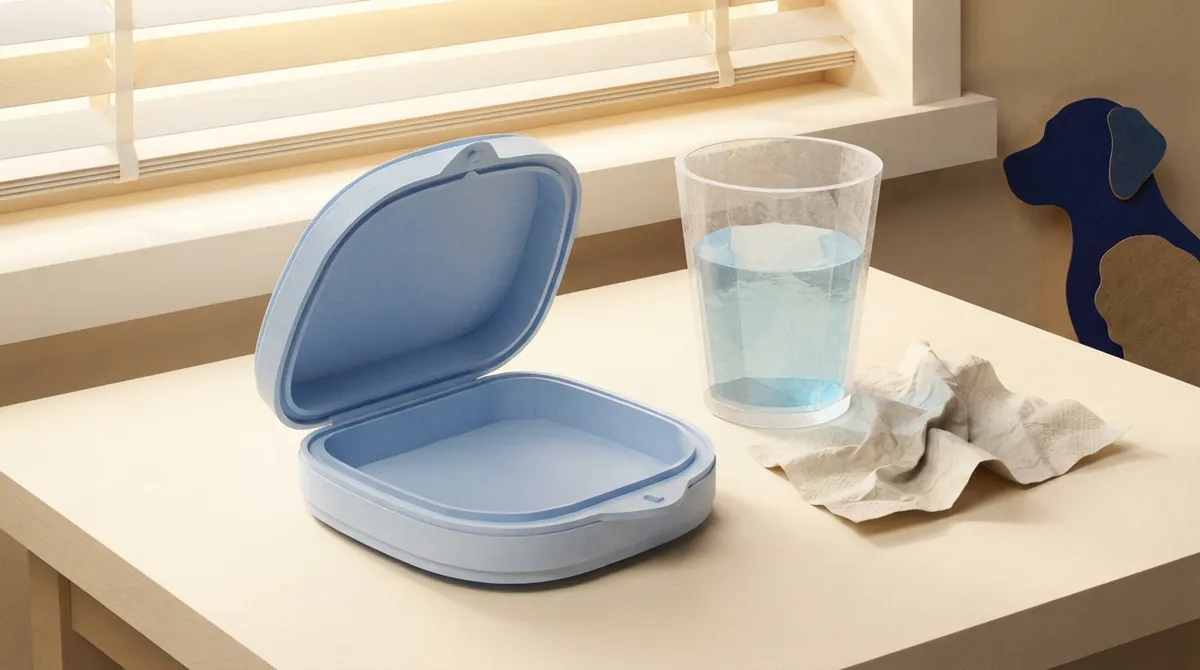
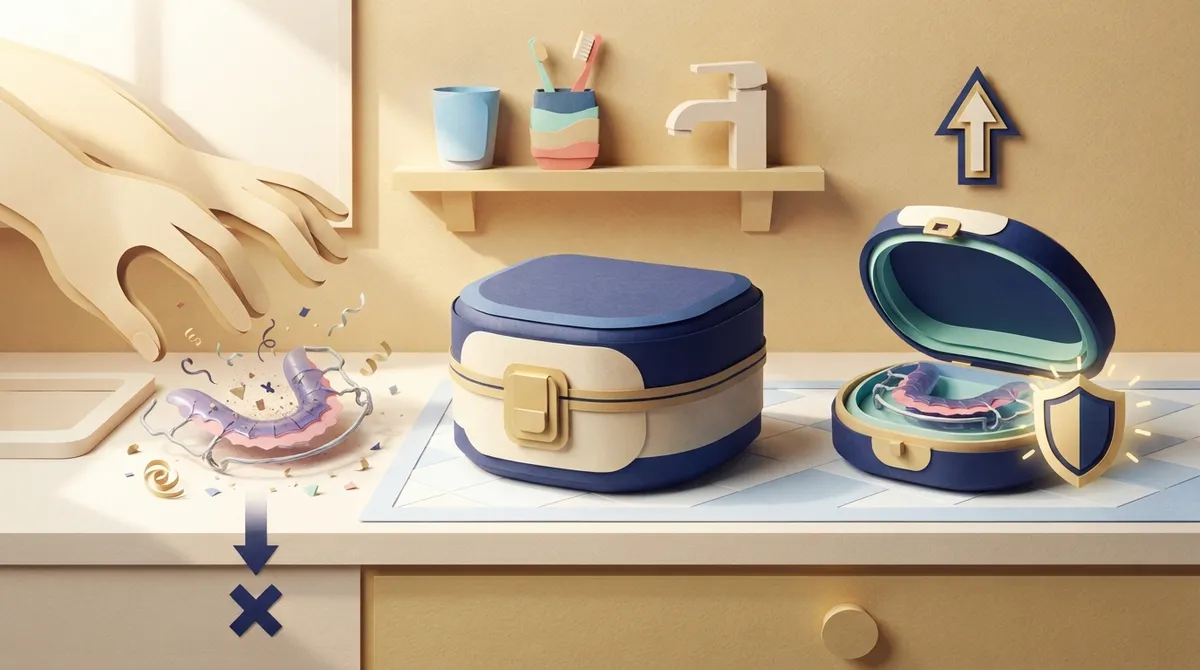
Keep your retainer in its case whenever it is out of your mouth; the AAO says it should be in your mouth or its protective case, nothing else.
-
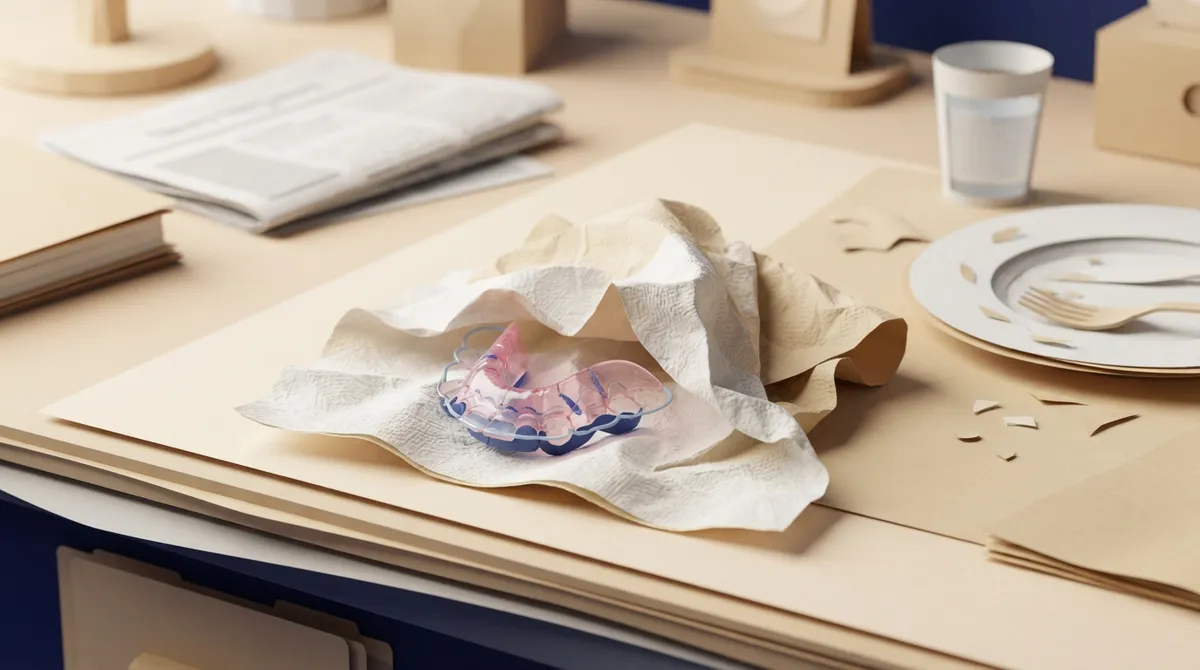
Never wrap a retainer in a napkin or tissue, since it looks like trash and is often thrown away with lunch leftovers.
-
A case does not clean your retainer, so rinse it with cool water and gently brush it regularly; avoid hot water and bleach.
-
A case does not protect against heat, so keep both retainer and case away from hot cars, sunny windowsills, and heaters to prevent warping.
-
Store the case out of reach of pets, since dogs are drawn to retainers and chewing or swallowing one can be harmful.
-
Replace a case that is cracked, loose, worn, or still smells after washing, and call your orthodontist promptly if a retainer is lost, broken, or no longer fits.
Picture this: you pop out your retainer at lunch, wrap it in a napkin, and head back to class or the office. An hour later, the napkin is gone, and so is your retainer. Sound familiar? You are not alone! It happens to teens, parents, and adults every single day.
Here is the good news. One small habit can save you from that headache. Keeping your retainer in a protective case whenever it is out of your mouth is one of the simplest ways to protect the smile you worked so hard to get. If you are wondering why retainers should be kept in a case, the short answer is this: a case prevents loss, damage, and pet mishaps.
In this friendly guide, we will walk through 11 common mistakes people make with their retainers and cases. We will also share easy fixes you can start today. Whether you are a parent helping a busy teen, a young adult juggling a packed schedule, or an adult returning to retainer wear after relapse, you will find tips that fit your life.
Why Retainers Should Be Kept in a Case: The Quick Answer
According to the American Association of Orthodontists (AAO), a removable retainer should be in one of two places: in your mouth or in its protective case. That is it. No pockets, no napkins, no trays.
A good case does three big jobs for you:
- It prevents loss. A retainer in a case is easy to spot and hard to throw away by accident.
- It prevents damage. A sturdy case shields your retainer from crushing, bending, and scratching.
- It keeps pets away. Dogs love chewing retainers, and that is bad news for both your appliance and your pup.
Think of your retainer case like a seatbelt for your smile. It takes two seconds to use, and it protects something valuable. Now let us look at the mistakes that get people into trouble.
Mistake #1: Wrapping Your Retainer in a Napkin
This is the number one retainer-loss story we hear. Lunch ends, the napkin goes in the trash, and the retainer goes with it. A loose retainer wrapped in tissue or a paper towel looks just like rubbish.
The fix: Keep your case in the same spot every day, such as your backpack’s front pocket or your work bag. Take the retainer out, put it straight in the case, and close the lid. Make this move automatic.
If you ever do lose a retainer, do not panic. Our guide on what to do after you lose your retainer walks you through the next steps.
Mistake #2: Tossing It in a Pocket or Bag Without a Case
A retainer loose in a pocket can fall out, get squashed, or collect lint and germs. In a gym bag or purse, it can get crushed under books, keys, or a water bottle.
The fix: Choose a hard-shell case that closes with a firm snap. Soft pouches and baggies do not offer much protection. A rigid case keeps its shape even when your bag gets heavy.
Mistake #3: Leaving It on a Lunch Tray
Cafeterias, restaurants, and break rooms are retainer graveyards. Trays get cleared fast, and nobody checks for a tiny piece of plastic.
Mistake #4: Letting Pets Have Access
Dogs are drawn to retainers because they carry your scent and have a chewy texture. A chewed retainer is usually ruined. Worse, chewing or swallowing one may pose a risk to the animal.
A closed case on a high shelf or in a drawer keeps curious pets out of the picture. Want more ideas? Check out these easy habits for keeping retainers safe from pets.
Mistake #5: Forcing a Bent Retainer Back Into Place
Let us say your retainer got squished in a bag. It feels tight or looks warped. The temptation is to push it in anyway. Please do not!
A damaged or ill-fitting retainer can shift your teeth in the wrong direction or irritate your gums. Instead, call your orthodontist. We explain more in why you should not force an ill-fitting retainer.
Mistake #6: Thinking the Case Replaces Cleaning
A case protects your retainer, but it does not clean it. Bacteria, plaque, and film can still build up on the plastic or wire. Storing a dirty retainer in a case can even make odors worse.
The AAO recommends rinsing your retainer with cool water and cleaning it gently. Hot water and harsh chemicals like bleach can damage the appliance. For a simple routine, see our guide on how to care for your dental retainer the right way.
A Simple Daily Cleaning Routine
- Remove your retainer and rinse it with cool water.
- Gently brush it with a soft toothbrush and mild, non-abrasive soap if your orthodontist approves.
- Rinse again until all soap is gone.
- Let it air dry briefly, then place it in its clean case.
Mistake #7: Believing a Case Protects Against Heat
Here is a sneaky one. A case can protect your retainer from being crushed, but it cannot protect it from heat. Plastic retainers can warp or weaken in a hot car, near a heater, or on a sunny windowsill.
Many people think, “It is in the case, so it is safe.” Not in a 140-degree glove box! Store the case somewhere cool and shady, like a bedroom drawer or a bag you keep with you.
Curious about heat damage in more detail? Read why hot water can warp retainers and how to clean safely.
Mistake #8: Using a Cracked, Worn, or Smelly Case
Your case works hard every day. Over time, hinges crack, lids loosen, and odors set in. A broken case no longer protects your retainer, and a smelly one can transfer bacteria right back onto it.
AAO guidance advises replacing a case that is cracked, worn, or persistently smelly after cleaning. Wash the case regularly with mild soap and warm water, and let it dry fully before use.
How Often to Clean or Replace Your Case
| Case Condition | What to Do |
|---|---|
| Slightly dirty or damp | Wash with mild soap and water, then dry completely |
| Lingering odor after cleaning | Replace the case |
| Cracked hinge or loose lid | Replace right away |
| Worn or warped shape | Replace it so your retainer stays secure |
Mistake #9: Skipping the Case “Just This Once”
We all say it. “I will only take it out for a minute.” That minute is when retainers go missing. Most lost retainers disappear during short breaks, like a snack, a game, or a quick chat.
Retainers matter because teeth can shift without them. If you are new to the whole routine, our post on why retainers matter after braces explains what is at stake. For college students and dorm life, these retainer care tips are a great read.
Mistake #10: Waiting Too Long to Call About a Lost or Broken Retainer
Some people lose a retainer and hope it will turn up. Weeks go by, and their teeth begin to drift. Without the prescribed retention, teeth can shift, and your orthodontist can tell you whether a repair or a replacement is the best path.
If your retainer is lost, cracked, or no longer fits, call your orthodontist promptly. If it breaks, here are 8 smart steps to take right away.
What a Case Can and Cannot Do
| A Case Helps With | A Case Does Not Help With |
|---|---|
| Preventing loss | Cleaning your retainer |
| Preventing crushing and bending | Protecting against heat |
| Keeping pets away | Fixing a retainer that no longer fits |
| Keeping your retainer in one designated place | Replacing regular orthodontist checkups |
Mistake #11: Not Having a Backup Case Plan
Life is busy! Your case might be in your gym bag while your retainer is sitting on the bathroom counter. Having one case at home and one in your bag or car (a cool spot, please!) means you always have a safe spot ready.
Parents, here is a tip for teens: keep a spare case in the school backpack and one on the nightstand. It takes the guesswork out of the daily routine. If you are budgeting for replacements, take a look at how to budget for retainer price after braces, because a simple case is far cheaper than a new retainer.
Does the Type of Retainer Matter?
Great question! A case is for any removable retainer, including clear plastic ones and wire-and-acrylic styles. Fixed retainers that are bonded behind your teeth do not come out, so they do not need a case. But if you wear both a fixed and a removable retainer, the removable one still needs its home.
Not sure which style fits you? Compare fixed vs. removable retainers, or learn about Essix retainer tips that keep your clear retainer in great shape.
Easy Habits to Make Your Case Routine Stick
- Pick one home for the case. Same drawer, same bag pocket, every time.
- Use a bright color. A neon case is harder to lose than a clear or beige one.
- Add a name label. Handy if you leave it at a restaurant or school.
- Check before you leave. Do a quick “phone, keys, case” scan.
- Keep it cool. Avoid hot cars and sunny windowsills.
Protect the Smile You Worked For
A retainer case is a tiny tool with a big job. It guards against loss, crushing, and curious pets, and it keeps your retainer in one safe place. Pair it with gentle cleaning, cool storage, and regular checkups, and your retainer can keep doing its job for years.
At Brockway Orthodontics, Dr. Brockway and our team love helping Clearwater families keep their smiles straight and confident. If your retainer is lost, damaged, or feeling off, we are here to help. See what other patients say when you visit us on Google — Brockway Orthodontics, and read more from trusted sources like the American Dental Association.
Ready for personalized retainer guidance? Book your appointment online or contact our team today. We cannot wait to help you protect your smile!
FAQs
Q: Why should I keep my retainer in a case when I am not wearing it?
A: A case is the safest spot when your retainer is out of your mouth. It helps prevent loss, crushing, and chewing by pets, and it keeps your retainer in one easy-to-find place. The AAO says a removable retainer should be either in your mouth or in its case.
Q: Can I wrap my retainer in a napkin or paper towel?
A: Please don’t! Retainers wrapped in napkins look just like trash and are thrown away all the time. Take the extra two seconds to pop it into its case instead.
Q: Can heat damage a retainer even if it is inside its case?
A: Yes, it can. A case protects against crushing and loss, but it does not block heat. Keep your retainer away from hot cars, sunny windowsills, and heaters, because heat can warp or weaken plastic retainers.
Q: What should I do if my retainer is lost, broken, or no longer fits?
A: Call your orthodontist as soon as you can. Teeth can shift without the prescribed retention, and your orthodontist can tell you if a repair or replacement is the best choice. Never force a retainer that doesn’t fit.
Q: How often should I clean or replace my retainer case?
A: Wash the case regularly with mild soap and warm water, and let it dry fully. Replace it if it is cracked, worn, or still smells after cleaning, since a damaged case can’t protect your retainer properly.
Our Service Area