Key Takeaways
-
Get a second opinion after your first consultation and before signing a contract or paying a deposit, when you can compare plans without pressure.
-
Request copies of your written treatment plan, fee agreement, clinical notes, photos, and X-rays or digital scans from your current provider before the new visit.
-
Before any appointment, write down your goals, budget, and time commitment, and a one-page history covering medications, past treatment, dental work, and jaw symptoms.
-
Choose an in-person exam with an orthodontist experienced in adult cases, since a hands-on assessment checks gums, bite, and bone health that photos cannot show.
-
Compare plans on diagnosis, alternatives, risks, timeline, retention, and total cost, not just price or appliance type; if two orthodontists disagree, ask each to explain their reasoning.
-
If already in treatment, keep wearing your appliances and ask the new office how switching providers affects fees, timing, and follow-up before deciding.
So you’ve had an orthodontic consultation, and something about it just doesn’t sit right. Maybe the plan feels bigger than you expected. Maybe the fee was a surprise. Or maybe you simply want to hear another expert’s take before you commit to months of treatment. Good news: that’s completely normal, and it’s a smart move.
More adults than ever are straightening their teeth. The American Association of Orthodontists (AAO) estimated about 1.91 million adults were in active treatment with AAO-member orthodontists in 2024, up from roughly 1.64 million in 2022. With so many people choosing treatment, it pays to feel sure about your plan.
This friendly guide walks you through preparing for a second orthodontic opinion as an adult. You’ll learn when to seek one, what to gather, what to ask, and how to compare plans fairly. By the end, you’ll walk into your next visit feeling calm, organized, and confident.
Why Adults Seek a Second Orthodontic Opinion
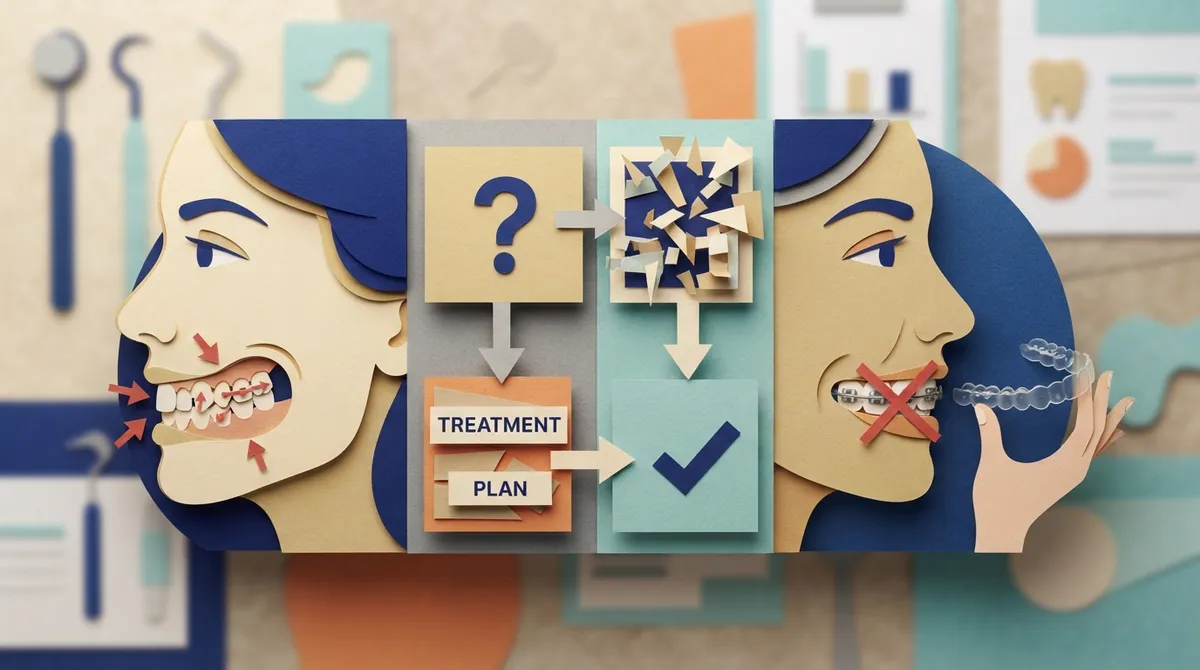
Getting a second opinion isn’t about doubting anyone’s skill. It’s about making sure your treatment fits your goals, your health, and your life. Orthodontic care is a big commitment of time and money, so a little extra clarity goes a long way.
Here are some common reasons adults look for another view:
- The treatment plan feels unclear or hard to follow
- The proposed plan seems more extensive than your concerns call for
- Your main goal, such as fixing a bite or closing a gap, wasn’t addressed
- The cost, timeline, or retention plan wasn’t fully explained
- You were offered only one option, such as braces only or aligners only
- Treatment is already underway and progress feels slow or confusing
A second opinion can happen before treatment starts or while you’re in the middle of it. Either way, the goal is the same: understand your options so you can choose with confidence.
When a Second Opinion Makes the Most Sense
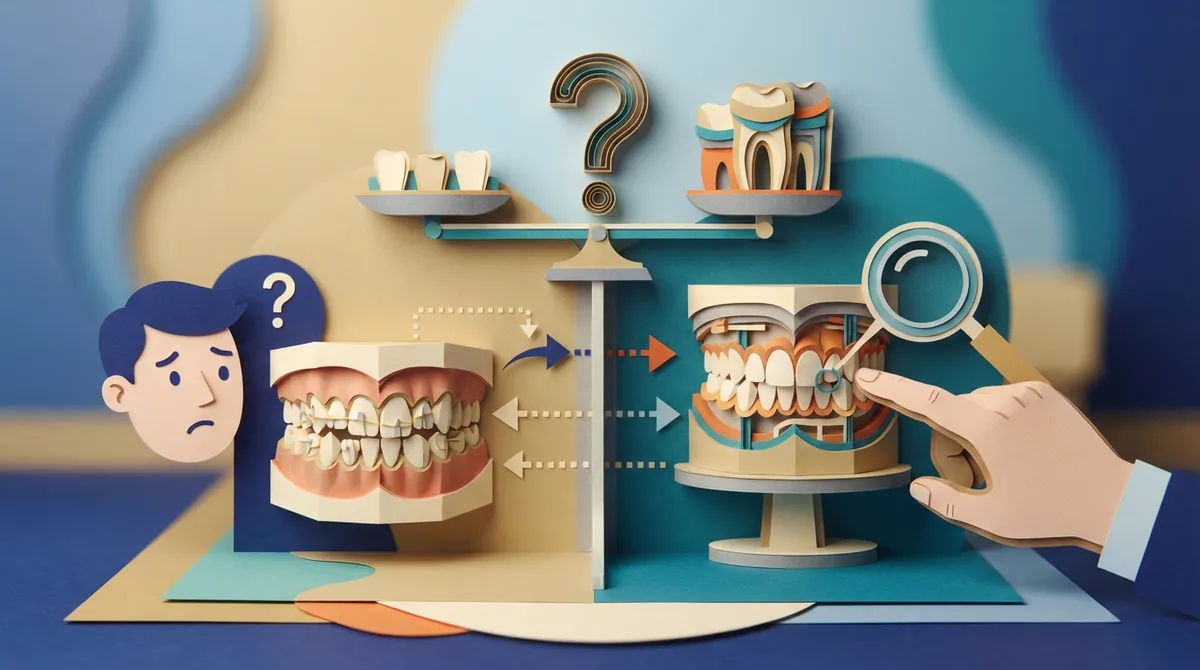
Timing matters a little. The best moment is usually after your first consultation and before you sign a contract or pay a deposit. That way, you can compare plans without any pressure.
You can also seek another view if you’ve already started treatment. You generally don’t need to stop your current care just to ask another orthodontist for input. Just don’t remove appliances or change your routine on your own. Ask for professional guidance first.
If you’ve finished treatment before and your teeth have shifted, a second opinion can also help. Our guide on orthodontic relapse warning signs can help you spot the clues.
Step 1: Get Clear on Your Goals
Before you gather any paperwork, take ten quiet minutes to think about what you actually want. A clear goal makes every conversation easier.
Ask yourself:
- What bothers me most about my smile or bite?
- Do I care more about looks, comfort, chewing, or all three?
- How visible am I willing to have my treatment be at work and in social settings?
- What is my realistic budget and monthly payment range?
- How much time can I commit to appointments and daily care?
Write your answers down. Adult professionals often tell us that discreet treatment and fewer office visits top the list. Others care most about long-term bite health. There’s no wrong answer, but your orthodontist needs to know yours.
Step 2: Request Your Records From Your Current Provider
Your records are the backbone of a useful second opinion. With them, a new orthodontist can see what your first provider saw. Without them, you may need to repeat some diagnostic steps.
Ask your current office for copies of:
- The written treatment plan and fee agreement
- Clinical notes about your diagnosis
- Photographs of your face, teeth, and bite
- Dental and orthodontic X-rays or digital scans
- A summary of any treatment already completed
You have the right to request copies of your own records. Most offices will send them electronically, though a small copying fee sometimes applies. Ask the new office what it can use and whether it needs updated records. Modern digital scans are common now, and our overview of intraoral scanning for orthodontics explains how they work.
Not sure what to ask for? Our article on what dental records to bring to an orthodontist breaks it down further.
Step 3: Write Down Your History and Concerns
A short, organized history helps the new orthodontist understand you quickly. Keep it to one page so nothing gets lost.
Include these details:
- Your main concerns and goals in your own words
- Any past orthodontic treatment, including how long ago and what type
- Current or past dental problems, such as gum issues, cavities, or missing teeth
- Existing dental work like crowns, bridges, or implants
- Medical conditions and medications you take
- Jaw clicking, pain, headaches, or any changes you’ve noticed
Existing dental work matters more than many adults realize. If you have restorations, it affects which treatment fits best. Learn more in our post on using clear aligners with dental restorations.
Step 4: Choose the Right Provider for Your Second Look
Not every provider has the same training. For adult cases, look for an orthodontist with specialist training in orthodontics and experience treating adults. The AAO’s 2024 Orthodontic Landscape Consumer Study reported that orthodontists treated 64% of adult orthodontic patients in the study, compared with 22% treated by dentists and 14% by mail-order providers. Those are survey estimates, but they show most adults choose specialists.
If you want to understand what sets specialists apart, read what makes a specialist orthodontist different. You can also review orthodontist credentials to check before you book.
A few more tips for choosing:
- Pick an in-person exam over a remote or mail-order screening. A hands-on assessment looks at your gums, bite, and bone health in ways a photo cannot.
- Ask whether the practice offers both braces and clear aligners, so you hear a fair comparison.
- Look for an office that welcomes questions and explains things plainly.
At Brockway Orthodontics, Dr. Brockway takes time to listen to your concerns and dreams for your smile. Patients can choose from metal braces, ceramic braces, and Spark Clear Aligners, so the recommendation depends on your needs, not on a single product.
Step 5: Build Your Question List
Going in with a list keeps the visit focused and keeps you from forgetting something important once you’re in the chair. Ask each clinician to explain things in plain language.
Questions About the Diagnosis
- What exactly is the problem, and what is causing it?
- Is my gum and bone health stable enough for treatment?
- Do you see any bite or jaw-joint concerns I should know about?
Questions About the Plan
- What is the goal of each step in this plan?
- What other options exist, including doing nothing for now?
- What are the likely benefits and limits of this approach?
- What risks should I know about?
Questions About Time and Cost
- How long will active treatment take, and how often are visits?
- What is the full cost, and what does it include?
- What happens if my plan changes or ends early?
- Are retainers and follow-up visits included?
For the budget side, our guide on why a written orthodontic fee breakdown matters is a helpful read.
Step 6: Learn How Cost and Insurance Work
Money questions are a big reason adults seek another opinion, so let’s tackle them head on. Ask for a written estimate that separates orthodontic fees from any dental work needed before or during treatment. Gum care or cavity treatment, for example, may come from your general dentist and carry its own cost.
Also confirm these points:
- What your insurance covers, including any lifetime orthodontic maximum
- Payment terms and whether there are monthly plans
- Whether a down payment is required
- What happens to fees if you stop treatment early
Some offices charge for consultations and others offer them free. Compare how each handles it using our post on free vs. paid braces consultations. For help with benefits, see how to get answers to adult orthodontic insurance questions.
Step 7: Know What to Bring to the Appointment
A little prep the night before makes the visit smooth. Here is a simple checklist:
- Copies of your records and treatment plan
- Your one-page history and goals
- Your written question list
- Insurance card and policy details, if applicable
- A list of your medications
- A notebook or phone to jot down answers
Bringing a trusted friend or family member can help too. A second set of ears often catches details you might miss. For more on making the most of the visit, check out how to prepare for your orthodontist consultation.
Step 8: Compare the Plans Side by Side
Here’s where the real work happens. Don’t just ask which plan is cheaper or whether it uses braces or aligners. Compare the reasoning behind each plan. Two good orthodontists can reach different recommendations for valid reasons, and a fair comparison helps you see why.
Use a table like this to line up what you hear:
| Comparison Point | Plan A (First Opinion) | Plan B (Second Opinion) |
|---|---|---|
| Diagnosis and main goal | Appliance type | |
| Alternatives offered | ||
| Estimated treatment time | ||
| Visit frequency | ||
| Risks and limits explained | ||
| Retention plan | ||
| Total cost and what it includes |
Fill in each column right after each visit while details are fresh. Then look for patterns. Do both providers agree on the diagnosis? If so, the difference may just be in approach. If they disagree on the diagnosis itself, ask each to explain how they reached their view.
Braces vs. Aligners: One Piece of the Puzzle
Adult treatment may use braces or clear aligners, but suitability depends on your diagnosis and your ability to follow the plan. Aligners need many hours of daily wear, and braces need careful cleaning. Neither is automatically better. To weigh them, read braces vs. clear aligners: which orthodontic journey is right for you.
Step 9: Look at Timeline and Retention
Timeline is a common point of difference between plans. The AAO’s 2025 Economics of Orthodontics and Patient Census Survey, based on 2024 practice data, reported a median treatment duration of 22 months. Your own timeline can differ a lot depending on your diagnosis, your plan, and how closely you follow it.
If one plan promises a much shorter timeline, ask why. Sometimes a faster plan treats a narrower goal. Sometimes it skips steps that protect long-term results. Our guide on how treatment length affects orthodontic costs explains the link between time and price.
Retention deserves equal attention. Teeth want to drift back, so every good plan includes retainers. Ask what type is recommended, how long to wear it, and whether replacements are covered. Our post on why your smile needs retainers for life shows why this step matters so much.
What to Do If Two Orthodontists Disagree
It happens, and it can feel stressful. But disagreement isn’t a sign that one provider is wrong. Orthodontics often has more than one safe path. The key is understanding the reasoning.
If your two opinions differ, try these steps:
- Ask each provider to explain why they chose their approach
- Ask what each would recommend if you had your exact goals and budget
- Check that both plans address your main concern
- Consider which provider explained things most clearly
- Trust your comfort level, since you’ll see this team often
If you’re still stuck, a third opinion is okay. You can also tell your top choice what concerns you and let them respond. A good orthodontist welcomes that conversation.
If You’re Already in Treatment
Seeking input mid-treatment takes extra care. Start by asking your treating office for your records and a summary of progress. Then ask the new office how a change of provider could affect continuity, fees, timing, and who is responsible for follow-up.
Keep these points in mind:
- Don’t stop wearing your appliances while you decide
- Don’t change aligner trays or remove brackets on your own
- Ask whether any fees already paid would transfer or be refunded
- Confirm how a mid-treatment handoff would work before agreeing to it
Many adults only need reassurance that treatment is on track. Others discover a better path. Either way, an informed choice beats lingering doubt. Our post on budgeting for switching orthodontists mid-treatment covers the money side in detail.
Common Mistakes to Avoid
A few missteps can make a second opinion less useful. Watch out for these:
- Skipping the records request and showing up empty-handed
- Judging plans by price or appliance alone
- Relying on a remote screening instead of an in-person exam
- Forgetting to ask about retainers and post-treatment visits
- Waiting so long that a deposit is already paid
For more on pitfalls, see 7 mistakes to avoid when choosing orthodontic treatment.
Ready to Move Forward With Confidence?
Preparing for a second orthodontic opinion as an adult really comes down to a few simple habits: know your goals, gather your records, ask good questions, and compare plans on substance. When you do those things, you stay in the driver’s seat of your own care.
If you’d like a fresh set of eyes, Brockway Orthodontics is here to help. Dr. Brockway offers metal braces, ceramic braces, and Spark Clear Aligners for patients of all ages, with a warm, no-pressure approach. You can read what patients say by visiting Brockway Orthodontics on Google. For credentialing standards, the American Dental Association and the Florida Association of Orthodontists are good places to learn more.
Bring your records and your questions, and we’ll walk through your options together. Book your appointment online or contact us with any questions. Your smile deserves a plan you feel good about.
FAQs
Q: When should an adult get a second opinion from an orthodontist?
A: A great time is after your first consultation and before you sign a contract or pay a deposit. It’s also reasonable if the plan feels unclear, overly extensive, or doesn’t address your main concern. You can even seek one mid-treatment, as long as you keep your current care going until you get professional guidance.
Q: What records should I bring to a second orthodontic consultation?
A: Ask your current provider for your written treatment plan, fee agreement, clinical notes, photos, and X-rays or digital scans. Add a short summary of your dental history, medications, and goals. The new office can tell you what it can use and whether any updated records are needed.
Q: Can I get a second opinion while I’m already wearing braces or aligners?
A: Yes, you can! You generally don’t have to stop treatment to ask another orthodontist for input. Just don’t remove appliances or change your routine on your own, and ask how switching providers could affect fees, timing, and follow-up.
Q: How do I compare two orthodontic treatment plans?
A: Look beyond price and appliance type. Compare the diagnosis, goals, alternatives, risks, timeline, visit frequency, retention plan, and total cost. Writing each plan side by side in a simple chart makes the differences easy to spot.
Q: What should I do if two orthodontists recommend different treatments?
A: Don’t panic, since more than one safe path often exists. Ask each provider to explain their reasoning and which plan best fits your goals and budget. If you’re still unsure, a third opinion or a follow-up chat with your top choice can help you decide.
Our Service Area