Key Takeaways
-
There is no fixed upper age limit for braces; candidacy depends on whether your teeth, gums, and supporting bone are healthy, not on your birthday.
-
About 1.91 million adults were in active orthodontic treatment with AAO-member orthodontists in the US in 2024, and adults make up roughly 30% of patients.
-
Today's options include metal braces, tooth-colored ceramic braces, and clear aligners, letting adults choose a more discreet approach that still fits their case.
-
Adult jaws have finished growing, so braces can move teeth but cannot change jaw growth; severe jaw discrepancies may require orthodontics combined with jaw surgery.
-
Gum disease and untreated cavities should be addressed before moving teeth, so an exam checking gums, bone, and dental history is an essential first step.
-
Retainers are generally needed after active treatment because teeth tend to drift back over time, and adults who had braces before can often get a second round of care.
Have you ever caught yourself in the mirror and wondered, “Am I too old for braces?” You are definitely not alone. Many adults carry that question around for years, thinking the window for a straighter smile closed back in high school.
Here is the good news: there is no fixed upper age limit for braces. Teeth can move at any age, as long as your teeth, gums, and the bone that supports them are healthy. In fact, the American Association of Orthodontists estimates about 1.91 million adults were in active treatment with AAO-member orthodontists in the United States in 2024. Adults now make up roughly 30% of orthodontic patients in the AAO’s survey.
So if you have been waiting for the “right time,” this might be it. Whether you are a busy professional, a parent who has put everyone else first, or someone whose teeth have shifted since an earlier round of braces, this guide will walk you through six reasons you can feel confident about starting. We will keep it friendly, simple, and honest, including the situations where a little extra care is needed first.

1. Age Alone Doesn’t Decide Whether You Can Get Braces
Let’s start with the big one. Age is not what makes someone a good candidate for braces. Your oral health is.
When you visit an orthodontist, they look at several things, not just your birthday:
- Your bite and how your upper and lower teeth meet
- The position of your teeth and jaws
- The health of your gums
- How much bone supports your teeth
- Your dental history
- Your personal goals for your smile
If your teeth, gums, and bone are in good shape, there is a strong chance you can move forward. That is why a personal evaluation matters so much. At Brockway Orthodontics adult treatment, the focus is on you as an individual, not a number.
Want a deeper look at this topic? Our article on 8 truths about whether you’re too old for braces shares even more helpful insight.
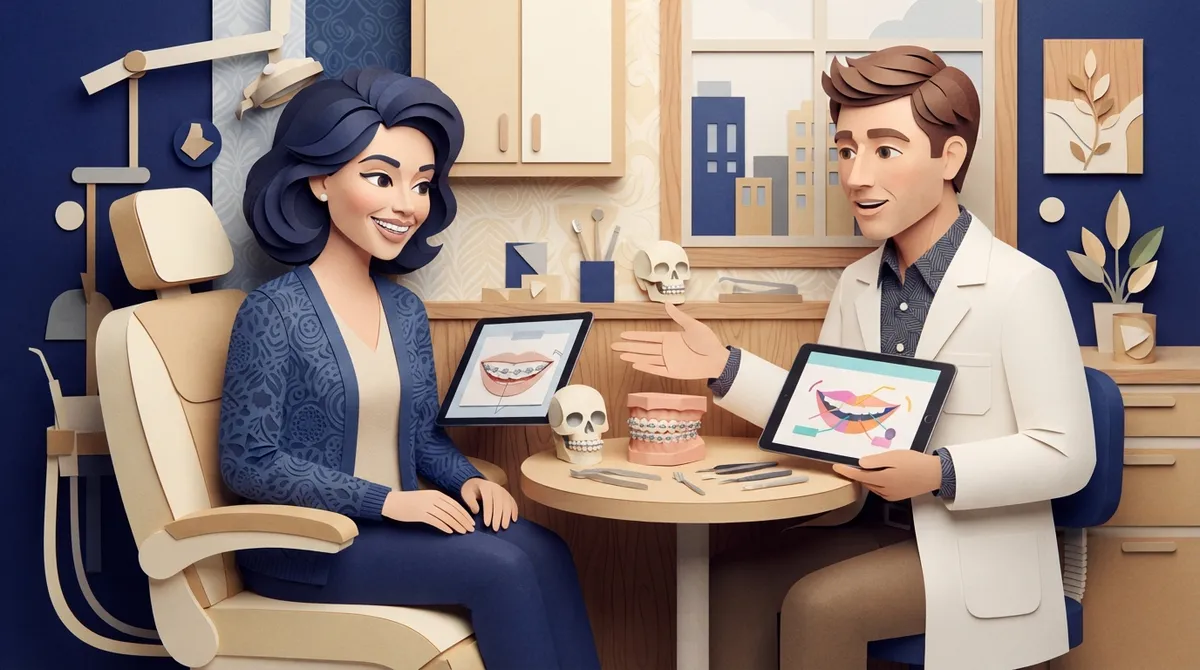
2. Adults Seek Braces for Many Real, Everyday Reasons
Straight teeth look great, but they are about more than looks. Adults often come to an orthodontist because something in daily life feels off.
Common Reasons Adults Choose Orthodontic Care
- Crowding: Teeth overlap or twist, making them hard to clean.
- Spacing: Gaps that bother you or cause food to get stuck.
- Protruding teeth: Front teeth that stick out more than you would like.
- Bite problems: Overbites, underbites, or crossbites that affect comfort.
- Chewing trouble: Difficulty biting or chewing certain foods.
- Cleaning struggles: Crooked teeth can make brushing and flossing tricky.
Treatment can improve both alignment and function. Results do vary from person to person, so an exam is the best way to learn what is realistic for you.
If you are curious about why this trend keeps growing, take a look at why so many adults are getting orthodontic treatment in 2026.
3. You Have More Options Than Ever (And Some Are Very Discreet)
When people hear “braces,” they often picture a teenager with a mouth full of shiny metal. Today’s choices are much more flexible, especially for adults who want a more low-key look.
Depending on your diagnosis and goals, your options may include:
- Metal braces: Strong, reliable, and effective for many cases, including more complex ones.
- Ceramic (clear) braces: Tooth-colored brackets that blend in more with your smile.
- Clear aligners: Removable, nearly invisible trays that gradually shift your teeth.
Brockway Orthodontics offers all three, including Spark™ Clear Aligners, a more affordable alternative to Invisalign. You can learn more about all about braces to see how each style works.
How the Options Compare
| Option | Look | Removable? | Good to Know |
|---|---|---|---|
| Metal braces | Visible metal brackets | No | Effective for a wide range of cases |
| Ceramic braces | Tooth-colored brackets | No | More discreet than metal |
| Clear aligners | Nearly invisible trays | Yes | Great for many mild to moderate cases |
Keep in mind that not every case can be treated well with every type of appliance. Your orthodontist will help you choose the right fit. For a closer comparison, check out clear aligners vs. braces.
4. Braces Work for Adults, But the Plan May Look a Little Different
Do braces work as well for adults as they do for teens? In many cases, yes, they can move teeth effectively. But there are a few differences worth knowing about, and we want to be upfront with you.
Teen jaws are still growing, which can make some changes easier. Adult jaws have finished growing, so treatment may take longer or be a bit more complex in some cases. Braces can move teeth, but they cannot change adult jaw growth.
This means:
- Many bite and alignment problems can be improved with braces or aligners.
- Severe jaw discrepancies may need orthodontics combined with jaw surgery.
- Your orthodontist will explain what braces can and cannot do before you start.
As for timing, the NHS notes that orthodontic treatment commonly lasts about 12 months to 2.5 years. Your own timeline depends on how complex your case is and which treatment plan you choose. You can read more in our guide on how long braces take.
Curious about a specific concern? For example, here is how braces fix a deep overbite.
5. Gum Health Matters More Than Your Birth Year
Here is the honest part. Before moving teeth, your mouth needs to be healthy enough for the job.
Some things may need to be handled first:
- Active gum disease: Moving teeth when gum health is unstable can make existing problems worse.
- Untreated cavities: Decay should be treated before braces go on.
- Poor oral hygiene: Braces make cleaning harder, so good habits are key.
- Not enough bone support: Your orthodontist will check this with an exam.
If something like this comes up, please do not feel discouraged. It is very common, and it is usually fixable. Your orthodontist may work together with your dentist or a gum specialist (periodontist) to get you ready. Many people with crowns, missing teeth, or past dental work can still be treated, and the plan is simply tailored to fit. Our post on getting braces with missing teeth explains more.
Once treatment begins, daily care becomes your superpower. Brushing well, cleaning between teeth, and keeping regular dental and orthodontic visits all help protect your smile. If you need a refresher, try these tips on how to brush teeth with braces.
6. Retainers Help Your New Smile Last
You might be wondering, “Will I need a retainer after braces?” Generally, yes. Retainers are usually needed after active treatment to help keep your results in place.
Teeth have a natural tendency to drift back over time. A retainer is like a gentle reminder that tells your teeth where to stay. It is a small habit that protects a big investment of time and effort.
If you had braces years ago and your teeth have shifted, you are not alone, and it does not mean you failed. Many adults come back for a second round of care. A good evaluation can show whether a fresh treatment plan makes sense. Learn more about retainers and how they help.
What About Cost and Coverage?
Cost is a big question for many adults. Coverage differs by location and by insurer. In the UK, for example, adults usually pay privately, and NHS adult treatment is uncommon and limited to cases with significant clinical need. In the United States, benefits depend on your plan.
The good news is that there are ways to make care more manageable. Take a look at financing and insurance options to see what might work for you, or read how to use dental insurance to help pay for braces.
What to Expect at Your First Visit
Feeling nervous about the first step? That is completely normal. Here is a simple picture of what usually happens:
- You meet the team and share your goals and concerns.
- Your orthodontist examines your teeth, bite, and gums.
- Images or digital scans may be taken to plan treatment.
- You talk through realistic outcomes, options, and timing.
- You decide on next steps at your own pace.
At Brockway Orthodontics, Dr. Brockway takes the time to listen and explain things in a clear, friendly way, so you feel comfortable and informed from start to finish. The practice uses modern tools like digital impressions and 3D imaging, so there are no messy molds. In some cases, same-day treatment may even be possible. You can see what to expect at your first visit and learn more about Dr. Brockway.
You can also see what patients are saying on Google. Visit us on Google — Brockway Orthodontics to read reviews from our Clearwater community.
A Few Trusted Resources
Want more background from independent sources? The American Dental Association shares helpful guidance on oral health, and the Florida Association of Orthodontists offers information about orthodontic care in our state. For the national numbers on adult treatment, the AAO’s annual economics survey is a good place to look. And if you like to follow along with smile stories, you can find us on Instagram.
Ready to Find Out for Yourself?
So, are you too old for braces? Almost certainly not. What matters most is the health of your teeth and gums and your goals for your smile. Whether you are 25, 45, or well beyond, the right plan can help you chew more comfortably, clean your teeth more easily, and feel proud of the smile you show the world.
You deserve to know your options without pressure. Ready to take the first step? Book your appointment online or contact us to chat with the friendly team at Brockway Orthodontics, your Clearwater orthodontist for kids, teens, and adults.
FAQs
Q: Am I too old to get braces?
A: Probably not! There is no set upper age limit for braces. If your teeth, gums, and bone are healthy enough, an orthodontist can often help, no matter your age. A quick exam is the best way to know for sure.
Q: Do braces work as well for adults as they do for teenagers?
A: Braces can move adult teeth very well. Treatment may take a bit longer or be more complex because adult jaws have stopped growing. Your orthodontist will explain what is realistic for your smile.
Q: How long does adult orthodontic treatment take?
A: Treatment commonly lasts about 12 months to 2.5 years, according to the NHS. Your own timeline depends on your bite, your goals, and the type of braces or aligners you choose.
Q: Can I get braces if I have gum disease, crowns, or missing teeth?
A: Often, yes, but your oral health comes first. Active gum disease and cavities usually need to be treated before braces. Crowns and missing teeth can be worked around with a plan made just for you.
Q: Will I need a retainer after braces?
A: Yes, retainers are generally needed after active treatment to help keep your new smile in place. Think of it as a small daily habit that protects all your hard work.
Our Service Area