
Key Takeaways
-
Both metal and ceramic braces use the same bonded brackets and archwire mechanics, so both can effectively treat crowding, gaps, overbites, underbites, and crossbites.
-
Metal braces are stronger and more durable, resisting chipping, making them a better fit for active kids, teens, and anyone hard on their teeth.
-
Ceramic braces are less noticeable because tooth-colored brackets blend in, but they are not invisible: the archwire and elastic ties can still show.
-
Expect typical U.S. costs of about $3,000-$7,000 for metal and $4,000-$8,000 for ceramic, with final price varying by location, case complexity, provider, and insurance.
-
Ceramic elastic ties can discolor from coffee, tea, curry, and dark sauces, so brush well and limit stain-heavy foods to keep them looking fresh.
-
Your orthodontist's diagnosis of your bite and force needs should guide the choice more than appearance alone, so schedule a consultation before deciding.
Picking braces can feel like a big decision. You want a straight, healthy smile, but you also want to feel like yourself while you get there. If you have been wondering about metal braces versus ceramic braces, you are in good company. It is one of the most common questions we hear from teens, parents, and adults alike.
Here is the good news: both options work well. Both are fixed braces, which means small brackets are bonded to your teeth and joined by an archwire that gently guides your teeth into place. The real differences come down to looks, durability, upkeep, and cost.
In this friendly guide, we will walk you through how each type works, how they compare side by side, and how to decide which one fits your life. Think of it as a chat across the consult room table, minus the paper bib.
How Metal and Ceramic Braces Work
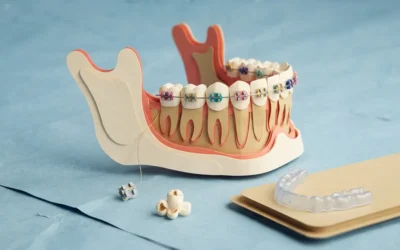
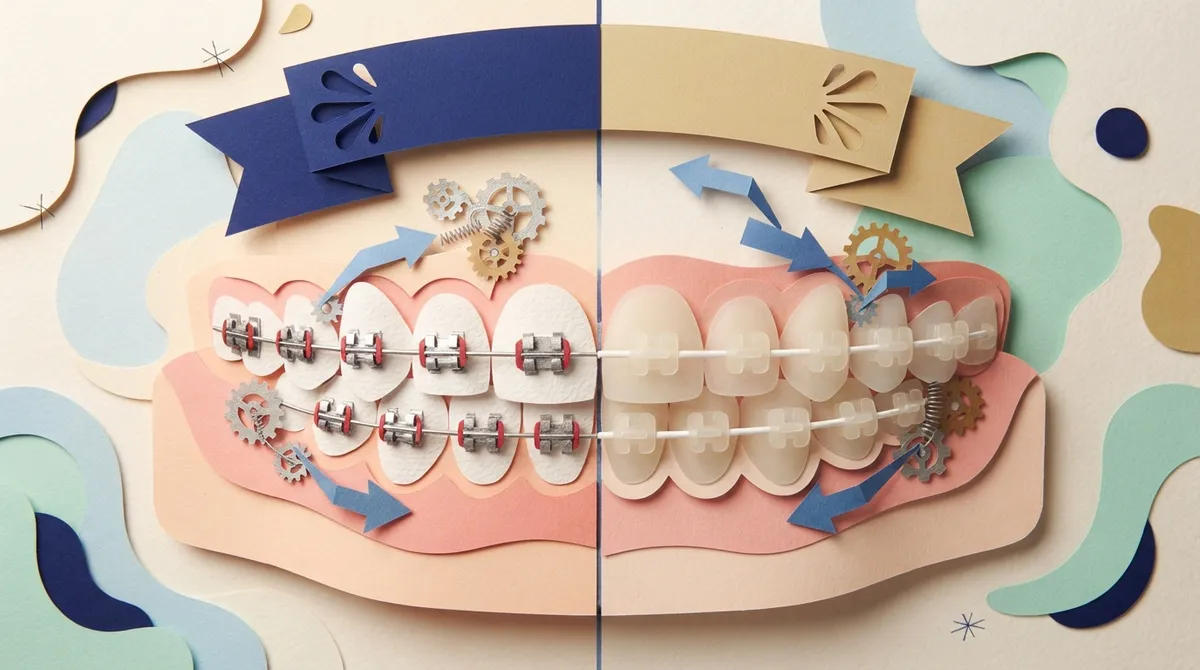
Let’s start with what these two have in common. Metal and ceramic braces use the same basic idea. Brackets are bonded to the front of your teeth. An archwire runs through the brackets and applies steady, controlled pressure. Over time, that pressure moves your teeth where they need to go.
The main difference is the bracket material:
- Metal braces use stainless-steel brackets. They are the classic choice and have been trusted for decades.
- Ceramic braces use tooth-colored or translucent brackets that blend in with your enamel.
So the treatment method is not different. What changes is how the braces look and how they hold up day to day. If you want a deeper look at how fixed braces work in general, our All About Braces page is a great place to start.
Metal Braces: The Tried-and-True Option
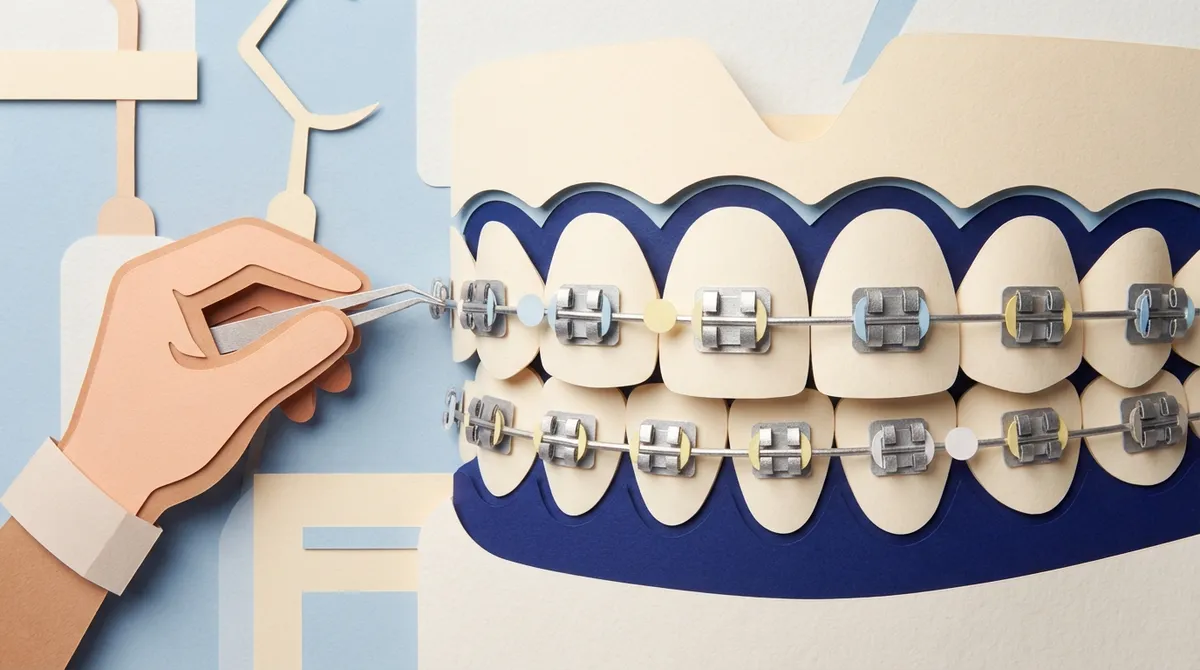
Metal braces get a bad rap from old movies, but today’s versions are smaller, smoother, and more comfortable than the ones your parents may remember. They are still the most common type of braces, and for good reason.
Pros of Metal Braces
- Durable: Stainless steel is strong and resists chipping or breaking.
- Budget-friendly: Metal braces are generally the lower-cost option.
- Less visible staining: The brackets do not change color, so they look the same from your first visit to your last.
- Great for active kids and teens: They handle everyday life, including sports and school lunches, with fewer worries.
Cons of Metal Braces
- More noticeable: The silver brackets show when you smile.
- Fun colors help: Many younger patients actually enjoy picking colored bands, which makes this a plus for some!
If you are leaning toward the classic route, you might enjoy reading about metal braces benefits, cost, and what to expect in 2026.
Ceramic Braces: The Discreet Choice
Ceramic braces work just like metal braces, but the brackets are clear or tooth-colored. They tend to blend in with your teeth, so they are less noticeable at a glance. For many adult professionals and image-conscious teens, that is a huge draw.
Pros of Ceramic Braces
- Less conspicuous: The brackets blend in with your natural tooth color.
- Effective: They can treat many of the same alignment and bite issues as metal braces.
- Confidence booster: Great for work events, graduations, weddings, or any milestone where you want a low-profile look.
Cons of Ceramic Braces
- Still visible up close: They are less noticeable, not invisible. The archwire can still show.
- More brittle: Ceramic brackets can chip or fracture more easily than steel, especially with hard foods or heavy bite forces.
- Typically cost more: You are paying for the cosmetic benefit.
- Ligature staining: The brackets themselves are generally stain-resistant, but clear or tooth-colored elastic ties can discolor between appointments.
Curious about the local experience? Take a look at ceramic braces in Clearwater to see what sets our approach apart.
Metal Braces vs Ceramic Braces: Side-by-Side Comparison
Sometimes a quick chart says it best. Here is how the two options stack up:
| Feature | Metal Braces | Ceramic Braces |
|---|---|---|
| Appearance | Silver brackets, more visible | Tooth-colored or clear brackets, less visible |
| Durability | Very strong, resists chipping | More brittle, can chip or fracture |
| Staining | Brackets do not stain | Brackets are stain-resistant, but elastic ties can discolor |
| Typical cost range* | About $3,000–$7,000 | About $4,000–$8,000 |
| Effectiveness | Treats a wide range of cases | Treats a wide range of cases |
| Best for | Durability and value | Discreet appearance |
*Ranges are broad U.S. estimates from a 2026 consumer cost guide, not a fixed fee schedule. Your actual cost depends on your location, case complexity, provider, and insurance.
Which Braces Are Less Noticeable?
This is the question we hear most. The short answer: ceramic braces are less noticeable than metal braces. The brackets blend with your tooth color, so most people will not spot them from a conversational distance.
That said, let’s keep it real. Ceramic braces are still visible, especially up close. The archwire may still show, and the elastic ties can pick up color. If you are hoping for totally hidden treatment, you may also want to explore Spark™ Clear Aligners, which are nearly invisible and removable.
If you are weighing options for adults, you may enjoy our guide on metal vs. clear braces for adults.
Do Ceramic Braces Work as Well as Metal?
Yes, they can. Both types use the same mechanics to move teeth, and both can fix crowding, gaps, overbites, underbites, and crossbites. Ceramic braces are not automatically a poor fit for complex cases.
What matters most is your diagnosis. Your orthodontist looks at your bite, your tooth movement plan, and how much force your braces will need to handle. In some situations, the extra strength of metal may be the better pick. In others, ceramic works beautifully.
We do not know of a reliable, directly comparable statistic showing that one type always finishes faster than the other. Treatment time depends on your individual case, how well you follow instructions, and your treatment plan. If you want to understand timelines better, check out how long braces take to work.
Cost: What to Expect
Cost matters, and we never want it to be a surprise. Metal braces are typically the more affordable choice, while ceramic braces usually cost more because of the materials.
According to a 2026 consumer cost guide, typical out-of-pocket ranges in the U.S. are roughly $3,000 to $7,000 for metal braces and $4,000 to $8,000 for ceramic braces. The same guide notes an American Dental Association survey estimate of about $5,000 to $6,000 for comprehensive orthodontic treatment overall. These are general figures, and your quote may land higher or lower.
A few things can shift your price:
- Where you live and which provider you choose
- How complex your case is
- Whether insurance helps cover treatment
- What your quote includes, such as retainers and follow-up visits
The good news is that you have options for managing the cost. Learn more about financing and insurance or see our breakdown of the factors that determine how much braces cost.
Caring for Your Braces
No matter which type you pick, good habits make a big difference. Braces can trap food and plaque, so a little extra care goes a long way.
Everyday Care Tips
- Brush after meals: Angle your brush toward the gumline and clean around each bracket.
- Floss daily: A floss threader or water flosser can make this easier.
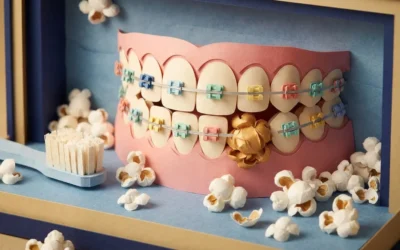
- Skip the sticky and hard stuff: Caramel, hard candy, ice, and popcorn can damage brackets.
- Keep your appointments: Regular visits keep your treatment on track.
If you have ceramic braces, pay extra attention to your elastic ties. They can pick up color from coffee, tea, curry, and dark sauces, so brushing well and limiting stain-heavy foods helps. Ceramic brackets are also more delicate, so be gentle with hard foods.
Need food ideas? Our guide to foods to avoid with braces is a handy reference.
How to Choose: A Simple Decision Guide
Still on the fence? Here are a few questions to ask yourself:
- How much does appearance matter to me? If you want a lower profile, ceramic may be worth it.
- How active is my lifestyle? If you play contact sports or tend to be hard on your teeth, metal’s toughness is a plus.
- What is my budget? Metal braces usually cost less.
- What does my bite need? Your orthodontist’s recommendation matters most here.
Quick Match by Reader Type
- Parents of kids and teens: Metal braces are often a smart, sturdy, budget-friendly pick. Kids also love choosing colors. See our adolescent treatment options.
- Teens and young adults: Ceramic can be a nice fit for big social moments, while metal still offers great value.
- Adult professionals: Ceramic offers a discreet look, and clear aligners may be worth a conversation too. Explore our adult treatment page.
- Retreatment patients: If your smile shifted after earlier treatment, a custom plan matters more than the bracket material.
- Health-conscious patients: Both work well with excellent hygiene. Your orthodontist can tailor the plan around your gum and dental health.
Why Local Expertise Matters
The best braces are the ones chosen with a real person who listens. At Brockway Orthodontics, Dr. Brockway takes the time to hear your goals and explain your options in plain language. We offer metal braces, ceramic braces, and Spark™ Clear Aligners, so you are never pushed toward a one-size-fits-all answer.
Our modern tools, including digital impressions and 3D imaging, help us plan your treatment with precision and keep things comfortable. We welcome families of all ages, and in certain cases, same-day treatment may be available.
Want to see what other patients think? You can visit us on Google — Brockway Orthodontics to read reviews. And if you are ready to see what to expect at your first appointment, check out Your First Visit.
For general professional guidance, resources from the American Dental Association and the Florida Association of Orthodontists are also helpful.
Final Thoughts: The Best Braces Are the Ones That Fit You
When it comes to metal braces versus ceramic braces, there is no single winner. Metal braces are strong, budget-friendly, and reliable. Ceramic braces are more discreet but usually cost more and need a bit more gentle handling. Both can give you a beautiful, healthy smile.
The best way to decide is to sit down with an orthodontist who can look at your teeth, your bite, and your lifestyle. Ready to find your fit? Book your free consultation online or contact us with any questions. We would love to meet you!
FAQs
Q: Are ceramic braces as effective as metal braces?
A: Yes, they can be! Both use the same basic method to move teeth, and both can treat many alignment and bite concerns. Your orthodontist will recommend the best fit based on your diagnosis and treatment plan.
Q: Do ceramic braces stain or turn yellow?
A: The ceramic brackets themselves are generally stain-resistant. The clear or tooth-colored elastic ties, though, can pick up color from foods and drinks like coffee, tea, and dark sauces, so good brushing and regular adjustments help keep things looking fresh.
Q: Are ceramic braces more likely to break than metal braces?
A: Ceramic brackets are more brittle than stainless steel, so they can chip or fracture more easily, especially with hard foods or strong bite forces. Metal braces are generally the sturdier choice.
Q: How much do metal and ceramic braces cost?
A: A 2026 consumer cost guide reports typical U.S. ranges of about $3,000 to $7,000 for metal braces and $4,000 to $8,000 for ceramic braces. Your actual fee depends on your location, case complexity, provider, and insurance, so a personal consultation gives the most accurate quote.
Q: Which braces are less noticeable: metal or ceramic?
A: Ceramic braces are less noticeable because the brackets blend in with your teeth. They are still visible up close, though, and the archwire may show, so they are discreet rather than invisible.
Our Service Area