Key Takeaways
-
Schedule your child's first orthodontic checkup by age 7, when they have a mix of baby and permanent teeth, allowing orthodontists to spot problems early while there's still time to guide jaw growth.
-
Watch for early warning signs like crossbites, crowded teeth, mouth breathing, or asymmetrical facial features—seeing an orthodontist sooner than age 7 if these appear can prevent more complex problems later.
-
Choose an orthodontist with a warm, welcoming office environment where staff use simple language and provide positive encouragement, as children pick up on anxiety and respond better to friendly, supportive settings.
-
Verify that your orthodontist maintains high clinical standards including proper licensing, digital imaging, coordination with your dentist, and transparent cost discussions—being kid-friendly never means cutting corners on expertise.
-
Treatment options vary by child's needs and development stage; common paths include observation, space maintainers, palatal expanders, traditional braces, or clear aligners for teens—personalization matters more than one-size-fits-all approaches.
-
Reinforce daily oral hygiene habits at home during and after treatment, including brushing after meals, flossing around wires, limiting sugary foods, and wearing retainers as instructed to protect long-term results.
Finding the right orthodontist for your child can feel like a big decision. You want someone who knows the science of growing smiles, but you also want a place where your child feels safe and even has a little fun. That balance is exactly what a kid-friendly orthodontist offers: real clinical expertise wrapped in a warm, welcoming experience. Whether your seven-year-old just had their first evaluation or your teen is getting ready for braces before homecoming, the right practice makes all the difference.
In this guide, we’ll walk through exactly what makes an orthodontist kid-friendly, when your child should have their first visit, and what warning signs mean you shouldn’t wait. We’ll also cover treatment options, costs, and how to know you’ve found a practice your whole family can trust. If you’re a parent in Clearwater searching for that perfect fit, this article is for you.
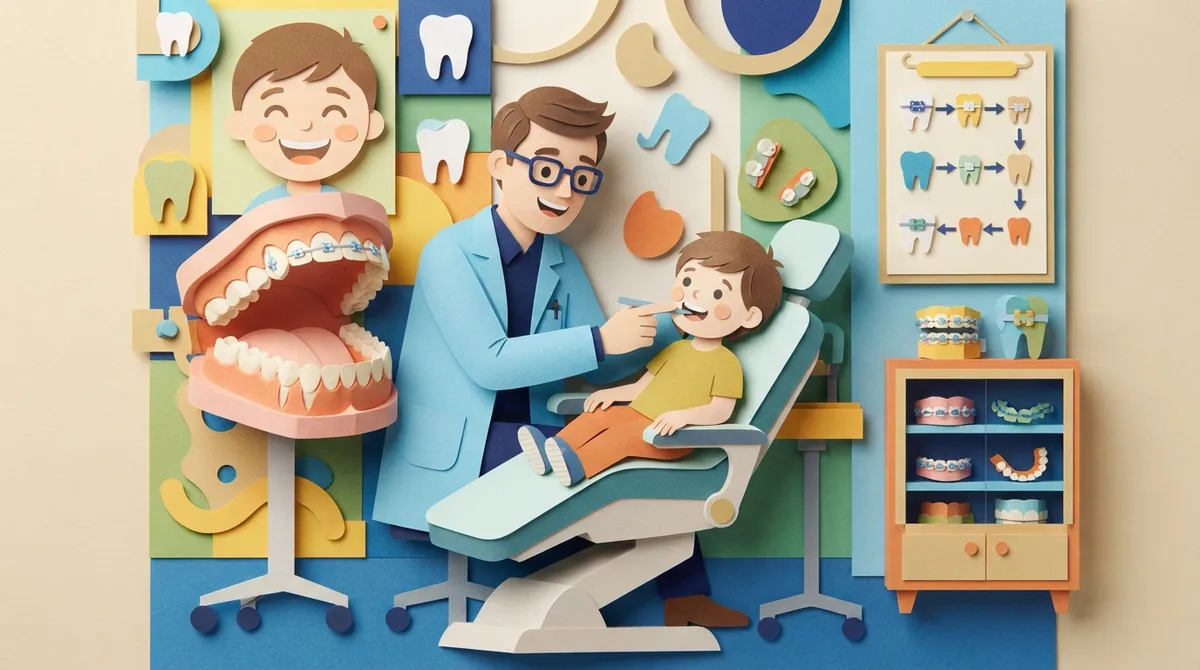
1. They Know When to See Kids and Why Age 7 Matters
The American Association of Orthodontists recommends that every child have an initial orthodontic checkup by age 7. This surprises a lot of parents. Your child likely still has baby teeth at that age, so why see an orthodontist so early?
Here’s the simple answer: age 7 is a sweet spot. Kids usually have a mix of baby teeth and permanent teeth at this point. This mix lets an orthodontist spot problems early, while there’s still time to guide growth in a helpful direction.
An early checkup does not mean your child needs braces right away. In fact, most seven-year-olds do not need any treatment yet. The visit is simply a chance to:
- Check how the jaw and teeth are developing
- Spot crowding before it gets worse
- Look for bite problems, like crossbites or overbites
- See if permanent teeth are coming in correctly
- Decide if watching and waiting is the best plan
A kid-friendly orthodontist explains all of this in a way your child can understand too. At Early Treatment visits, the goal is simple: catch problems early, but never rush into treatment your child doesn’t need yet.
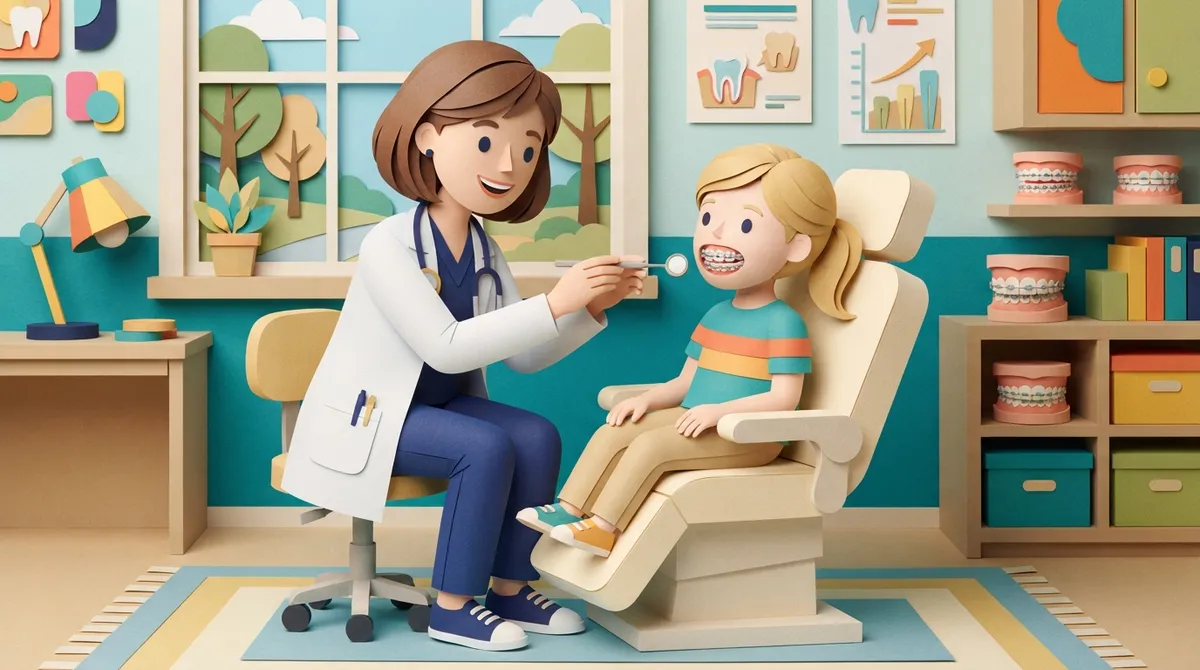
2. They Watch for Early Warning Signs
While age 7 is the general guideline, some signs mean you shouldn’t wait that long. If you notice any of these in your child, it’s smart to book a visit sooner:
- A crossbite, where top and bottom teeth don’t line up right
- Teeth that stick out or look very crowded
- Trouble biting or chewing food
- Baby teeth falling out very early or very late
- Thumb-sucking that continues past preschool age
- Breathing through the mouth instead of the nose
- A jaw that shifts to one side when biting down
- One side of the face looking different from the other
These signs don’t always mean something serious is wrong. But they’re worth a professional look. A good orthodontist will explain what they see in plain language, without scaring you or your child. This is where Your First Visit sets the tone for everything that follows.
3. They Create a Calm, Welcoming Office
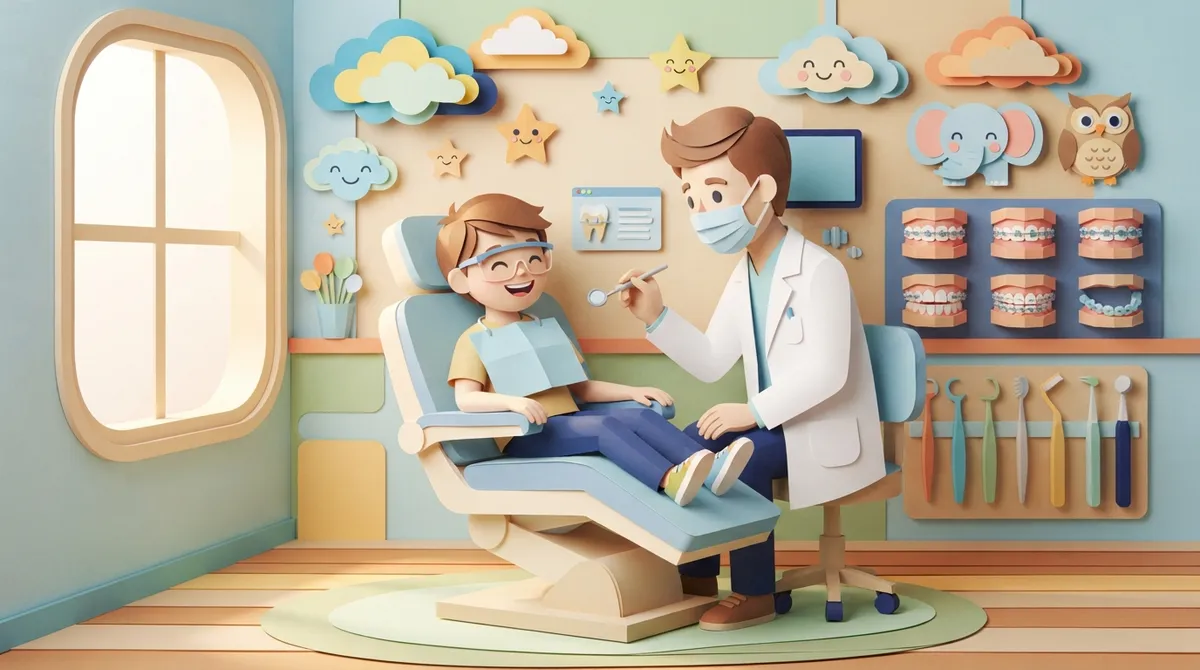
Kids pick up on energy fast. If a waiting room feels cold or scary, that fear can follow them into the exam chair. A truly kid-friendly orthodontist builds an office where children feel comfortable the moment they walk in.
Here’s what to look for in a welcoming practice:
- Staff trained to talk with kids using simple, friendly language
- A bright, cheerful office instead of a clinical, sterile feel
- Positive praise and encouragement during appointments
- Flexible scheduling that works with school and after-school activities
- Patience with kids who feel nervous or unsure
- Clear explanations of tools and steps before they happen
Small touches make a huge difference. A kind hygienist, a fun sticker, or a high-five after a good appointment can turn anxiety into excitement. Families in Clearwater often visit us on Google — Brockway Orthodontics to read how other parents describe this exact experience.
4. They Still Follow High Clinical Standards
Being friendly doesn’t mean skipping the science. A great kid-friendly orthodontist balances warmth with real expertise. Before choosing a practice, check these boxes:
| What to Check | Why It Matters |
|---|---|
| Licensed orthodontic specialist | Confirms years of extra training beyond dental school |
| Uses X-rays or digital scans | Provides accurate records for a real treatment plan |
| Coordinates with your dentist | Keeps your child’s full oral health on track |
| Explains retention after treatment | Protects results long after braces come off |
| Transparent about cost and timeline | Avoids surprises for your family’s budget |
A kid-friendly office should never feel like it’s cutting corners. Instead, it should combine gentle care with the same rigorous standards you’d expect from any respected specialist. You can learn more about what qualifications matter on our Meet Dr. Brockway page.
5. They Offer Treatment Options That Fit Kids’ Lives
Not every child needs the same treatment. Some just need watching. Others need a small appliance. Some are ready for full braces. A kid-friendly orthodontist tailors the plan to your child, not the other way around.
Common treatment paths include:
- Observation: Regular check-ins with no active treatment yet
- Space maintainers: Small devices that hold room for adult teeth
- Expanders: Widen the upper jaw to fix crowding or crossbites
- Limited appliances: Target one specific problem early
- Traditional braces: For comprehensive correction of bite and alignment
- Clear aligners: A discreet option for older kids and teens who qualify
The right choice depends on your child’s dental development, growth stage, and even how well they’ll keep up with care. For families who want a more discreet option once treatment starts, Spark™ Clear Aligners offer a comfortable, affordable alternative to traditional metal brackets. Traditional options remain a strong choice too, and you can compare the details on our All About Braces page.
| Treatment | Best For | Typical Age Range |
|---|---|---|
| Space maintainer | Holding space after early tooth loss | 6-10 years |
| Palatal expander | Narrow upper jaw, crossbites | 7-11 years |
| Traditional braces | Full bite and alignment correction | 10-14 years |
| Clear aligners | Mild to moderate cases, motivated teens | 13+ years |
6. They Support Whole-Family Oral Health
Orthodontic treatment is just one part of a bigger picture. Your child still needs regular dental checkups, cleanings, and cavity treatment from their general dentist. A kid-friendly orthodontist will remind you of this instead of trying to replace your dentist’s role.
Good habits to reinforce at home during treatment include:
- Brushing after every meal, especially with braces
- Flossing daily, even when it feels tricky around wires
- Cutting back on sugary snacks and drinks
- Keeping regular dental cleanings on the calendar
- Wearing retainers exactly as instructed after treatment ends
The American Dental Association offers helpful resources on brushing and flossing techniques that work well for kids in braces. Pairing this home care with professional guidance from our Retainers page keeps smiles healthy long after treatment wraps up.
Understanding the Numbers Behind Kids’ Orthodontic Needs
It helps to know how common orthodontic concerns really are. A well-known survey from the CDC’s National Center for Health Statistics looked at bite patterns in children ages 6 to 11. While the data comes from an older study period, it still offers useful context for parents today.
| Bite Type | Percentage of Children |
|---|---|
| Neutroclusion (normal-ish bite) | Approximately 54% |
| Distocclusion (upper teeth protrude) | Approximately 35% |
| Mesiocclusion (lower jaw protrudes) | Approximately 10% |
| Asymmetrical bite relationship | Approximately 1% |
The same report found that orthodontic care use increased with age, from about 0.4% among six-year-olds to 5.1% among eleven-year-olds. About 2.5 million children in that survey period had a treatment-priority score suggesting they likely needed care. These numbers remind us that bite issues are common, and catching them early gives your child the best shot at a smooth, efficient treatment plan.
What Does a Kid-Friendly Consultation Look Like?
Your first visit should feel collaborative, not intimidating. Here’s what a good consultation typically includes:
- A friendly welcome and tour of the office
- Simple, age-appropriate explanation of what the orthodontist sees
- Digital images or scans instead of messy molds
- A clear discussion of whether treatment is needed now or later
- Time for parents to ask about cost, insurance, and timelines
- A chance for your child to ask their own questions too
This kind of open conversation builds trust from day one. It also helps kids feel like partners in their own care, not just patients along for the ride. If you’re ready to schedule that first conversation, you can book appointment online in just a few minutes.
Comparing Treatment Costs and Insurance Basics
Cost is often top of mind for parents, and that’s completely understandable. While every treatment plan varies, here’s a general breakdown of what influences the price:
| Factor | How It Affects Cost |
|---|---|
| Complexity of the case | More correction needed usually means a higher cost |
| Type of treatment | Braces and clear aligners have different price points |
| Length of treatment | Longer plans may cost more overall |
| Insurance coverage | Many plans cover a portion of orthodontic care for kids |
| Payment plan options | Monthly plans can make treatment more manageable |
Our team walks every family through their options clearly, with no pressure and no confusing jargon. Learn more about your choices on our Financing And Insurance page.
Why Clearwater Families Choose Brockway Orthodontics
Dr. Brockway has built her practice around one simple idea: every child deserves a smile they’re proud of, delivered with care that feels personal. She takes time to listen to each family’s goals, explains every step in a way that’s easy to follow, and creates a space where kids feel comfortable, not nervous.
Our office uses modern technology like digital scans and 3D imaging, so your child skips the messy molds many parents remember from their own childhood. In certain cases, we can even offer same-day treatment starts, which is a huge relief for busy families juggling school and activities. We proudly serve families across Clearwater and the surrounding Pinellas County area, and we treat every patient like part of our extended community. You can also follow our work and see real patient smiles on Instagram or connect with us on Facebook.
Bringing It All Together
Choosing a kid-friendly orthodontist means finding a practice that blends real expertise with genuine warmth. Look for a team that screens early, explains clearly, treats only when needed, and builds a comfortable space for your child to grow into a confident smile. The Florida Association of Orthodontists is also a great resource if you want to verify credentials or learn more about standards of care in our state.
Your child’s smile journey doesn’t have to feel overwhelming. With the right team by your side, it can actually be something to look forward to. If you’re ready to take that first step, our friendly staff is here to help you every step of the way. Contact us today, and let’s start building a smile your child will love for years to come.
FAQs
Q: What age should a child first see a kid-friendly orthodontist?
A: The American Association of Orthodontists recommends an initial checkup by age 7. Don’t worry though, this doesn’t mean braces right away! It’s simply a chance to spot any early issues while your child still has a mix of baby and permanent teeth.
Q: Does every child need braces if they visit an orthodontist at age 7?
A: Not at all, and this is such a common worry for parents! Most kids just need periodic monitoring at this age, with treatment starting later once more permanent teeth have come in.
Q: How can I tell whether an orthodontist is good with children?
A: Look for a warm office atmosphere, staff who explain things simply, and plenty of patience and positive encouragement. You’ll also notice it in how comfortable your child feels walking out the door after their visit!
Q: Are braces or clear aligners better for children?
A: It really depends on your child’s age, the complexity of their case, and how responsible they are with removable devices. We’re happy to walk you through both options, including our Spark™ Clear Aligners, during a friendly consultation.
Q: How much does a child-friendly orthodontist cost, and does insurance help?
A: Costs vary based on treatment type and length, but many dental insurance plans do cover a portion of orthodontic care for kids. Our team is glad to walk you through financing and payment plan options so there are no surprises.
Our Service Area